The article argues that as AI agents replace human users, the real bottleneck for enterprise AI shifts from model performance to data infrastructure, and explains how OceanBase’s AI‑native database—Lakebase—addresses multimodal data, hybrid search, agent safety, and massive logical tables to enable production‑grade AI applications.
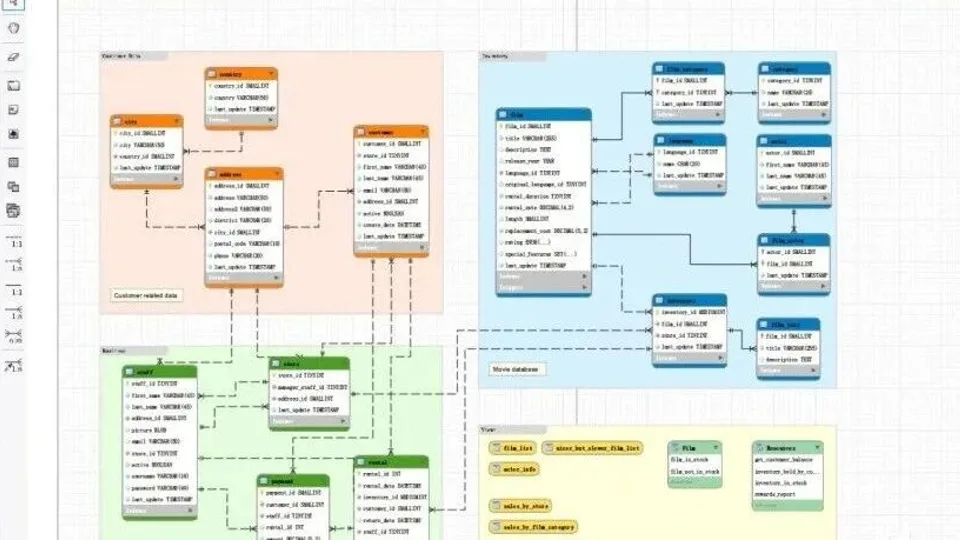
The article reviews three free MySQL client alternatives—DBeaver, MySQL Workbench, and HeidiSQL—detailing their installation steps, supported databases, key features such as multi‑database support, built‑in monitoring and ER diagram tools, and why each may suit different users.
The article contrasts Elasticsearch’s search‑oriented design—using inverted indexes, near‑real‑time BASE consistency, schema‑free JSON documents, and horizontal scaling—with relational databases’ precise row‑based storage, ACID guarantees, strict schemas, B+‑tree indexes, and vertical scaling, showing how they complement rather than compete.
MongoDB’s physical backup can cause hidden nodes to balloon in disk usage, but by analyzing WiredTiger’s space‑reclamation process and introducing a checkpoint‑release API, the team reduced backup‑induced disk expansion from up to 200% down to under 10%, saving hundreds of gigabytes and cutting backup time by over 40%.
This article details a production-verified zero-downtime database migration strategy using Spring Boot and Flyway, covering why DDL causes outages, Flyway configuration best practices, the expand-migrate-contract pattern for smooth schema changes, script writing and rollback techniques, Kubernetes deployment coordination, monitoring with circuit breakers, and a post-mortem checklist.
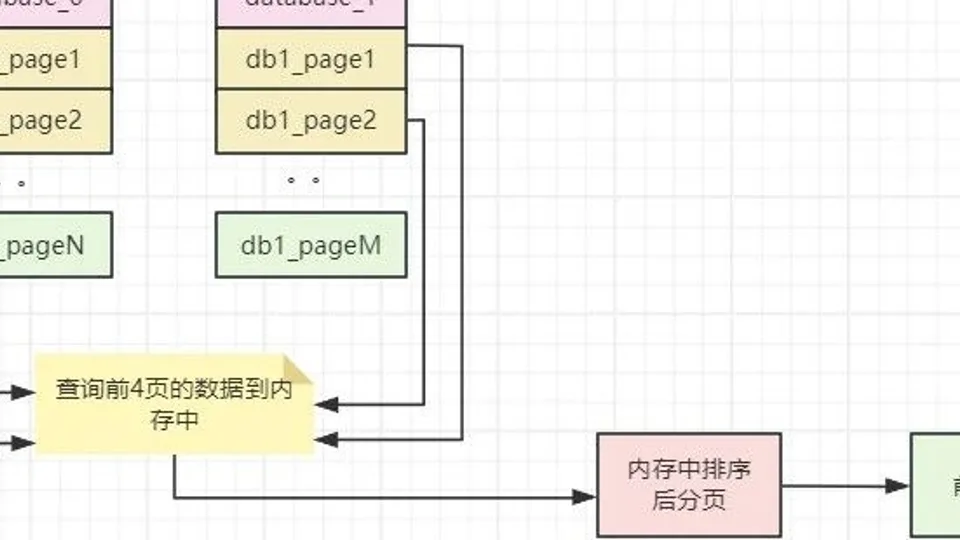
The article analyzes why traditional LIMIT/OFFSET pagination fails when data is split across multiple databases, presents a global query approach with its trade‑offs, and proposes an optimized "no‑skip" method plus practical tips using ShardingSphere and Elasticsearch.
The article explains that MVCC in MySQL InnoDB prevents phantom reads for snapshot (ordinary SELECT) queries by using ReadView, while write‑conflict scenarios that appear as phantom reads are handled by unique index checks and gap locks, highlighting the distinction between snapshot and current reads.
This comprehensive guide explains why seemingly indexed MySQL queries can still cause severe latency spikes in high‑traffic systems, explores the underlying InnoDB structures and optimizer cost model, enumerates twelve common failure patterns with concrete SQL examples, and provides a production‑grade methodology for diagnosing, engineering, and automating index governance.
If you need a cost‑free replacement for Navicat, this article compares three MySQL client tools—DBeaver, MySQL Workbench, and HeidiSQL—detailing their installation steps, supported databases, key features such as monitoring and ER diagrams, and practical usage tips.
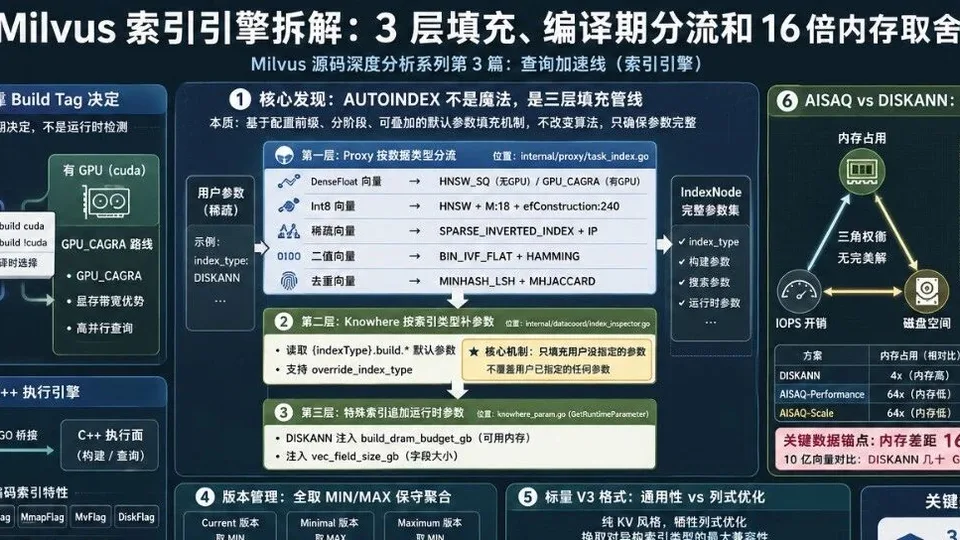
The article dissects Milvus’ index engine, revealing that AUTOINDEX relies on a three‑stage default‑parameter pipeline, that CPU/GPU index selection is fixed at compile time via Go build tags, that the C++ Knowhere engine executes the algorithms, and that version aggregation, scalar V3 format, and the new AISAQ index embody deliberate memory‑vs‑IO trade‑offs.
This article provides a comprehensive, enterprise‑level comparison of PostgreSQL and MongoDB, outlining when each database fits business needs, a five‑dimensional decision framework, mixed‑architecture patterns, practical schema and indexing examples, and guidance on performance, stability, and migration considerations.
This guide walks through a complete MySQL master‑slave lag diagnosis process, explaining why relying solely on Seconds_Behind_Master is insufficient and showing how to separate IO and SQL thread issues, examine relay logs, detect long transactions, DDL locks, and apply best‑practice configurations and monitoring.
Fifteen years after an internship at Nanda Tongyong, the author returns as an external expert to reflect on personal growth, the evolution of the GBase product line—from the early MPP database to AI‑native HTAP solutions—highlighting technical innovations, benchmark results, and the broader impact on the domestic database ecosystem.
The article investigates why master‑slave replication delay spikes each morning between 05:00 and 07:00, tracing it to the inventory‑snapshot worker that floods binlog traffic, evaluates five mitigation strategies, implements a big‑data extraction pipeline to Elasticsearch, and reports that the nightly delay disappeared and disk utilization improved.
The article explains why MySQL master‑slave replication lag occurs, lists common causes, provides a five‑level troubleshooting framework, and offers three concrete recovery methods—from emergency error skipping to multi‑threaded replication and long‑term architecture improvements—plus commands, configurations, and monitoring tips.
The article analyzes why traditional offset‑based pagination breaks after data is split across multiple databases, explains the global query method with its pros and cons, and introduces the no‑skip optimization that reduces data transfer and improves deep‑page performance.
This guide walks through MySQL performance troubleshooting—from enabling and analyzing slow‑query logs with pt‑query‑digest, interpreting EXPLAIN plans, designing covering and composite indexes, tuning InnoDB buffer pool and connection settings, to best‑practice recommendations and real‑world case validation.
This comprehensive guide walks through PostgreSQL's backup and replication architecture, explaining WAL fundamentals, the distinction between backup, high‑availability, disaster‑recovery and CDC, and provides step‑by‑step configurations, performance trade‑offs, monitoring queries, Kubernetes deployment tips, and practical recovery‑drill procedures for production environments.
This article walks through diagnosing slow MySQL queries with EXPLAIN, applying index and join optimizations, using FORCE INDEX, monitoring index usage, preventing unsafe MyBatis patterns, and scaling massive tables with sharding, presenting concrete SQL examples and step‑by‑step guidance.
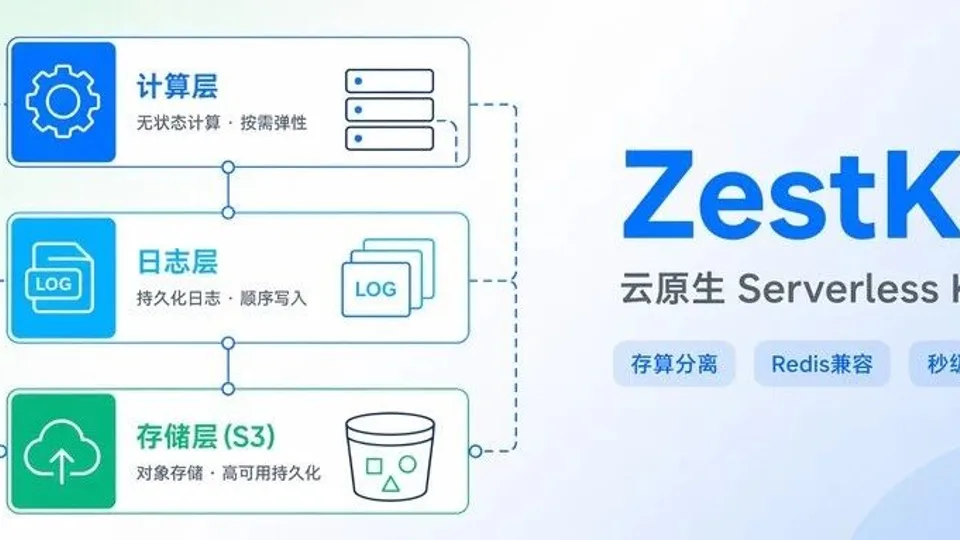
ZestKV, built on Pika, introduces a seven‑layer compute‑storage separation architecture that eliminates capacity limits, offers second‑level elastic scaling without data migration, maintains stable P99 latency, guarantees zero data loss, provides multi‑tenant isolation, and remains fully compatible with the Redis protocol for a wide range of cloud‑native workloads.