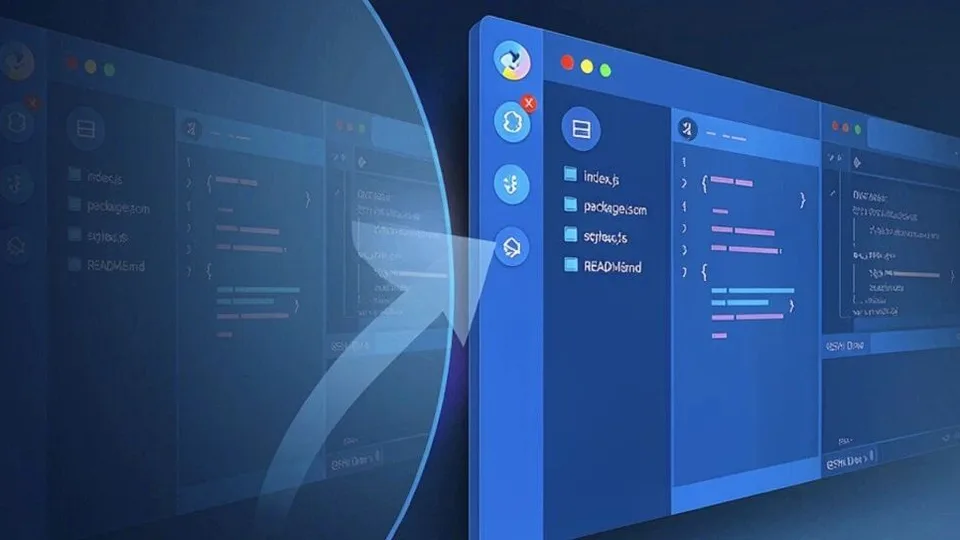
Meta has open-sourced Astryx, a design system used internally for eight years across 13,000+ applications, featuring 150+ React 19 and StyleX components with a unified CLI that exposes machine-readable documentation, design tokens, and codemods for both human developers and AI agents.
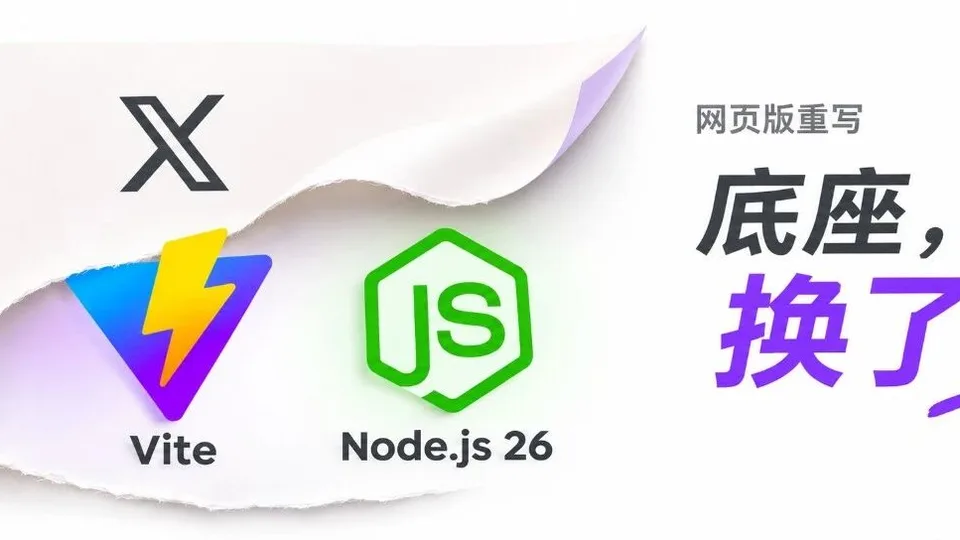
X (formerly Twitter) rewrote its web application using Vite, Node.js 26, and Fastify, replacing a fragmented architecture with a unified streaming SSR system that delivers first tweets in 1.7 seconds on slow 4G, cutting JavaScript download to zero before first paint.
This article explores how React's key prop works internally, tracing its path from JSX to ReactElement and Fiber, and detailing the three-phase reconciliation algorithm that matches old and new nodes during list updates, with source code examples from React v19.2.8.
Meta has open-sourced Astryx, a design system used internally for eight years across 13,000 applications with 150+ components built on React 19 and StyleX, featuring a unified CLI interface for humans, build tools, and AI agents that generates machine-readable documentation and codemods.
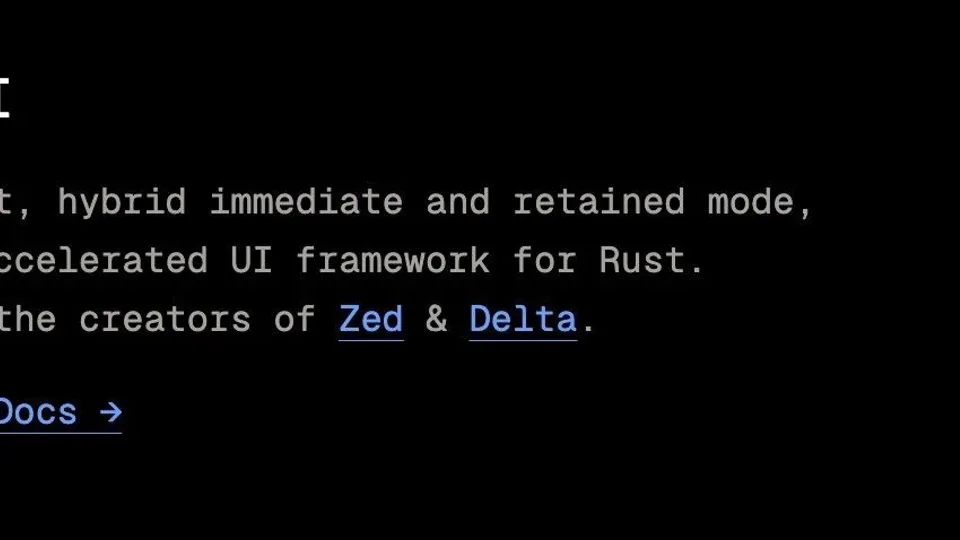
Discord is rewriting its desktop client in Rust using the GPUI framework, replacing Electron to drastically reduce memory usage from 1–2 GB to around 290 MB, while sharing core logic with mobile apps via Rust.
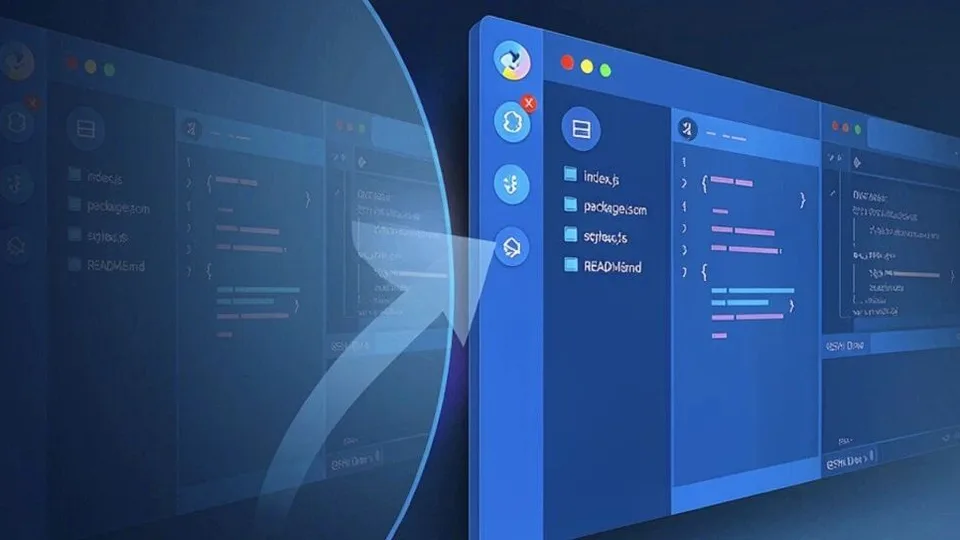
VS Code 1.141 introduces a native frosted glass effect for popover layers like menus and command palette, configurable via modernUIFrostedGlassOpacity, replacing third-party workarounds with built-in support that respects high-contrast themes and includes a toggle for performance issues on Electron.
Meng To's newly open-sourced ThreeUI provides 164+ Three.js components across 10 categories including 3D scenes, shaders, buttons, and text animations, with full source code access and MCP integration for AI-assisted coding workflows.
Chrome's HTML-in-Canvas API now stable lets developers draw live DOM into 2D, WebGL, or WebGPU canvas while preserving text selection, form controls, find-in-page, screen readers, and keyboard navigation, ending a decade of workarounds like html2canvas screenshots or fragile transparent DOM overlays.
The article details debugging a Baidu Map GL white screen caused by CSP blocking worker fetch of data: URIs for image atlases and eval usage in SDK scripts; fixing required adding data: to connect-src and unsafe-eval to script-src in the nginx CSP header.
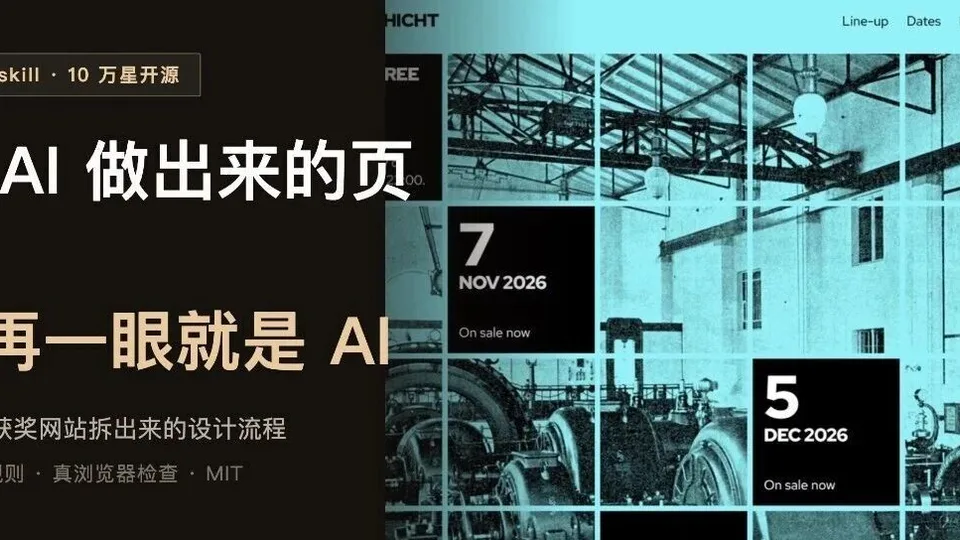
The taste-skill project (100K stars) equips AI coding agents with a data-driven design methodology and linter that flags 13 common AI-generated UI tropes, forcing deliberate design choices through a three-step process of direction selection, subject-specific ideation, and browser-based visual critique.
The author demonstrates how Doubao Work combined with Remotion enables developers to create professional-quality videos — including a software promo, an interactive e-bike showroom, and precision edits via Remotion Studio — without traditional video editing skills.
Moment.js announces version 3.0 after weekly downloads tripled due to AI-assisted development, promising bug fixes and API adjustments while maintaining mutable design, adding no new features, and still recommending alternatives like Day.js for new projects.
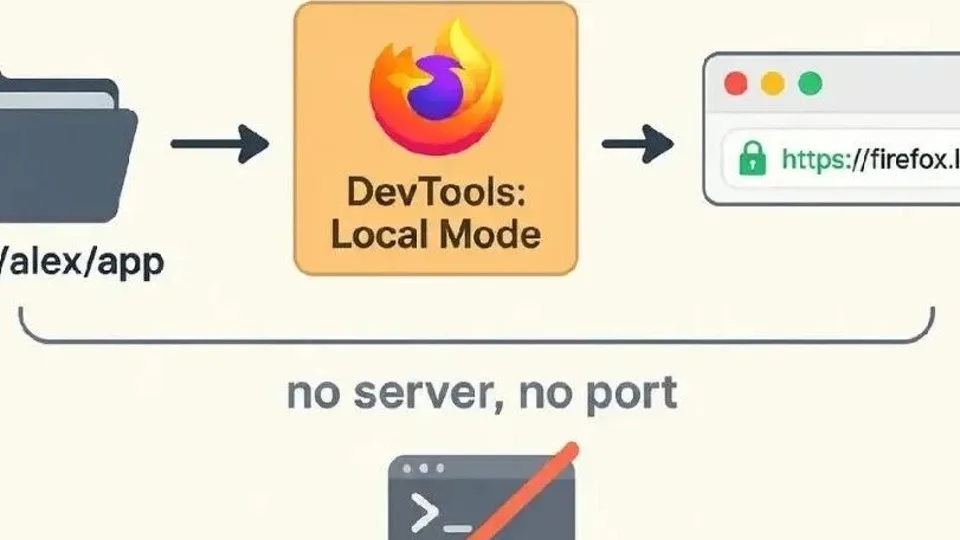
The article tests Firefox's Local Mode feature that maps local folders to HTTPS origins without a server, enabling fetch and Web Workers for static files, but finds Service Worker registration fails and requires DevTools to stay open, making it useful for simple static projects but not a full localhost replacement.
HuoLaLa details its implementation of AI-powered one-sentence ride-hailing in WeChat Mini-Program, covering the shift from GUI to MCP mode, seven atomic capabilities, Handoff mechanism for transaction safety, independent sub-package architecture, three-layer testing strategy, boundary constraints to prevent hallucination, and a dual-track approach with a self-developed AI assistant.
OxygenData-Vibe lets business users create custom data dashboards through natural language conversations with an AI agent, cutting delivery from 30 person-days to 3 days by decoupling complex BI query logic from AI-friendly frontend generation via a two-phase architecture with AST-based error correction and a custom CodeSandbox for instant preview.
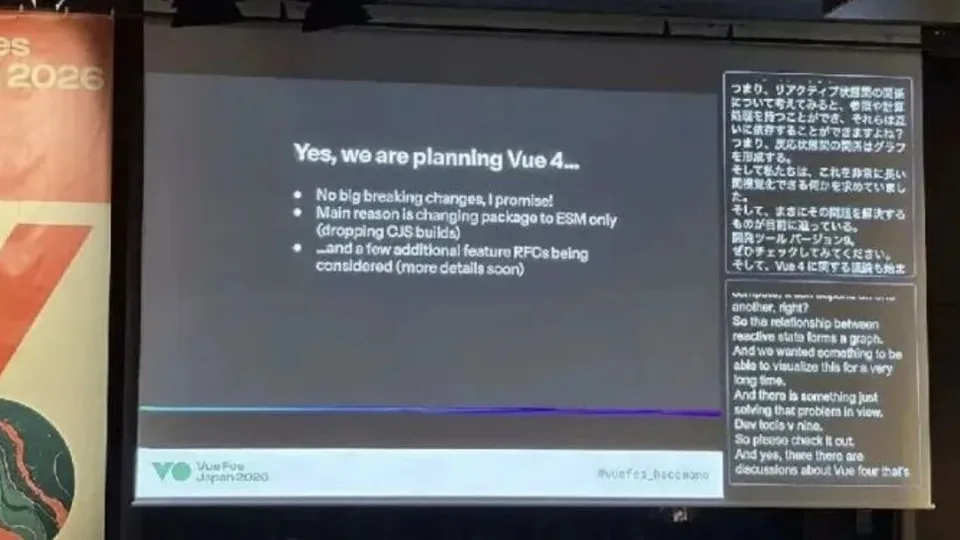
At Vue Fes Japan 2026, Evan You confirmed Vue 4 will avoid large breaking changes, drop CommonJS for ESM-only distribution, and leave major features like Vapor Mode undecided, while emphasizing a toolchain shift toward AI-agent-friendly outputs via Rust-based tools like Rolldown and Oxc.
The article explains why Moment.js persists despite maintenance mode since 2020, shows how to audit its usage, and provides three migration paths — Day.js for minimal changes, date-fns for functional API, and native Intl for formatting-only needs — with concrete steps, plugin requirements, and bundle size comparisons.
This tutorial demonstrates how to replace a single heavy shadow with two distinct CSS box-shadow layers—one broad and subtle for projection, one tight and dark for contact—to achieve realistic card elevation without overwhelming content, including parameter tuning tips and height-variation guidelines.
This article demonstrates how to selectively adjust CSS letter-spacing for uppercase environment labels like PRODUCTION while preserving Chinese text, version numbers, and log content unchanged, including visual comparisons, implementation code, and a verification checklist.
This article explains why HSL color representation is more practical than hexadecimal for team color discussions, demonstrating equivalent conversion, clarifying HSL vs HSB differences, and providing a checklist for verifying color consistency and contrast in UI components.