This article details the governance framework, key metrics, and concrete engineering practices used to improve Git metadata performance, code quality scoring, lint enforcement, workflow checkpoints, and code duplication reduction for a large‑scale frontend monorepo, resulting in measurable stability gains.
This article compares five modern Python GUI frameworks—PyQt6, Dear PyGui, Flet, Textual, and CustomTkinter—detailing their core features, quick‑start code samples, strengths, learning curves, and ideal use cases to help developers choose the most suitable toolkit for desktop, web, or terminal‑based interfaces.
This guide explains what a Blob is, how to create it with JavaScript, generate and manage temporary Blob URLs, compare it with Base64 and ArrayBuffer, and apply best‑practice patterns for previewing, downloading, and streaming large files in modern web applications.
Rspack 1.7, the final minor release of the fast front‑end bundler, enables Lazy Compilation by default, resolves long‑standing SWC plugin compatibility issues, and brings major upgrades across the Rstack ecosystem—including Rsbuild's error overlay, performance size diff, and Rspress's AI‑ready SSG‑MD documentation feature.
This article explains the common challenges of deploying front‑end projects, outlines how to set up an automated build and release pipeline using Docker and GitHub Actions, and provides practical code snippets and best‑practice tips for pre‑release, roll‑back, and post‑deployment notifications.
This article explains why the JavaScript this keyword is notoriously tricky, demonstrates its behavior with concrete examples, outlines the four binding rules (default, implicit, explicit, new), shows how arrow functions simplify this handling, and offers practical best‑practice tips for writing robust code.
The article revisits Undux, the minimalist state‑management library created by Anthropic’s Claude Code founder Boris Cherny out of frustration with Redux, examines its type‑safe, no‑boilerplate API, compares code snippets with Redux’s workflow, and reflects on its legacy and lessons for modern React development.
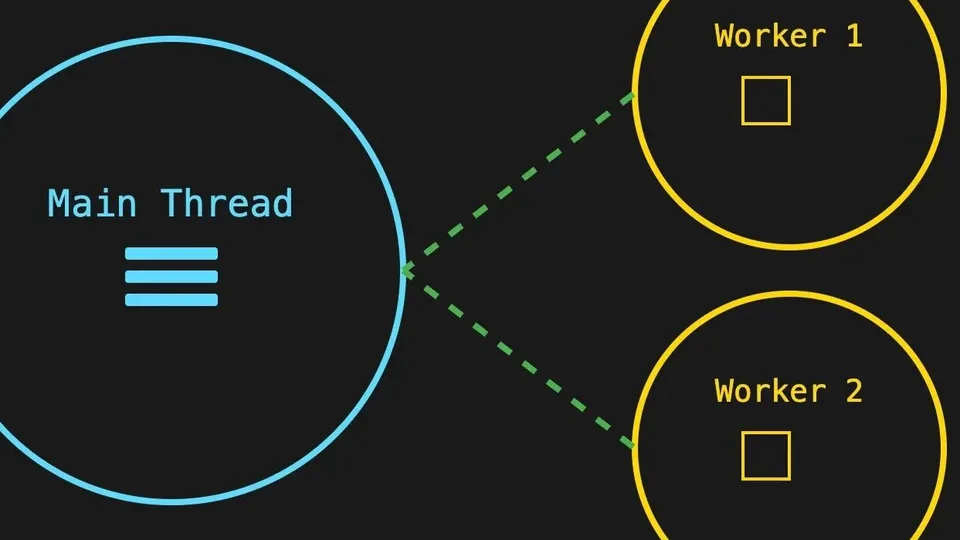
This article explains how JavaScript's single‑threaded nature can freeze UI during heavy calculations and shows step‑by‑step how to offload work to Web Workers, integrate external libraries, configure build tools, and follow best practices for smooth, responsive web applications.
This guide explains how the new JavaScript Array.fromAsync() method converts async iterables, streams, or paginated API responses into clean arrays, offering clear syntax, practical use‑cases, and step‑by‑step code examples for front‑end developers.
A seemingly harmless JSON.parse(JSON.stringify()) deep‑clone line can block the main thread for hundreds of milliseconds, but replacing it with the native structuredClone API dramatically speeds up rendering in both browsers and Node.js, as shown by real‑world benchmarks.
The article outlines seven browser‑based techniques—including requestAnimationFrame, setInterval, requestIdleCallback, Web Workers, Promise + async/await, the Web Animations API, and Intersection Observer—each offering higher accuracy, better resource handling, or smoother execution than the traditional setTimeout timer.
This article explains how Pyodide compiles CPython to WebAssembly, allowing developers to run complete Python—including libraries like Pandas, NumPy, and Matplotlib—directly in the browser without any server, installation, or build system, and demonstrates a practical CSV‑viewer example.
Vue JSX Vapor extends Vue's rendering system to provide full JSX support with Vue directives, matching template compiler output, delivering up to 20× faster performance than Babel, and offering seamless integration via Vite, type‑safe TSX, and dual Virtual DOM/Vapor DOM compilation targets.
Web Workers let JavaScript run heavy computations in background threads, freeing the main UI thread, boosting multi‑core utilization, and improving memory management, which together dramatically enhance front‑end performance for tasks like data processing, image filtering, media handling, and AI inference.
This article presents a KMP‑centric solution that uses Kotlin/JS to compute Compose UI on the JS side and Skia PictureRecorder on the native side, enabling block‑level, script‑driven dynamic UI embedding in native Compose pages without WebView or additional rendering stacks.
This article outlines a comprehensive testing strategy for the movie-web application, covering unit tests for utility functions and state management, component tests with React Testing Library, integration tests using MSW, and a proposed end‑to‑end workflow with Cypress or Playwright, plus CI/CD automation and coverage goals.
This article explains the background and security concerns behind the deprecation of the JavaScript document.domain API, details browser warnings, and provides a step‑by‑step migration guide using postMessage, Channel Messaging, and proper CORS configuration to keep web applications functional.
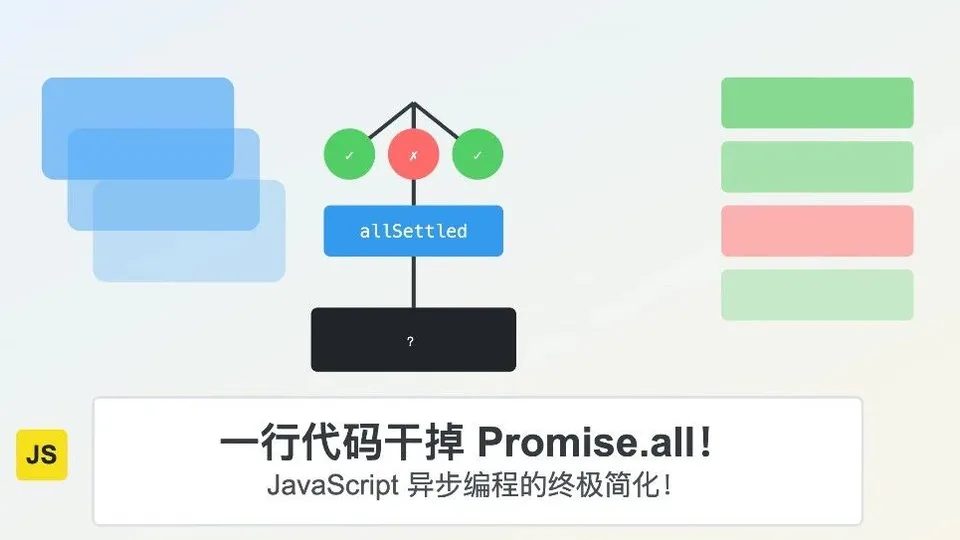
While Promise.all is the traditional way to run multiple asynchronous operations in JavaScript, it aborts the whole batch when any promise rejects, making it impossible to know which calls succeeded; Promise.allSettled overcomes this by waiting for all promises and providing a detailed status for each result.
Vue creator Evan You unveiled Vue JSX Vapor 3.1, a Virtual‑DOM‑free rendering mode that compiles JSX into fine‑grained DOM operations, adds dual Virtual DOM/Vapor output, full directive support, and, according to JS Framework Benchmark data, matches native Vapor speed, outperforms SolidJS in some cases and leaves React far behind, while also planning Virtual‑DOM‑based SSR for future releases.
Vue 3.6.0‑beta.1 brings the long‑awaited Vapor Mode to feature parity (except Suspense), claims benchmark‑level performance comparable to Solid and Svelte 5, overhauls the reactivity system with alien‑signals, and offers an opt‑in, composition‑API‑only path with clear limitations for existing projects.