This guide explains why Playwright is essential for modern front‑end testing, walks through installation, project setup, core APIs for GET/POST requests, and provides a runnable demo to help developers quickly adopt automated testing in their web projects.
This guide explains why Playwright has become essential for front‑end automation testing, walks through installing Node.js and Playwright, shows how to configure a project, provides runnable demo code, and illustrates common API calls such as GET and POST requests with detailed examples.
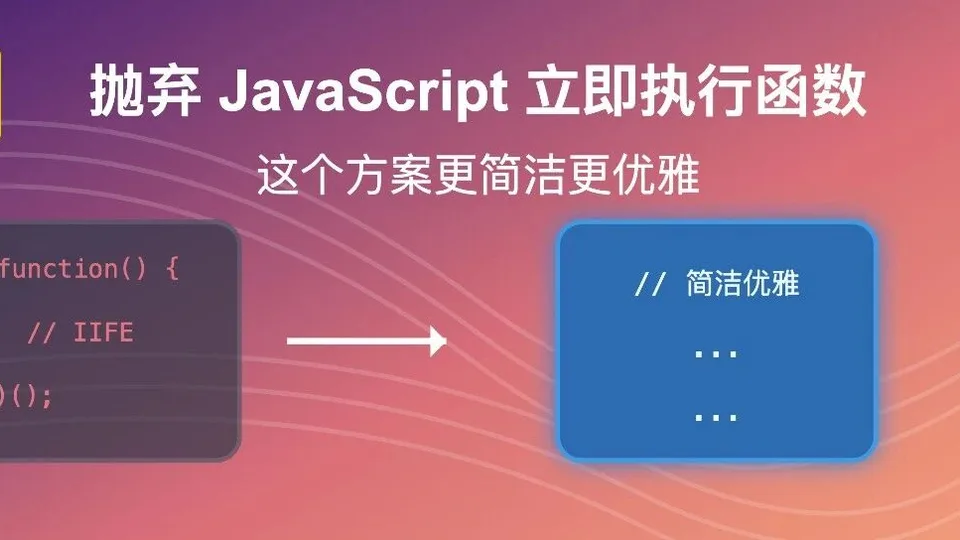
The article reviews the historic use of Immediately Invoked Function Expressions (IIFE) in JavaScript, outlines their drawbacks, and demonstrates how modern ES6 modules provide clearer syntax, built‑in scoping, static analysis, and on‑demand loading, with migration strategies for legacy code.
This article explains how to identify weak network conditions in HTML5 video players, leverage the NetworkInformation API and video element events, and implement a custom loading indicator with optional bandwidth display, complete with code examples and practical considerations.
The article explains how Claude Code’s newly open‑sourced code‑simplifier agent works, detailing its system prompt, five core principles, step‑by‑step workflow, installation commands, language‑specific pitfalls, and a customized version for non‑JavaScript projects, enabling developers to automatically clean and maintain code without losing functionality.
Vue3 replaces the problematic mixins pattern of Vue2 with a powerful Composition API, offering explicit dependencies, clearer source tracing, better TypeScript support, and easier maintenance, as illustrated by code examples and a real‑world fintech migration case.
After growing frustrated with Next.js’s breaking changes, complex server components, and Vercel lock‑in, the author explores a new stack—TanStack Start, shadcn/ui v2, and Better Auth—detailing their features, code examples, and why they may be a superior alternative for modern React development.
WailBrew is an open‑source macOS application that provides a visual, one‑click interface for managing Homebrew packages, combining Go‑based backend performance with a React front‑end for intuitive package inspection, updates, and system diagnostics.
This step‑by‑step guide shows WeChat Mini Program developers how to register, join the AI Mini Program Growth Plan, claim free CloudBase cloud and AI token resources, connect CloudBase via CodeBuddy, configure project templates, develop AI‑driven features, and debug the app with the WeChat Developer Tools.
This article presents a comprehensive frontend memory‑leak mitigation system that combines custom ESLint rules, layered testing, and production‑level monitoring to shift leak detection from runtime crashes to code‑commit time, cutting fix cost from days to minutes and achieving a 99% crash‑rate reduction.
This article walks through common issues when using Vant's van-swipe for a horizontal card list—such as the last card being clipped and the peek effect being hidden—and presents a three‑layer nesting solution with detailed CSS, Vue code, a self‑test checklist, and a reusable skill definition to streamline future development.
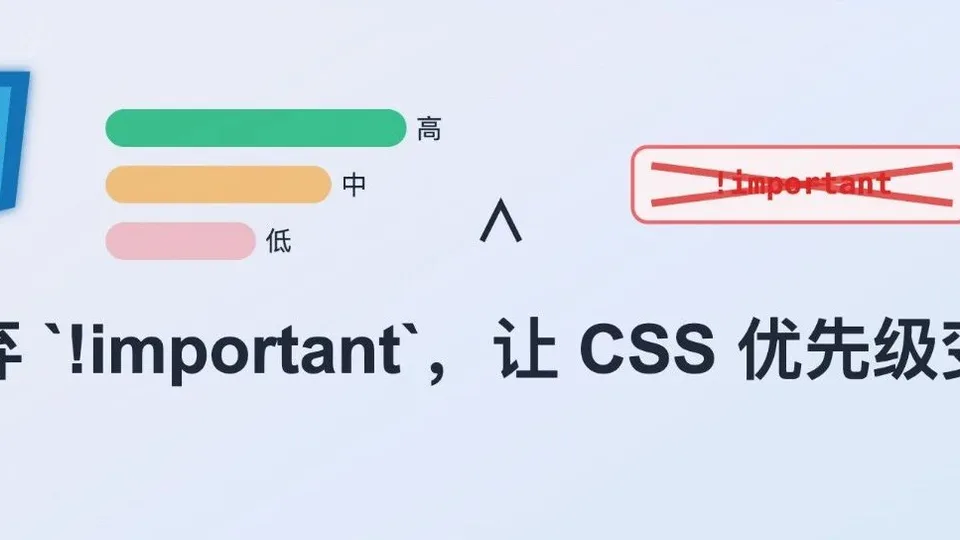
The article explains how excessive use of the !important declaration creates CSS specificity wars, makes styles hard to maintain and debug, and offers practical techniques—including ID selectors, selector chaining, attribute selectors, repeated selectors, pseudo‑classes, and BEM architecture—to manage specificity responsibly.
This article details how a team tackled frequent video playback stutter on an internal learning platform by evaluating multiple player options, optimizing encoding parameters, adopting HLS streaming, and implementing a front‑end chunked upload workflow, ultimately reducing load times from several seconds to under one.
The article explains the hidden pitfalls of using JSON.parse(JSON.stringify(obj) for deep cloning in JavaScript—such as circular references, loss of special types, prototype chain, and collection handling—and introduces the native structuredClone API as a more reliable alternative.
The article examines Vite's evolution from a clever dev‑experience enhancer using esbuild and Rollup to a fully re‑architected platform with Rolldown, Oxc, and a shared AST, explaining how these changes reflect a deeper strategic move toward a self‑contained, stable, and sustainable frontend infrastructure.
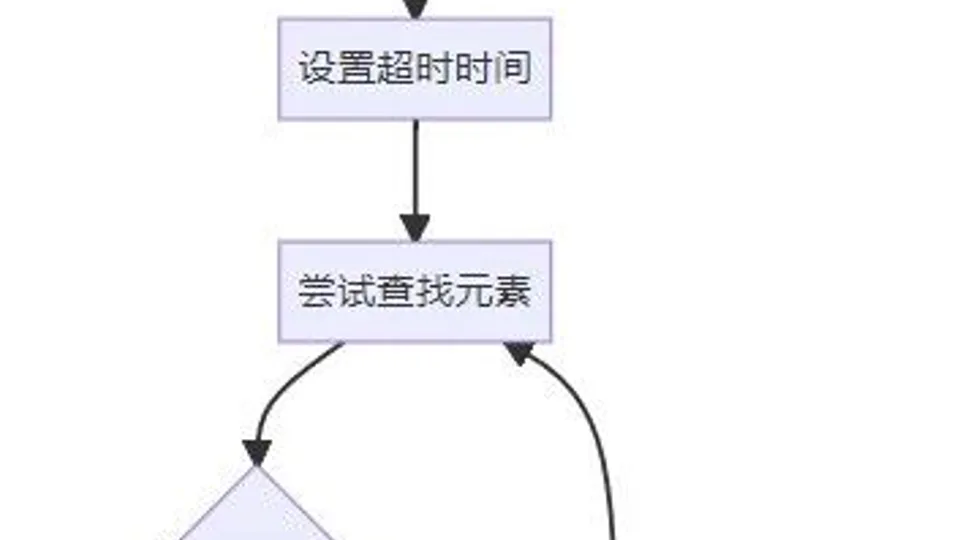
This guide explains how to determine whether a web element is visible on the screen during Selenium‑based Java automation, covering the basic isDisplayed() check, an enhanced visibility method that validates size, opacity and CSS visibility, strategies for dynamic, iframe and Shadow DOM elements, and practical best‑practice recommendations.
brow6el is a terminal‑only web browser that leverages the Sixel bitmap format and the Chromium embedded framework to deliver fully rendered pages, mouse input, bookmarks, download management, ad‑blocking, and Vim‑style navigation, offering a privacy‑focused alternative to AI‑laden mainstream browsers.
This article explains why automatic update detection is essential for web apps, compares polling version files with server‑push techniques like SSE and WebSockets, and provides practical implementation steps and UX guidelines for prompting users to refresh.
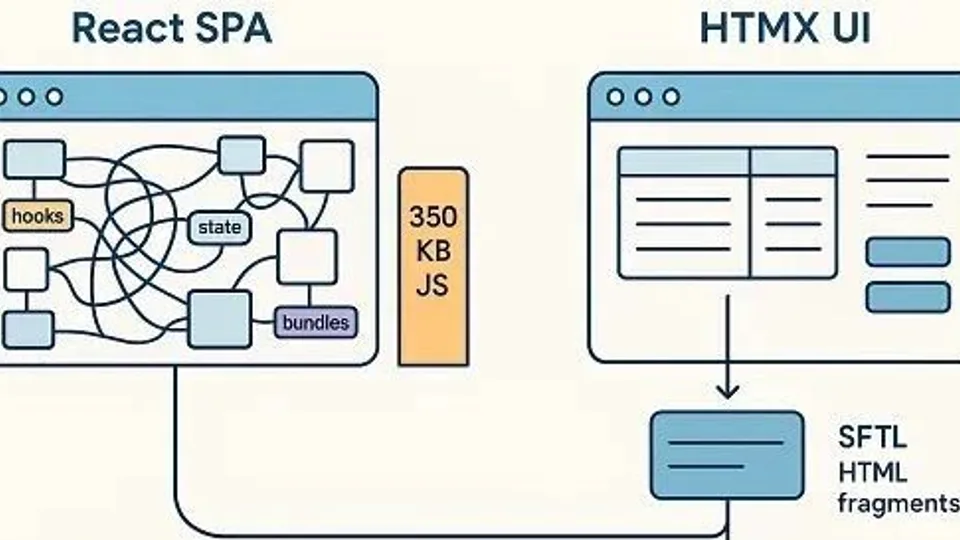
A team swapped a heavyweight React front‑end for HTMX, removing over twelve thousand lines of code, shrinking bundle size, speeding up first‑paint and interaction times, and shifting complexity back to the server while preserving functionality and improving developer onboarding.