Cactus is a lightweight, open‑source mobile AI framework that runs large language models locally on iOS and Android without internet, offering chat, image recognition, and text‑to‑speech while consuming low resources, supporting older phones, and providing simple demo apps and Flutter integration for developers.
Learn how to identify and resolve performance issues in Jetpack Compose by using Layout Inspector, Stability Reports, and configuration files, understanding stable vs unstable parameters, applying strong skipping, and leveraging annotations and wrapper classes to achieve efficient UI recomposition.
This technical guide explains the underlying mechanisms of Android crash collection for both Java/Kotlin and native code, outlines a four‑step capture process, compares popular solutions, and provides concrete implementation details—including signal handling, minidump generation, and stack deobfuscation—to help developers reliably record and diagnose app failures.
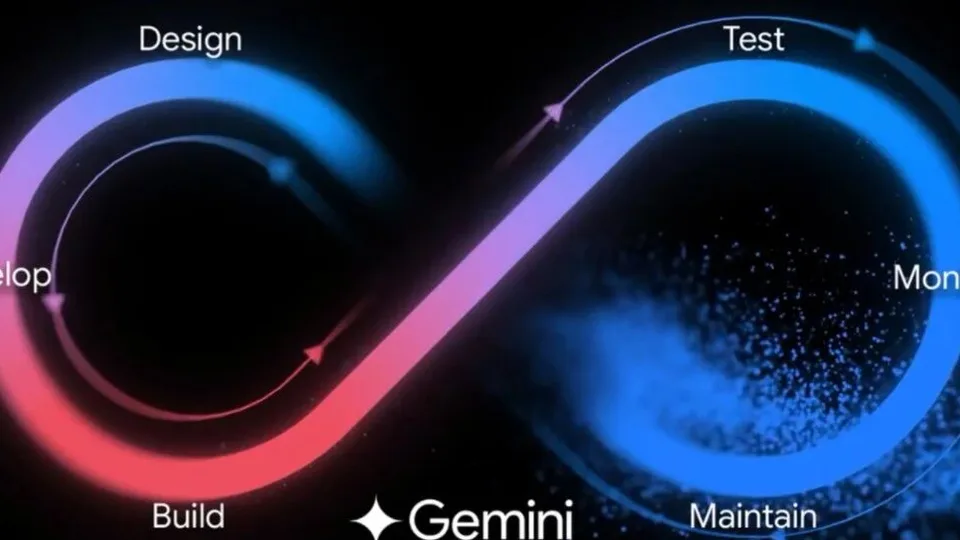
Gemini AI, now deeply integrated into Android Studio, acts as a full‑lifecycle UI development assistant—transforming design drafts into Compose code, auto‑generating previews, offering code explanations, optimizations, and project‑wide context configuration—dramatically speeding up Android app creation for both individual and enterprise developers.
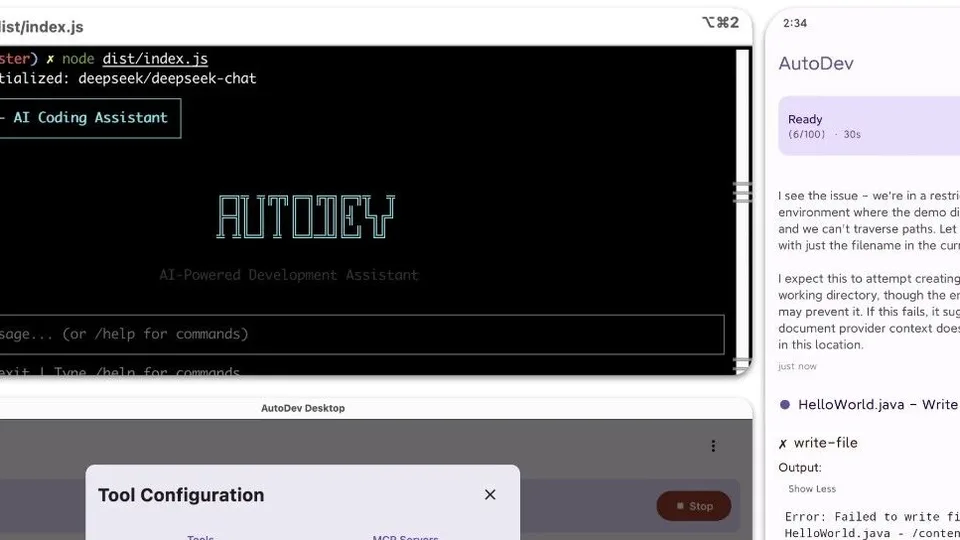
This article details AutoDev's latest multi‑platform refactor built on Kotlin Multiplatform and Compose, describing the MPP‑Core engine, CLI/TUI, desktop and mobile IDEs, the TreeSitter‑based CodeGraph for context compression, and invites developers to contribute via its GitHub repository.
This article explains why iOS apps experience UI lag, outlines common causes such as heavy UI rendering and synchronous network calls, compares three mainstream lag‑monitoring approaches (Ping thread, FPS, RunLoop), and details a RunLoop‑based solution that captures precise stack traces with minimal performance overhead.
Android 15 introduces 16KB memory pages, requiring native libraries to align accordingly; this change improves TLB efficiency, reduces CPU load, speeds up cold starts, and lowers battery consumption, while Google Play mandates compliance by November 2025, prompting developers to audit and rebuild affected .so files using provided tools.
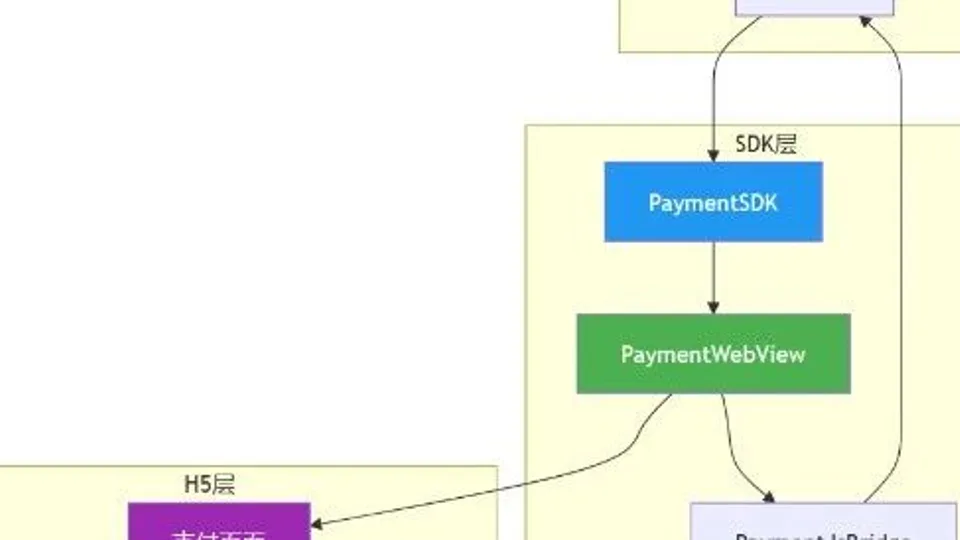
This article walks through the complete process of designing and implementing a secure, stable, and easy‑to‑use Android third‑party payment SDK, covering project background, technical challenges, layered architecture, core components, security mechanisms, memory management, UI design, performance optimizations, testing strategies, monitoring, and future roadmap.
This article explains why the same HDR image can appear dazzling on iPhone yet washed‑out on Android, detailing the underlying HDR technology, the divergent native formats (HEIF Gainmap vs JPEG/UltraHDR), and a cross‑platform solution that preserves high‑dynamic‑range details across devices and apps.
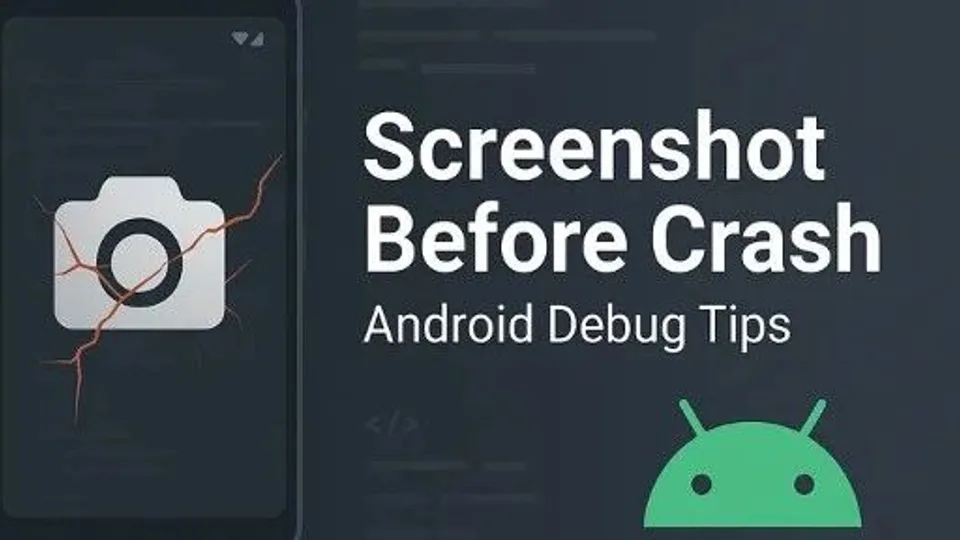
Capturing a screenshot right before an Android app crashes provides visual context that speeds reproduction, clarifies UI/UX conditions, saves debugging time, and bridges communication between developers, QA, and support, and this guide shows how to implement it using UncaughtExceptionHandler, ActivityLifecycleCallbacks, PixelCopy, and Kotlin code.
This guide explains why Apple now mandates UIScene for all UIKit apps built with the latest SDK after iOS 26, how UIScene differs from the traditional UIApplicationDelegate model, and provides step‑by‑step instructions—both automated and manual—for Flutter developers to migrate their iOS projects and plugins.
Androidify lets users create personalized Android robot avatars by uploading selfies and using AI-powered image verification, description generation, and custom rendering, with the app built on Jetpack Compose, CameraX, Firebase AI Logic, Gemini, and ML Kit, available on both web and Google Play.
The ITU‑approved L.1004 fast‑charging standard, created by China’s ICT research institute together with Huawei, vivo, OPPO and others, unifies disparate proprietary charging protocols into a single interoperable solution, promising universal 40 W (and higher) fast charging across smartphones, tablets and power banks while reducing waste and safety risks.
This article details how JD Finance re‑engineered its complex chart rendering pipeline on the mobile app by integrating Apache ECharts via a custom WebView, introducing a reusable cache, automatic retries, and performance measurements that cut first‑screen rendering time by 200 ms and raised success rates to near 100 %.
This article details JD Finance's iOS app chart rendering challenges, the integration of Apache ECharts via a custom ROMA WebView, cache design, data communication between Native and WebView, and performance gains achieved through automated retries and WebView pooling.
This article explores the challenges of traditional Android APM integration and presents a comprehensive, non‑intrusive bytecode instrumentation approach—using Gradle plugins, AGP APIs, and ASM—to automatically collect user behavior, network, performance, crash, and WebView data without modifying application source code.
Learn how to monitor and analyze crashes in HarmonyOS Next by handling native C/C++ signals and ArkTS/JavaScript errors, using hiAppEvent watchers, simulating crash scenarios, and leveraging build artifacts such as source maps, debug .so files, and nameCache for precise stack trace reconstruction and improved app stability.
This article explains two Android Canvas spray‑effect techniques—one using Gaussian blur and another using fog‑image masks—detailing their challenges, implementation steps, full source code, performance trade‑offs, and tips for fixing density issues.