The article presents a comprehensive guide to building a free open‑source short‑drama mobile app, detailing functional modules, immersive player, personalized recommendations, social interactions, monetization models, and a full tech stack—including Flutter or React Native for the front‑end, micro‑services backend, CDN, and DRM—while addressing high‑concurrency and cross‑platform challenges.
The article traces how ByteDance’s limited‑release Doubao phone assistant reuses SmartisanOS’s deep‑customized Android code, revealing three layers of inherited assets, the system‑level AI‑assistant architecture, security concerns, and the broader implications for the future of mobile operating systems.
The article explains that administrators cannot unbind themselves and must find a replacement, while non‑admin developers can unbind their WeChat mini‑program by using the Public Platform Security Assistant service and following a series of illustrated steps.
This article details the design and implementation of an Android ad‑monitoring platform that controls multiple devices concurrently, automates app interactions, uses OCR for ad detection, and provides real‑time status monitoring via a floating window, while covering architecture, core modules, communication strategies, and performance optimizations.
This article explains the parallel loading technique used in the H5 instant SDK to accelerate page startup, details the three resource‑handoff scenarios that cause synchronization challenges, reviews the early simple design and its drawbacks, and presents an optimized producer‑consumer model with fair locks and bridge streams to eliminate wasteful waiting and memory consumption.
This article explores HarmonyOS 6's four core development capabilities: the 'one-to-many' multi-device adaptation framework, AI agent integration via Xiaoyi platform, UI Design Kit for native-grade interfaces, and Live View Kit for real-time system-level notifications, with code examples and implementation guides.
The article outlines a complete open‑source architecture for a short‑video platform, detailing front‑end player features, personalized recommendation, multi‑mode playback, social interactions, monetization models, cross‑platform technology choices, backend micro‑services, CDN, caching, security, and solutions to high‑concurrency and synchronization challenges.
This guide explains what Dart is, outlines its multi‑platform use cases, and provides step‑by‑step installation commands for Linux, macOS, and Windows, plus environment‑variable configuration, enabling developers to start building Dart‑based applications across devices.
This article details the integration and optimization of Amap Flutter plugins (amap_flutter_map, amap_flutter_location) in an OpenHarmony project, covering Clean Architecture layering, tile caching, memory management, cross-platform adaptations for Android/iOS, error handling, and a complete HarmonyOS bridge/adapter implementation in ArkTS.
An Android IoT client repeatedly timed out because OkHttp reused stale TCP connections, leading to EOF and socket reset errors, and the fix was to disable the connection pool after discovering the server's keep‑alive timeout was only a few seconds.
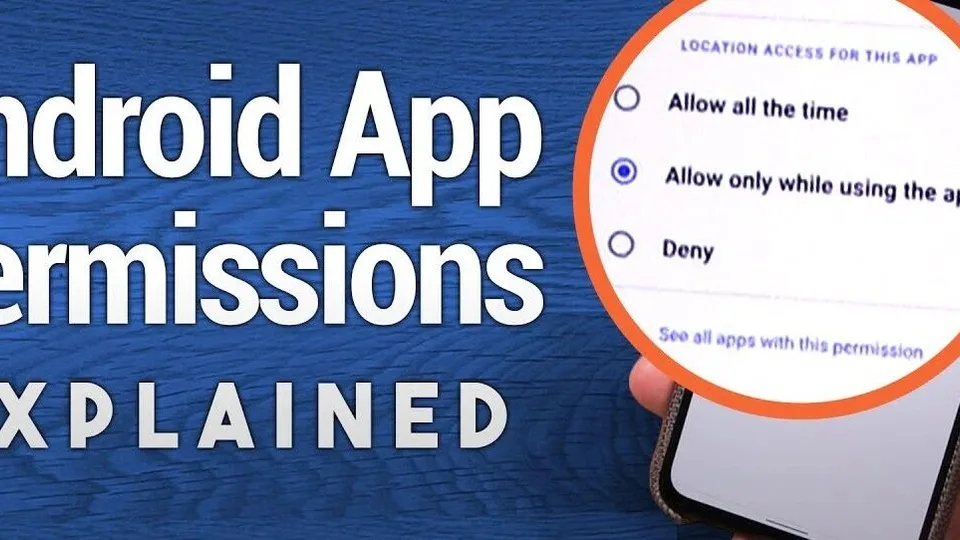
Learn how Android 14 and newer versions refine permission handling, covering runtime requests, background location, notifications, Bluetooth, media access, foreground services, and UX best practices, with Kotlin code examples and step‑by‑step guidance to ensure compliance and optimal user trust.
This article explains the technical design of an ambient mode that fills video black bars with dynamically extracted dominant colors, covering video frame sampling, median‑cut color quantization, Android and iOS rendering pipelines, gradient animations, and performance optimizations.
The 2025 Bugly HarmonyOS Quality Report analyzes system version adoption, device distribution, crash and freeze rates across industries, identifies top stability issues such as memory leaks and main‑thread blocking, and offers concrete optimization recommendations for developers seeking better app performance.
Androidify is an open‑source Android app that transforms user selfies into personalized Android robot avatars by combining Jetpack Compose UI, Firebase backend, and Google’s Gemini and Imagen AI models, offering developers a concrete example of AI‑driven mobile development.
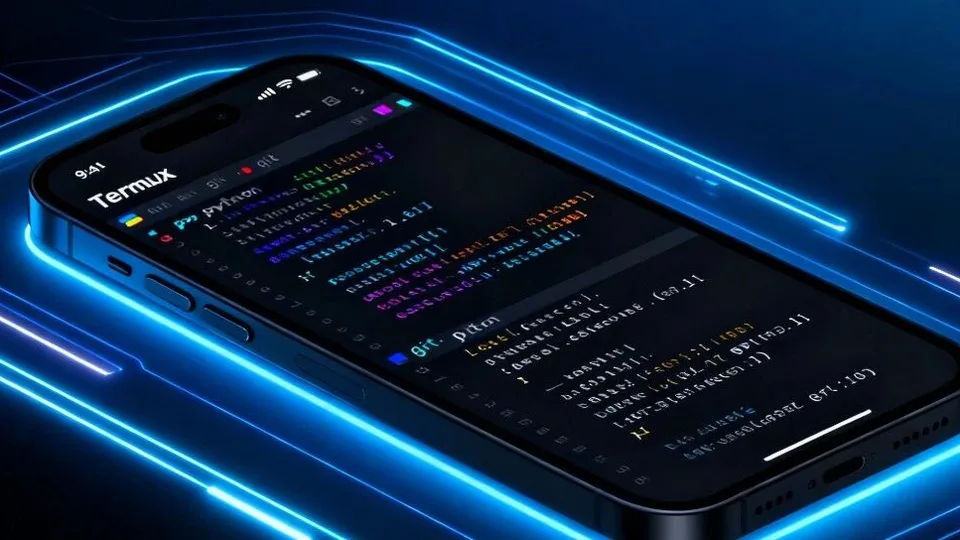
This guide shows how to install and configure Termux on an Android device to create a full‑featured Linux development environment, covering package sources, essential tools, Git workflow, Python, Jupyter, SSH, editors, Termux:API, Zsh, tmux, and common troubleshooting steps.
Even with 7000‑10000 mAh batteries, many Android users still face rapid drain because background apps misuse WakeLock, and Google’s upcoming policy will penalize excessive power usage by defining clear thresholds and enforcing warning labels on offending apps.
This guide walks Android developers through the concepts, tools, and step‑by‑step code needed to render video frames with OpenGL ES, apply custom shaders, and optionally build a custom FFmpeg‑based player for advanced animation effects.
This article details how Alipay's engineering team built an AI‑Agent‑powered coding assistant for Kotlin Multiplatform (KMP) native cross‑platform development, covering architecture, UI generation from designs and images, RAG‑based knowledge retrieval, crash analysis, and future directions for AI‑driven software engineering.
Valdi is Snapchat's open‑source TypeScript‑first UI framework that compiles TSX to native iOS, Android and macOS views, offering React‑like developer experience, millisecond hot reload, native‑level performance, and a detailed comparison with React Native and Flutter.
This article explains the challenges of Android app crashes and presents a comprehensive, cloud‑native solution that captures both Java/Kotlin and native crashes, details the underlying mechanisms such as UncaughtExceptionHandler, signal handling, minidump generation, stack unwinding, and offers practical guidance for integrating reliable crash reporting into mobile applications.