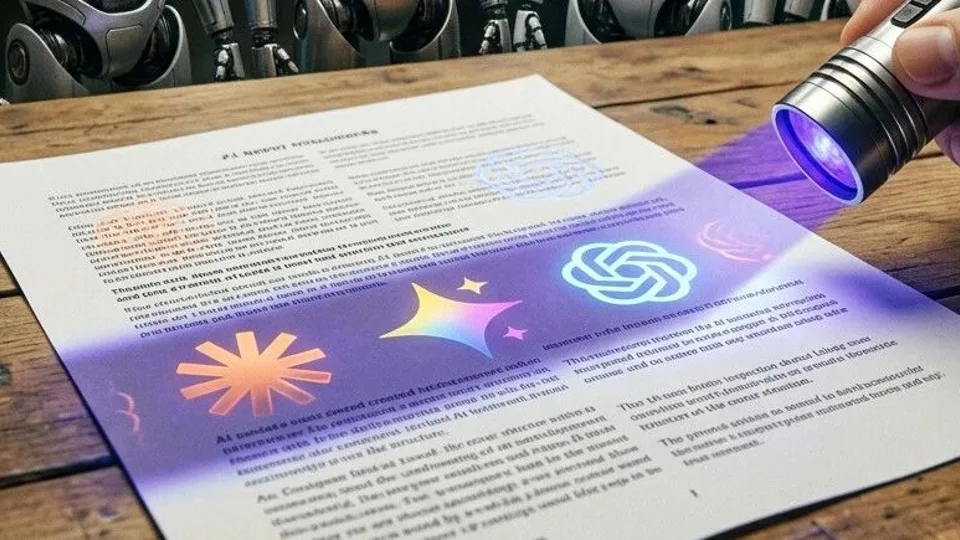
Following the EU’s AI‑Generated Content Transparency Code of Conduct, major AI firms including OpenAI, Anthropic, Google, Meta, and Microsoft have pledged to embed machine‑readable watermarks in text, images, audio, and video, with Claude’s implementation detailed—showing invisible tags, C2PA metadata, global rollout, and early detection studies.
A recent Pangram study analyzing over one million posts reveals that AI‑generated junk content dominates long‑form social media, with LinkedIn, X, Medium and Reddit showing high percentages, while the company’s detector boasts low false‑positive rates and calls for better user awareness.
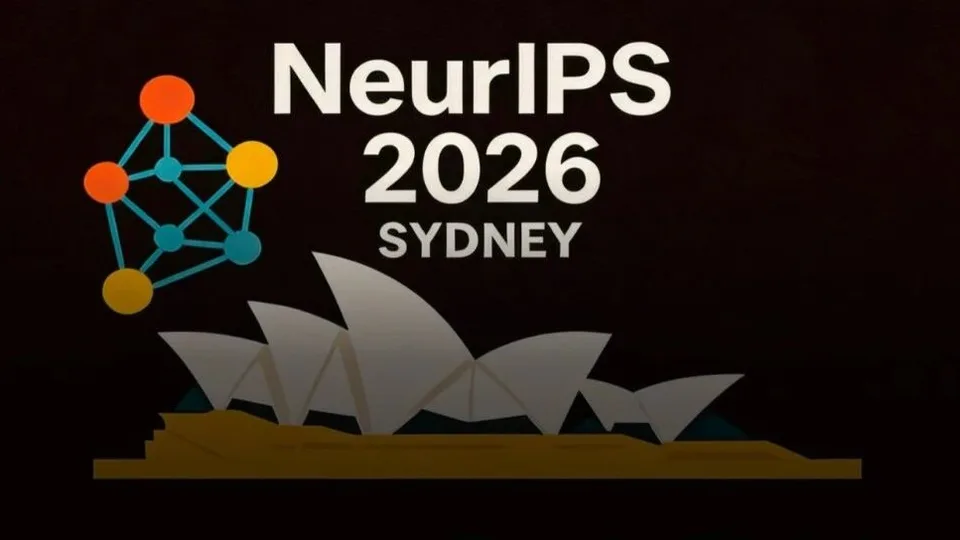
NeurIPS 2026’s Position Paper Track now uses the closed‑source Pangram AI detector to reject or flag submissions, sparking debate over circular reasoning, false‑positive rates, policy enforcement, and the broader fairness of relying on opaque AI tools for academic review.
Learn practical techniques to make AI‑written content feel personal—by injecting your own catchphrases, adding unique scenario details, and rigorously reviewing the output—so it retains your voice and passes AI detection tools.
The article introduces the “Coherence Trap” problem caused by large‑language‑model‑crafted narratives, presents the 440k‑pair MDSM multimodal deep‑fake dataset, and details the lightweight AMD detection framework that outperforms existing SOTA models across multiple benchmarks, highlighting its efficiency and real‑world security impact.
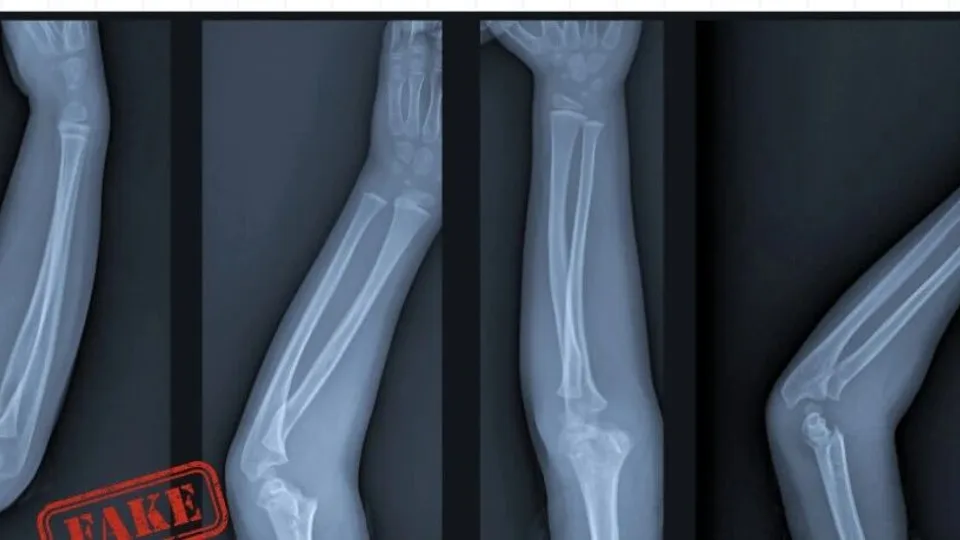
Generative AI tools like DALL·E, Midjourney and deep‑fake platforms are enabling criminals to create highly realistic images, videos and documents, leading to a surge in sophisticated insurance fraud across auto, property, health and life lines, and forcing insurers to overhaul detection and regulatory practices.
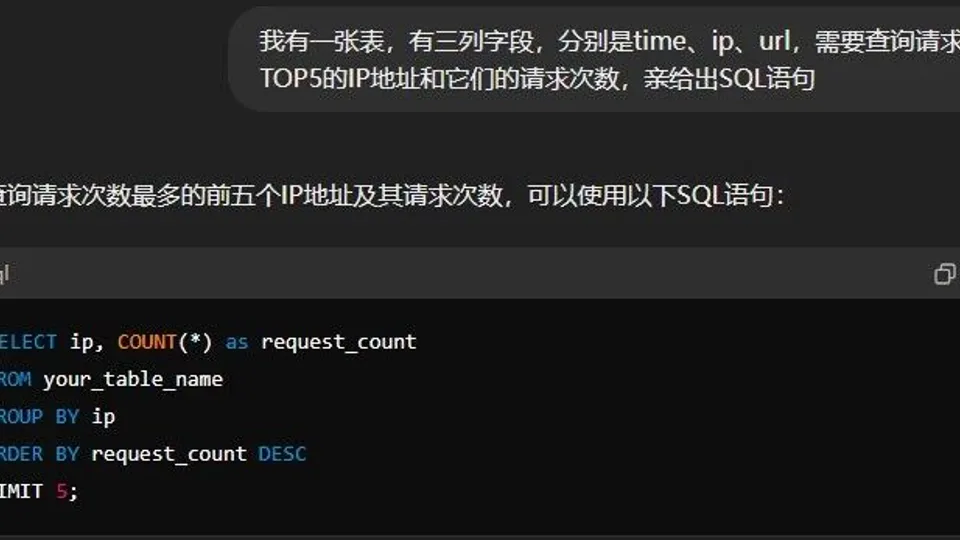
During a phone screening I noticed a candidate’s delayed yet suddenly polished answers, especially a textbook‑style SQL query, which matched GPT output exactly, leading me to suspect and confirm the use of AI in the interview.
Researchers from Peking University and Huawei present a multiscale positive‑unlabeled learning framework that significantly improves detection of AI‑generated short and long texts, addressing the difficulty of distinguishing AI‑written content from human writing and outperforming existing baselines on multiple benchmarks.
OpenAI released an AI text classifier that predicts whether a passage was generated by AI, but its accuracy is limited—especially for short texts—so the article examines its training data, performance metrics, practical tests, comparisons with other detectors, and discusses broader implications for plagiarism and content creation.
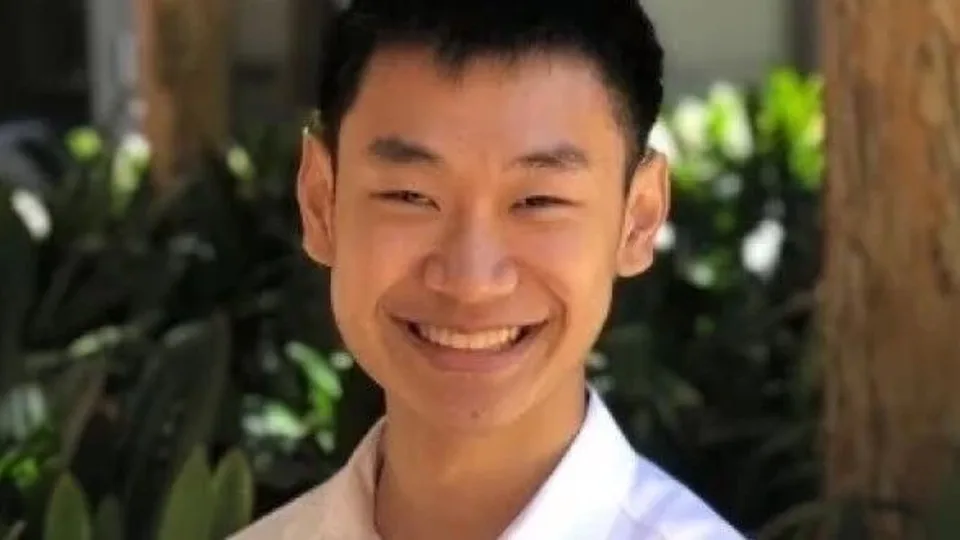
A Princeton senior created GPTZero, a free tool that uses perplexity and burstiness metrics to quickly tell whether a passage was written by a human or by ChatGPT, sparking massive user interest and raising ethical questions about AI transparency.
AI-powered moderation tools now scan text, images, live streams, and short videos, using techniques like TextCNN, Word2Vec, attention‑based classifiers, multi‑label sampling, and real‑time audio analysis to detect pornographic and harmful content, while emphasizing continual model updates and sample collection for both small and large platforms.