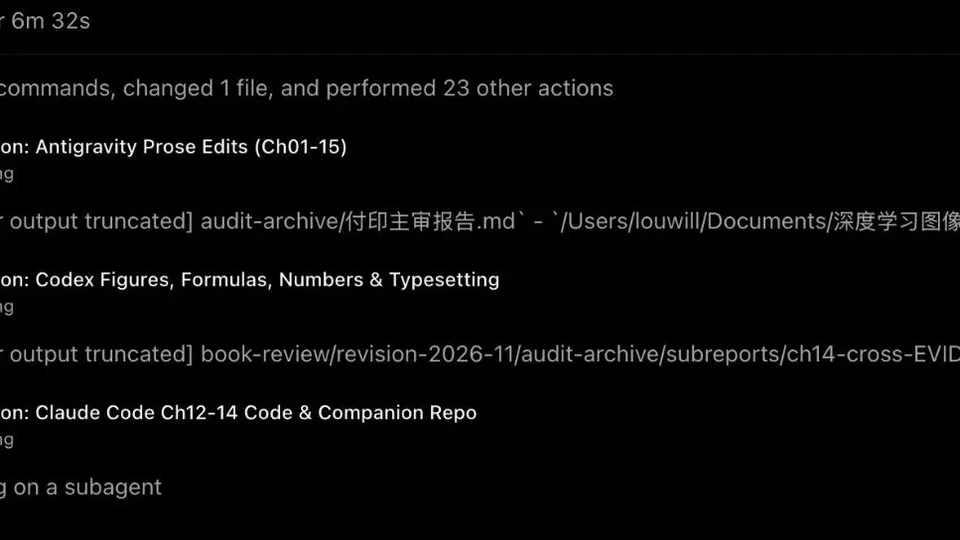
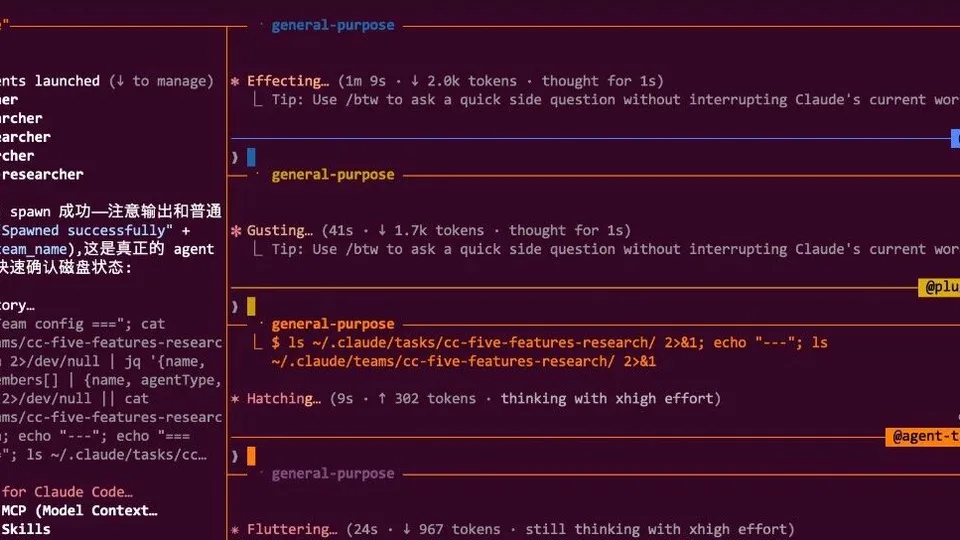
This article analyzes Aperant v2.7.6, a tool that adds task boards, planning, QA agents, and human review to Claude Code's parallel sub-agents, showing how solo developers can orchestrate AI-driven development workflows while noting isolation limits, licensing, and cost considerations.
The article explores T3 Code's delegate_task feature, which enables local coordination of multiple AI coding agents (Claude Code, Codex, Antigravity, Grok) through clean context handoff (no parent history), git worktree isolation, event-driven wake-up, and a local MCP server that abstracts CLI differences, demonstrated via a real-world token-alert implementation and a writing project.
A Xiamen University advertising student developed dsh-agent-compare, an open-source DeepSeek Harness plugin that runs 2-4 AI agents in parallel using Git Worktrees, supports blind selection of model outputs, automated verification via lint/test/build, and interactive web previews, reaching 335K npm downloads in under a month.
DeepSeek Harness v0.2.3-alpha.1 introduces a task timeline for agent progress visibility, a dedicated code review page for GitHub/GitLab PRs, a plugin marketplace supporting private Git repositories, Windows support for Computer Use, seven new connectors including Feishu and DingTalk, MCP tool lazy loading to reduce token usage, and Git Worktree improvements for multi-agent development.
VS Code 1.146 introduces a Codex-like Agents window with Git Worktree isolation, cron-scheduled Automations, an Inbox mode for managing concurrent agent sessions, and a new Agent Host Protocol that lets users run Copilot, Claude, and Codex models side-by-side in background processes.
After two weeks of testing OpenIDEA, a Rust-based IntelliJ alternative, the author adopts it as their daily driver for its sub-second startup, sub-200MB memory footprint, full Spring Boot integration, first-class Git worktree UI, and built-in MCP server for AI coding agents.
T3 Code is an open-source orchestrator that unifies AI coding agents like Claude Code, Codex, and Cursor into a single dashboard with web, desktop, and mobile access, enabling model switching within threads, sub-agent delegation, remote approval via phone, and Git worktree integration, while noting caveats like default permissive permissions and early version status.
The article reviews IntelliJ IDEA 2026.3, highlighting its shift toward AI Agent integration with the new Home view, Git Worktree support, and Air agent environment, while also covering debugging improvements like non-blocking logpoints, a libghostty-based terminal, remote SSH enhancements, and stability fixes, concluding with a comparison to the author's preferred Orca workflow and instructions to disable Air.
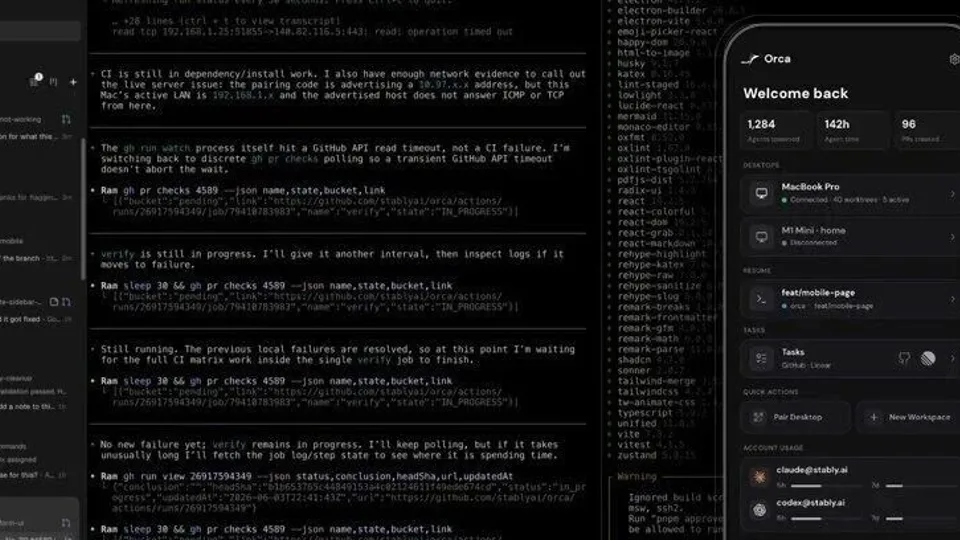
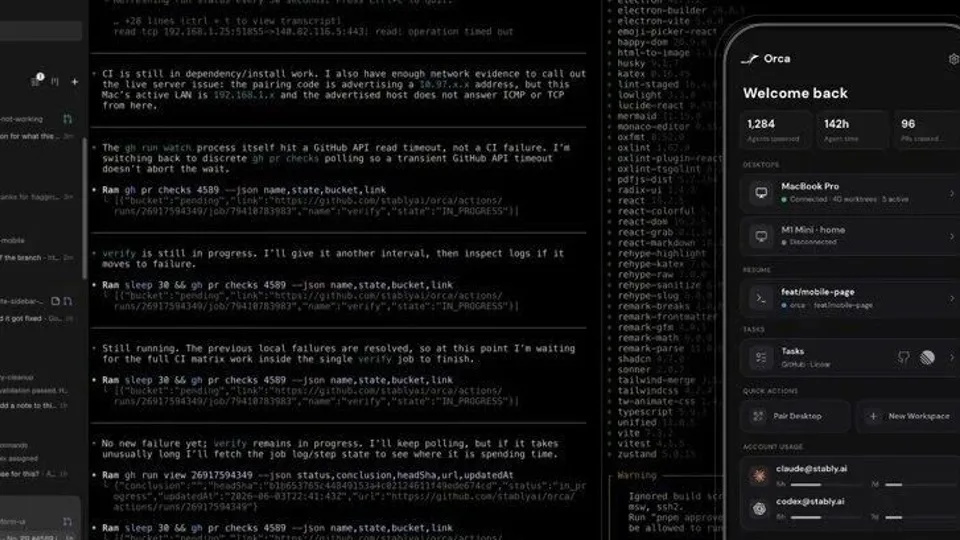
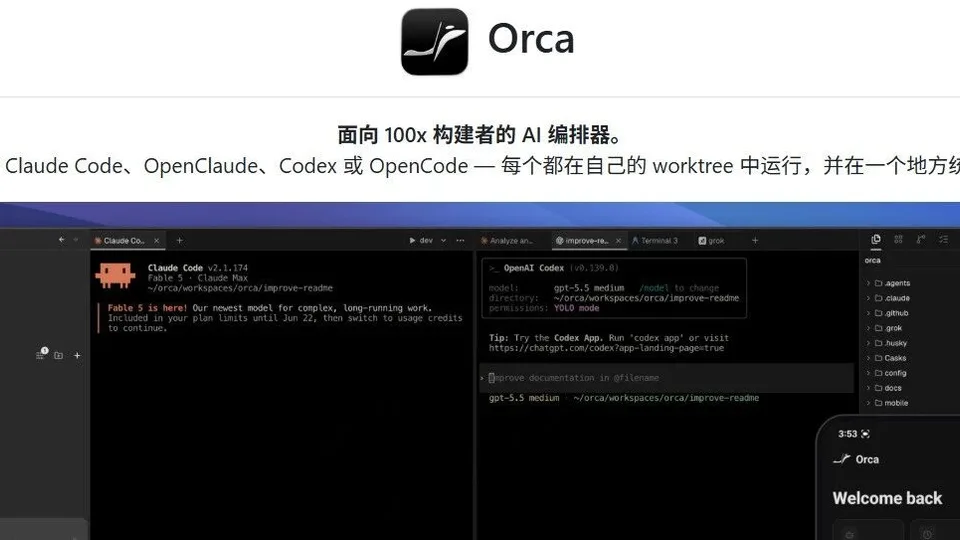
Orca is an open-source desktop IDE that unifies multiple AI coding agents like Claude Code, Codex, and Cursor CLI into a single window, using real git worktrees for parallel task execution, with built-in Design Mode for frontend editing, diff annotations, GitHub integration, SSH remote worktrees, mobile monitoring, and a CLI for workflow automation.
IntelliJ IDEA 2026.3 introduces an Agent-centric UI with Air, native Git Worktree support, improved debugging with persistent logpoints, and a libghostty-based terminal, yet the author prefers the external Orca environment and shows how to disable Air for a traditional coding experience.
JetBrains launches ThinkRail, a lightweight open-source IDE built around AI agents, featuring isolated git worktree workspaces, persistent SPEC.md memory, multi-model chat with cost tracking, and MCP compatibility, positioning it as a strategic response to Cursor and Claude Code.
JetBrains has open-sourced ThinkRail, a lightweight IDE that wraps the Pi coding agent with a graphical workspace featuring git worktree isolation, Monaco editor, turn-by-turn code review, and spec-driven development via markdown documents, enabling developers to manage AI-assisted coding tasks more efficiently.
Orca reaches 79K GitHub stars by orchestrating coding agents like Claude Code and Codex in isolated Git Worktrees, introducing the Agent Development Environment (ADE) concept that shifts developers from supervising single agents to managing parallel agent fleets with built-in diff review and state tracking.
After two years testing AI coding tools, the author recommends Codex for its instant interrupt feature, parallel agent execution via git worktree, persistent project rules via AGENTS.md, cloud-based background tasks, sandbox safety, and cost-effective model selection, while noting caveats like reasoning intensity limits and AGENTS.md size constraints.
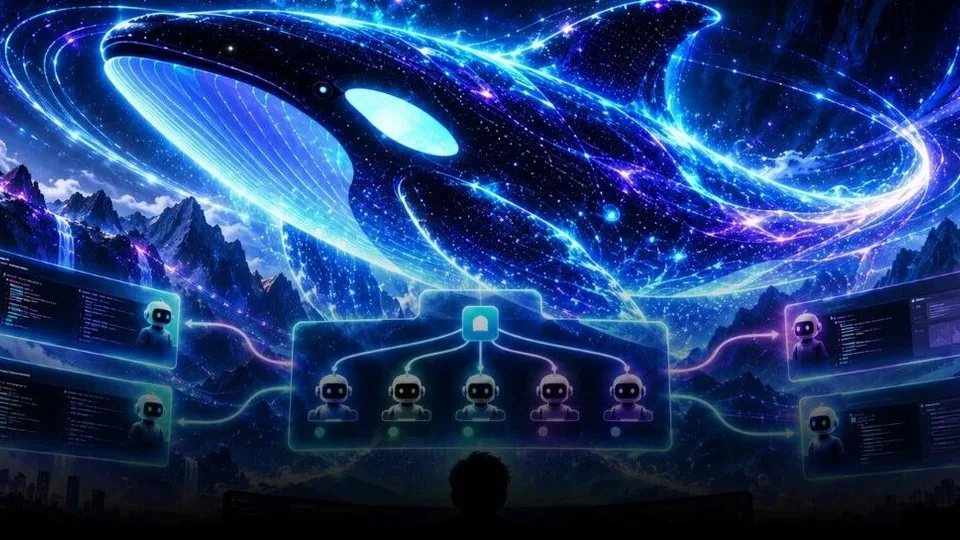
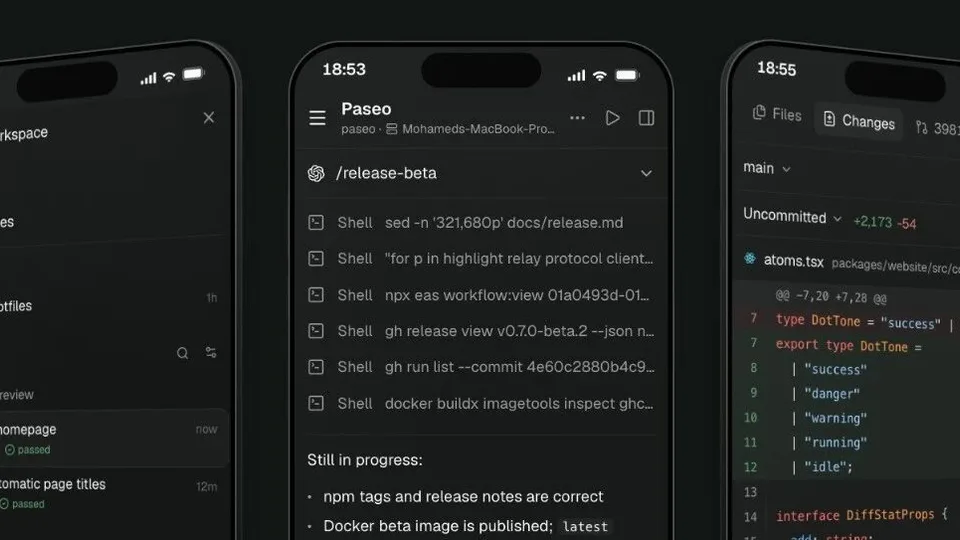
Paseo is an open-source, self-hosted orchestration tool that runs multiple AI coding agents in parallel using isolated git worktrees, supports multiple providers like Claude Code and Codex, and enables remote monitoring via encrypted relay, SSH, or Tailscale connections.
Orca, an Agent Development Environment (ADE) with 79K GitHub stars, orchestrates multiple coding agents like Claude Code and Codex by running each in isolated Git Worktrees, shifting developer focus from code generation to agent fleet management, task allocation, and permission boundaries.
The author presents a self-built framework that decomposes AI-assisted development into a fixed 12-stage pipeline — from requirement clarification to archival — each executed by a dedicated sub-agent orchestrated by a central Manager, with state persisted to disk, human approval gates at critical steps, and git worktree isolation for parallel requirements.
This article explains how Git Worktree solves workspace conflicts in AI-assisted development by providing isolated working directories that share a single repository, detailing creation workflows, advantages for parallel agent tasks, limitations like disk usage and toolchain compatibility, and best practices for integrating worktrees into AI coding platforms.
The article advocates a 'Build Wide, Ship Narrow' workflow where developers first build features broadly using AI assistants, then split the completed work into small, reviewable pull requests, enabling faster iteration, better code review, and incremental deployment while preserving design rigor.
SwarmForge, an open‑source local AI‑agent orchestration tool by Uncle Bob, uses Git worktrees, tmux and a standardized handoff daemon to isolate roles, prevent file clashes, automate start/stop and sleep handling, and offers three ready‑made pipelines that outperform cloud‑heavy frameworks like AutoGen and MetaGPT.
Agent Orchestrator is a local Go daemon and Electron desktop app that supervises up to 23 parallel AI coding agents by isolating each session in a Git worktree, monitoring terminals, and automatically routing PR, CI, and merge‑conflict signals back to the appropriate agent.
This lesson walks through configuring the cmux session manager, the superpowers skill‑sharing layer, and the OpenClaw orchestration engine to enable multiple AI agents to work in parallel, avoid serial bottlenecks, and coordinate their outputs through isolated worktrees and unified reporting.
Orca is an open‑source Electron‑based IDE that bundles Claude Code, Codex, OpenCode and other AI agents into a single window, offering git worktree isolation, Design Mode click‑to‑edit, diff annotation, GitHub/Linear integration, remote SSH worktrees, mobile monitoring, and a CLI for scripted workflows, while noting its heavy memory usage and rapid update cadence.
The article explains how Java developers can treat Codex as an engineering agent that executes complete, well‑scoped Spring Boot tasks—by defining project rules, isolating work in a Git worktree, crafting detailed prompts with acceptance criteria, and reviewing changes in stages—to save repetitive development effort.
This article explains why designing autonomous loops for Claude Code supersedes manual prompting, outlines the three loop forms, compares open‑ and closed‑loop architectures, details the ReAct and Reflexion foundations, and provides a step‑by‑step end‑to‑end example for automating daily issue triage with code snippets, tables, and practical design principles.
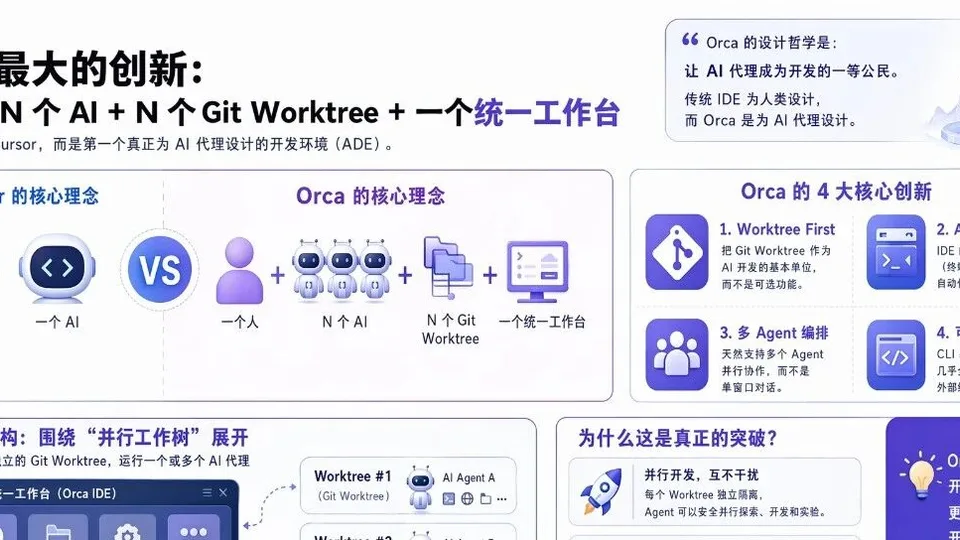
Orca is an AI‑native IDE that integrates multiple AI agents, Git worktrees, a browser, terminal and CLI to enable fully isolated, parallel development workflows, offering features such as Design Mode, SSH worktrees, mobile monitoring, and extensible skill plugins for advanced AI‑assisted programming.
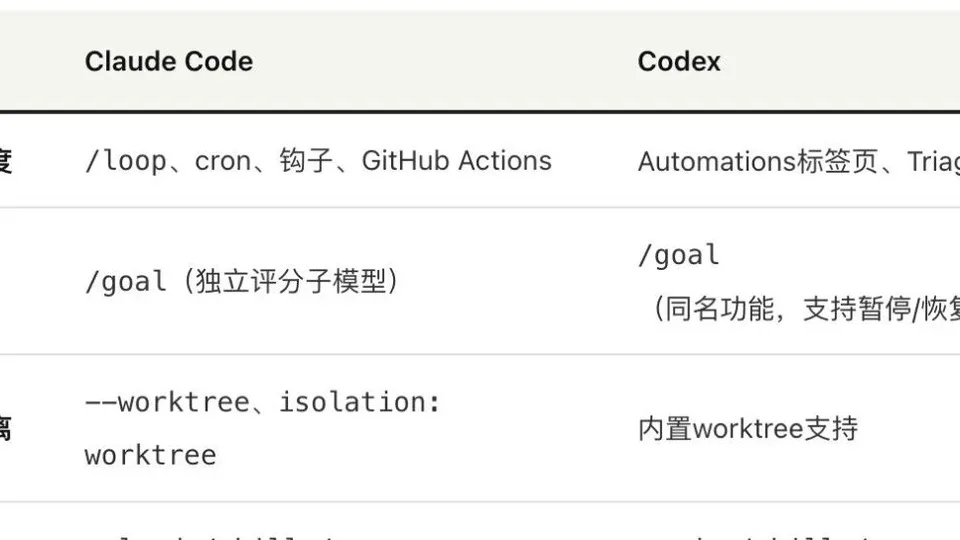
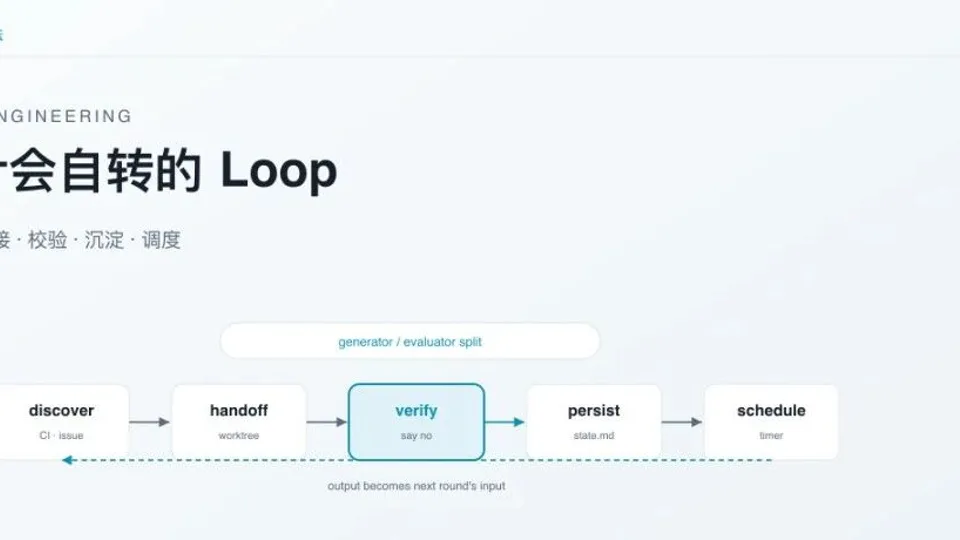
Loop Engineering replaces manual prompting with system‑designed loops that let AI agents iterate autonomously, covering its definition, origins, five core modules plus memory, a full‑stack example, experimental results, limitations, and a comparison between Claude Code and Codex.
OpenAI’s recent study shows that more than 10% of Java developers now manage three or more Codex agents at once, prompting a shift from single‑agent coding to a multithreaded, task‑splitting workflow that demands clear boundaries, isolated workspaces, and disciplined coordination.
The article dissects the IEEE‑style “Loop Engineering” playbook, showing how to move from ad‑hoc prompt writing to building repeatable, verifiable, stateful systems that automatically discover work, hand it to isolated agents, verify outcomes, persist state, and schedule the next run.
Orca is a free MIT‑licensed AI Agent development workbench that consolidates Claude, Codex, Cursor and other agents into a single window, automatically isolates each agent with Git worktrees, provides in‑line diff annotation, session archiving, a built‑in Chromium browser and mobile emulator, and thus removes the context‑switching pain of multi‑agent coding.
This guide explains how to safely and effectively use Claude Code by structuring CLAUDE.md, managing layered permissions, leveraging Auto Mode, Sub‑Agents, Skills, MCP, and Git worktrees, and adopting disciplined prompting and workflow practices to avoid project‑breaking mistakes.
The article compares Claude Code’s four parallel‑agent options—Subagents, Agent view, Agent teams, and Dynamic workflows—explaining their core difference (who decides), usage commands, limitations, token costs, and how to choose the best method based on coordination, communication, and file‑isolation needs.
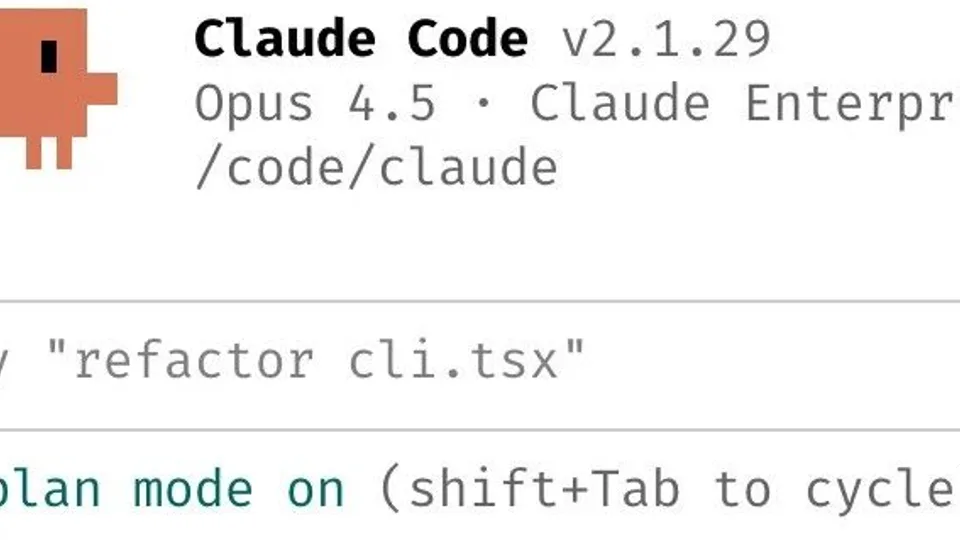
The author shares seven practical techniques to keep Claude Code effective, including keeping CLAUDE.md concise, using Plan Mode with Shift+Tab, running parallel sessions via git worktree, enforcing validation steps, clearing stale context, restricting dangerous commands in settings, and automating repeatable tasks with a SKILL.md file.
Using Git worktree to isolate AI‑generated changes lets Codex safely tackle multiple Spring Boot tasks—bug fixes, test additions, and validation analysis—without contaminating the main codebase, enabling clear diffs, easy review, and controlled integration, which the author argues is essential for engineering‑scale AI coding.
The author consolidates a categorized index of AI programming resources—including official CodeBuddy documentation, open‑source agents, monitoring utilities, workflow tools, code‑review plugins, Skills ecosystem, Git worktree strategies, AI builder feeds, community standards, and a recent research paper—providing practical selection guidance for developers.
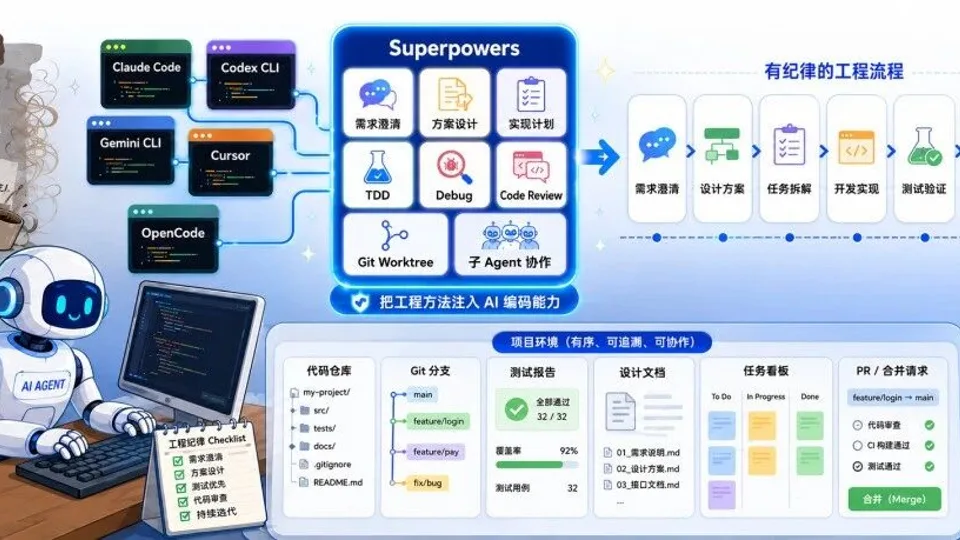
Superpowers adds a disciplined engineering framework to Claude Code by enforcing requirement clarification, test‑driven development, and isolated sub‑agent execution, turning AI‑generated code from flaky prototypes into traceable, maintainable software.
Superpowers is an open-source plugin that injects software engineering workflows—requirements clarification, design, TDD, code review, and Git isolation—into AI coding agents like Claude Code, forcing them to follow disciplined processes instead of just generating code.
This article walks through a real‑world project where Claude Code is used to initialize a CLAUDE.md contract, integrate a Milvus database SDK, generate table schemas, clear AI context, manage Git worktrees, and automate unit testing and bug fixing, demonstrating significant efficiency gains.
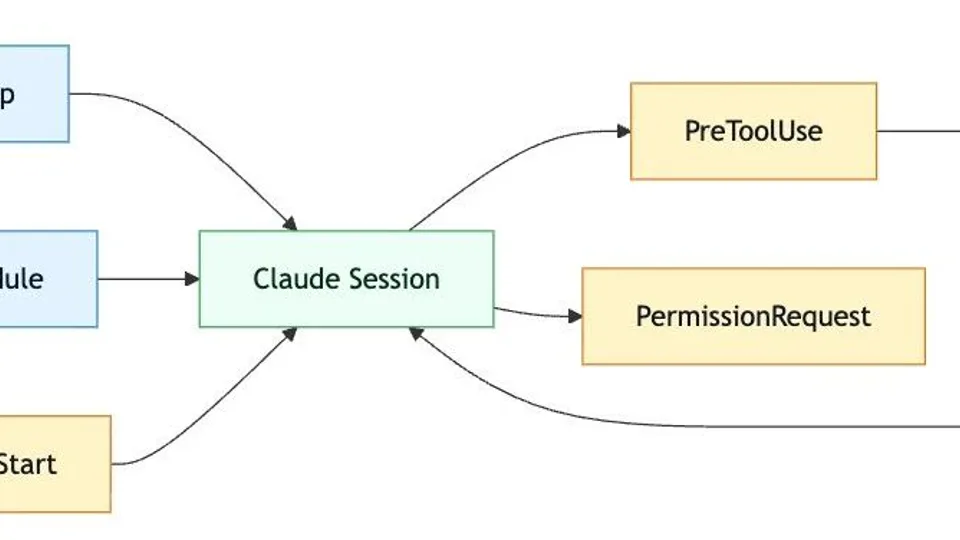
Claude Code’s new Agent View lets developers open a single terminal interface to launch, monitor, and control multiple AI coding sessions, offering commands for background tasks, a Peek preview panel, Attach deep‑dive mode, git worktree isolation, status icons, and a full shortcut reference, all without losing sessions when terminals close.
Superpowers is an open‑source Claude Code plugin that embeds a full software‑engineering pipeline—requirement clarification, design, development, testing, and two‑stage review—into AI‑assisted coding, using isolated sub‑agents and Git‑managed outputs to improve code quality and maintainability.
Even after mastering Superpowers' three‑step flow, developers can still crash due to wrong execution mode, loose quality loops, or unfinished branches, so this guide provides a decision checklist, quality pipeline, Git worktree isolation, and a default recipe to reliably deliver medium‑to‑large changes.
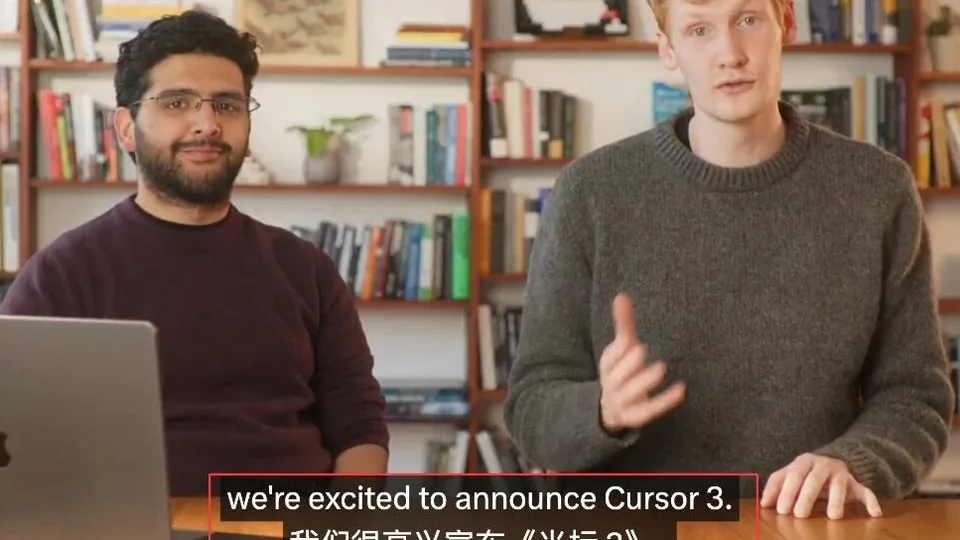
Cursor 3.0 completely rebuilds the editor UI to make AI agents the primary focus, introducing a dedicated Agents Window, design‑mode UI selection, a /best-of-n command for parallel model comparison, and isolated git worktree execution, while also adding enterprise‑grade controls and discussing trade‑offs and market positioning.
This article analyzes Claude Code’s hidden capabilities—verification loops, context isolation, session forking, cross‑device teleportation, automated cycles, and parallel worktree isolation—showing how engineers can turn the AI coding assistant into a full‑featured, orchestrated development environment rather than a simple chat‑based code generator.
Superpowers introduces a structured, Git‑worktree‑based AI development workflow that tackles plan deviation by combining brainstorming, automated planning, sub‑agent execution, mandatory TDD, and continuous back‑check, offering a practical alternative to simple plan modes and heavyweight frameworks.
JetBrains' IntelliJ IDEA 2026.1 introduces an AI agent marketplace, quota‑free smart completion, enhanced Git Worktree support, full Java 26 features, deep Spring tooling, Wayland as the default display protocol, and a system‑level recycle bin, turning the IDE into a developer cognition‑enhancing platform and justifying an immediate upgrade.
IntelliJ IDEA 2026.1 redefines the IDE as an open AI collaboration platform, introducing the ACP protocol for any AI agent, native Git Worktree sandboxing, database access, Spring runtime insights, and expanded community‑edition capabilities, dramatically reshaping developer workflows and toolchains.
Finishing code does not mean the work is done; the Superpowers workflow adds mandatory review, isolated Git worktrees, and a structured branch‑finishing step to turn a code change into a safe, verifiable, and fully delivered engineering outcome.
IntelliJ IDEA 2026.1 introduces the open ACP protocol for AI agents, native Git worktree support, direct database querying by agents, enhanced code completion without quota limits, Spring runtime insights, and brings many WebStorm capabilities into the free Community edition.
IntelliJ IDEA 2026.1 introduces the ACP open protocol for any AI agent, native Git worktree support, direct database querying by agents, enhanced code completion without quota limits, Spring Runtime Insight, and brings a full suite of web development features to the free Community edition, reshaping the Java development workflow.
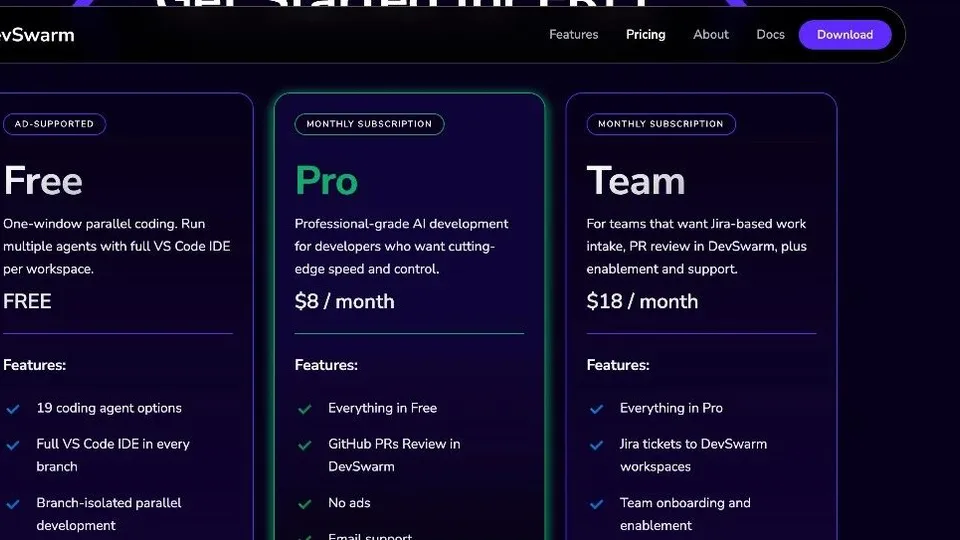
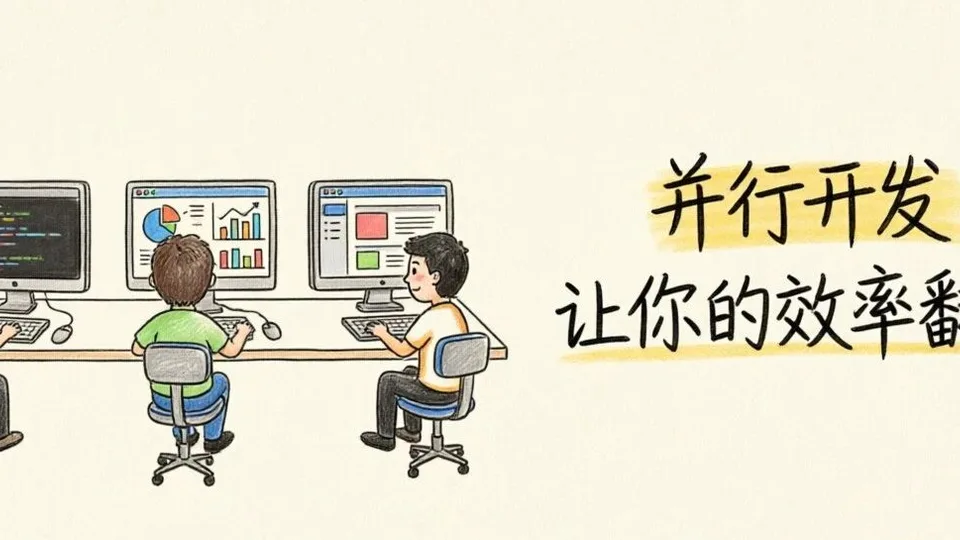
The article examines three practical approaches—Git worktree with multiple terminals, UI‑driven DevSwarm tools, and an orchestrator pattern—for enabling multiple AI agents to develop code concurrently, compares their trade‑offs, and offers guidance on selecting the right method for individual developers, teams, or bulk repetitive tasks.
This guide explains how to combine Git worktree with Claude Code to run multiple independent bugs or features in parallel, showing concrete examples, templates, best‑practice tips, common pitfalls, and measurable time‑saving results for developers seeking faster, more efficient workflows.
The article details how a solo developer used OpenClaw as an orchestration layer together with Claude Code, Codex and Gemini agents to automate the entire software development pipeline—from customer request to PR merge—achieving 94 commits in a day, 7 PRs in 30 minutes, and a production‑ready system for under $200 a month.
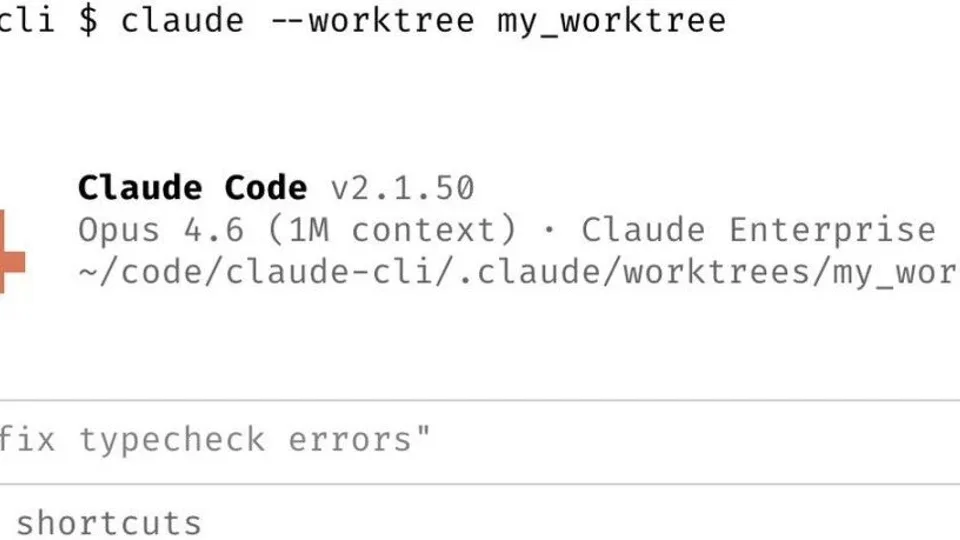
Claude Code’s new CLI integration of Git Worktree lets multiple AI agents operate in isolated workspaces within the same repository, eliminating branch conflicts, enabling parallel code refactoring, large‑scale migrations, and even side‑by‑side model comparisons such as the “cyber cricket” test by Vue creator Yuxi Yu.
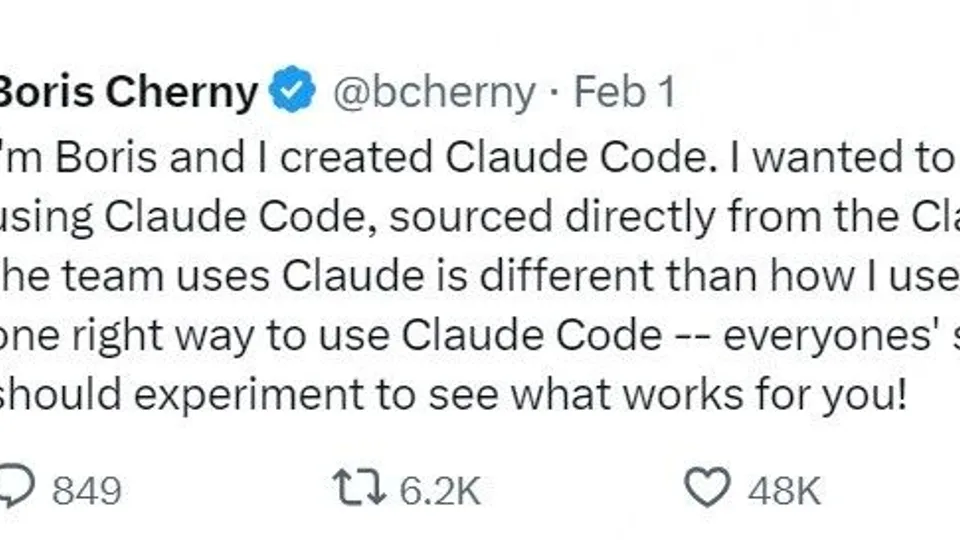
This guide translates and refines the Claude Code founder’s ten practical usage tips, covering parallel worktree sessions, plan‑mode workflows, CLAUDE.md maintenance, custom skills, automated bug fixing, prompt strategies, terminal setup, sub‑agents, data analysis, and learning techniques to help developers get the most out of the AI coding assistant.
The 2026.1 EAP 3 release of IntelliJ IDEA introduces several practical updates, including moving deleted files to the system recycle bin, deeper AI assistant integration with Roots and improved commands, automatic SQL dialect detection, enhanced Spring debugging, built‑in Git Worktree support, UI refinements, and numerous bug fixes across Java, Kotlin, Docker, and HTTP client features.
Discover ten practical techniques—from parallel Git worktrees and plan‑mode workflows to custom skills, sub‑agents, and advanced prompt engineering—that help you get the most out of Claude Code for coding, debugging, data analysis, and continuous learning.
This guide shares ten practical techniques—from parallel git worktrees and plan‑mode prompting to custom Skills, sub‑agents, and terminal tweaks—that let developers treat Claude as a fully orchestrated AI engineering system, boosting productivity and reducing manual coding overhead.
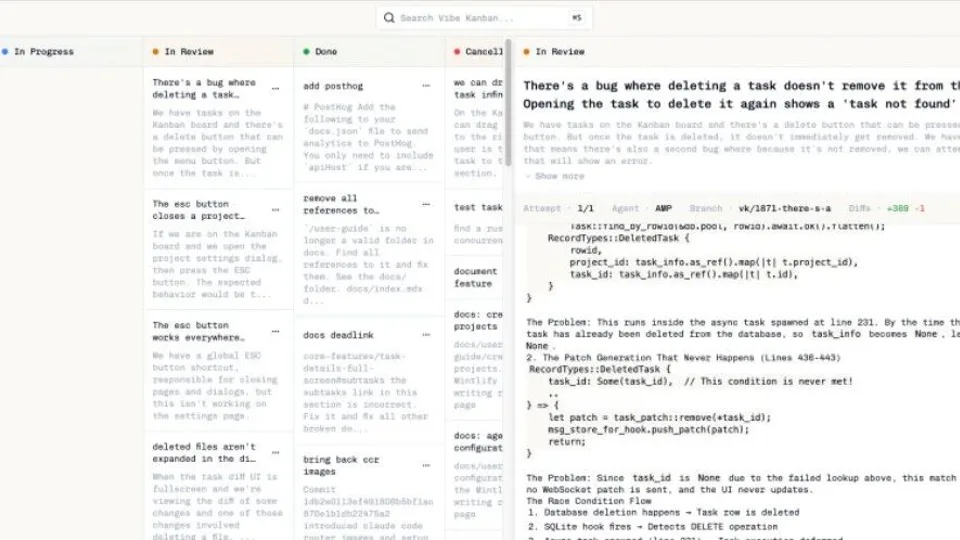
Vibe Kanban is an open‑source central dispatch system that lets multiple AI coding assistants work in parallel without file conflicts, offering visual reviews, Git Worktree isolation, and simple one‑command installation to dramatically boost developer productivity.
In just three weeks, I single‑handedly created a production‑grade Retrieval‑Augmented Generation (RAG) API with FastAPI, leveraging Cursor and Claude Code to automate coding, testing, and deployment, and I share practical insights on AI‑assisted development, high cohesion‑low coupling design, TDD, git worktree parallelism, and agent orchestration.
This article shares practical experiences and best‑practice recommendations for leveraging AI coding tools—especially Claude Code—including prompt engineering, task categorisation, context management, memory handling, command usage, and collaborative workflows to dramatically accelerate software development.
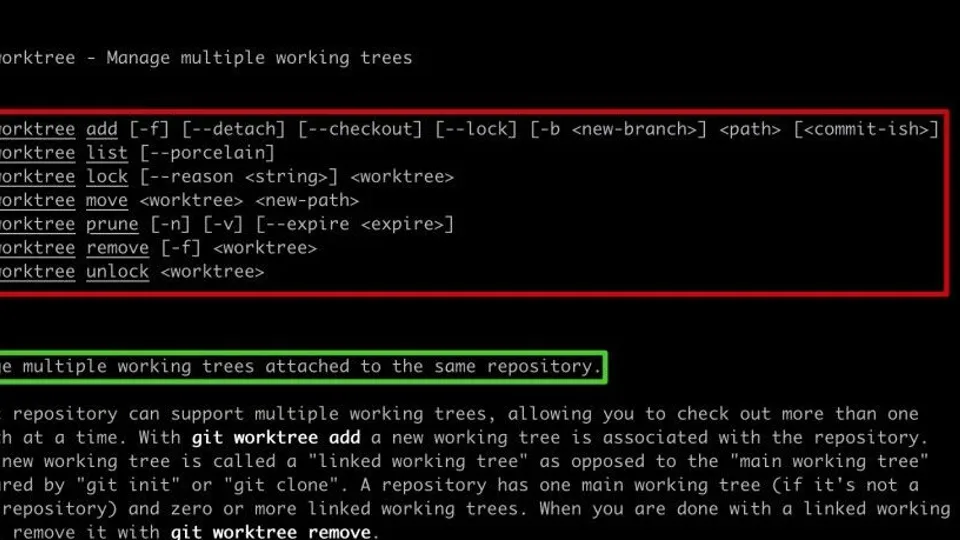
This article explains how Git worktree lets developers maintain a single repository while simultaneously working on multiple branches—such as features, hotfixes, or testing environments—without the overhead of cloning multiple repos, and provides practical commands and examples for effective workflow management.
This tutorial explains how bare Git repositories differ from non‑bare ones, shows how to create and configure a bare repo, and demonstrates an advanced Git worktree workflow that keeps all branch worktrees organized within a single project directory for seamless multi‑branch development.