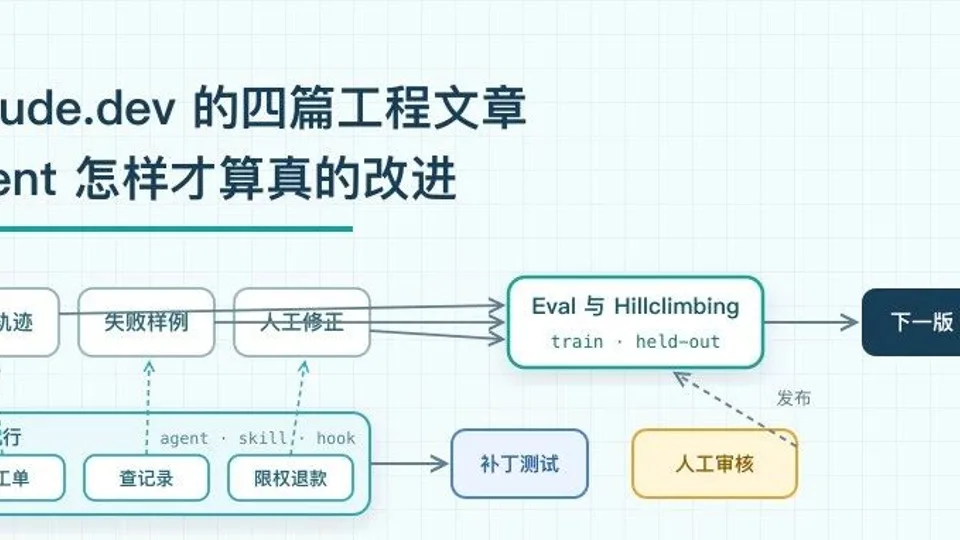
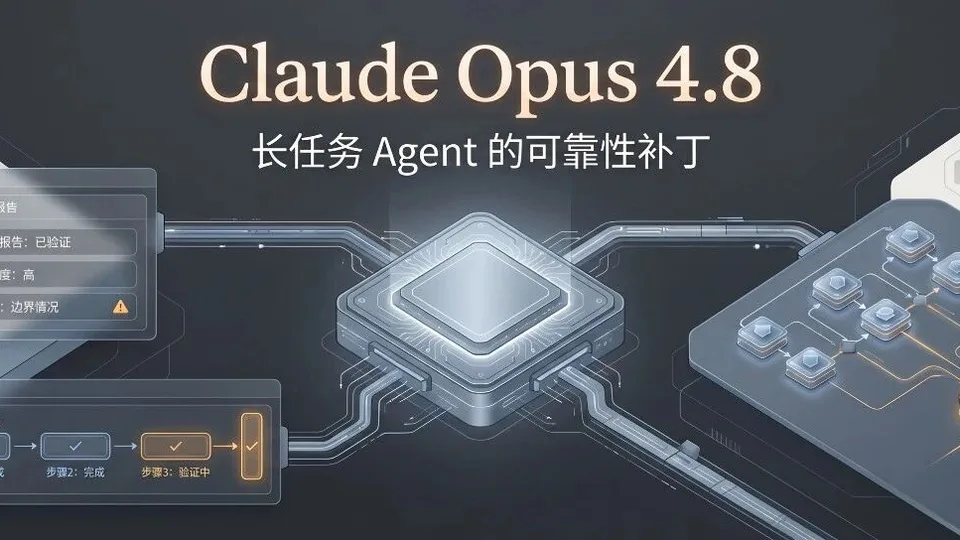
Using a subscription billing error as a case study, this article analyzes how to systematically improve AI agents through permission separation, task-specific skill management, reproducible error tracking, rigorous evaluation design, controlled hillclimbing optimization, and deployment validation — drawing on four Claude.dev engineering articles.
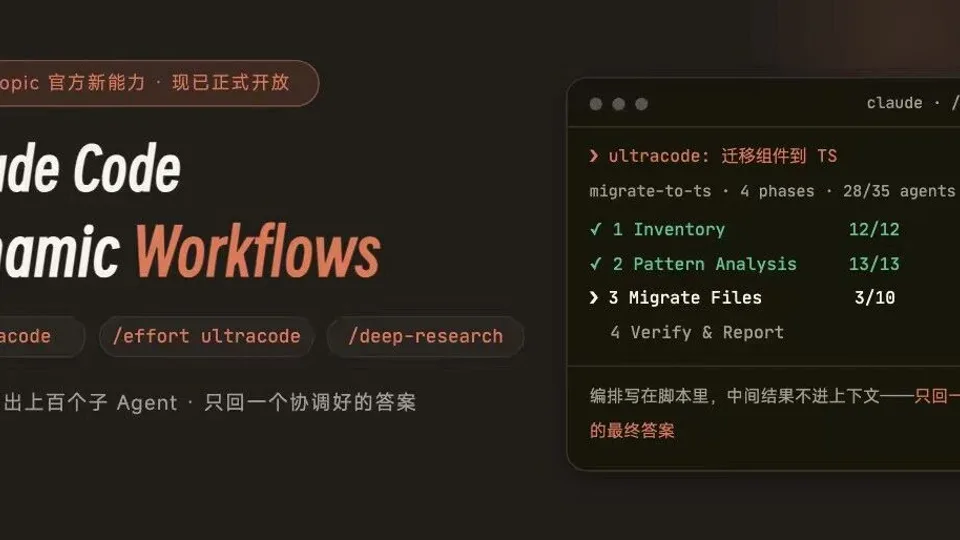
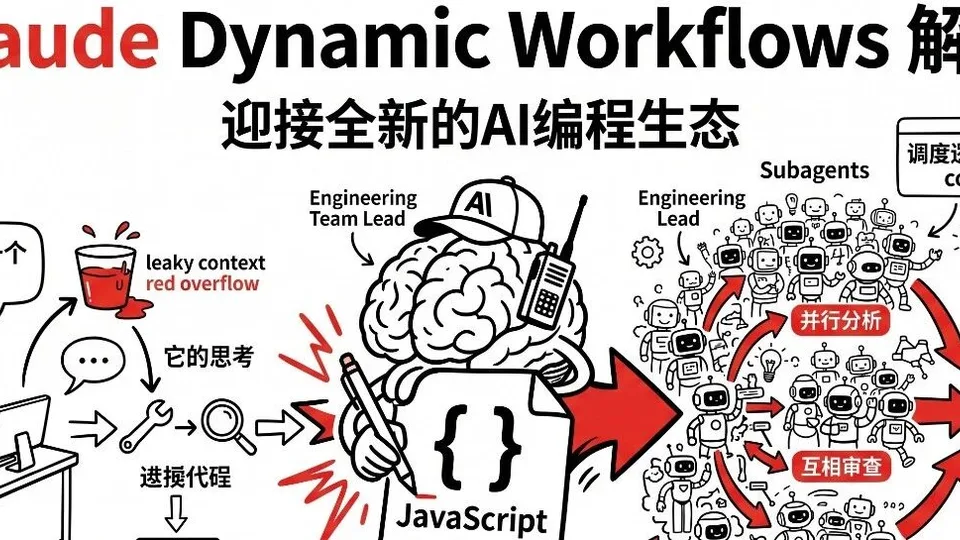
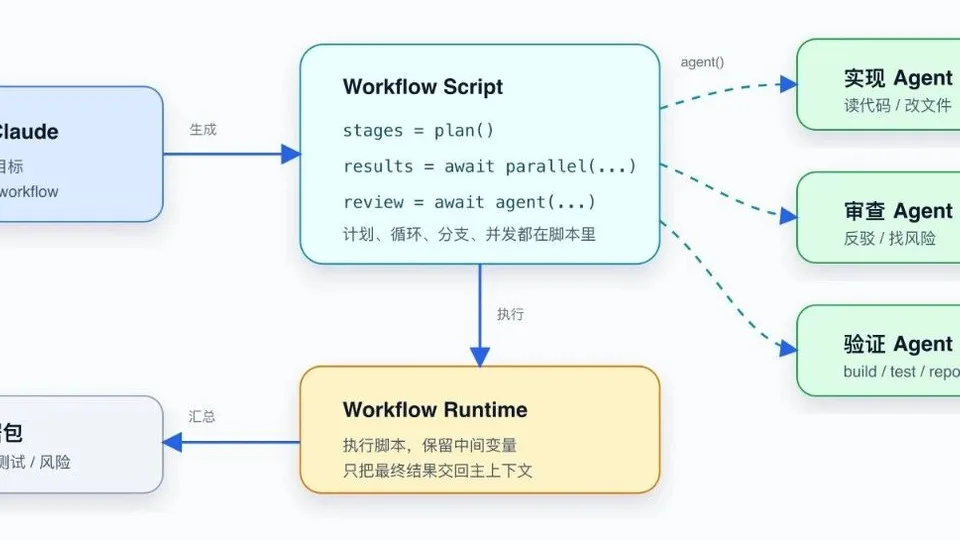
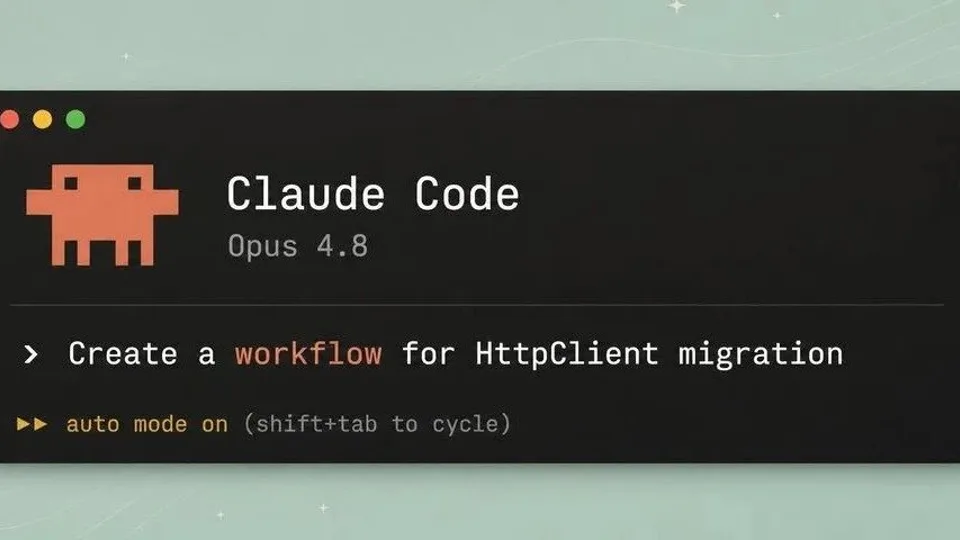
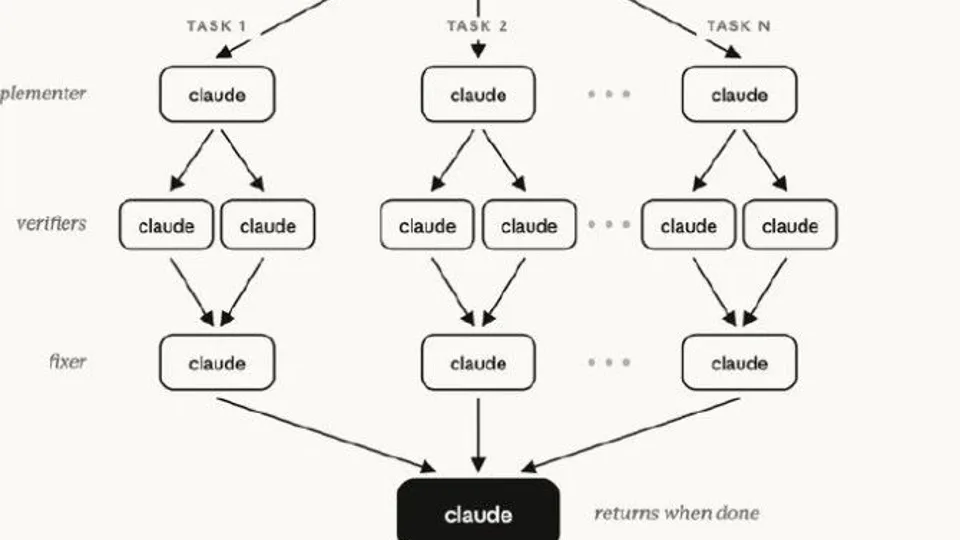
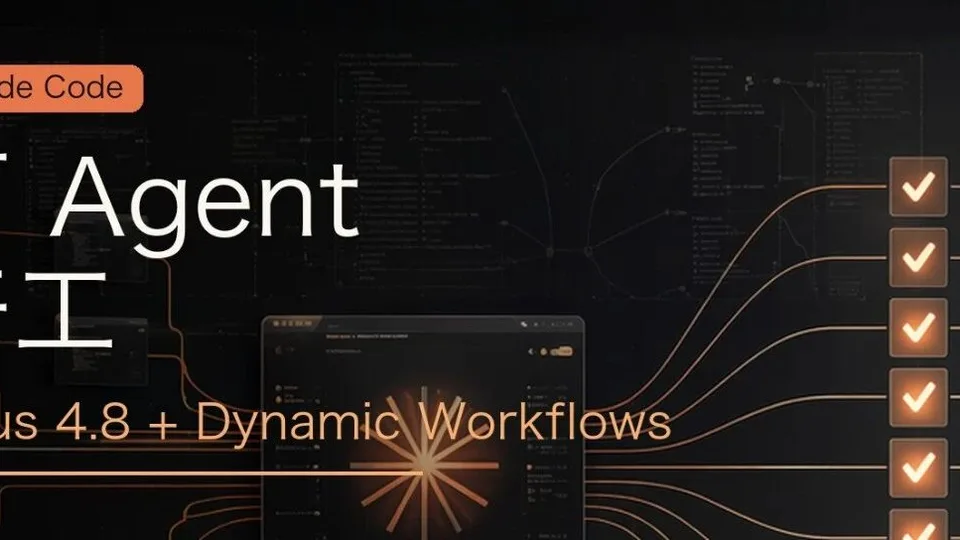
Anthropic's Dynamic Workflows for Claude Code let developers write JavaScript orchestration scripts that schedule dozens to hundreds of sub-agents in parallel, keeping intermediate results in script variables instead of context, enabling reproducible, observable, and reusable large-scale coding tasks like Bun's 750k-line Rust migration.
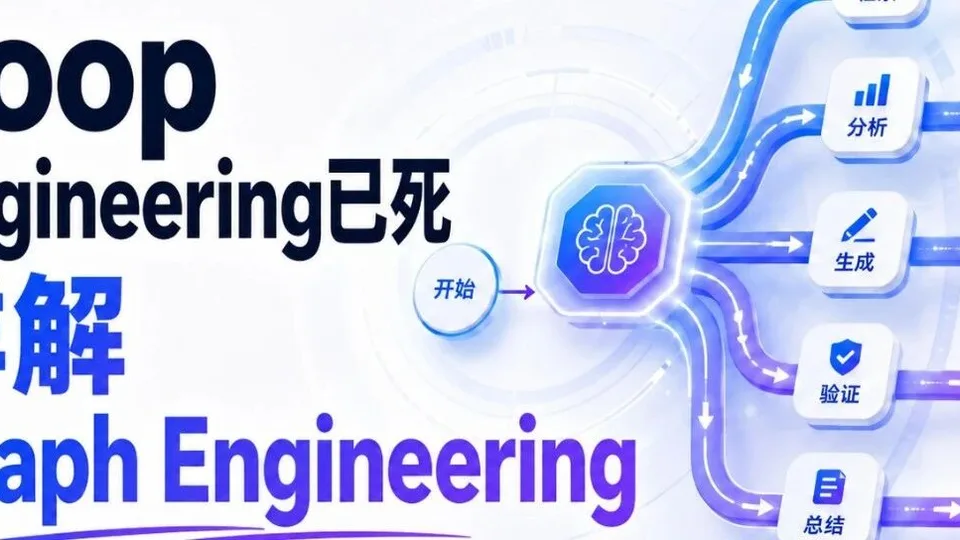
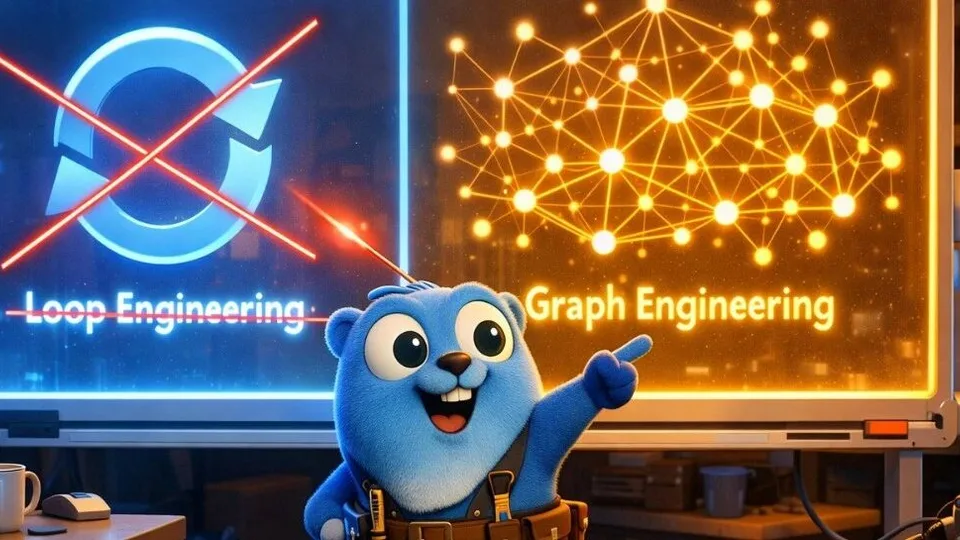
The article explains how linear, single‑Agent workflows (Prompt and Loop Engineering) become slow and fragile for complex tasks, introduces Graph Engineering as a way to restructure work into parallel, dependent nodes with explicit handoffs, validation checkpoints, and controlled loops, and provides practical actions, examples, and criteria for when to adopt or avoid this approach, including a discussion of Claude Code’s Dynamic Workflows implementation.
The article explains why most users interact with Claude Code step‑by‑step, then shows how to give it self‑checking goals, persistent state files, the /goal command, plan mode, and Dynamic Workflows so it can operate independently, with real‑world examples and clear limits.
The article explains how traditional Loop Engineering for AI agents is being replaced by Graph Engineering, detailing nodes as tasks, edges as data contracts, parallel execution, barriers, validation, isolation, dynamic workflows, and cost‑effective topology design for scalable agentic systems.
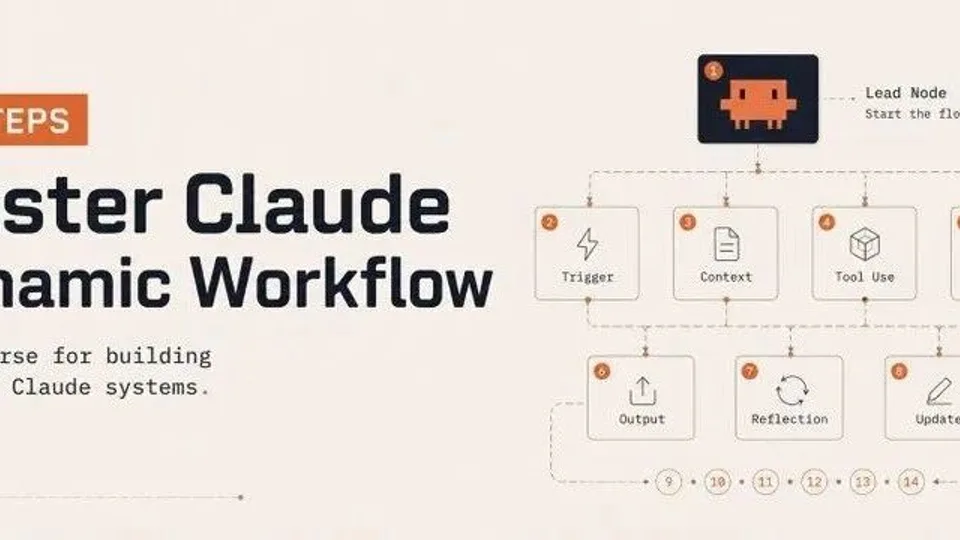
The article analyzes the rapid transition from Loop Engineering to Graph Engineering in AI agent development, explains why simple feedback loops fail, outlines four failure modes, shows how graph structures address them, and provides a detailed 14‑step roadmap with practical examples using Claude Code.
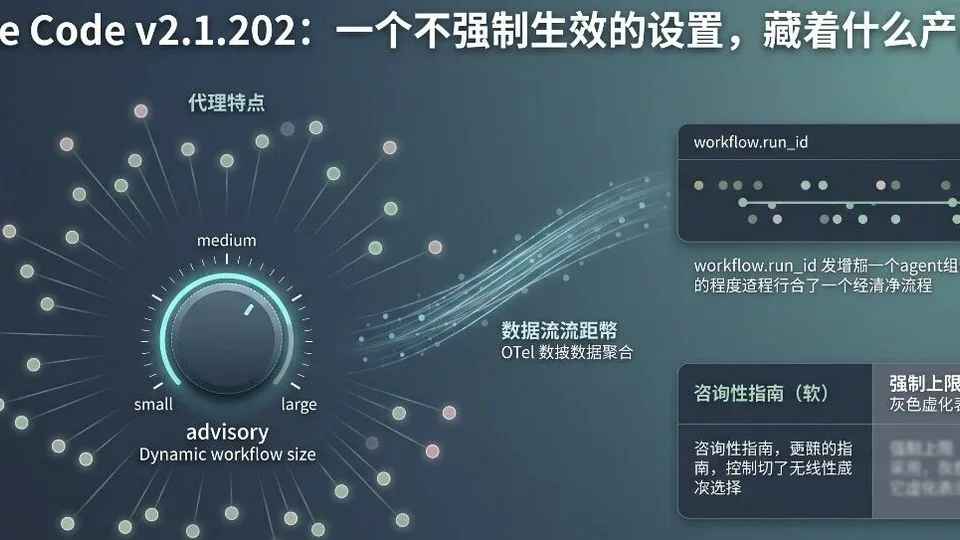
The article dissects Claude Code v2.1.202’s two modest changes—a non‑enforced workflow‑size guideline and two OpenTelemetry attributes—by tracing the dynamic‑workflows feature from its debut through successive versions, revealing Anthropic’s product trade‑offs between scalability, controllability, and developer‑first observability.
The article explains Claude Code’s Dynamic Workflows—how they let the model automatically generate and execute multi‑agent orchestration scripts, their technical architecture, differences from traditional multi‑agent frameworks, real‑world case studies, token‑consumption considerations, and how to answer interview questions about them.
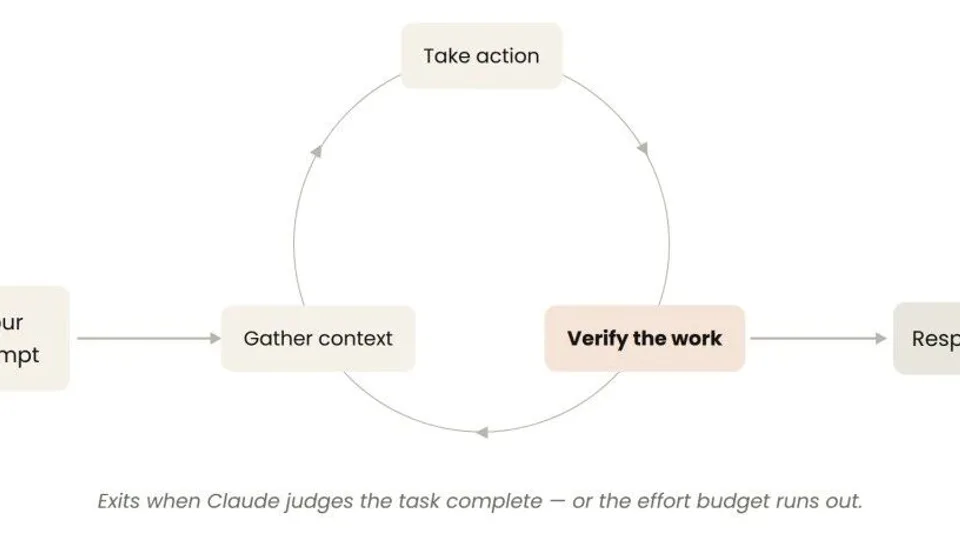
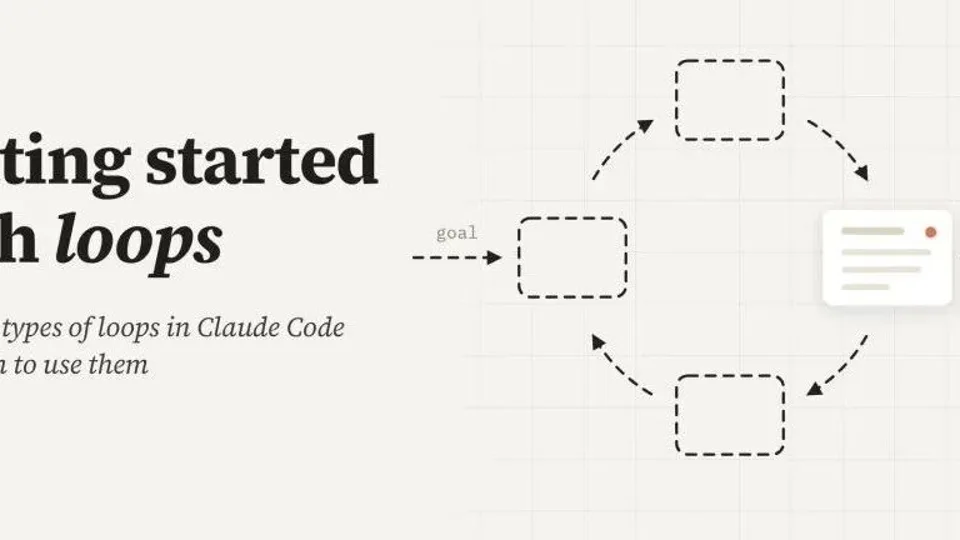
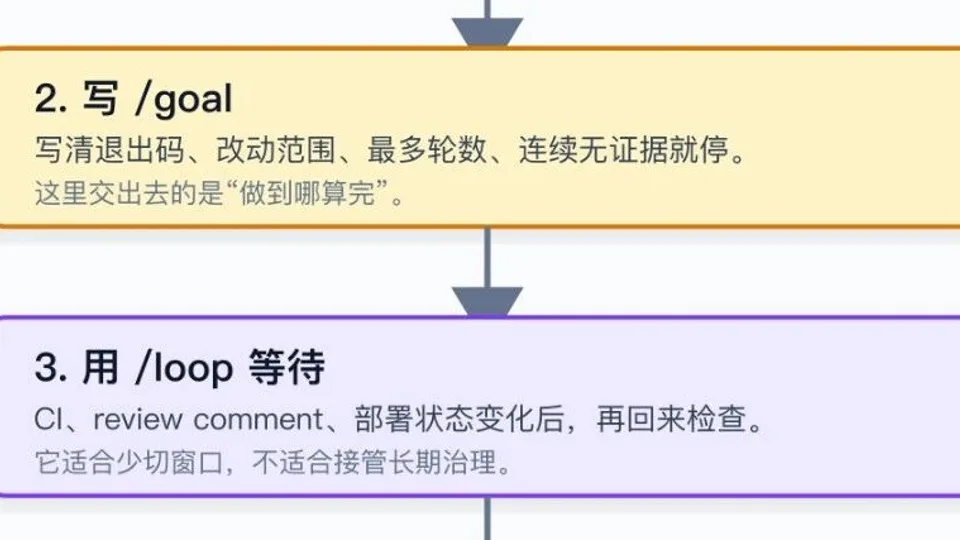
Claude Code defines a loop as an agent repeatedly executing a work cycle until a stop condition is met; this article explains four loop patterns—round‑driven, goal‑driven, time‑driven, and proactive—detailing their triggers, stopping criteria, ideal tasks, token‑control strategies, and practical examples.
The article explains how Claude Code defines a loop as an agent repeatedly executing work until a termination condition is met, categorizes loops by trigger, termination, primitives, and task type, and provides concrete guidance for turn‑based, goal‑driven, timed, and proactive loops while showing how to control token usage and maintain code quality.
The article analyses Claude Code's Loop feature for night‑shift automation, breaking the workflow into four hand‑off points—checking, stopping, waiting, and authority—while showing how turn‑based, goal‑based, time‑based and proactive loops can be combined with concrete Skill definitions, /goal, /loop and /schedule commands to keep engineering boundaries clear and auditable.
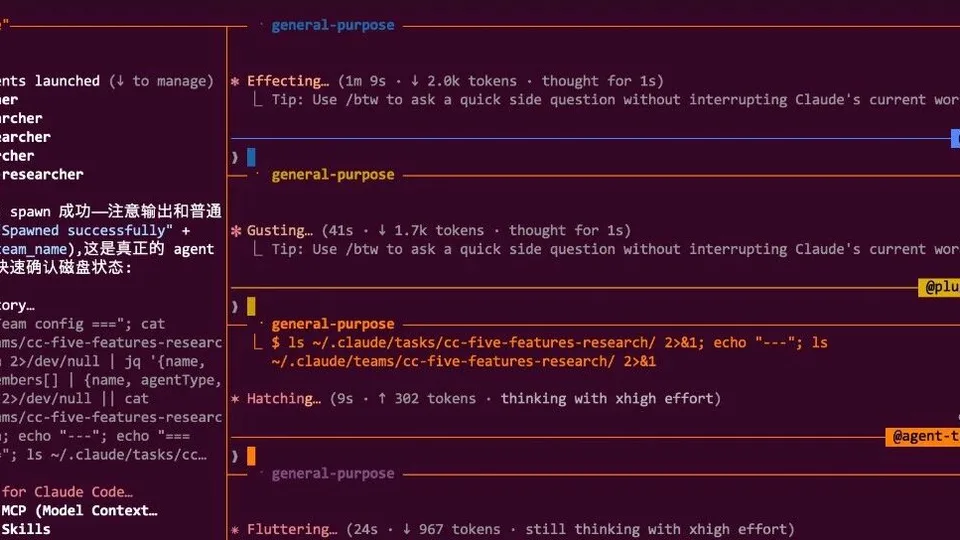
Claude Code now offers powerful automation tools—including the /goal command for condition‑driven loops, customizable Subagents for isolated tasks, JavaScript‑based Dynamic Workflows that orchestrate hundreds of agents, and experimental Agent Teams for multi‑session collaboration—allowing developers to streamline complex coding projects, run large‑scale analyses, and keep the main conversation context clean.
Loop Engineering replaces manual prompting of AI coding agents with automated loops that schedule, coordinate, and verify work, detailing the five essential primitives, historical evolution, practical implementations, limitations, and a step‑by‑step guide for building a minimal, production‑ready loop.
The article compares Claude Code’s four parallel‑agent options—Subagents, Agent view, Agent teams, and Dynamic workflows—explaining their core difference (who decides), usage commands, limitations, token costs, and how to choose the best method based on coordination, communication, and file‑isolation needs.
Most Claude Code users still manually chain prompts, yet the newly released dynamic workflow feature—explained through six core patterns and a fourteen‑step roadmap—offers isolated agents, model selection, token budgeting, and reusable skills to replace dozens of prompts with a single automated workflow.
The article details how separating planning to Claude Opus 4.8 and execution to Kimi K2.6 Agent Swarm reduces monthly AI workflow expenses from $62,000 to $129, outlines routing logic, provides fifteen prompt templates, cost‑tracking scripts, and a reusable skill framework for large‑scale parallel agent orchestration.
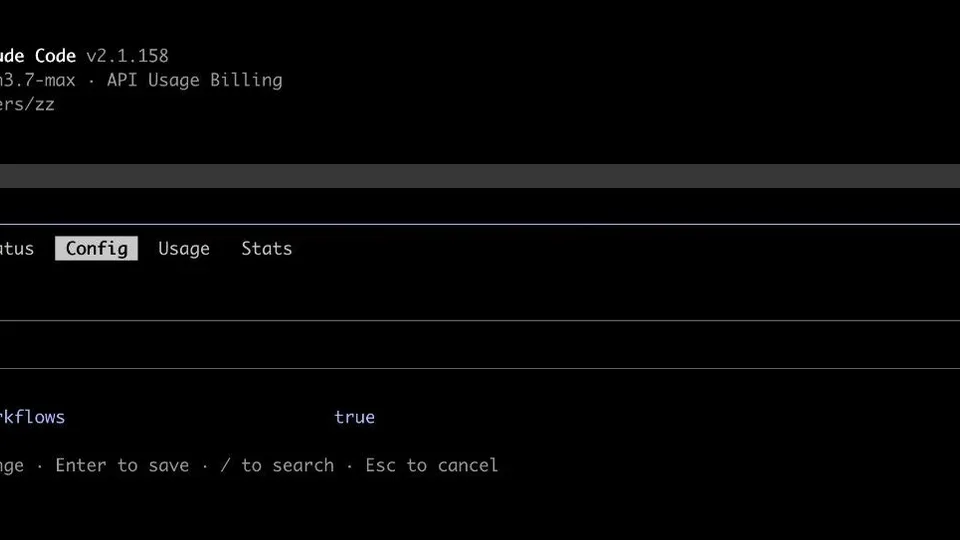
Claude Code’s new dynamic workflow feature lets you generate custom execution frameworks that coordinate multiple sub‑agents, avoid common failure modes, and handle large‑scale, high‑parallel or adversarial tasks, with detailed patterns, use‑cases, and best‑practice guidance from Anthropic engineers.
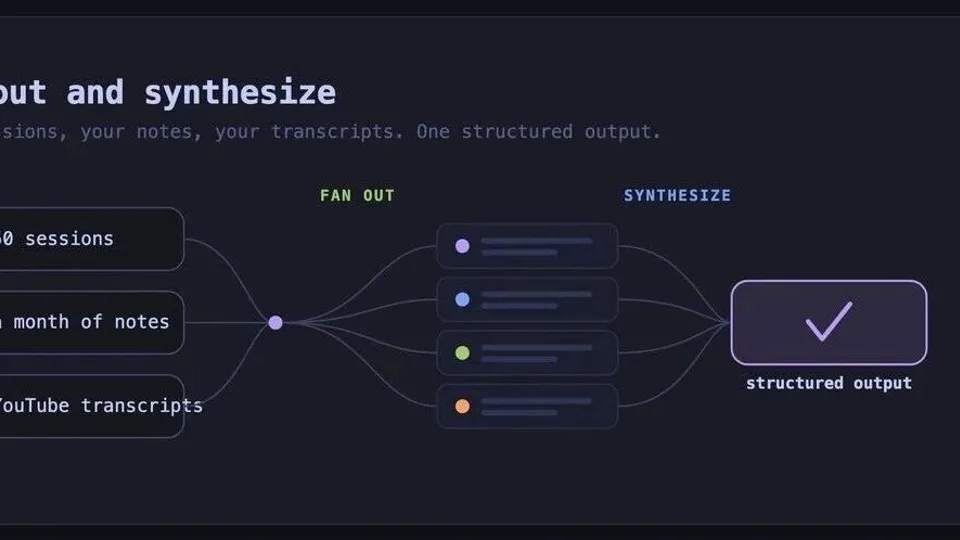
The article examines Anthropic's Dynamic Workflows—Claude Code's latest agent‑scheduling update—showing how the author wired it into an Obsidian vault, solved classic sub‑agent issues, and demonstrated three concrete use cases (session analysis, diary mining, and video idea extraction) while offering practical workflow patterns and a recommendation to embed workflows inside skills.
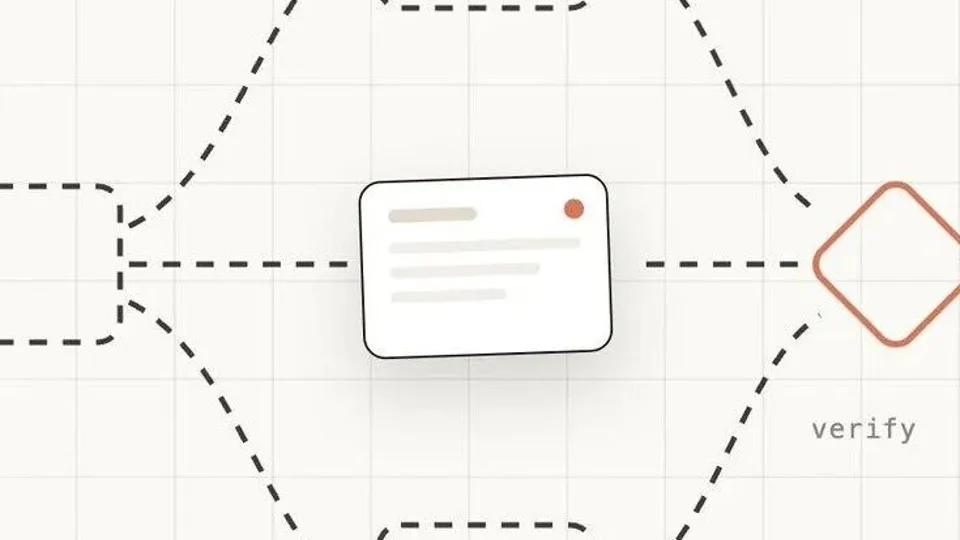
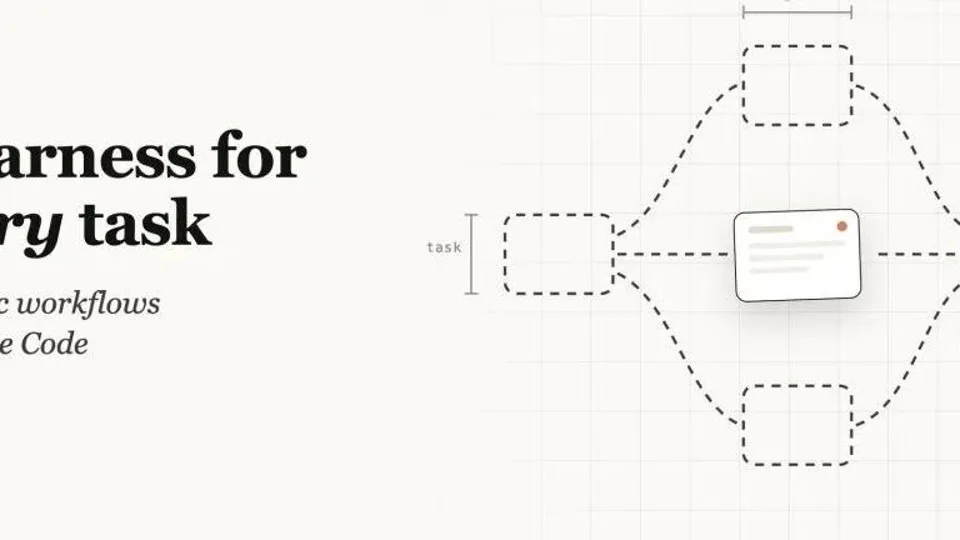
Claude Code’s new Dynamic Workflows feature lets the system generate a custom execution harness for each task, addressing agentic laziness, self‑preferential bias, and goal drift by structuring work into coordinated sub‑agents, with concrete patterns, examples, and practical guidance for when and how to use them.
Claude Code's new dynamic workflow feature lets the model generate custom harnesses and coordinate multiple sub‑agents, addressing context limits, laziness, bias and goal drift, while offering six orchestration patterns and practical use‑cases for complex AI tasks.
Claude Code’s Dynamic Workflows let the model generate custom multi‑agent execution frameworks that classify, fan‑out, perform adversarial verification, and run tournaments, addressing agent laziness, self‑preference bias, and goal drift across coding and non‑technical tasks.
Claude Code introduced dynamic workflows on May 28, 2026, enabling the AI to automatically decompose tasks, run dozens to hundreds of sub‑agents in parallel, and cross‑validate results, which acts like a project manager and can cut multi‑hour jobs down to minutes while offering guidance on when to use or avoid the feature.
Claude Code’s Dynamic Workflows move the AI programming assistant from a single‑round subagent model to a JavaScript‑driven orchestration that can run up to 1,000 agents in the background, offering non‑blocking execution, adversarial quality checks, and reusable scripts while highlighting token costs and practical limits.
The article analyses experiments with Claude Code dynamic workflows and a 50‑hour timetravel‑agent prototype, exposing how long‑running AI coding tasks drift without proper verification gates and proposing a four‑step gate framework to ensure convergence, evidence collection, and reliable engineering outcomes.
Claude’s new Dynamic Workflows move planning and coordination out of the chat context into executable JavaScript, enabling hundreds of parallel sub‑agents, adversarial verification, and checkpoint recovery, which the article demonstrates with a Bun migration case study, a novel‑generation workflow, and detailed architectural analysis.
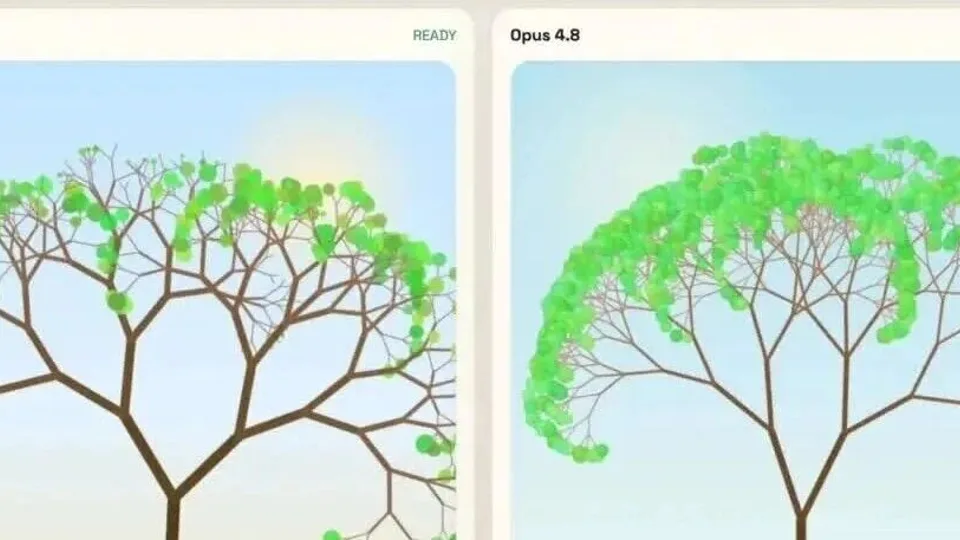
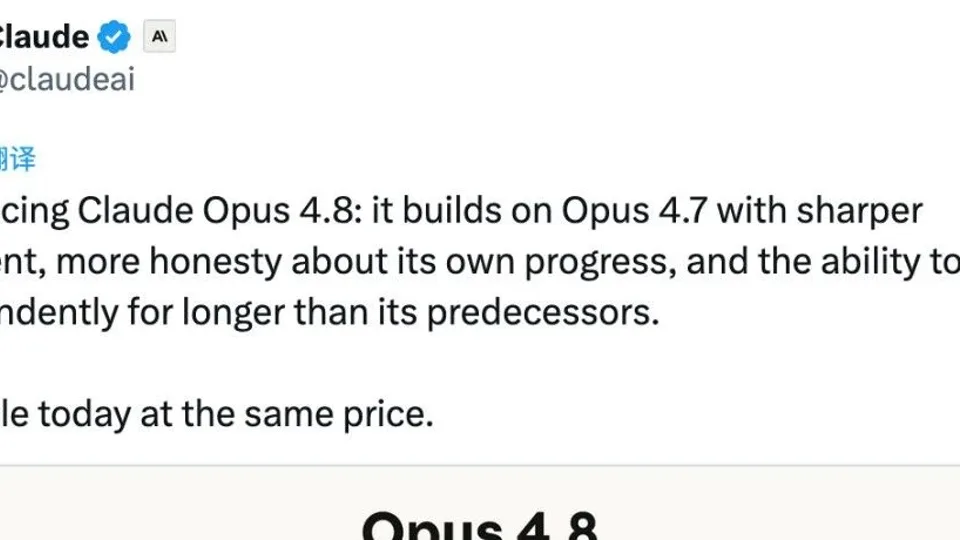
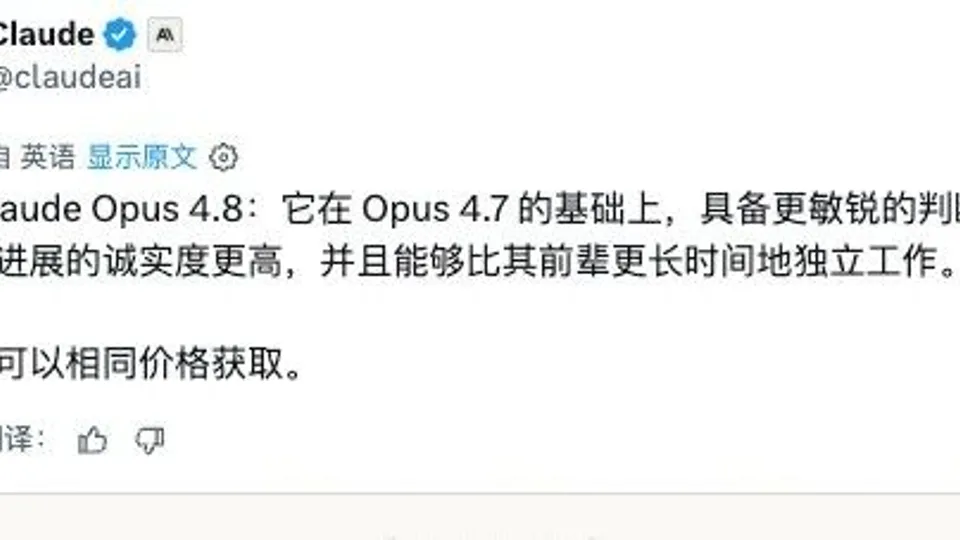
Claude Opus 4.8, released just 43 days after 4.7, improves honesty, cuts code‑defect miss rates to a quarter, reduces over‑confident answers, outperforms Mythos on several benchmarks, and introduces Dynamic Workflows that let hundreds of sub‑agents run in parallel for complex tasks.
Anthropic’s Claude Opus 4.8 introduces Dynamic Workflows, letting Claude generate JavaScript orchestration scripts that schedule hundreds of sub‑agents, turning chat‑based plans into auditable code suitable for large‑scale audits, migrations, adversarial reviews, and long‑tail clean‑ups while exposing clear limits on concurrency, permissions, and token cost.
Anthropic's Claude Opus 4.8 adds modest performance gains, longer context, fast mode, effort control, dynamic workflows, and higher honesty, turning the model from a chat assistant into a dispatchable engineering squad—a shift that brings real‑world productivity benefits but also new risks for developers, product managers, and designers.
Claude's Opus 4.8 upgrade introduces modest performance gains, stronger honesty, and a new dynamic‑workflows feature that lets the model orchestrate dozens of sub‑agents to tackle large‑scale coding tasks such as full‑repo bug hunts, migrations, and security audits.
Claude Code’s Dynamic Workflows let the model generate a JavaScript orchestration script that runs locally, enabling massive parallel sub‑agents for tasks like the 750 k‑line Rust migration of Bun, while outlining its architecture, limits, comparison with Agent Teams, and practical usage patterns.
Claude Opus 4.8, released just 43 days after 4.7 at the same price, tops the GDPval‑AA leaderboard with 1890 Elo, beats GPT‑5.5 by 121 points, cuts steps by 15% and tokens by 35%, achieves a perfect 0% lie and lazy rate, dominates SWE‑Bench, ProgramBench and FrontierSWE, and introduces massive parallel agent workflows that can rewrite 750 k lines of production code in 11 days, while Anthropic prepares the upcoming Claude Mythos and celebrates a $965 b valuation.
Anthropic’s Claude Opus 4.8 upgrades agentic reliability and honesty, while its new Dynamic Workflows turn hundreds of agents into a hierarchical, parallel, verifiable pipeline that can orchestrate large‑scale code migrations such as React‑to‑Solid.js or a 750k‑line Rust rewrite in days.
Claude Opus 4.8, released on May 28 2026, keeps the same 1 M‑token hybrid reasoning model and pricing but adds modest benchmark gains, stronger honesty in code‑summary reporting, Dynamic Workflows for multi‑agent orchestration, a more complex cost structure, and new security considerations, guiding engineers on when and how to adopt it for high‑value, long‑running tasks.
Anthropic's Opus 4.8 adds modest performance gains, stronger honesty, and a fast mode, while its new Dynamic Workflows let Claude Code orchestrate dozens of sub‑agents to tackle large‑scale tasks such as full‑repo bug hunts, migrations, and security audits, effectively turning a single coding assistant into a temporary engineering team.
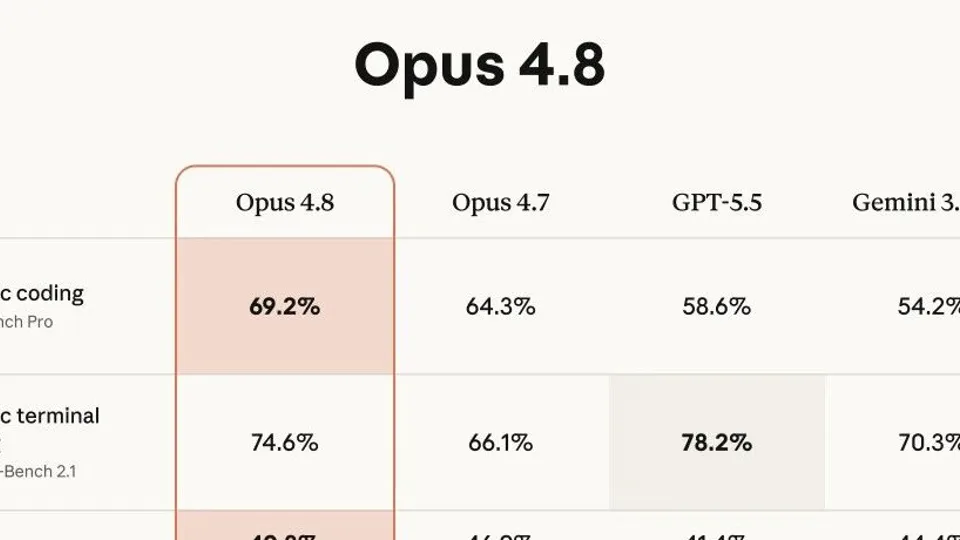
Claude Opus 4.8, released just 43 days after 4.7, outperforms its predecessor and GPT‑5.5 across multiple benchmarks, scores a perfect 0 % false‑reporting and lazy‑rate, halves token usage, introduces five effort levels and ultra‑code parallel agents, and positions Anthropic as the world’s most valuable AI startup.
Anthropic released Claude Opus 4.8 only 41 days after Opus 4.7, delivering unprecedented 0 % lie‑rate and 0 % lazy‑answer rate, improving code‑defect silence by four‑fold, boosting SWE‑bench Pro to 69.2 % and GDPval‑AA to 1890 Elo, while adding Dynamic Workflows, Effort Control, a richer Messages API and a fast‑mode that runs 2.5× faster for a third of the cost.
Claude Opus 4.8 improves judgment, honesty about progress, and long‑running autonomy while keeping the same price, outperforms rivals on code, reasoning and knowledge‑work benchmarks, introduces a 2.5× faster “Fast mode” and a research‑preview dynamic workflow that can orchestrate hundreds of sub‑agents in parallel.
Anthropic unveiled Claude Opus 4.8, a flagship LLM that improves benchmark scores, introduces honesty training and dynamic workflows, offers unchanged pricing with a cheaper fast mode, and announced a $65 billion financing round that lifted its valuation to $965 billion.
Anthropic's Claude Opus 4.8 improves judgment and autonomous task handling, adds a 2.5× faster "fast mode" at one‑third price, and introduces dynamic workflows that orchestrate hundreds of sub‑agents for large‑scale engineering tasks, though with higher token consumption.
Anthropic released Claude Opus 4.8 with unchanged pricing, new inference‑strength controls, Dynamic Workflows for massive tasks, a fast mode 2.5× quicker and three‑times cheaper, and benchmark results showing its agent capabilities surpass GPT‑5.5 while improving honesty and alignment.