OpenJDK's Project Detroit uses the FFM API to embed V8 and CPython runtimes directly into the JVM, avoiding past rewrite failures like Nashorn, though native dependency challenges remain and it's not yet in standard JDK builds.
This tutorial demonstrates how to integrate Spring AI 2.0 into a Spring Boot project, configure OpenAI-compatible models like DeepSeek, implement synchronous and streaming chat endpoints, and add multi-turn conversation memory using Redis-backed ChatMemory, all with minimal code.
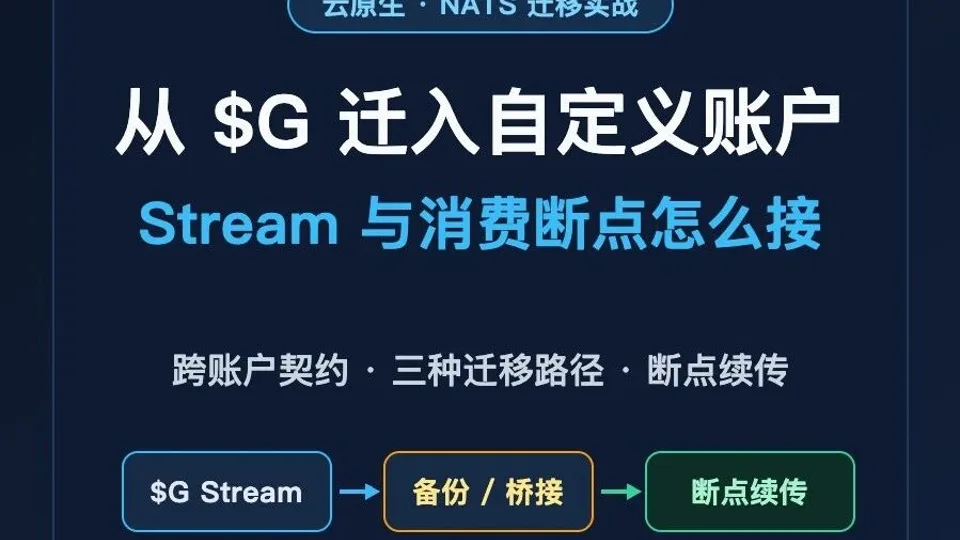
This article details how to migrate NATS JetStream streams from the default $G account to custom accounts, covering cross-account import/export rules, three migration strategies (backup/restore, Leaf Node mirroring, dual-write), consumer models for competing vs independent consumption, and how durable consumer checkpoints enable seamless resumption after migration.
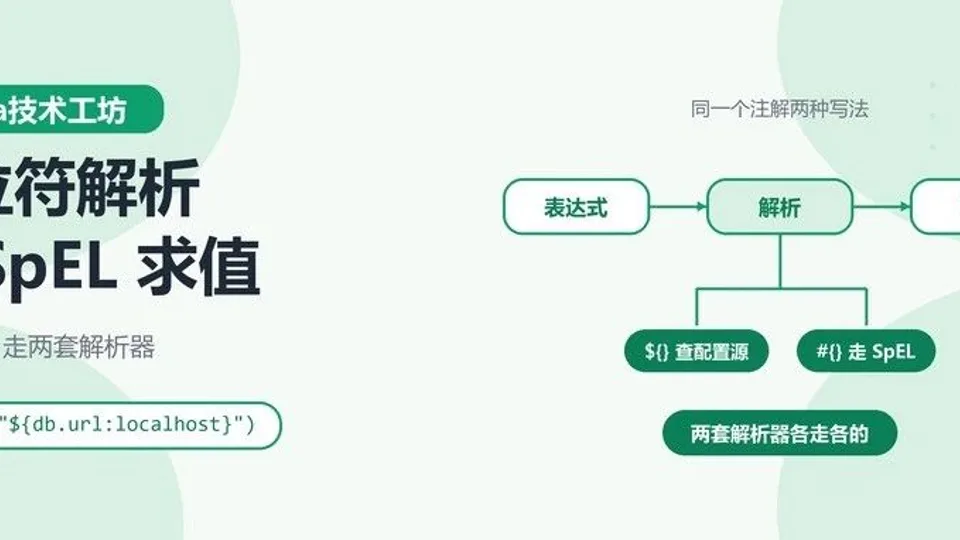
This article explains the differences between Spring Boot's ${} placeholder resolution and #{} SpEL evaluation, detailing their syntax, source code implementations, parsing order in @Value, common pitfalls, and why @ConfigurationProperties doesn't support SpEL.
This article explores OnlyOffice as a self-hosted document editing engine, detailing its API integration, private deployment via Docker, real-time collaboration, white-labeling options, and a complete Spring Boot integration guide with JWT-secured callbacks and versioned document storage.
A permission sync task processing 50,000 records ran in 40 seconds despite sub-second SQL queries; profiling revealed the bottleneck was an O(n²) List.contains() inside a stream filter, and replacing the List with a HashSet cut the diff calculation from 38 seconds to milliseconds, demonstrating how data structure choice dominates batch performance.
Fortune data shows only 8% of workers get promoted by instant after-hours replies, while 69% see no career benefit. The article proposes a 2026 intelligent message routing architecture using on-device LLMs (Qwen3-14B, Llama 4 Scout), rule engines, and priority-based automation (P0-P3) to replace human always-on availability, reducing off-hours interruptions by 58% and cutting P0 response time from 23 to 9 minutes in a case study.
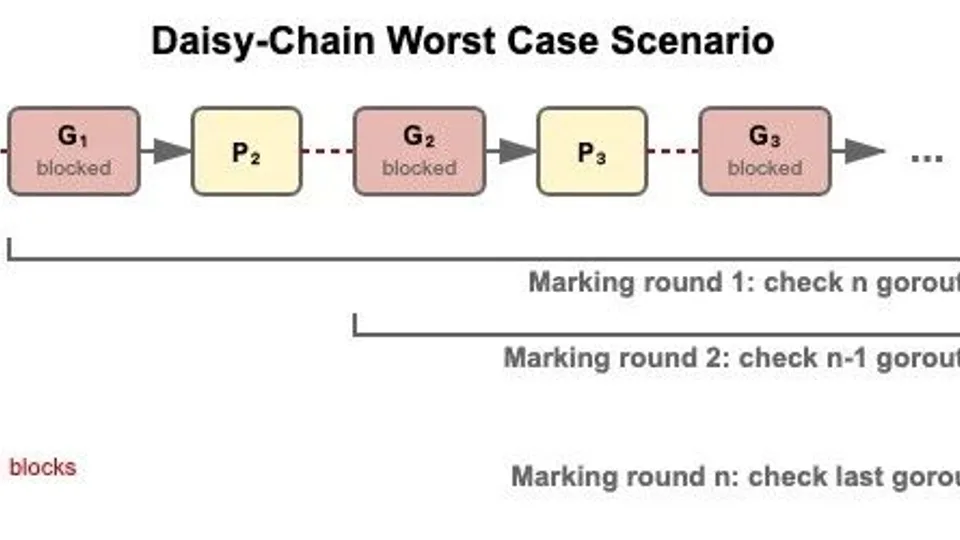
Go 1.27 introduces a goroutine leak profiler that uses a modified garbage collector to identify permanently blocked goroutines on channels and sync primitives in running programs, including production, with minimal overhead and near-zero false positives, demonstrated through real-world examples from CockroachDB, etcd, Kubernetes, and Moby.
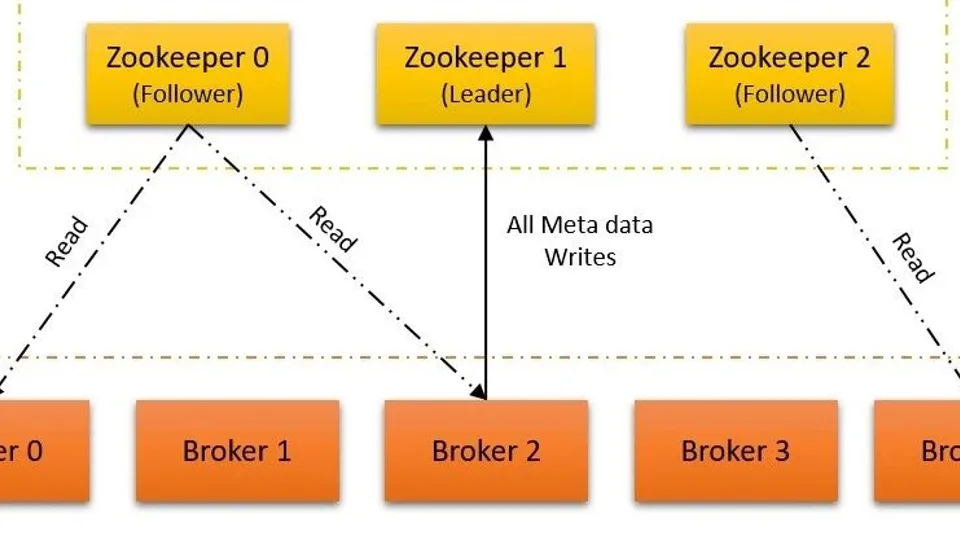
This article introduces Kafka fundamentals using 80 hand-drawn diagrams, covering its pub-sub model, horizontal scalability, key concepts like topics, partitions, offsets, architecture with ZooKeeper and brokers, replication with leader/follower and ISR, and notes on KRaft mode replacing ZooKeeper in Kafka 4.0.
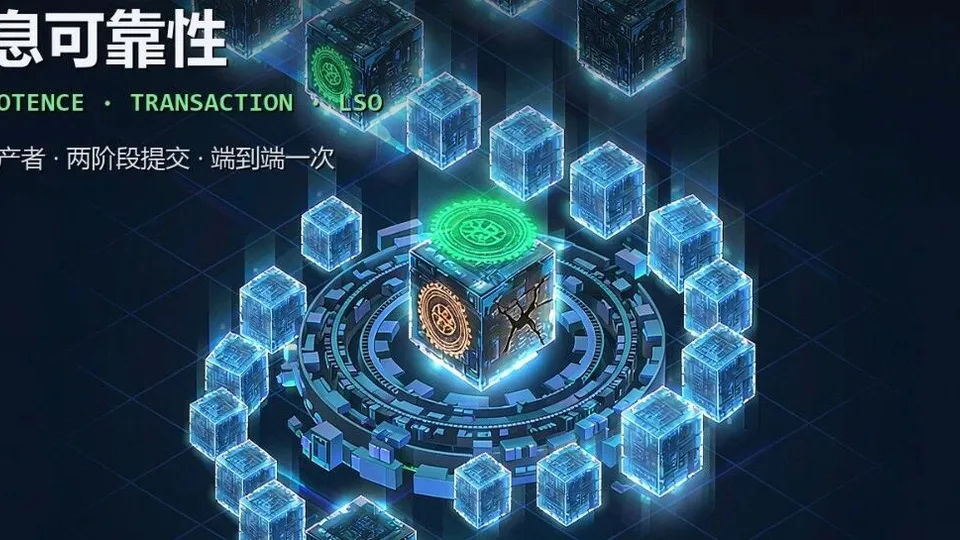
This article explains Kafka's exactly-once semantics through idempotent producers, transactions, and read-committed isolation, detailing real incidents, configuration patterns, source-code mechanisms, and the critical boundary that Kafka transactions cannot cover external side effects, requiring application-level idempotence for true end-to-end exactly-once.
The article explains why deploying AI agents individually doesn't scale to teams, detailing required engineering capabilities: persistent task records and artifacts separate from ephemeral execution environments, execution identity tokens to prevent duplicate writes, granular permission checks for data access and sharing, and revocation handling, illustrated through an invoice reconciliation example and validated via incremental testing.
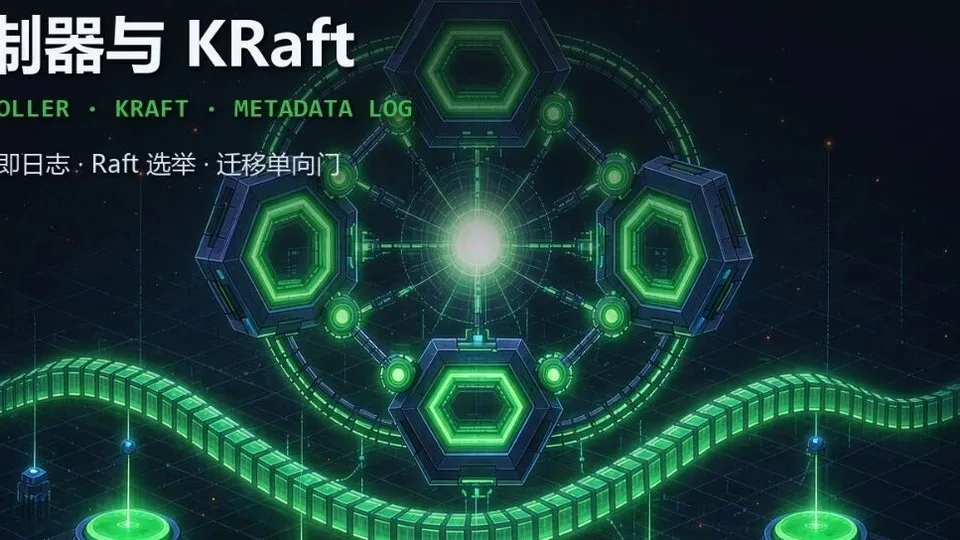
This article analyzes Kafka's Controller architecture evolution from ZooKeeper to KRaft, detailing how metadata migration to an internal Raft-replicated log transforms failover from minutes-long rebuilds to seconds-long handoffs, covering deployment models, migration pitfalls, source-code mechanisms, and production monitoring strategies.
This article explains JWT structure, its stateless design, four scenarios where pure JWT fails (account theft, user ban, password change, token expiry), solutions using Redis blacklist or whitelist, double-token refresh, Redis reliability, when pure JWT fits, and how to articulate trade-offs in interviews.
This article explains Kafka's replication mechanism through ISR and high watermark, revealing why acks=all waits only for in-sync replicas, how the 30-second shrink window works, why min.insync.replicas is essential, and the trade-offs of unclean leader election, with production configurations, source code insights, and incident case studies.
OntologyL_Cypher 2.0 is a domain-specific chain language that unifies ontology object manipulation, business data retrieval, spatiotemporal reasoning, OWL constraint validation, inference chaining, and write-back actions into a single readable, executable, and auditable expression, integrating with relational and graph databases while providing deterministic execution and LLM-friendly syntax.
DeepSeek's new API suite bundles web search, deep research, file parsing, link reading, and safety checks, letting developers replicate the DeepSeek App experience, but shifts engineering challenges to cost control, data governance, and security architecture.
This article dissects Kafka's on-disk storage architecture, explaining partition segments, sparse indexes, page cache reliance, flush policies, delete vs. compact cleanup, and real-world incidents like index rebuild storms and misconfigured retention, with production configs and capacity formulas.
This article explains when and why to separate PO, DTO, VO, and BO in Java backend development, covering security risks of exposing entities, change isolation, MapStruct for efficient mapping, CQRS projections, and practical decision criteria for different project sizes.