The article details MaxCompute's three‑stage approach—production‑ready Agent access via MCP and Skill, a business‑oriented semantic layer, and multimodal Blob storage with hybrid compute—culminating in a CPU‑only home‑design demo that showcases end‑to‑end Agent workflows, security controls, and mobile integration.
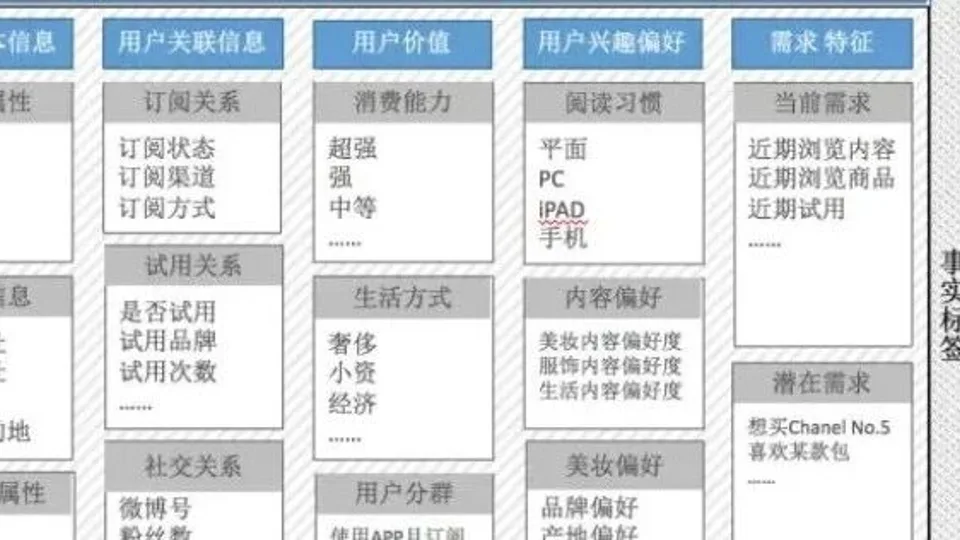
The article outlines a practical four‑step workflow—clarifying business data, consolidating behavioral elements, creating dynamic profiles, and deploying tags to business applications—while highlighting common pitfalls, governance needs, and the role of data‑integration tools in a data middle platform.
iQIYI’s big‑data team built a self‑developed QBFS virtual file system that unifies private and multiple public clouds, providing transparent routing, automatic migration, intelligent caching and fine‑grained governance, which together reduce storage and compute costs by more than 30 % while supporting scalable analytics.
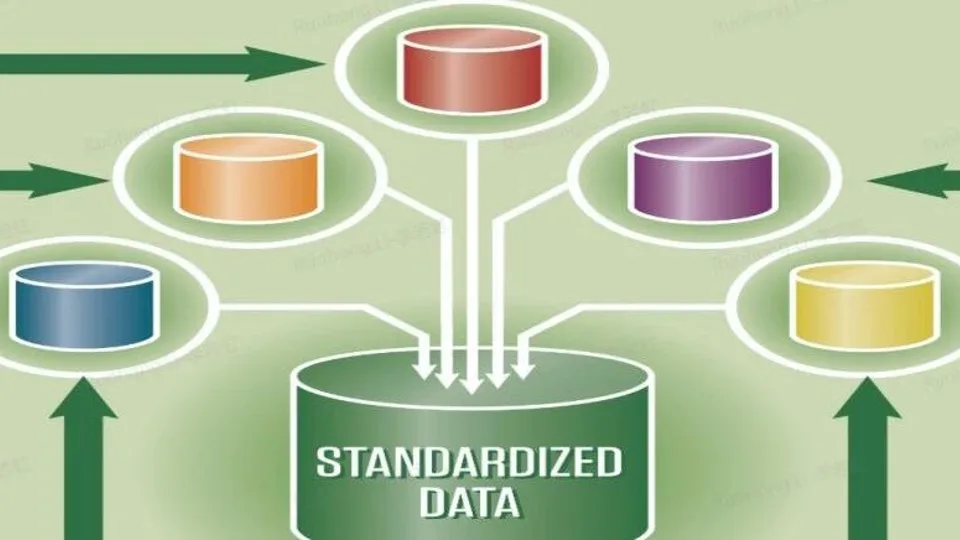
The article explains why data standardization is essential for reliable analytics and AI, outlines four layers of standardization—structure, content, business, and numeric—and details practical techniques such as unified naming, master data coding, cleansing, dimension mapping, and ongoing governance to ensure consistent, reusable data.
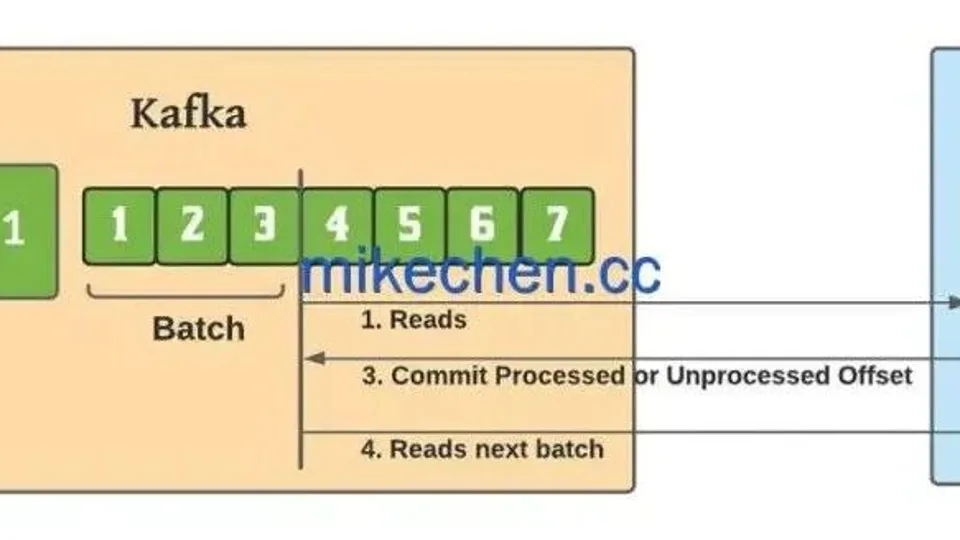
The article explains why Kafka does not guarantee exactly‑once delivery and presents three practical approaches—business‑level idempotence, manual offset management, and Kafka’s transaction/EOS features—to reliably avoid duplicate message processing.
For small, condition‑driven updates use UpdateBuilder, while bulk vector or feature replacements at scale should use MergeInsertBuilder, which merges new data, supports upserts, and efficiently updates billions of rows with a single transaction and index optimization.
Lance BlobV2 introduces a PyArrow ExtensionType for large binary objects, enabling lazy streaming, external URI references, range slicing, and flexible ingest or reference modes, while providing clear APIs and schema helpers that address the limitations of previous blob implementations.
Although data production continues to surge—reaching 52.26 ZB in 2025—the “big data” label is fading because its original narrative of scale as value has run out, exposing a credit‑and‑responsibility gap that forces organizations to demand concrete business impact rather than mere infrastructure.
EMR Serverless Spark now supports scalar‑vector hybrid search via DLF Global Index, allowing a single Spark SQL statement to perform vector similarity and scalar filtering together, eliminating data movement, reducing latency, and boosting performance for scenarios such as autonomous driving, e‑commerce, and knowledge‑base retrieval.
The article analyzes the challenges of AI‑generated SQL in a data‑warehouse environment—context loss, unstable rule enforcement, and token overflow—and presents a five‑layer Harness architecture that persists constraints, injects hooks, uses subagents, and refactors SKILL files, raising SQL compliance from 70‑80% to over 95% while reducing context compacting.
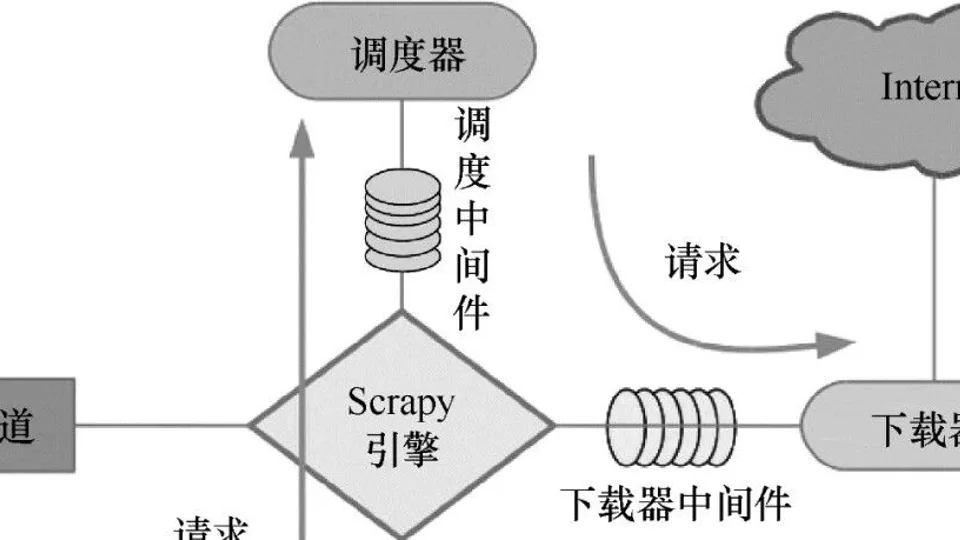
This article reviews seven widely used big data collection tools—Flume, Fluentd, Logstash, Chukwa, Scribe, Splunk, and Scrapy—detailing their architectures, supported data sources, extensibility, and typical use cases for efficiently gathering and processing large‑scale data.
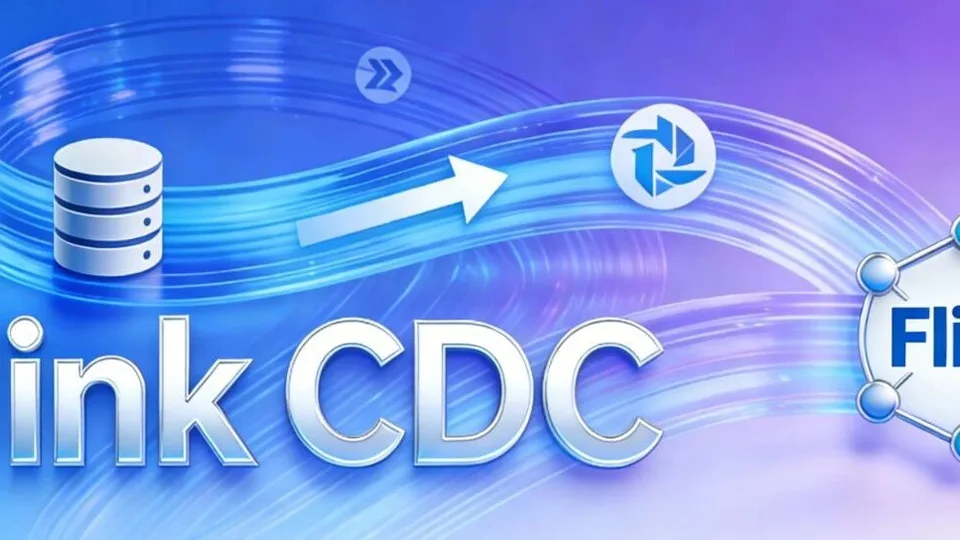
This guide walks through setting up a Spring Boot 3.5 environment, configuring Flink 1.20 and Flink CDC 3.5, preparing MySQL tables, and using both the Flink CDC CLI and SQL client to achieve near‑millisecond synchronization of data from MySQL to Elasticsearch, including custom sink programming and real‑time monitoring via the Flink Web UI.
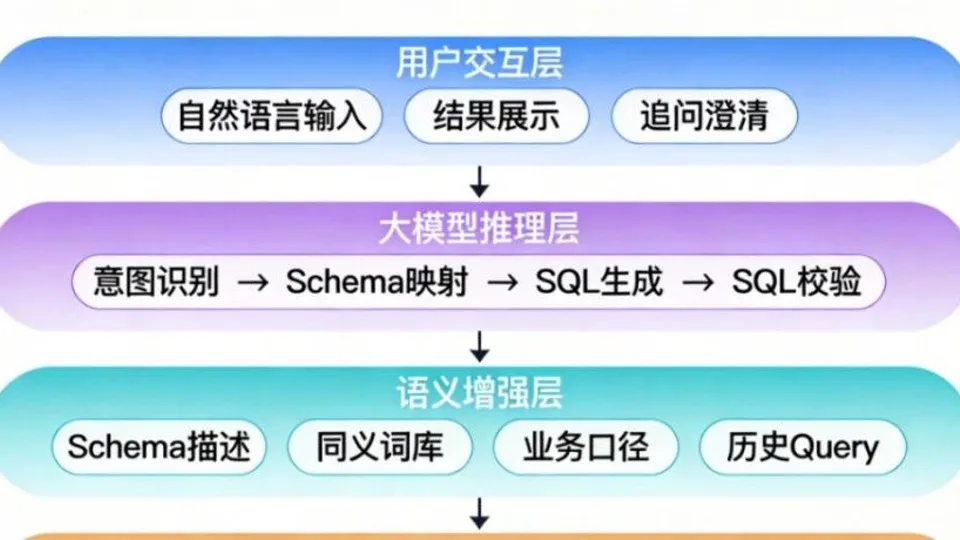
The article analyzes why data‑governance projects still fail when combined with AI, presents a four‑layer NL2SQL architecture, details agent responsibilities, metadata‑governance methods, anomaly‑diagnosis and permission‑control flows, outlines dataset‑building stages, evaluation metrics, and provides a step‑by‑step rollout roadmap.
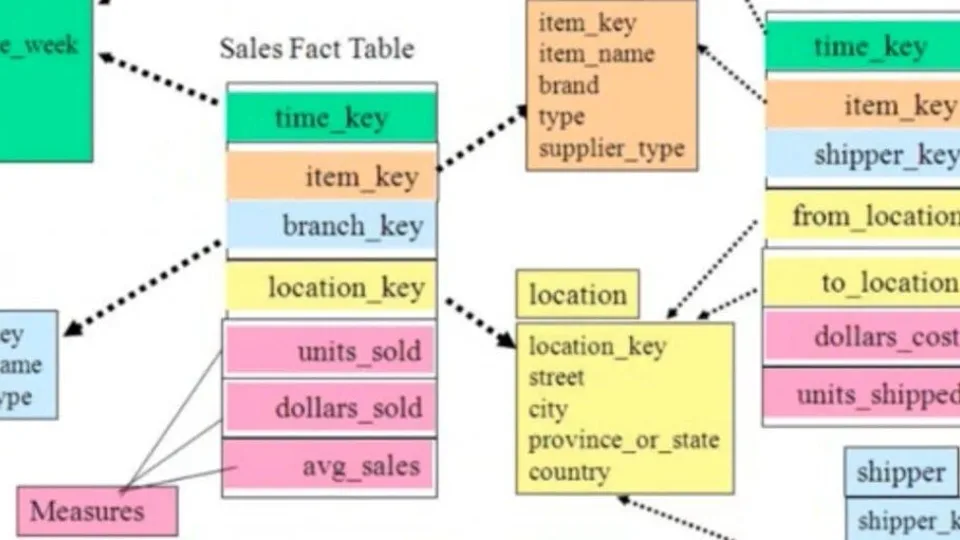
The article breaks down dimensional modeling for data warehouses, detailing the star, snowflake, and constellation schemas, their structures, pros and cons, ideal business scenarios, and guidance on selecting the right model to support reliable analytics and AI initiatives.
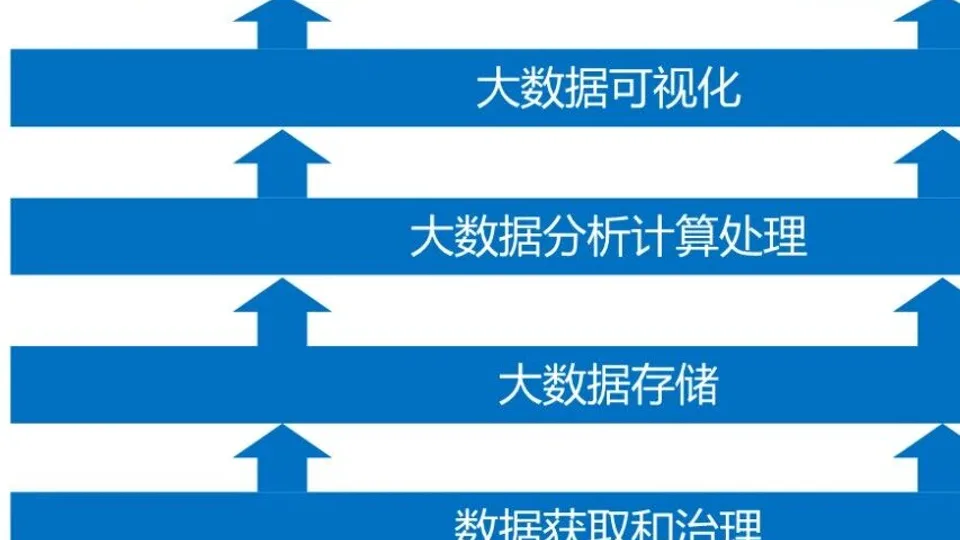
The article outlines how big data technology has evolved from core storage, processing, and analysis to include management, circulation, and security, forming a comprehensive ecosystem that now emphasizes cost reduction and enhanced security, and it details the platform's collection governance, analysis, visualization, and overall technical architecture.
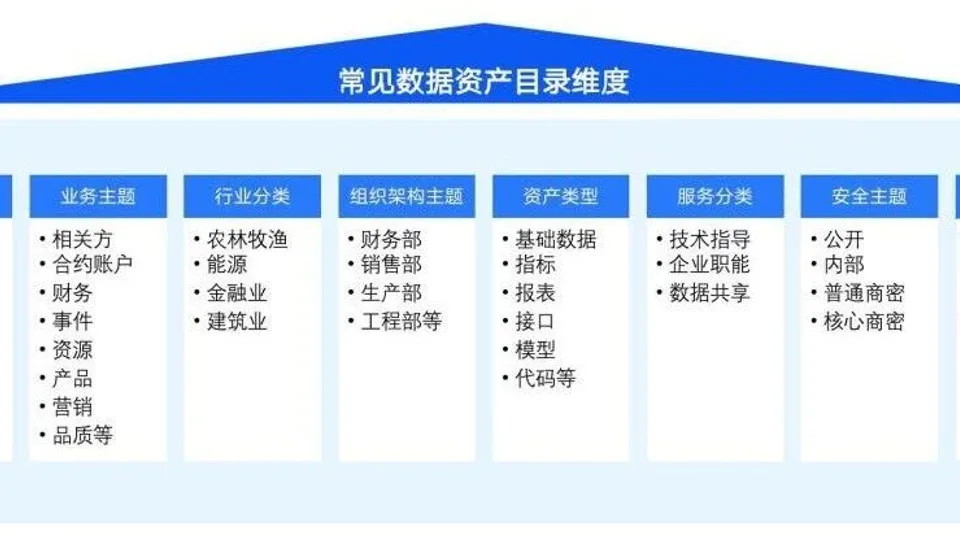
The article explains why data catalogs are essential for AI projects, defines the three core catalog types—resource, asset, and open—details their key contents, benefits, and implementation pitfalls, and provides practical guidance for building a unified data governance foundation.
Xiaohongshu transformed its data platform from a simple ClickHouse‑based ad‑hoc analysis to a Lambda‑style architecture and finally to a lakehouse with generic incremental compute, cutting architecture complexity, resource and development costs by one‑third while delivering second‑level queries over trillions of rows.
The article outlines ten practical data‑cleaning methods—covering missing‑value imputation, duplicate handling, outlier detection, normalization, discretization, text cleaning, type conversion, multi‑source alignment, feature engineering, and sensitive‑data masking—explaining why each step matters for reliable AI model training.
The article details MaxCompute's transformation into a cloud‑native, AI‑centric data warehouse, covering multi‑modal storage, model management, heterogeneous CPU/GPU scheduling, SQL AI functions, the MaxFrame Python framework, and several production case studies that demonstrate performance gains of up to 50% and elastic resource scaling to 160 000 cores.