This technical report details how Vivo’s big‑data platform adopted Celeborn as its remote shuffle service, evaluated alternatives, tuned hardware and software configurations, implemented performance and stability enhancements, and outlines future operational and community‑driven improvements for handling petabyte‑scale shuffle workloads.
The article recaps the Apache Hudi Asia Meetup hosted by JD, covering community updates, JD's data‑lake challenges, the upcoming Hudi 1.1 release, JD's architectural redesign, Kuaishou's real‑time lake adoption, and Huawei Cloud's deep optimizations, all aimed at building an AI‑native, real‑time lakehouse.
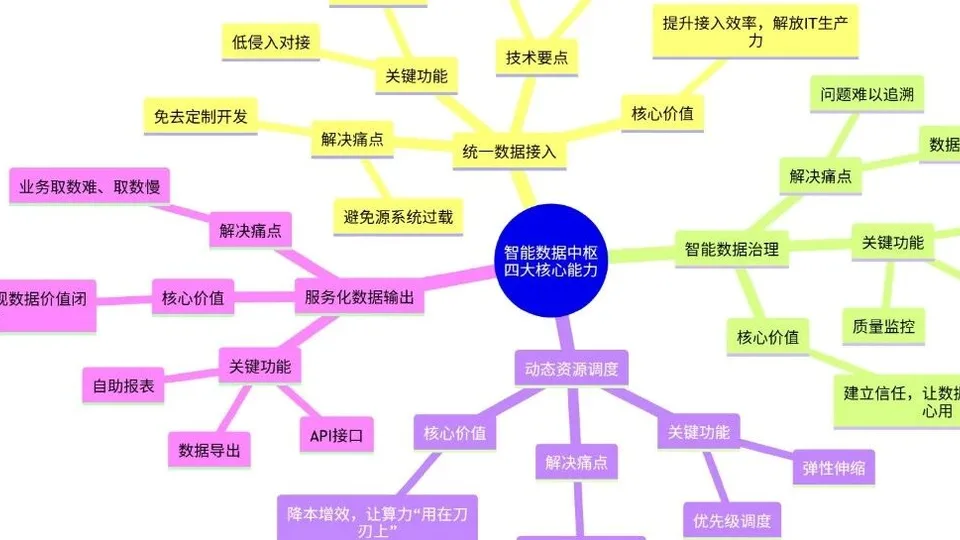
The article outlines why traditional data warehouses often become costly silos, introduces the four core capabilities of an intelligent data hub—unified ingestion, automated governance, dynamic resource scheduling, and service‑oriented output—and provides a practical four‑step roadmap to design, pilot, and operate such a hub.
The 2025 release of Apache Spark 4.0 brings a comprehensive overhaul—including default ANSI SQL mode, full SQL scripting support, a new Real‑Time streaming mode, adaptive query execution, dynamic memory management, and GPU‑accelerated MLlib—significantly boosting performance, reliability, and developer productivity across big‑data workloads.
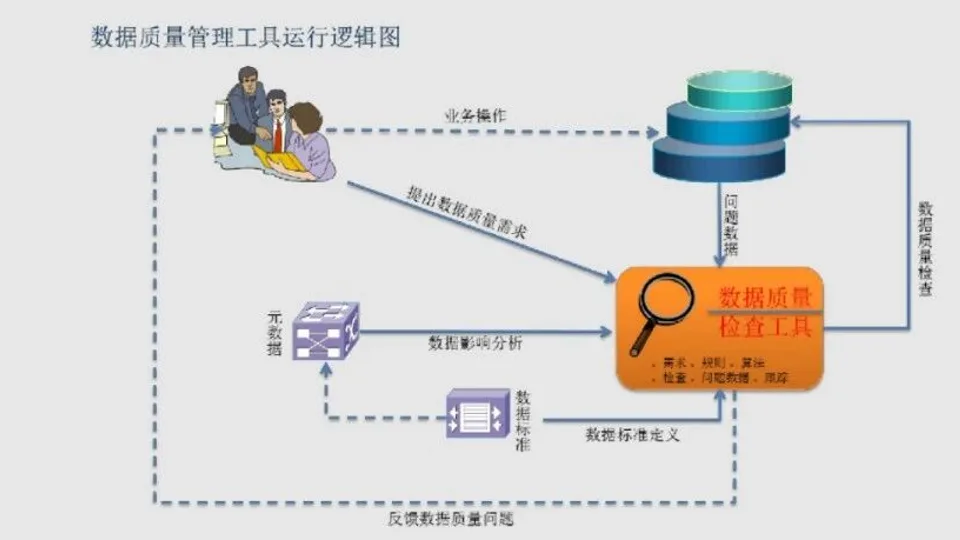
The article outlines a data governance framework for big data platforms that addresses enterprise data standards, quality, and metadata management, detailing three core objectives—standard implementation, quality analysis, and lineage mapping—while providing a PDF roadmap for practical deployment.
In the era of digital transformation, chaotic data warehouse naming wastes resources, while a well‑defined naming convention improves maintainability, collaboration, and business value, as demonstrated by real‑world cases showing three‑fold query speed gains and up to 60% reduction in cross‑team effort.
This case study details how Qimao leveraged Alibaba Cloud EMR Serverless Spark with Fusion and Celeborn to overcome multi‑business‑line data‑processing challenges, achieving more than 50% faster batch jobs, significant cost reductions, and improved operational flexibility across its 600 million‑user ecosystem.
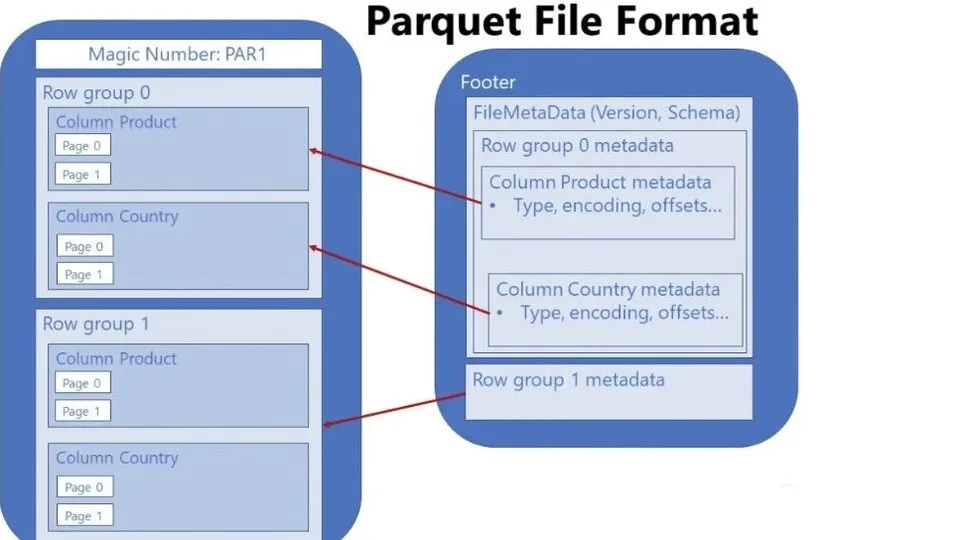
The article explains how Apache Parquet’s columnar layout, multi‑level row‑group structure, projection and predicate push‑down, and advanced compression and encoding make it the high‑performance, space‑efficient storage format that powers modern big‑data ecosystems and tools like Spark, Python pandas, and ClickHouse.
This article examines several engineering solutions for extracting up to 100,000 records from a ten‑million‑row pool, comparing multi‑threaded ClickHouse pagination, Elasticsearch scroll‑scan, an ES‑plus‑HBase hybrid, and RediSearch + RedisJSON, and presents performance measurements and practical trade‑offs.
The article explains data lineage as the full‑lifecycle relationships between data objects, outlines its ownership, multi‑source, traceability, and hierarchical traits, illustrates with school and banking examples, and details why lineage is crucial for compliance, impact analysis, security, migration, and self‑service, while reviewing collection techniques.
The article examines common data‑warehouse pitfalls—poor data quality, endless ad‑hoc queries, and unreadable SQL—then outlines a systematic approach that includes correcting mindset, designing a layered architecture, applying disciplined modeling practices, enforcing data governance, and managing engineering details for sustainable success.
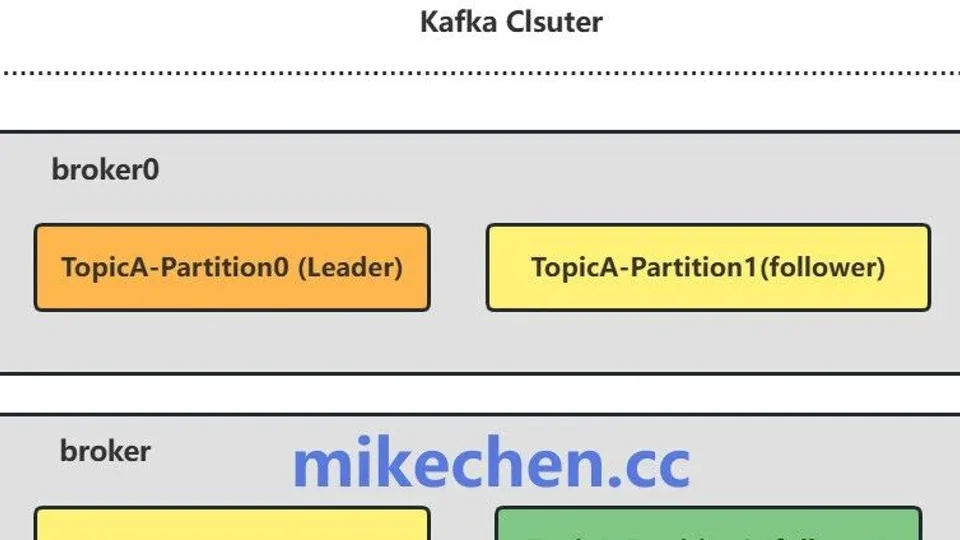
The article explains how Kafka achieves high throughput by writing messages sequentially to disk, leveraging OS page cache and zero‑copy system calls, using partitioned topics for parallelism, batching and compressing records on both producer and broker sides, and employing asynchronous replication with configurable persistence strategies.
This article collection showcases seven advanced data engineering solutions—from Tencent Cloud's Iceberg batch‑stream integration and Apache Gravitino metadata lineage to Xiaohongshu's Lakehouse evolution and multimodal AI data lake implementations—highlighting architectural innovations, performance optimizations, and real‑world deployment insights for modern big‑data platforms.
The JD‑hosted Apache Hudi Meetup showcased the 1.1 release’s pluggable table format, Flink performance gains, LSM‑Tree MoR redesign, and AI‑native features such as vector indexing, illustrating how the open‑source lakehouse is evolving to meet BI and multimodal AI workloads.
This guide walks you through installing JDK, Python and DataX on Linux, configuring MySQL sources, creating the necessary tables and stored procedures, and using DataX's JSON job definitions to perform both full‑load and incremental data synchronization between two MySQL instances, complete with performance metrics and troubleshooting tips.
Apache XTable introduces a lightweight metadata translation layer that decouples data storage from format metadata, enabling zero‑copy, omni‑directional conversion among Hudi, Iceberg, and Delta Lake, allowing organizations to write with one format and read with any engine without duplicating Parquet files.
Apache Paimon 1.3 introduces incremental clustering for 150x faster append-table queries, a pure Python SDK 95x faster than its JVM-based predecessor, data evolution cutting wide-table storage by 99.4%, a virtual file system for unified cross-engine access, and upcoming vector storage for AI workloads.
The article explains common data‑quality pitfalls—such as inconsistent source entry, multi‑source integration issues, changing business rules, and ETL errors—then defines six concrete quality dimensions and presents a repeatable four‑step workflow, plus practical tool recommendations, for creating reliable datasets.
The 2025 Apache Paimon release brings major performance boosts, AI‑centric multimodal storage, deeper streaming‑batch integration, and broader engine compatibility, detailing query and write optimizations, memory management tweaks, and a unified lake format for structured and unstructured data.