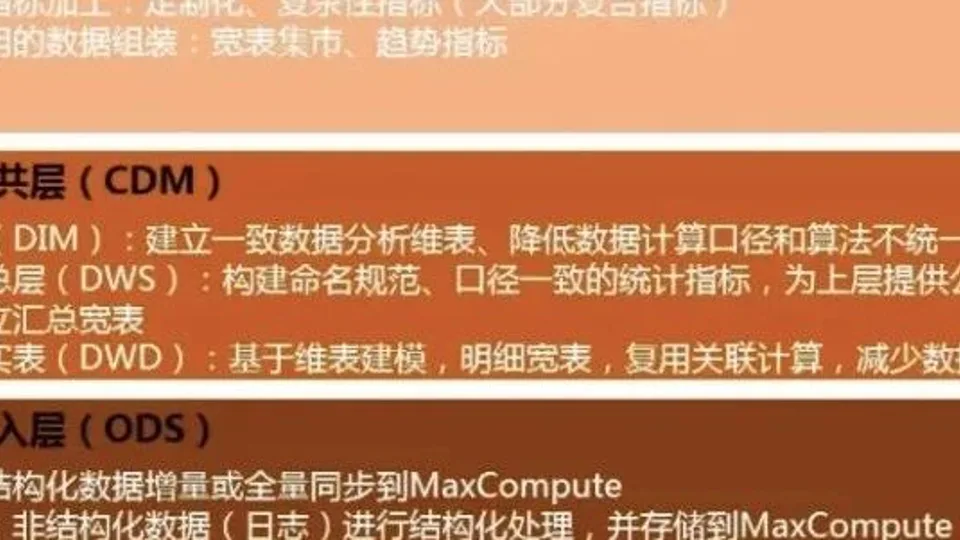
The article explains why structured data modeling is essential for large‑scale systems, compares OLTP and OLAP approaches, details ER, dimensional, Data Vault and Anchor methodologies, and walks through Alibaba's multi‑stage data‑modeling practice, including OneData implementation, dimension design, fact‑table types, and aggregation strategies.
This article details BMW's digital transformation journey using Sensors Data, covering the background of rapid app growth, the cross‑regional data collection challenges, the systematic solution architecture—including mapping, preprocessing, and historical data migration—and the resulting business impact and future AI‑driven roadmap.
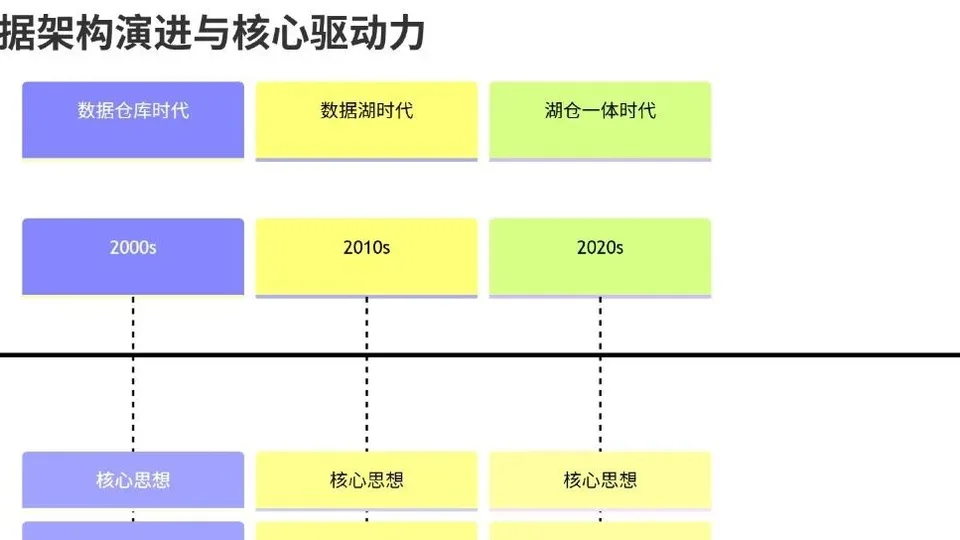
The article compares data warehouses, data lakes, and lakehouse architectures, illustrating each with real‑world projects, highlighting their core concepts, strengths, limitations, key technologies, and a step‑by‑step migration path to help teams select the most suitable solution for their business needs.
Ctrip migrated its massive User Behavior Tracking system from ClickHouse to a compute‑storage separated StarRocks cluster on Kubernetes, achieving millisecond‑level query latency, halving storage usage, reducing node count, and sustaining millions‑of‑rows‑per‑second write throughput while simplifying scaling and operations.
This article compiles a comprehensive set of Kafka interview questions covering basic concepts, advanced mechanisms, and expert-level topics to help candidates prepare effectively for technical interviews.
This article details Baidu's MEG data cost governance practice, covering background challenges, a unified governance framework, health‑score metrics, platform and engine capabilities, concrete compute and storage optimization techniques, achieved results, and future plans for continuous cost reduction.
This article explains the key techniques Kafka uses to maximize throughput, including sequential disk writes with zero‑copy, partition‑based parallelism, batch processing with compression, and configurable asynchronous replication for balancing performance and reliability.
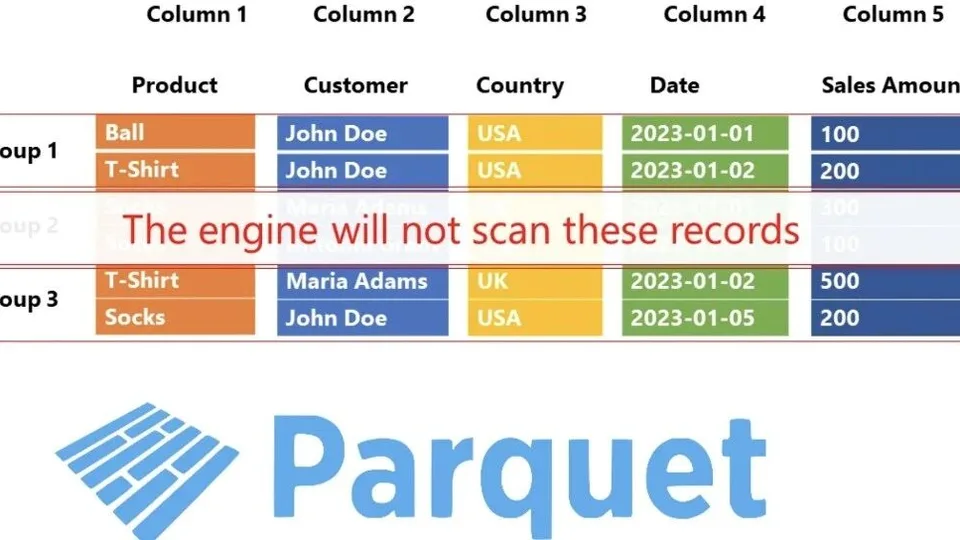
The article explains why CSV becomes a bottleneck for large‑scale data, demonstrates how Parquet’s columnar, typed, and compressed format dramatically reduces storage, speeds up reads, and improves data safety, and provides step‑by‑step Python code for migrating and benchmarking the switch.
This article analyzes the five typical pitfalls when designing DWS aggregation tables—from chimney‑style schemas to performance blind spots—explains their consequences, and provides concrete, production‑ready recommendations, code examples, and design principles to create reusable, efficient data‑warehouse layers.
This article series explores Tencent Cloud's Iceberg‑based batch‑stream integration, Apache Gravitino's unified metadata and lineage solution, Xiaohongshu's data‑architecture evolution for the Big AI Data era, and a practical Data+AI multimodal data‑lake implementation, highlighting challenges, architectural designs, and performance gains.
This guide explains how to use Alibaba's open‑source DataX tool to synchronize large MySQL datasets, covering the tool’s architecture, installation on Linux, job configuration with JSON, full‑load and incremental sync examples, and performance results, all without relying on mysqldump or manual storage methods.
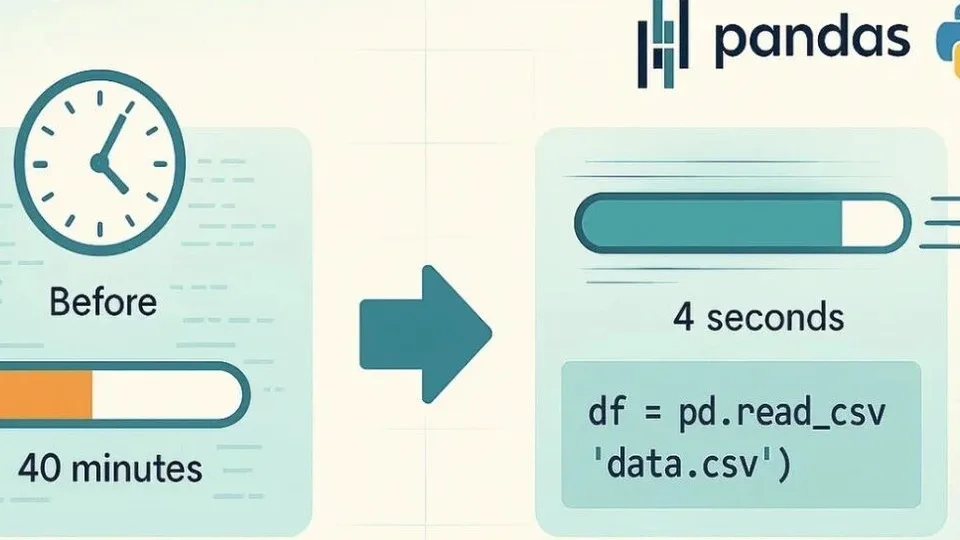
The article shows why a naïve Pandas groupby on a 25‑million‑row DataFrame can take 40 minutes, identifies common performance killers, and demonstrates that converting the grouping column to the categorical dtype with observed=True and sort=False reduces runtime to about 4 seconds while also cutting memory usage dramatically.
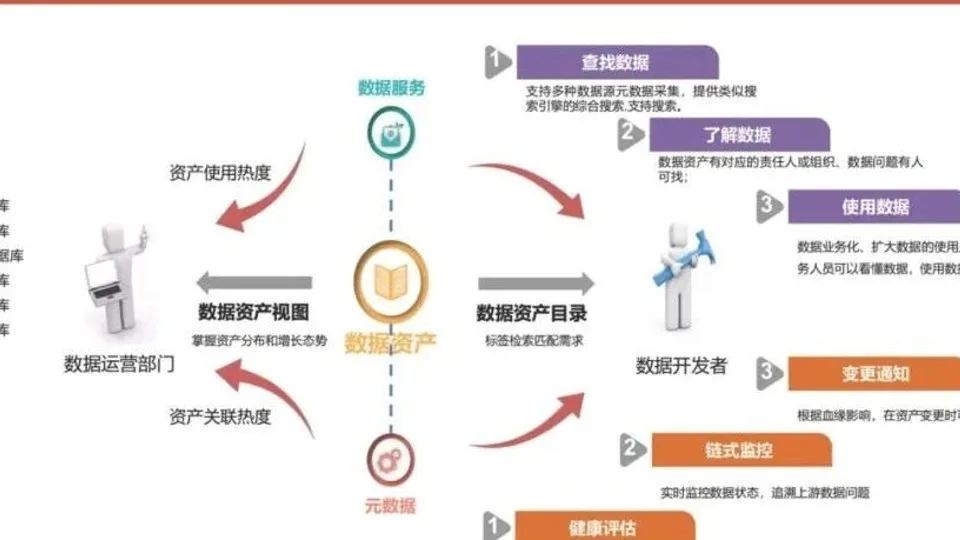
The article explains why enterprises need a well‑designed data architecture, describes the pain points caused by missing capabilities, and outlines a big‑data platform construction plan that helps businesses treat data as a valuable asset and improve sharing and utilization.
This article explains why data migration is the essential first step for cloud modernization, outlines the technical challenges of moving terabytes to petabytes, compares physical and logical migration methods, and presents practical solutions and real‑world case studies across Hive, cloud warehouses, lake‑house formats and analytic databases.
Ctrip transformed its traditional T+1 offline warehouse into a near‑real‑time lakehouse by integrating Flink CDC with Apache Paimon, designing a two‑stage CDC ingestion, optimizing performance, implementing dynamic updates, and deploying the solution across multiple business scenarios, achieving minute‑level latency, reduced costs, and faster data‑driven decisions.
This article details a real‑world migration of a Southeast Asian tech group’s data warehouse from Google BigQuery to Alibaba Cloud MaxCompute, describing the challenges of converting 100,000 SQL scripts, the AST‑driven and LLM‑assisted automation pipeline, rule‑engine iteration, quality control, and the measurable performance and cost benefits achieved.
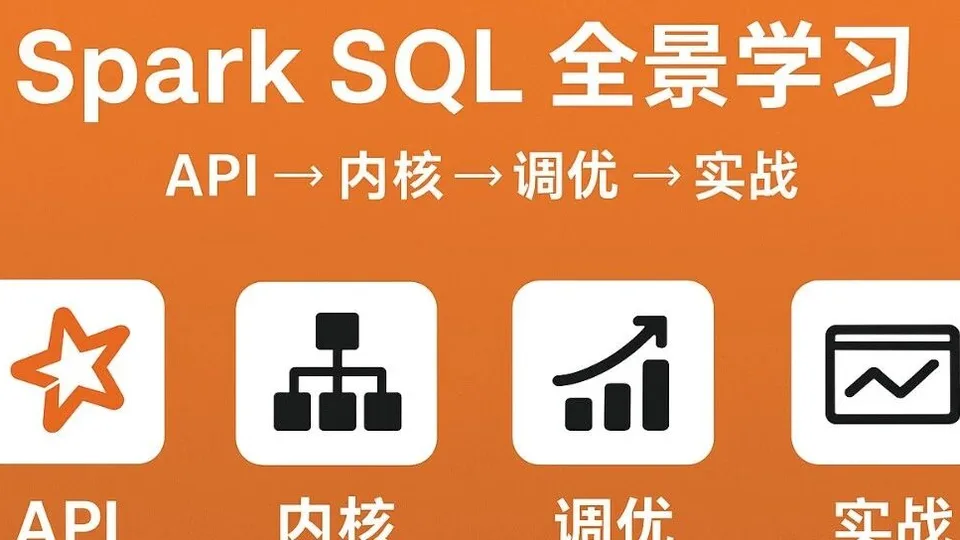
This comprehensive guide walks you through Spark SQL fundamentals—including DataFrame and Dataset APIs—delves into the Catalyst optimizer and Tungsten engine, presents practical Java examples, and shares concrete tuning techniques and real-world ETL scenarios for handling large‑scale data.
This guide outlines a step‑by‑step learning path for Apache Spark, covering core concepts, environment setup, hands‑on WordCount code, API mastery, ecosystem extensions like Structured Streaming and MLlib, deployment options, performance tuning, and practical project advice.
This comprehensive guide explains how to safely expand a Kafka cluster without data loss by covering applicable scenarios, pre‑conditions, anti‑pattern warnings, environment matrices, a detailed checklist, step‑by‑step Linux commands for broker preparation, partition‑rebalancing plan generation, throttled execution, real‑time monitoring, verification, rollback procedures, backup strategies, performance testing, common troubleshooting, FAQs and best‑practice scripts, all illustrated with code snippets and practical examples.