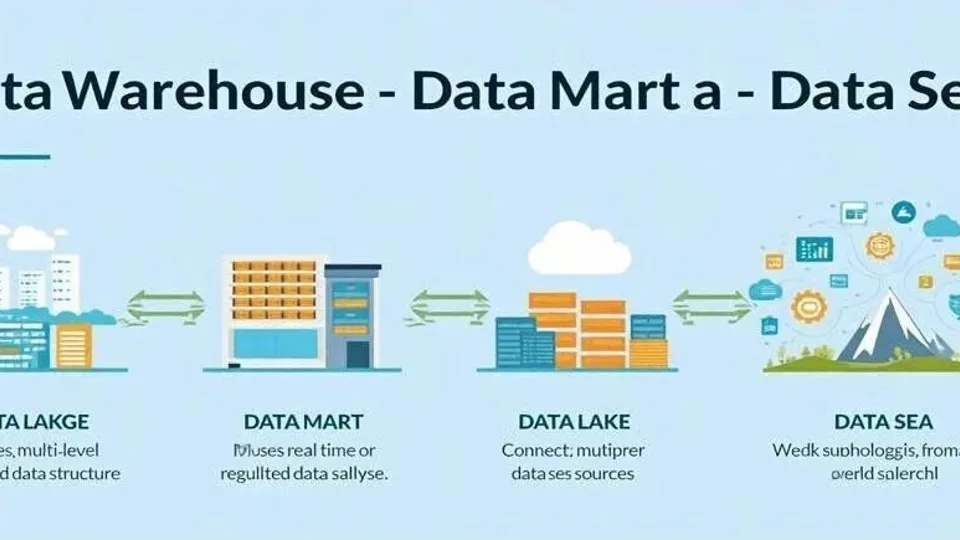
The article explains the distinct roles of data warehouses, data marts, and data lakes, illustrates their differences with analogies and real‑world cases, outlines a three‑step strategy for enterprises, highlights common pitfalls, and offers a decision guide to help organizations choose the right architecture for their data needs.
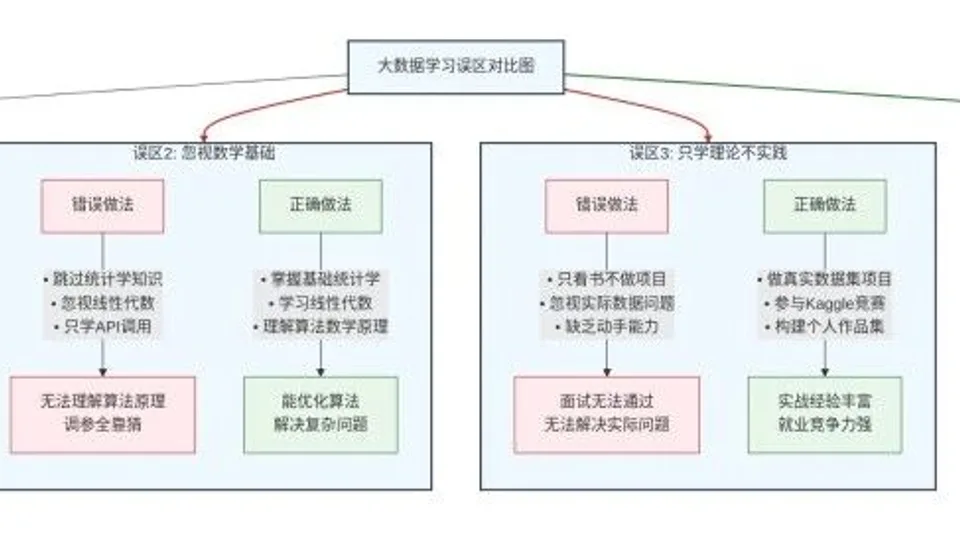
This guide presents a comprehensive big‑data development roadmap, detailing industry opportunities, a six‑module technology stack, four progressive learning stages, hands‑on project ideas, interview question strategies, common pitfalls, and curated resources, helping aspiring engineers become proficient and interview‑ready while avoiding common mistakes.
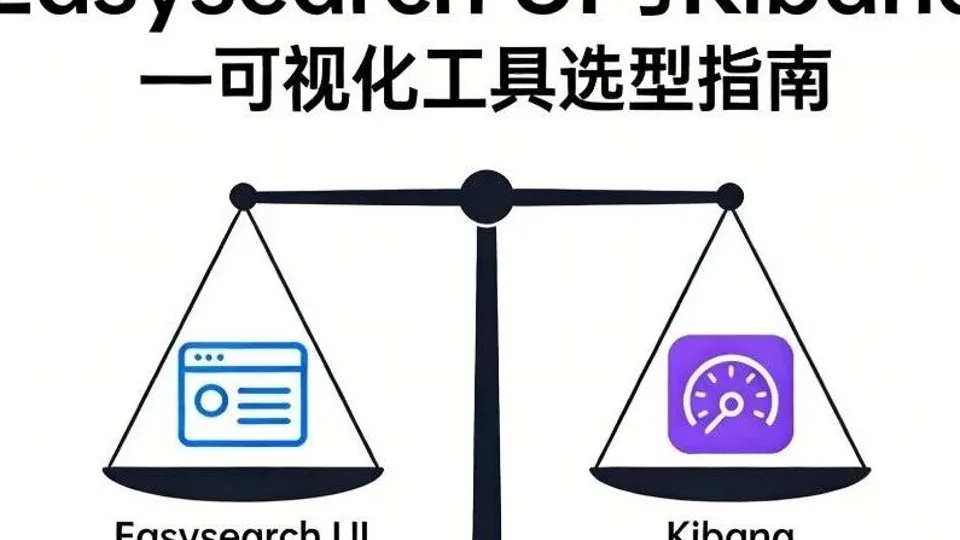
This guide compares Easysearch UI and Kibana across positioning, feature set, performance, resource usage, learning curve, and typical use cases, then provides concrete scenario‑based recommendations and a decision‑tree to help teams select the most suitable visualization solution for their Elasticsearch deployments.
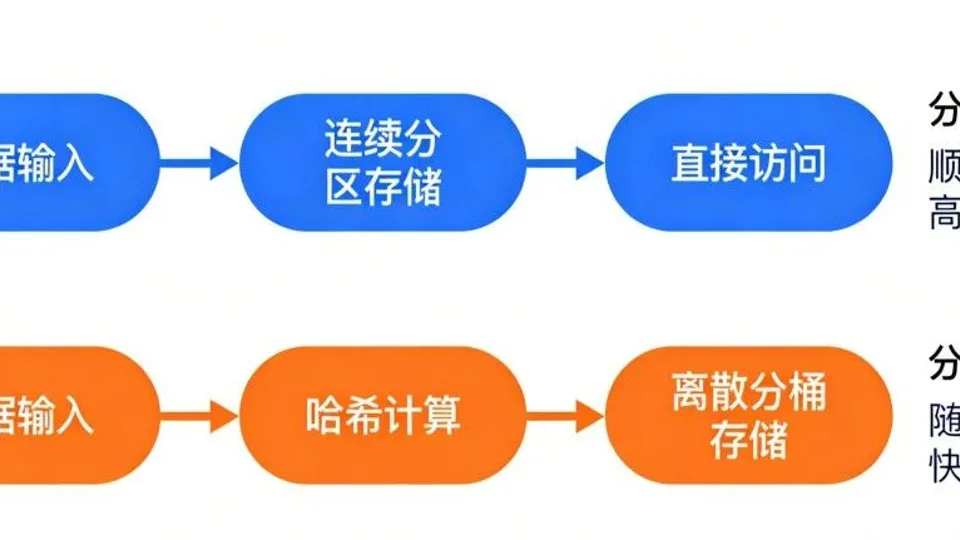
This article explains Hive's partitioning and bucketing techniques, compares their purposes, advantages, and pitfalls, and shows how to combine them with concrete SQL examples to improve query performance, reduce I/O, and optimize joins and sampling in large data warehouses.
This article explains how dbt drives automated data modeling and governance, how DataOps practices bring agility and control to data projects, and how StarRocks’ lakehouse architecture enables real‑time and batch analytics, illustrated with concrete workflows, version‑control conventions, and enterprise case studies.
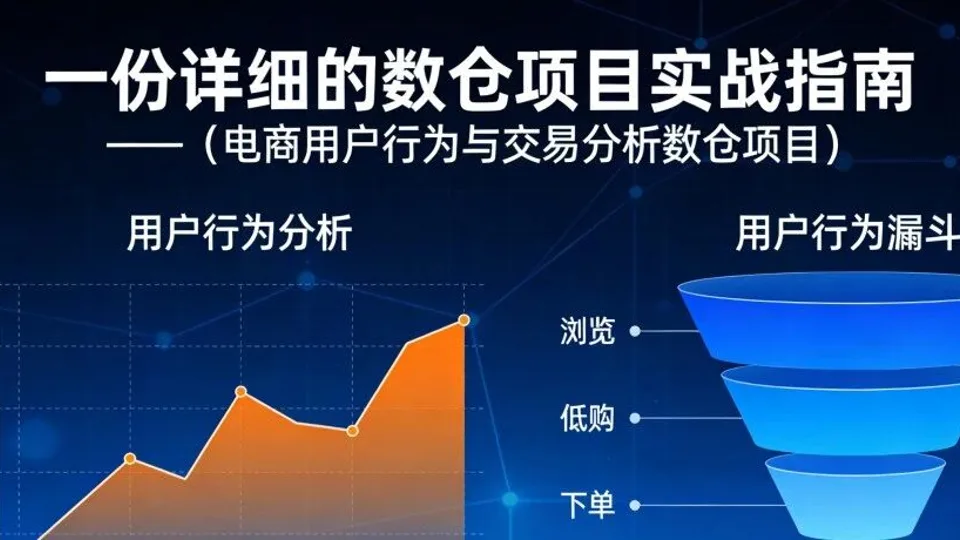
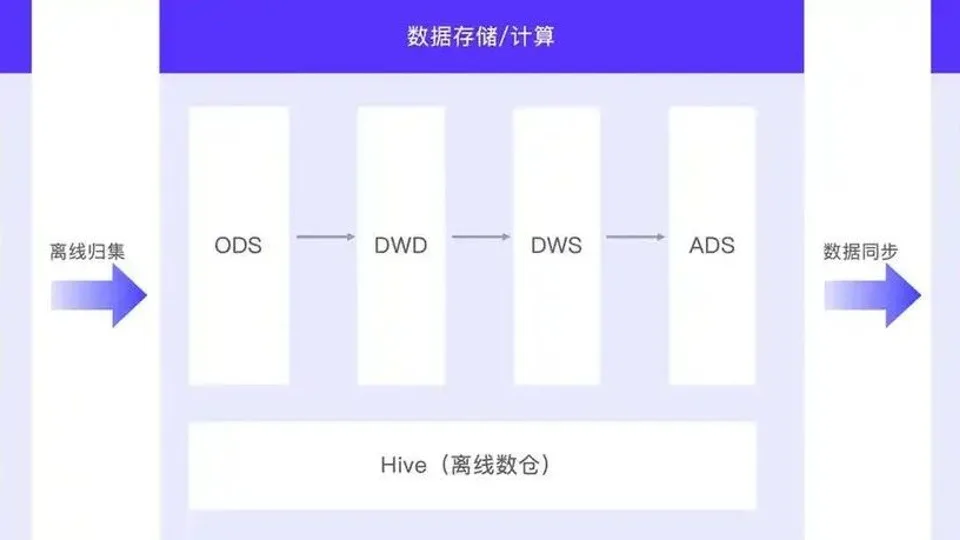
This guide walks you through designing and implementing a complete e‑commerce data‑warehouse project—from raw data ingestion and ODS/DWD/DWS/ADS layers to optional real‑time analytics—while highlighting interview‑ready resume tips, common pitfalls, and performance‑tuning tricks.
This article explains the challenges of frequent column changes in AI feature engineering, introduces Paimon’s column‑separation storage with a global continuous Row ID, details its Blob data type for efficient multi‑modal handling, and outlines production results and future roadmap for building an AI‑native data lakehouse.
This guide walks you through diagnosing Kafka consumer lag, from monitoring the current backlog and identifying root causes to applying scaling, partition adjustments, configuration tweaks, and temporary offset resets, while providing scripts, code samples, and best‑practice recommendations for reliable recovery.
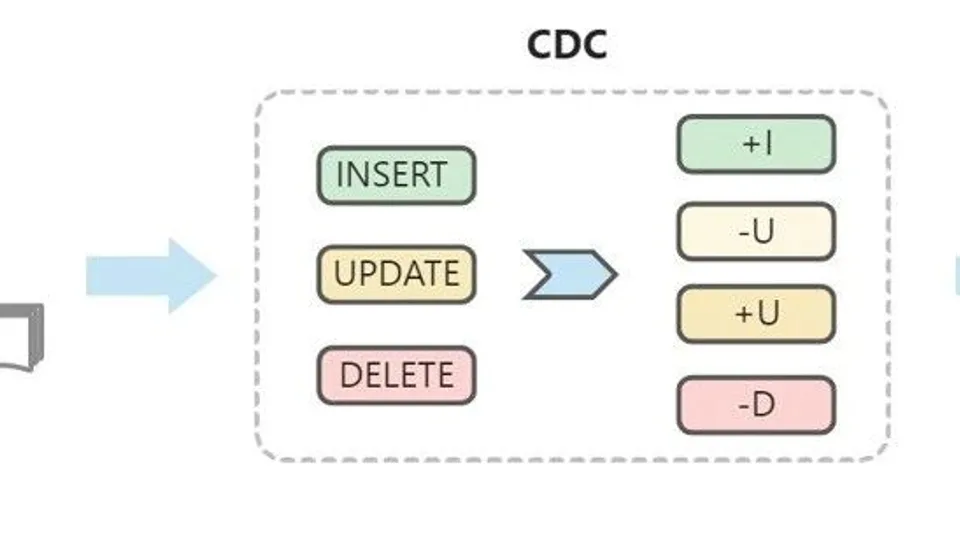
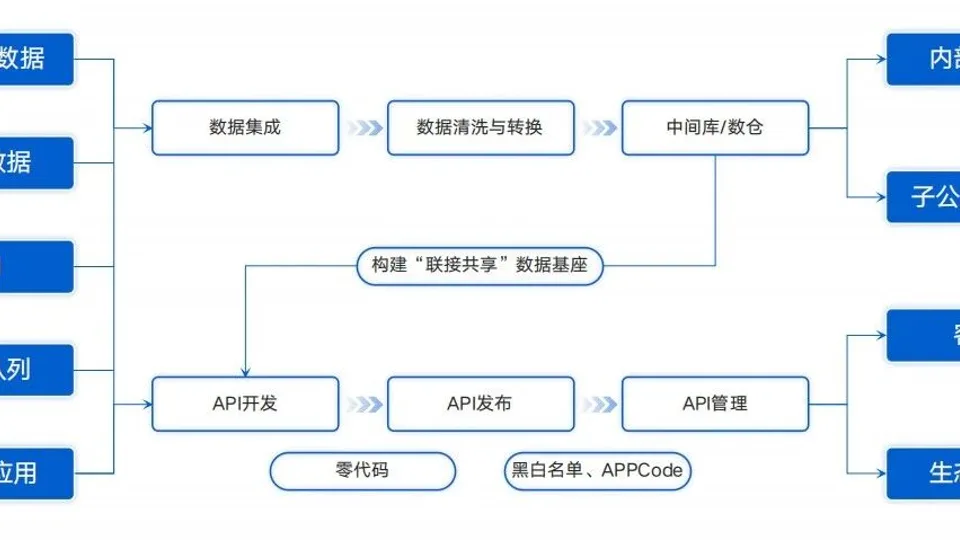
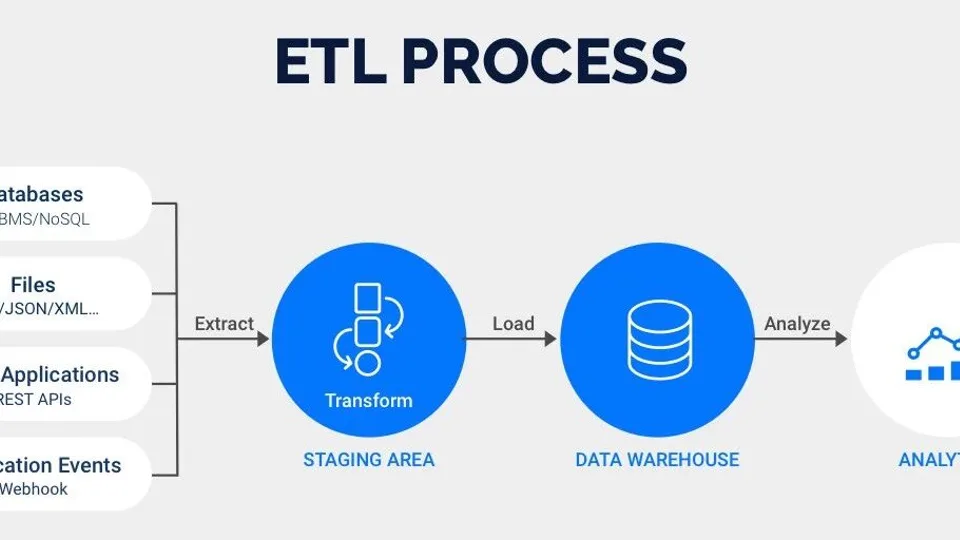
The article outlines common data‑integration pain points—scattered sources, messy formats, and slow cleaning—and then breaks down five core techniques (ETL, API integration, data synchronization, data virtualization, and CDC), offering practical steps, pitfalls, and selection guidance.
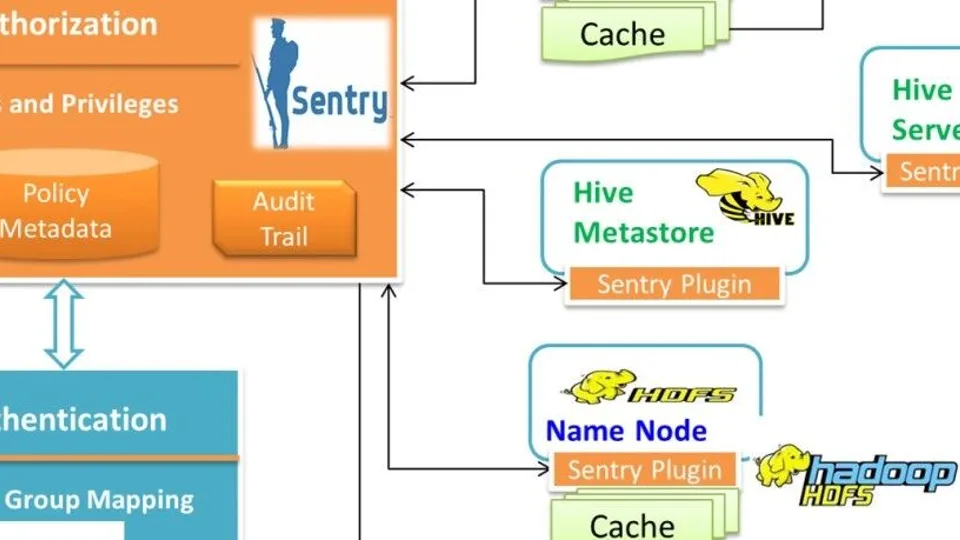
This article compares Apache Sentry and Apache Ranger, two open‑source frameworks for fine‑grained, role‑based access control in Hadoop ecosystems, detailing their architectures, integration points, policy configuration, and practical examples of row‑level and column‑level security.
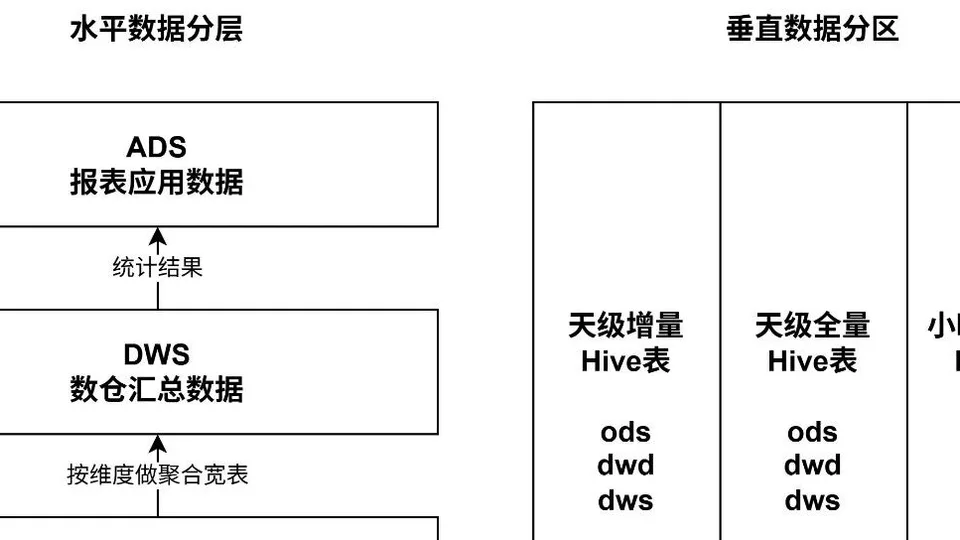
Backend developers need to understand both offline and real-time data warehouses; this guide explains data collection, layering, partitioning, typical use cases, archiving strategies, and how to build a real-time warehouse with Flink, covering practical steps, examples, and key considerations for efficient data processing.
The article walks through the evolution of data management—from idealistic visions and messy “shit mountains” to the realities of data lakes, metadata layers, governance challenges, trust breakdowns, and finally the promise of DataOps as a hopeful path forward.
A recent HDFS outage caused the Standby and Observer NameNodes to crash after heavy client load triggered block recovery failures, exposing a bug in commitBlockSynchronization that leads to mismatched block IDs and edit‑log inconsistencies, which can be fixed by applying HDFS‑17861.
The article clarifies the four data concepts—resource, asset, capital, and factor—explains their distinct criteria, common pitfalls, step‑by‑step implementation methods, and real‑world examples, showing how enterprises can transform raw data into profitable, shareable assets.
The article explains the fundamental differences between real‑time and offline data warehouses, outlines their distinct business demands, presents concrete use‑case scenarios, offers practical selection criteria, and argues that most enterprises benefit from a hybrid architecture rather than a strict either‑or choice.
This article explains what data integration really means, outlines its three core values, compares four mainstream integration patterns, details a five‑step implementation framework, highlights frequent pitfalls, and offers practical recommendations for enterprises of all sizes.
The article details how China Postal Savings Bank rebuilt its core account transaction query system with a distributed micro‑service and big‑data stack, achieving millisecond‑level responses for over ten years of data, boosting performance by 700% and enabling new intelligent services.
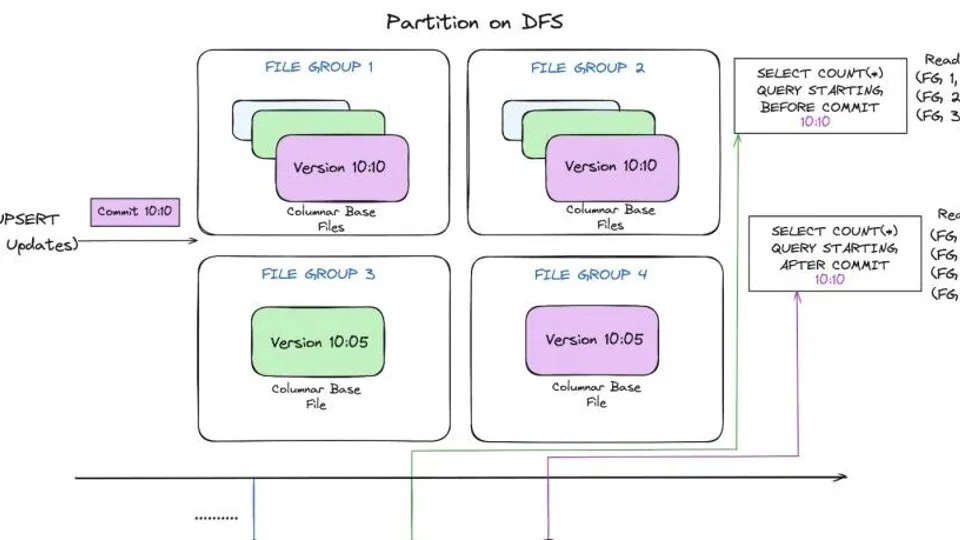
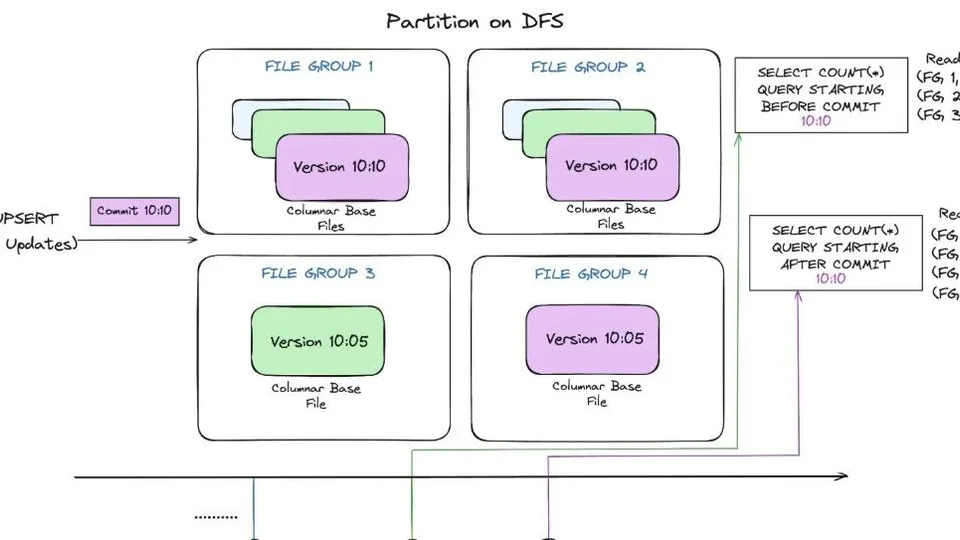
This article explains Apache Hudi’s core concepts, including its timeline architecture, file layout, indexing mechanisms, and the two primary table types—Copy on Write and Merge on Read—along with their trade‑offs and the various query modes such as snapshot, time‑travel, and incremental queries.
This article explains Apache Hudi’s core architecture, detailing the timeline mechanism, file layout, indexing strategies, the two main table types (Copy‑On‑Write and Merge‑On‑Read), and various query modes such as snapshot, time‑travel, read‑optimized and incremental queries.
Uber rebuilt its data‑lake ingestion pipeline with Apache Flink, replacing batch jobs with a streaming architecture that cuts data freshness from hours to minutes, lowers compute usage by 25%, and solves challenges like small‑file proliferation, partition skew, and checkpoint‑commit synchronization at petabyte scale.