This tutorial walks through building a simple blockchain in Java, covering core concepts, block and transaction structures, proof‑of‑work implementation, and exposing API endpoints via Servlets for creating transactions, mining blocks, viewing the chain, and achieving consensus across nodes.
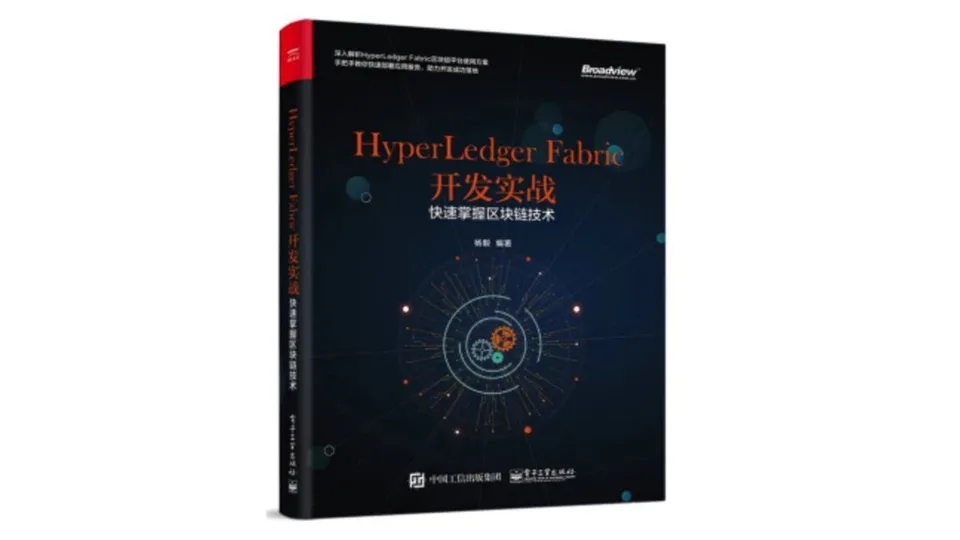
This guide walks you through every step of learning Hyperledger Fabric—from setting up the environment and deploying single‑ and multi‑node networks to developing, installing, and testing chaincode with Java SDK—providing a hands‑on roadmap for blockchain developers.
This article introduces the fundamentals of cryptocurrencies and blockchain, explains ICO concepts, and provides step‑by‑step guidance on using Bitcoin APIs—including commands like getnewaddress, listunspent, createrawtransaction, and sendrawtransaction—to develop and manage a crypto token project.
This step‑by‑step guide walks developers through setting up a blockchain development environment, creating and deploying an ERC‑20 token contract with Truffle and OpenZeppelin, and integrating the contract into an Android app using Web3j to query balances and perform token transfers.
This tutorial walks you through the complete process of setting up a local Ethereum node, developing and deploying a Solidity token contract with Truffle, generating Java wrappers using Web3j, and integrating the contract into an Android app to perform transfers and balance queries.
The article explains how blockchain, introduced by Satoshi Nakamoto in 2008, uses cryptographic hash functions, Merkle trees, proof‑of‑work, and digital signatures to create an immutable, trust‑minimized ledger, compares naïve and validated coin models, and contrasts public versus private blockchains while forecasting massive future growth.
This article compares Java and Solidity constructor concepts, shows how Solidity constructors were defined before and after version 0.4.22, demonstrates the required syntax changes with code examples, and explains the compilation warnings and errors that arise from version mismatches.
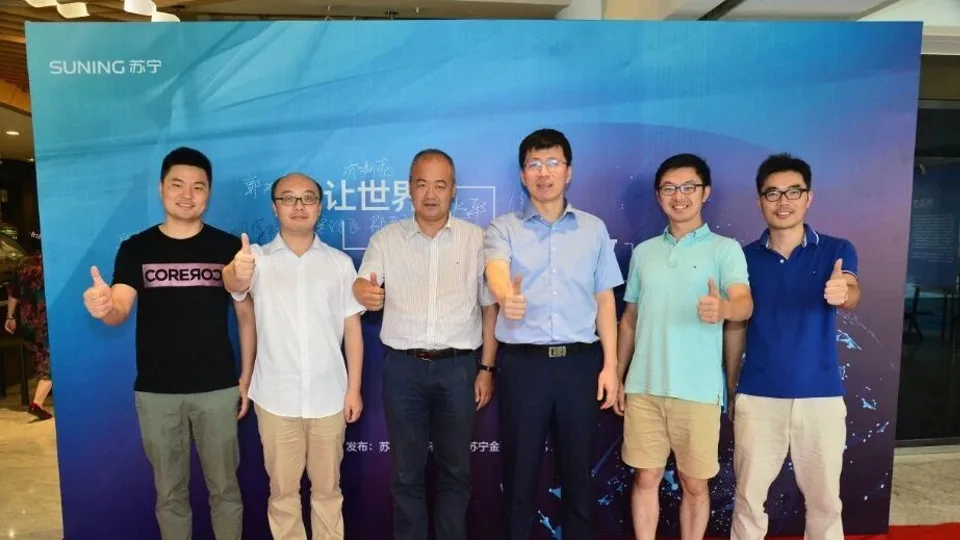
The Suning Blockchain White Paper, unveiled on July 20, details Suning’s blockchain architecture, multi‑scenario applications in retail, logistics, finance and culture, and includes expert commentary from university professors, positioning blockchain as a key driver for trust, data protection and smart retail ecosystem development.
When compiling a Solidity contract in Remix, the “mock compiler: source not found” error occurs because the compiler version isn’t specified, and the guide shows how to set the correct version in Remix settings or directly via the URL, plus tips for spotting low‑level syntax mistakes.
This article explains the purpose of the constant keyword in Solidity, its equivalence to view, the deprecation timeline, and why developers should replace constant with view or pure to avoid state‑modifying functions and unnecessary gas costs.
This guide explains why Remix shows two typical Solidity compiler warnings—missing visibility and missing pure mutability—and demonstrates step‑by‑step code modifications that remove both warnings while clarifying function visibility and state‑mutability modifiers.
This tutorial explains the fundamentals of blockchain by defining block and blockchain classes in PHP, detailing fields, hash generation with SHA‑256, constructing genesis and subsequent blocks, and providing complete example code with a test run that demonstrates how each block links to its predecessor.
This comprehensive guide walks developers through the fundamental principles of blockchain, covering monetary trust, cryptographic primitives, Bitcoin's transaction model, block structure, proof‑of‑work mining, security challenges, alternative consensus mechanisms, and real‑world applications beyond cryptocurrency.
This article explains Ethereum's core modules, transaction flow, account and UTXO models, state storage using Merkle‑Patricia tries, synchronization modes, and details Meitu's delegated proof‑of‑stake (DPoS) design, including its additional global state trees and practical deployment considerations.
An engaging dialogue explains blockchain fundamentals, the problems it addresses, its cross‑industry impact, and the core technical concepts such as peer‑to‑peer networks, cryptography, hashing, and Merkle trees, providing a clear overview for developers and enthusiasts alike.
Nasa.js, a 25 KB open‑source framework with nearly 20 APIs for Nebulas DApp development, is now available along with a step‑by‑step learning guide and a VIP community program offering priority support and incentives.
An analytical comparison of IBM’s Hyperledger‑based Blockchain‑as‑a‑Service and Microsoft’s Azure‑based, Ethereum‑focused BaaS reveals key differences in governance, protocol preference, ecosystem risk, and market strategy, illustrating how the two tech giants compete in the emerging enterprise blockchain space.
The article examines the technical, economic, and security challenges of deploying instant‑messaging services as decentralized applications on public blockchains, argues that a dedicated communication‑focused blockchain is more suitable, categorizes existing blockchain IM projects, and outlines why platform‑level communication requires a specialized chain.
The article examines low‑resource Eclipse attacks on Ethereum’s peer‑to‑peer network, compares them with Bitcoin’s Eclipse attacks, discusses the 2018 Geth v1.8.1 patch, and highlights the need for deeper research into blockchain infrastructure security.
Tendermint is a modular blockchain framework that separates consensus (a Byzantine‑fault‑tolerant Proof‑of‑Stake engine) from application logic via the ABCI, offering a three‑layer architecture—networking, consensus, and application—so developers can build custom chains in any language while leveraging Cosmos interoperability.