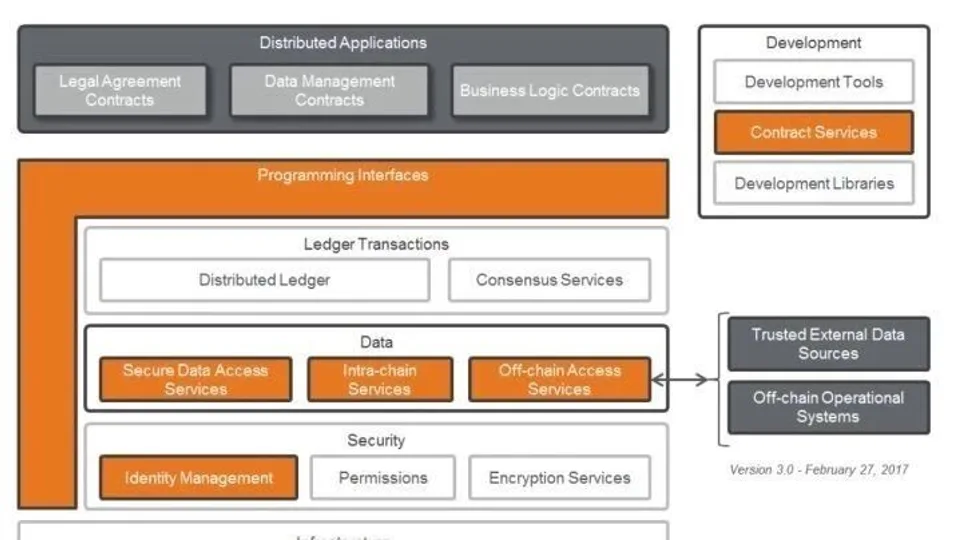
This article analyzes the US‑submitted blockchain reference architecture, outlines its six‑layer design, and offers practical guidance for domestic blockchain architects on infrastructure, security, data services, ledger, development tools, and interoperability.
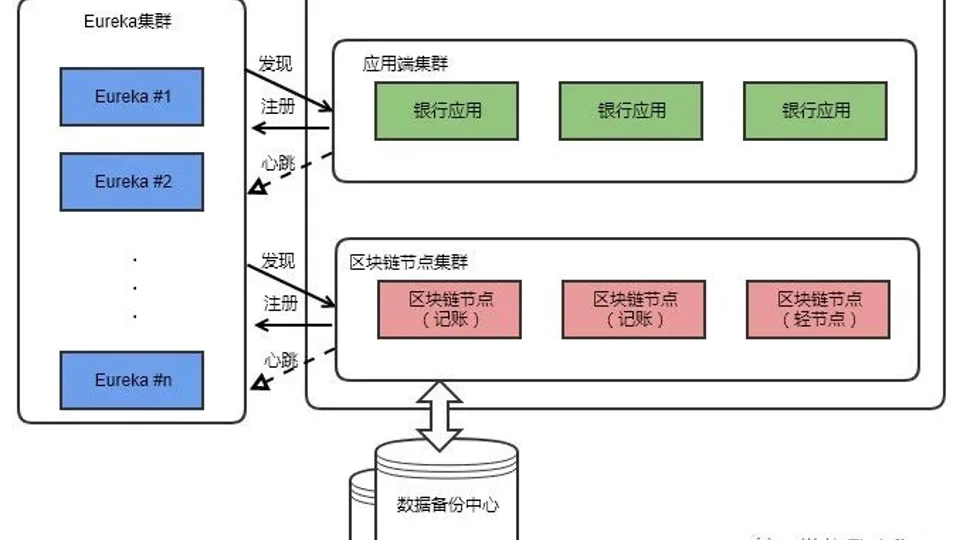
This article explains why banks should adopt blockchain systems, outlines three guiding principles, describes typical integration architectures, examines changes to reconciliation and transaction consistency, and offers practical solutions for identity verification, key management, and high‑availability deployment.
Telegram’s open‑source TON blockchain combines a master chain with dynamically sharded work chains, uses hyper‑cube routing for fast or reliable inter‑shard messages, employs PoS‑BFT consensus with validators, nominators and fishermen, supports services like DNS, Proxy, Storage and Pay, and manages a 5‑billion Gram token economy to enable scalable decentralized applications.
This article traces Bitcoin’s origins from early cypherpunk ideas through its explosive growth, cultural milestones like the Bitcoin Pizza Day, the rise of Chinese mining dominance, and the ongoing tension between decentralization ideals and emerging centralizing forces within the blockchain ecosystem.
This article uses a simple bedtime story about a magical village and a wooden sword to explain the core concepts of blockchain—decentralized, distributed ledgers maintained by all participants, tracking the full history of assets—to both children and adults.
The article summarizes the author’s takeaways from the GIAC Shenzhen conference, analyzing various public‑chain projects, their architectural choices, competitive focuses such as scalability, asset tokenization, DApp support, and the role of alliance chains in finance, traceability, and anti‑counterfeiting.
The article explains the soaring demand and high salaries for blockchain developers, outlines key technologies such as Solidity and Hyperledger, and reviews university courses, online bootcamps, and career‑transition advice for professionals seeking to enter the rapidly growing blockchain field.
This article explains the fundamentals of IPFS, covering its file system nature, content‑addressed Merkle‑DAG structure, the multi‑layer architecture (naming, merkledag, exchange, routing, network), IPLD data modeling, and libp2p’s modular networking stack, illustrating how data is stored, addressed, and transferred in a distributed manner.
This article explains how integrating Intel SGX's trusted execution environment with blockchain smart contracts enhances data confidentiality, enables complex computations, and addresses privacy and scalability challenges in decentralized data exchange for various applications.
The article explains IPFS as a peer‑to‑peer, content‑addressed storage system built on a five‑layer architecture, detailing how the Merkle‑DAG, Kademlia routing, IPLD’s multiformats, and libp2p’s modular network stack work together to enable decentralized, tamper‑resistant data storage and retrieval, complementing blockchain.
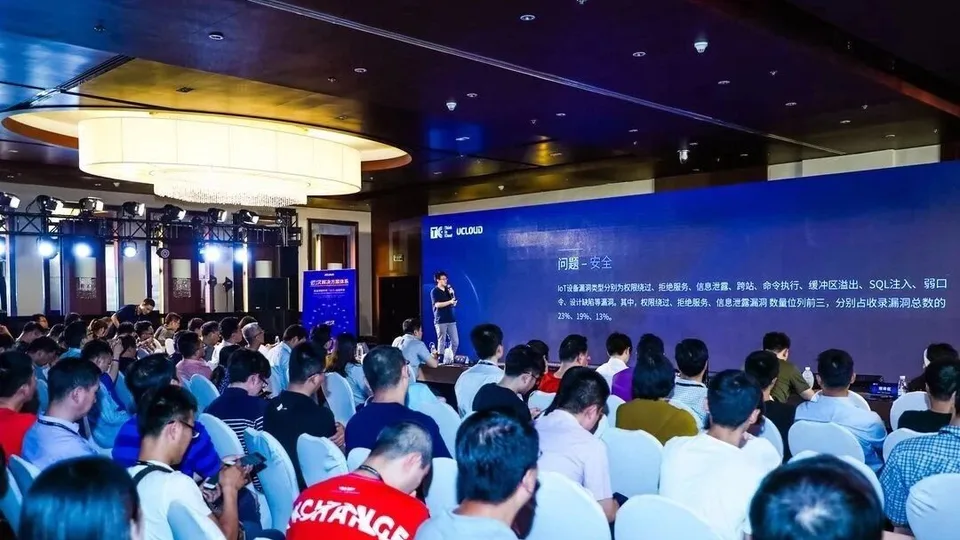
This article reviews the evolution of blockchain from Bitcoin's inception to its current role in securing data flow, explores business models, IoT integration, insurance use cases, and emerging security threats, while highlighting expert insights from the 2018 Think in Cloud conference.
The article argues that blockchain, merely a tamper‑evident transaction log, cannot solve real‑world problems because it does not ensure accurate data entry or trust, as illustrated by failed supply‑chain pilots and risky smart contracts, ultimately likening the technology to a “crypto‑medieval” illusion.
The article highlights a massive shortage of blockchain engineers, revealing that each developer receives about 14 job offers, outlines the top in‑demand skills such as Hyperledger Fabric, Ripple, and Solidity, and suggests pathways like iOlite, MOOCs, and headhunting services to become a blockchain developer.
The article examines how blockchain technology enables decentralized data marketplaces that let individuals reclaim control over their personal information, monetize it through smart contracts, and challenge the data‑driven advertising dominance of major tech giants such as Google and Facebook.
The article explores how software‑defined storage (SDS) can be combined with blockchain technology to address security, cost, performance, and efficiency issues of public cloud storage, detailing common principles, practical advantages, and examples such as IPFS and StorJ.
Dubai’s Roads and Transport Authority announced plans to introduce a blockchain-powered vehicle lifecycle management platform by 2020, aiming to provide transparent, immutable records from manufacturing to scrappage for all vehicles in Dubai and eventually the UAE, enhancing trust among manufacturers, regulators, insurers, and owners.
The article compares Raft, a crash‑only consensus used in private blockchains with leader election and O(N) communication, to PBFT, a Byzantine‑tolerant protocol for consortium chains that requires 3f+1 nodes, uses three‑phase messaging, O(N²) complexity, and different fault‑tolerance limits.
This article explains the fundamentals of Raft and PBFT consensus algorithms, compares their processes, fault tolerance limits, and suitability for private and consortium blockchains, and highlights key differences in leader election, message handling, and fault models.