Stablecoins, crypto assets pegged to real-world values, are rapidly expanding in 2025, offering low‑cost payments, investment safety, and a foundation for DeFi, while reshaping global finance through increased inclusion, regulatory scrutiny, institutional adoption, and emerging technological innovations.
Retail giants like Walmart, Amazon and Shopify are exploring or launching stablecoin solutions, with Shopify enabling USDC payments via Coinbase’s Base network, allowing merchants in 34 countries to receive local currency instantly, reduce fees, and earn 1% cash‑back, signaling a shift toward blockchain‑based commerce.
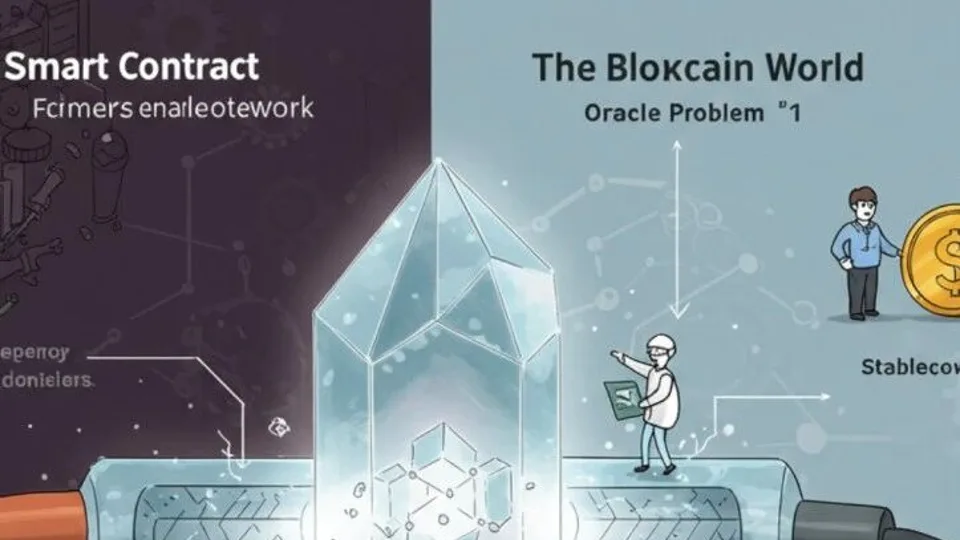
Smart contracts promise trustless automation, yet the critical challenge of verifying off-chain work remains; this article examines why stablecoins are essential for value stability, explores automated, decentralized human, and milestone-based oracle solutions, and outlines how a full trust ecosystem can finally bridge the on-chain/off-chain divide.
The article examines how modern platform monopolies act as digital landlords extracting rent from service providers, analyzes the network effects that cement their power, and explores how blockchain and smart contracts could create decentralized, trustless marketplaces that reduce fees, improve data sovereignty, and challenge existing platform dominance.
This article explains the relationship between private keys, public keys, and addresses in Ethereum, describes the signing and verification processes, and provides Python code examples using the eth_account library to generate keys, sign messages, verify signatures, and derive addresses.
Web3.0 introduces decentralized, blockchain‑based internet services that create performance bottlenecks, scalability, interoperability, and standardization challenges, and the article outlines how upgraded high‑performance blockchains, edge computing, modular micro‑service designs, cross‑chain solutions, and advanced security measures can help IT architectures meet these demands.
This article explores how PHP, with its ease of use, rich libraries, and strong community support, can be leveraged for blockchain development, covering its unique advantages, practical application scenarios, essential technical concepts, framework choices, and future prospects for creating decentralized, secure, and efficient applications.
The article examines how the shift from centralized Web2.0 to decentralized Web3.0 creates major architectural challenges—data scattering, smart‑contract security, high concurrency, and cross‑chain interoperability—and proposes technical solutions such as distributed storage, consistency algorithms, code auditing, caching, load balancing, and cross‑chain standards.
This article explains how REVM, a Rust‑based, modular Ethereum Virtual Machine implementation, enables developers to create custom EVMs—such as Optimism‑compatible chains—by leveraging the EvmWiring trait, zero‑cost abstractions, and extensible design without forking the core protocol.
This article explains blockchain by distinguishing its narrow definition as a cryptographically linked data structure from its broader view as a decentralized infrastructure, and then details blocks, headers, bodies, hash functions, chain structure, Merkle trees, timestamps, asymmetric encryption, P2P networking, data propagation, and validation mechanisms.
The paper proposes a decentralized electronic cash system that prevents double‑spending without trusted intermediaries by employing timestamped proof‑of‑work chains, incentivizing honest nodes, and detailing transaction structures, network operation, privacy, and security analyses.
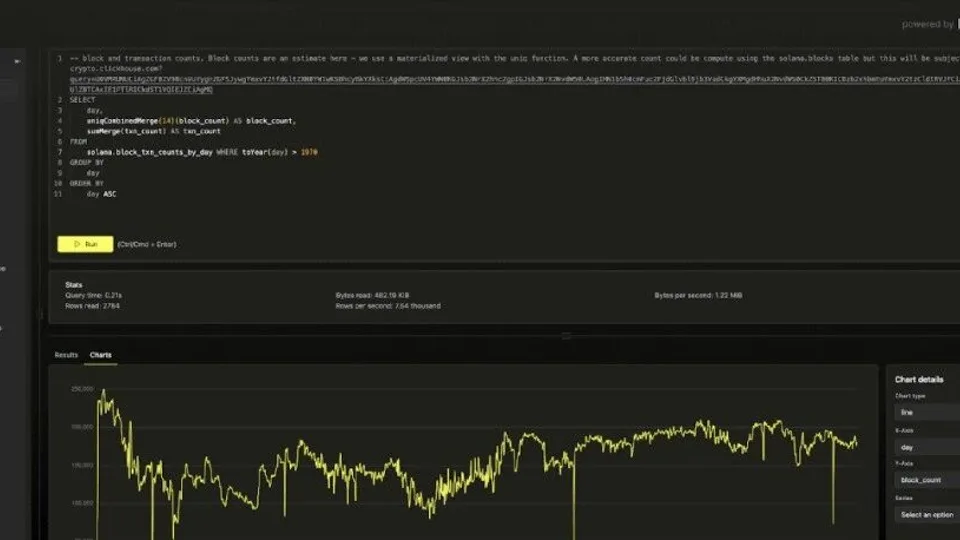
CryptoHouse is a free, real‑time blockchain analytics platform built on ClickHouse and Goldsky, offering SQL access to Solana and Ethereum data, with materialized views, fair‑use quotas, deduplication via ReplacingMergeTree, a lightweight UI, and detailed engineering insights.
This article provides a comprehensive overview of Ethereum, explaining what it is, how its external and contract accounts work, the mechanics of transactions and gas, the underlying network architecture, major client implementations, and how Hardhat facilitates smart‑contract development.
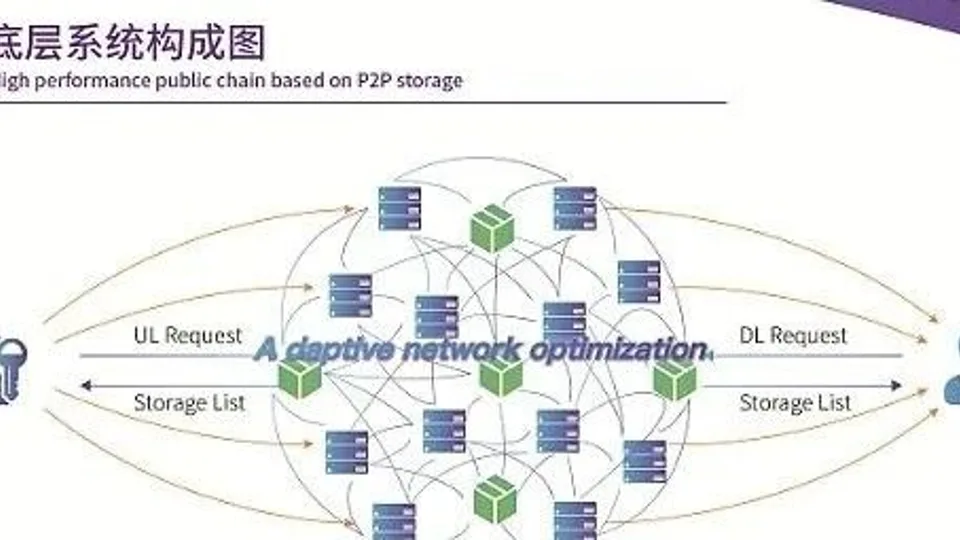
This article provides a detailed, step‑by‑step analysis of the go‑libp2p Swarm implementation, covering host creation, configuration defaults, transport registration, server listening, stream multiplexing with yamux, and the client dialing workflow including dial synchronization, backoff handling, and connection pooling.
This article explains the fundamentals of Proof of Work and Proof of Stake consensus mechanisms, compares their advantages and drawbacks, and introduces Bitcoin wallet types along with the step‑by‑step process of generating mnemonic phrases for hierarchical deterministic wallets.
This tutorial introduces the Flow blockchain, its unique sharding architecture, and ecosystem, then walks through installing the Flow CLI, using the Cadence Playground, writing and deploying a HelloWorld smart contract, and extending it with additional functions and scripts.
This article explains the Proof of Work consensus algorithm, detailing its cryptographic puzzle process, real‑world use in Bitcoin and Ethereum, its security benefits and drawbacks, and how emerging mechanisms aim to address its energy and scalability challenges.
A 12‑year‑old British boy created a series of pixel‑style whale drawings, used a Python script to generate NFT metadata, and sold the collection on the blockchain, earning more than 250 000 CNY in cryptocurrency while illustrating the growing popularity and speculative nature of NFTs.
Distributed knowledge organization, a novel knowledge management approach that stores information across multiple independent nodes, offers decentralization, efficient sharing, personalized learning, and continuous updates, with blockchain exemplifying its practice, while also facing challenges such as quality assurance, intellectual property protection, and integration.
This article explains how to construct and send Ethereum JSON‑RPC calls such as net_version through a WebSocket connection using the Web3j Java library, including source code analysis, request construction, and a practical example with console output.