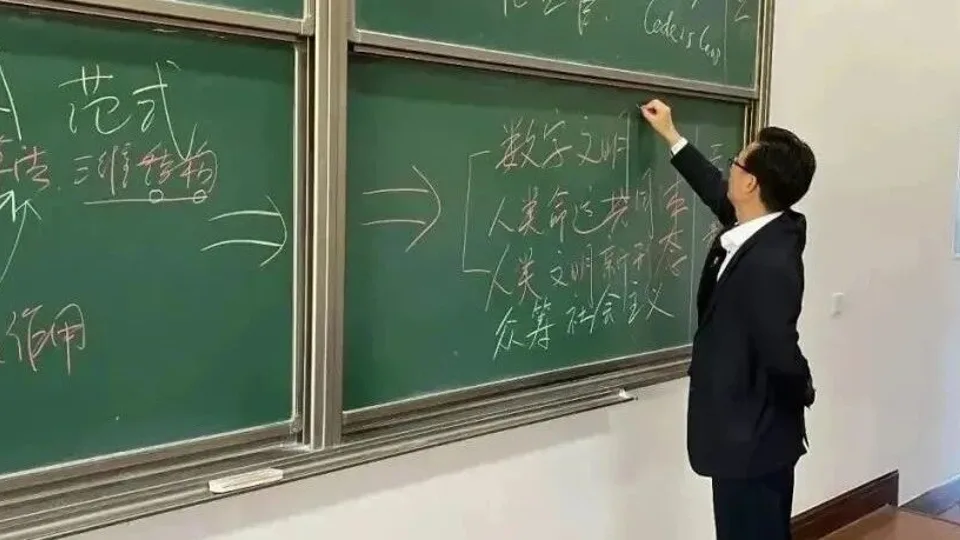
Ant Group and Renmin University successfully completed their collaborative "Blockchain Legal Teaching and Curriculum System Reform" project, which earned the 2022 Beijing Higher Education Teaching Achievement Award first prize and is being submitted for a national teaching award, highlighting a multidisciplinary talent‑cultivation model for blockchain and the digital economy.
The article explains how emerging collaboration models, privacy‑computing and blockchain technologies, together with evolving regulations and industry standards, enable secure and compliant financial data sharing, describing the technical foundations, evaluation criteria, and practical testing practices that support trustworthy FinTech products.
This article traces the history of the web from its early portal‑centric days through Web 2.0’s social and video innovations, highlights the shortcomings of centralized platforms, and explains how blockchain, decentralized autonomous organizations, NFTs and the metaverse shape the emerging Web 3.0 era.
Radia Perlman, the inventor of the Spanning Tree Protocol and dubbed the ‘mother of the Internet,’ argues that while decentralized blockchain promises freedom, its infrastructure remains unstable, and centralized systems still offer reliability, accountability, and practical benefits, making blockchain more hype than a core technology.
The Magician-Web3 toolkit now supports load‑balanced RPC endpoints, a configurable retry strategy for skipped blocks, and several fine‑tuned adjustments such as a reduced minimum scan period and simplified chain detection, with code examples illustrating the new features.
China’s blockchain market is maturing as digital‑government initiatives shift from rapid expansion to deep, collaborative innovation, with over 50 industrial parks, multi‑hundred‑million‑yuan projects, and Tencent Cloud’s leading solutions driving new applications, institutional cooperation, and a more favorable business environment.
Ant Group and China University of Mining and Technology jointly organized a blockchain security teacher training program, bringing together over 20 faculty members and 30 graduate students to discuss blockchain security talent cultivation, curriculum development, and industry‑academia collaboration amid a growing demand for security professionals.
This article presents a comprehensive overview of blockchain‑enabled trusted federated learning, covering privacy computing fundamentals, legal standards, technical classifications, real‑world use cases, the CMFL decentralized framework with committee consensus, experimental results, and future research opportunities.
Tencent's newly released 'Full‑Reality Interconnection' white paper outlines how seamless integration of real and virtual worlds—driven by metaverse, Web 3.0, audio‑video processing, digital twins and blockchain—can unlock free information and value flow across social, gaming, advertising and media scenarios, while its blockchain salon series promotes industry innovation and digital‑economy transformation.
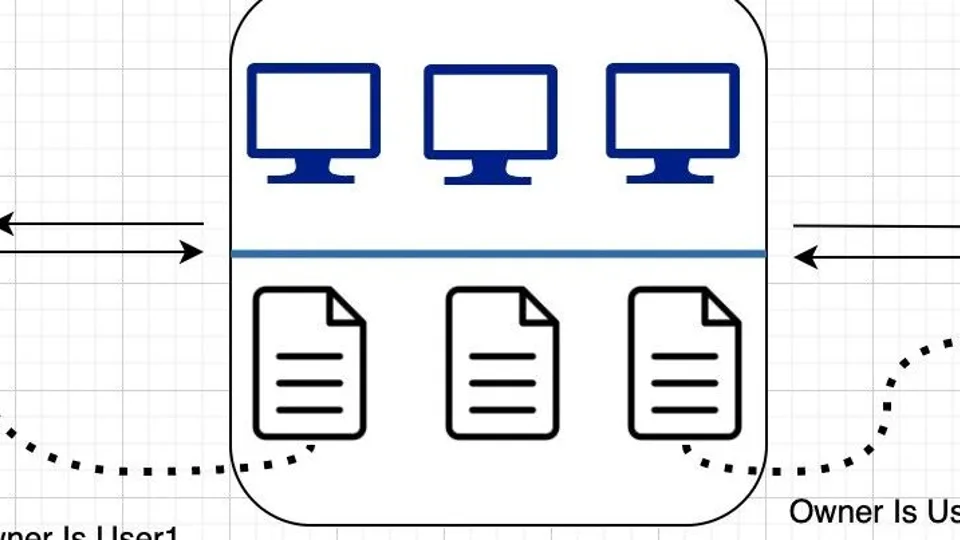
Understanding a Web 3.0 DApp’s architecture involves replacing the centralized database and backend of a Web 2.0 stack with Ethereum’s immutable blockchain and smart contracts, while the front‑end communicates via providers, uses off‑chain storage like IPFS, queries through events or The Graph, scales with Layer 2 solutions, and leverages tools such as Hardhat, Truffle, and Remix.
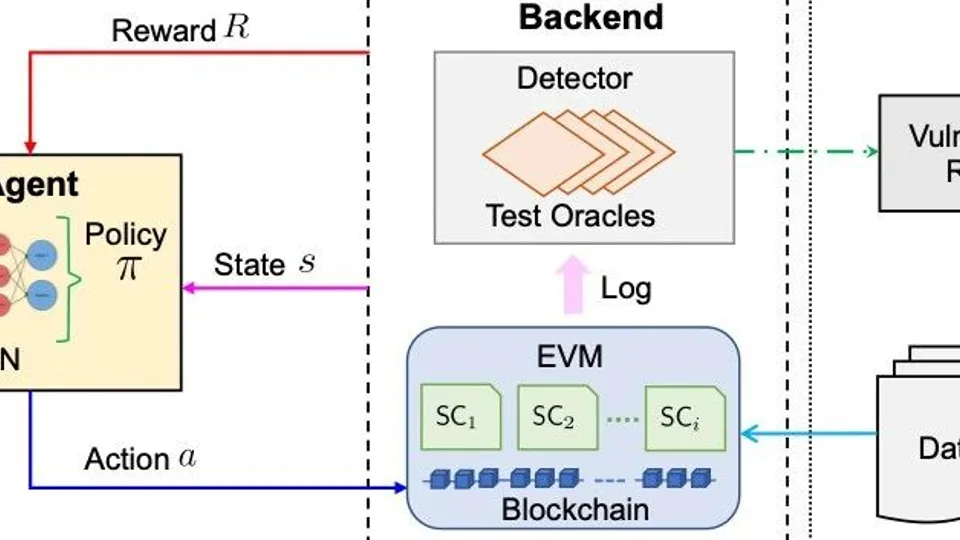
This paper presents a reinforcement‑learning‑based fuzzer (RLF) that generates transaction sequences likely to trigger smart‑contract vulnerabilities, combining vulnerability‑driven and coverage‑driven rewards to improve detection efficiency and outperform existing state‑of‑the‑art tools.
This article explains the progression from read‑only Web 1.0 through interactive Web 2.0 to the decentralized, user‑owned Web 3.0, detailing its fundamental concepts, blockchain foundations, and the implications for internet trust, ownership, and new business models.
This article outlines the progression from read‑only Web 1.0 through interactive Web 2.0 to the decentralized, user‑owned Web 3.0, explaining key concepts such as blockchain, digital identity, smart contracts, NFTs, DAOs, and the broader impact on internet trust and ownership.
The article traces the evolution from the read‑only Web 1.0 through the interactive Web 2.0 to the decentralized, user‑owned Web 3.0, explaining key concepts such as blockchain, smart contracts, NFTs, and the broader significance of decentralization for the future internet.
This article traces the evolution from Web 1.0’s read‑only static sites, through Web 2.0’s read‑write social platforms that still rent user data, to Web 3.0’s promise of read‑write‑own where users truly own digital assets, enabling permanence, cross‑platform use, tradability, and trust via decentralization.
The article explains Web3’s trust‑less model and smart‑contract fundamentals—from Bitcoin’s simple script to Ethereum’s gas‑metered EVM—examines design trade‑offs such as on‑chain versus signature‑based whitelists, outlines engineering practices for immutable bytecode upgrades, and describes consensus evolution from PoW to a hybrid PoS/PoA PBFT “High‑Energy Chain.”
This comprehensive guide walks beginners through the evolution from Web 1.0 to Web 3.0, explains blockchain fundamentals, gas fees, smart contracts, crypto wallets, and provides step‑by‑step instructions for setting up a secure wallet and launching a decentralized application.
This guide explains what a DAO is, why it matters, and provides a step‑by‑step roadmap—including naming, mission statements, community platforms, and the essential smart‑contract and token tools—to successfully create and run a decentralized autonomous organization.
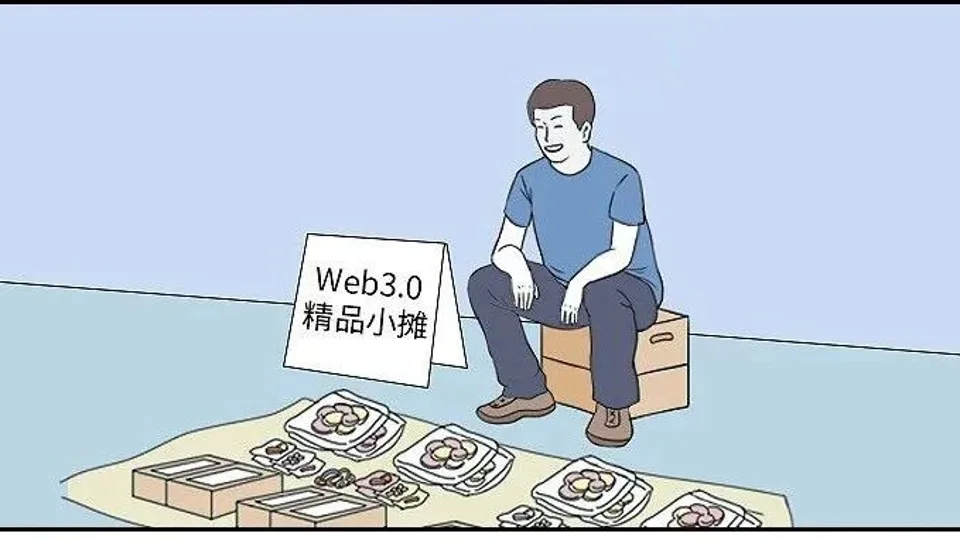
The article explores Web3.0 as the Internet's latest innovation—decentralized, word‑creating, and akin to a street stall—detailing its evolution from Web1.0 and Web2.0, the rise of DAOs, reduced friction and cost, emerging opportunities, and the risks and uncertainties faced by both enterprises and ordinary users.
This article provides a thorough overview of Web3.0, covering its evolution from Web1.0 to Web3.0, core blockchain concepts, NFTs, DAOs, gas fees, and presents a practical, step‑by‑step tutorial for building, testing, and deploying a decentralized application (DApp) using Solidity, Truffle, Ganache, and MetaMask.