The guide walks readers through Web3’s evolution from Web1.0 to blockchain‑driven Web3.0, explains core concepts such as decentralized ledgers, smart contracts, gas fees and consensus, then details DApp architecture and provides a step‑by‑step tutorial building a pet‑adoption DApp with Solidity, Truffle, MetaMask and a Vue/React frontend.
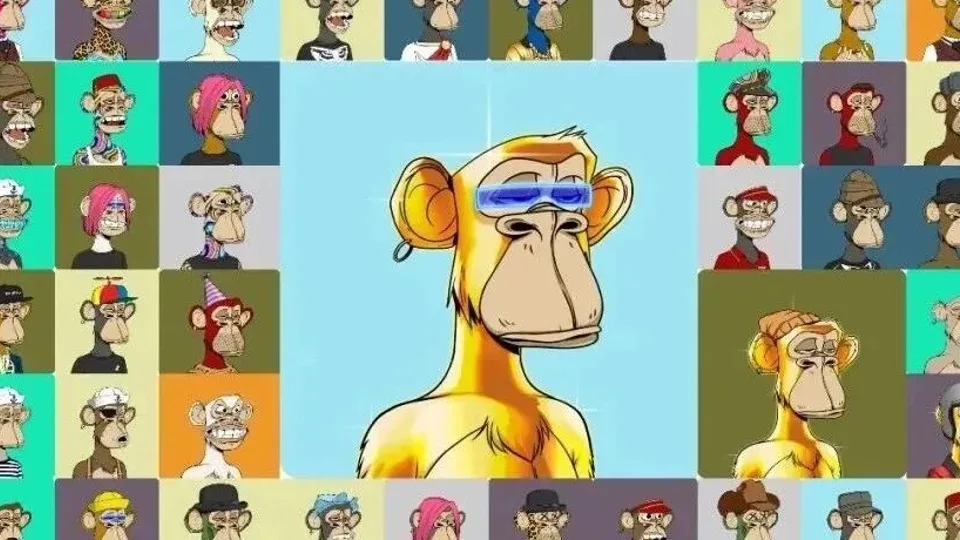
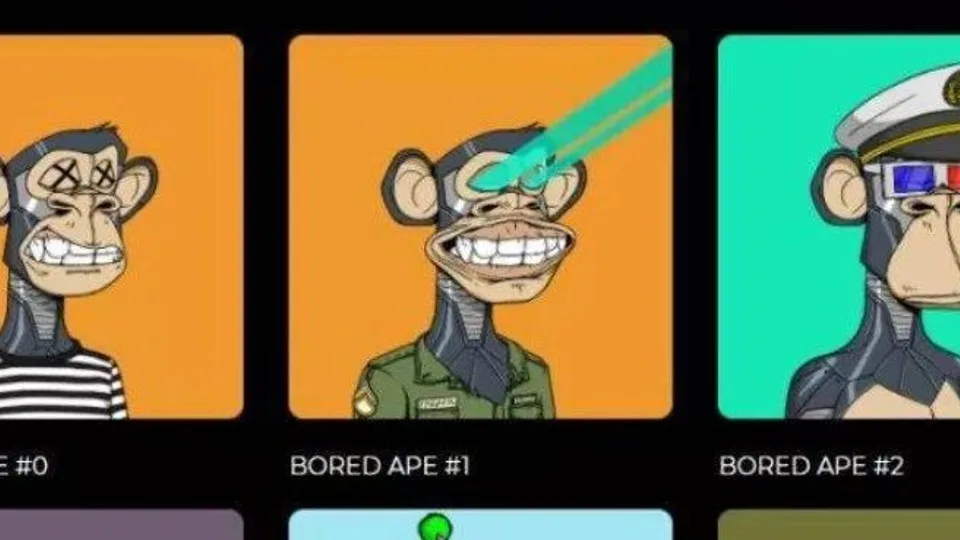
This article explains what NFTs are, traces their emergence from early blockchain experiments to the 2021 NFT boom, categorizes them into community, art, and low‑value types, and illustrates each with well‑known projects and market data.
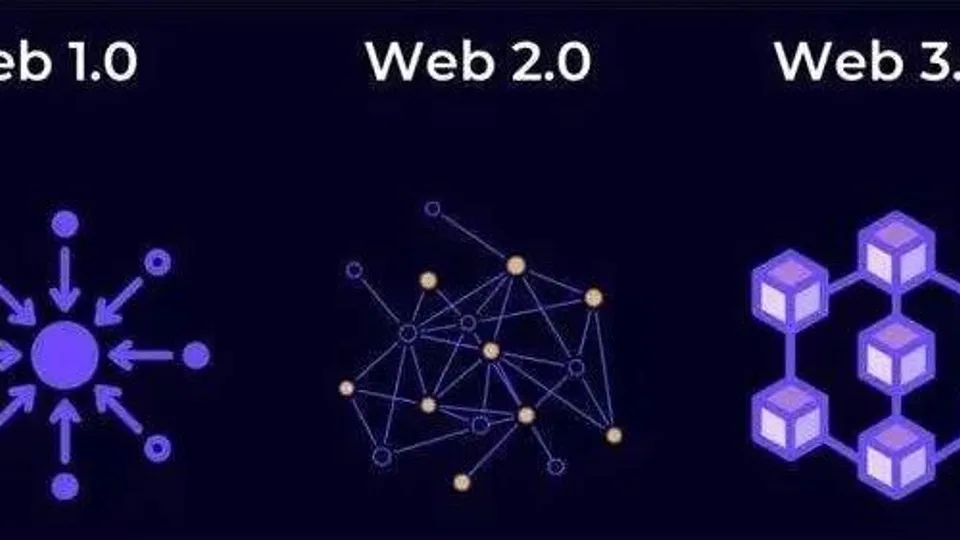
The article explains the evolution of the Internet from Web1.0 to Web3.0, describes major corporate initiatives by Google, Walmart and the NBA, analyzes why large enterprises are eager to adopt Web3.0, and outlines the future practical scenarios and challenges of the decentralized web.
This article walks through blockchain fundamentals, explains key concepts like decentralization, immutability, and proof‑of‑work, and provides a complete JavaScript implementation with code examples, testing steps, and a practical demo that records World Cup predictions.
This article introduces Web 3.0 concepts, explains blockchain architecture and Ethereum fundamentals, then walks through creating an ERC‑20 HPC token, setting up a Geth client, writing and deploying Solidity contracts, and building a MetaMask‑enabled front‑end deployed on IPFS.
The article explains the evolution of the web from read‑only Web 1.0 through read‑write Web 2.0 to the read‑write‑own vision of Web 3.0, describing its relationship with blockchain, decentralization, and the practical challenges of truly decentralized applications.
In 2022, many former internet professionals are redirecting their careers toward high‑potential sectors such as new energy, semiconductor manufacturing, and Web3, attracted by strong salary growth, abundant talent demand, and the promise of emerging technologies despite uncertainties and transitional challenges.
A bug in the AkuDreams 3D‑animation NFT auction smart contract locked 11,539.5 ETH (worth about $34 million) and prevented refunds, prompting the developer foobar and the project team to investigate, disclose two contract errors, and eventually offer a partial 0.5 ETH refund to affected bidders.
A critical logic mistake and a refund‑queue vulnerability in the Akutar NFT project's AkuDreams Solidity contract caused 11,539 ETH (about $34 million) to become permanently locked, illustrating how subtle coding errors can freeze massive crypto assets.
The article explains the fundamental differences between Web2 and Web3, emphasizing decentralization, verifiable trustless networks, native token payments, new company formation models, and identity management through wallet addresses, illustrating how blockchain-based protocols enable decentralized applications and token economies.
This guide outlines a step‑by‑step Web3.0 learning path covering fundamental computer science, frontend and backend web skills, decentralized application (DApp) concepts, smart‑contract development, and essential tools, enabling newcomers to become competent blockchain developers.
This article explains what non‑fungible tokens (NFTs) are, how blockchain and Bitcoin work, the role of Ethereum and ERC‑721 smart contracts, and explores practical uses of NFTs in both digital and physical contexts.
This article provides an overview of Web3, tracing its origins, contrasting it with Web1.0 and Web2.0, describing its decentralized architecture and development stack, and offering guidance for newcomers on tools, smart‑contract languages, and practical resources.
This article explains what NFTs are, how they differ from fungible assets, the underlying blockchain technology including Bitcoin and Ethereum, the mechanics of mining and consensus, and demonstrates the ERC‑721 smart‑contract interface that enables non‑fungible tokens.
This comprehensive guide walks developers from essential computer‑science fundamentals through front‑end basics, Solidity programming, and DApp construction, offering curated resources and step‑by‑step instructions to become proficient in Web3 and blockchain development within a year.
This article explains the concept of consensus in blockchain, compares private, consortium and public environments, and introduces key algorithms such as Paxos, Raft, PBFT, Proof‑of‑Work and Proof‑of‑Stake, highlighting their challenges and solutions.
This article explains what NFTs are, how non‑fungible tokens differ from fungible assets, the underlying blockchain technology including Bitcoin and Ethereum, and demonstrates the ERC‑721 smart‑contract interface that enables unique digital ownership.
The article explores the soaring prices of metaverse real estate, highlighting a player who spent $450,000 to become Snoop Dogg’s virtual neighbor in Sandbox, the rapid growth of virtual land sales, major investments from firms like SoftBank, and the broader implications for NFTs and the future digital property market.
The article explains how the metaverse differs from traditional online games by enabling user‑generated content, unique digital assets secured by NFTs and blockchain, and a decentralized economy built on cloud, 5G, and VR technologies, illustrating its impact on the industry.
This article offers a beginner-friendly overview of blockchain technology, covering the origins of Bitcoin, the Ethereum platform, smart contracts, oracles, and decentralized applications, while explaining how decentralized networks provide transparency, freedom, and security compared to traditional financial systems.