The Model Context Protocol (MCP) is emerging as a de‑facto standard for AI interactions, and cloud‑hosted MCP servers are gaining traction by lowering developer barriers, enhancing SaaS integration, meeting enterprise compliance, while also facing deployment speed, traffic variability, and complex logic challenges that serverless function compute aims to resolve.
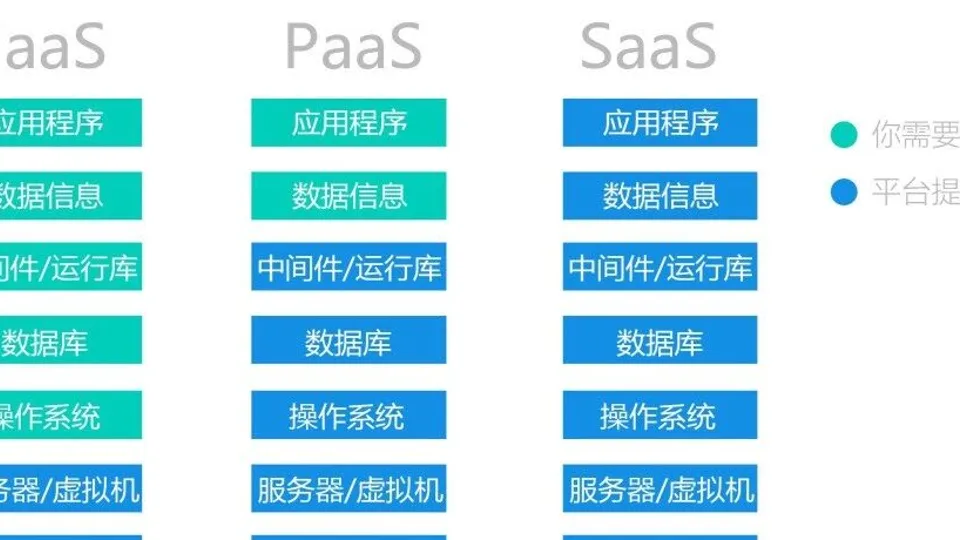
This article demystifies the cloud service models SaaS, PaaS, IaaS and the emerging aPaaS by using a pizza‑making analogy, outlining their core features, typical application scenarios, and the benefits of low‑code platforms for accelerating digital transformation in enterprises.
This guide explains how Alibaba Cloud's ACK One multi‑cluster application distribution works, outlines its key capabilities such as intelligent resource scheduling and gang scheduling, and shows step‑by‑step how to convert a single‑cluster CD pipeline into a multi‑cluster continuous delivery system using Cloud Effect.
This 148‑page PowerPoint offers a thorough, still‑relevant overview of virtualization, detailing its core concepts, hardware mechanisms, software implementations, XEN and KVM architectures, peripheral virtualization, and the relationship to containers and Docker.
This article provides a comprehensive overview of Docker, covering its role as a cloud‑native platform, the concepts of containers, images, and registries, and explains the underlying Linux kernel features such as namespaces, cgroups, and UnionFS that enable lightweight virtualization.
This guide explains how to create a lightweight, extensible Alibaba Cloud OpenAPI MCP Server using only ten lines of Python, covering MCP fundamentals, tool registration via OpenAPI metadata, configuration, code examples, and client setup to enable seamless LLM integration with external services.
Understanding SaaS architecture involves grasping cloud service models—PaaS, IaaS, SaaS—recognizing its subscription‑based, hosted nature, classifying business, efficiency, and hybrid solutions, and implementing core components such as security, data isolation, configurability, zero‑downtime upgrades, and multi‑tenant designs using vertical, shared, or domain‑segmented isolation.
This article explains what KVM is, lists its advantages and drawbacks, and provides a step‑by‑step tutorial—including repository configuration, required package installation, kernel module verification, libvirtd service setup, network bridge creation, storage pool and volume creation, ISO import, and virtual machine provisioning—complete with command snippets and screenshots, culminating in a fully functional CentOS 7 VM.
This article explains the AWS CloudWatch Container Insights pod_cpu_utilization metric, its calculation as a percentage of node CPU, compares it with kubectl top, and introduces the related Pod CPU utilization over pod limit metric for effective Kubernetes resource monitoring.
This tutorial walks through a complete OpenStack installation on VMware, covering single‑node and dual‑node configurations, network setup, yum repository preparation, Keystone and Nova service management, security groups, floating IPs, and Neutron networking, with full command‑line examples.
Bilibili's R&D built a cloud-based broadcast console for the 2024 CCTV Spring Festival Gala, delivering 4K HDR streaming, AI SDR-to-HDR conversion, low latency, bandwidth‑aware transcoding, and a synchronized “send bullet screen” interactive feature using custom SEI timestamps for hundreds of millions of viewers.
iQIYI replaced its limited private‑cloud DNS by a hybrid‑cloud Anycast solution that uses an Enterprise Router with BGP‑advertised Anycast IPs and GRE tunnels to integrate public‑cloud DNS nodes, delivering unified, elastic domain resolution, rapid failover, and centralized management across IDC and cloud environments.
This article outlines the complete cloud computing technology stack, from foundational resource virtualization and shared infrastructure to advanced services such as AI/ML platforms, serverless computing, edge and quantum cloud offerings, highlighting their roles, key components, typical scenarios, and why enterprises should choose the right combination for cost, scalability, and security.
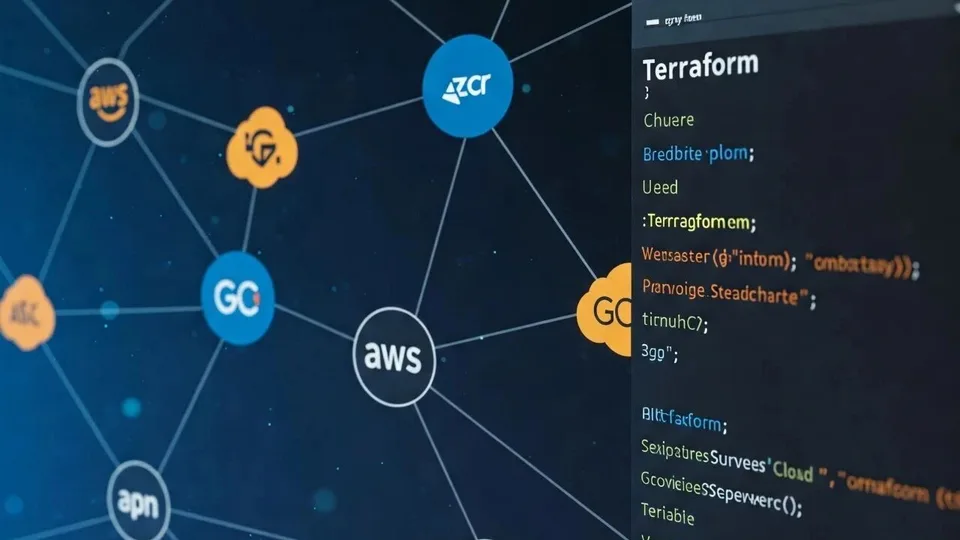
This article explores Terraform’s rise as the leading Infrastructure as Code tool, detailing its declarative language, multi‑cloud support, state management, modular design, and vibrant ecosystem, while speculating on its role in Google Firebase Studio’s development environments.
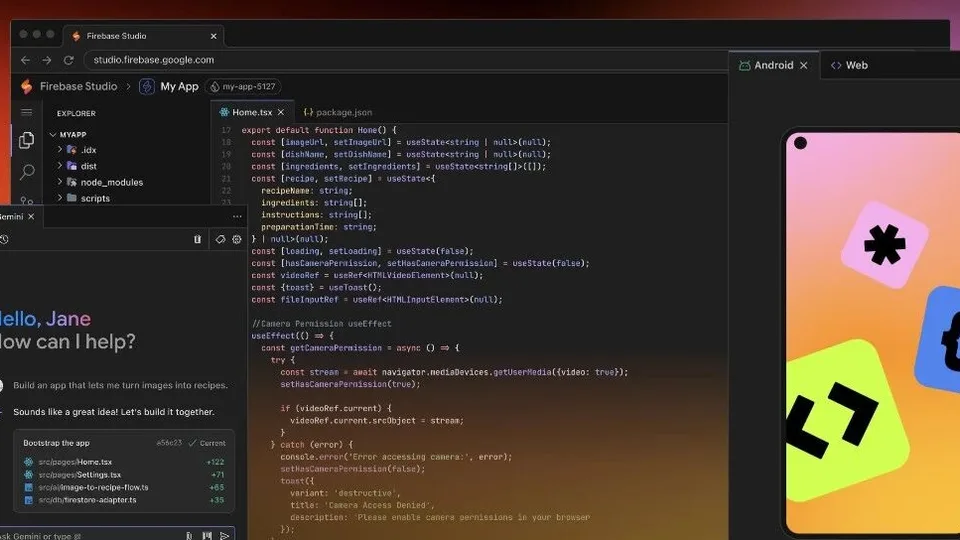
Google’s Firebase Studio is a browser‑accessible, cloud‑native development environment that leverages Gemini AI to generate, debug, and test full‑stack applications across backend, frontend, and mobile frameworks, offering project templates, customizable environments, and one‑click deployment to Google Cloud services.
This article provides a comprehensive overview of Ceph distributed storage, covering storage fundamentals, Ceph architecture, advantages, version lifecycle, and step‑by‑step deployment using ceph‑deploy, including environment preparation, monitor and OSD setup, manager configuration, and dashboard activation.
This guide explains how Alibaba Cloud's ACK One registered cluster provides multi‑region serverless GPU compute scheduling, addressing AI workload elasticity by using region‑specific labels, ResourcePolicy, and the ack‑co‑scheduler to automatically balance resources across regions.
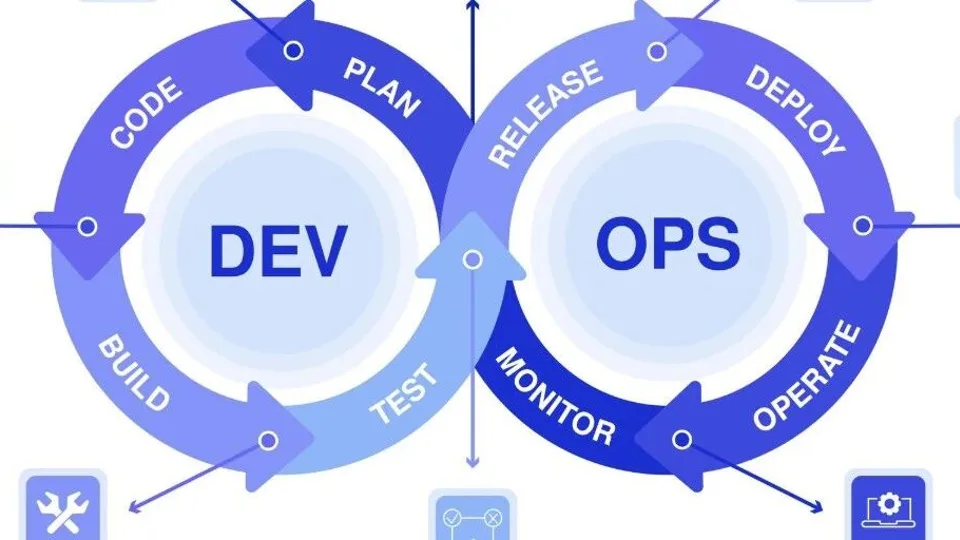
This article explains how to combine Jenkins pipelines with Terraform to automate the provisioning, configuration, and lifecycle management of AWS cloud resources, offering a practical DevOps workflow that enhances efficiency, reliability, and scalability through Infrastructure as Code and CI/CD practices.
This article walks through using Alibaba Cloud Serverless Application Engine (SAE) to deploy the open‑source Dify AI platform together with an MCP Server, covering resource preparation, template‑based installation, agent configuration, testing, and how SAE’s built‑in CI/CD, elasticity and high‑availability features address common production challenges.
This article explains the workflow of OpenStack's core components—including Keystone, Glance, Placement, Nova, and Neutron—detailing their roles, interactions, and key concepts such as users, tokens, projects, services, endpoints, and networking types, providing a comprehensive overview for cloud engineers.