This article explains how to combine Alibaba Cloud's MCP Server with large language models to enable natural‑language operations on cloud products, covering setup, tool selection, OAuth authentication, code examples, troubleshooting context‑length limits, and future enhancements for more efficient, secure cloud management.
This guide explains why storing AWS access keys in config files is risky, how IAM roles eliminate those risks, and provides a three‑step, code‑free process to grant a Java application running on EC2 secure, temporary credentials via the AWS SDK.
A massive outage on June 12, 2025 crippled Google Cloud, AWS, and Azure, exposing the hidden risks of multi‑cloud architectures as a simple NullPointerException cascaded into a global digital infrastructure failure.
The article explains Elastic Scaling Service (ESS), also known as Auto Scaling, detailing its core features such as dynamic resource adaptation, high‑availability guarantees, cost control, and multi‑cloud integration, and walks through its workflow, typical use cases, rule types, and best‑practice recommendations for effective vertical scaling of cloud workloads.
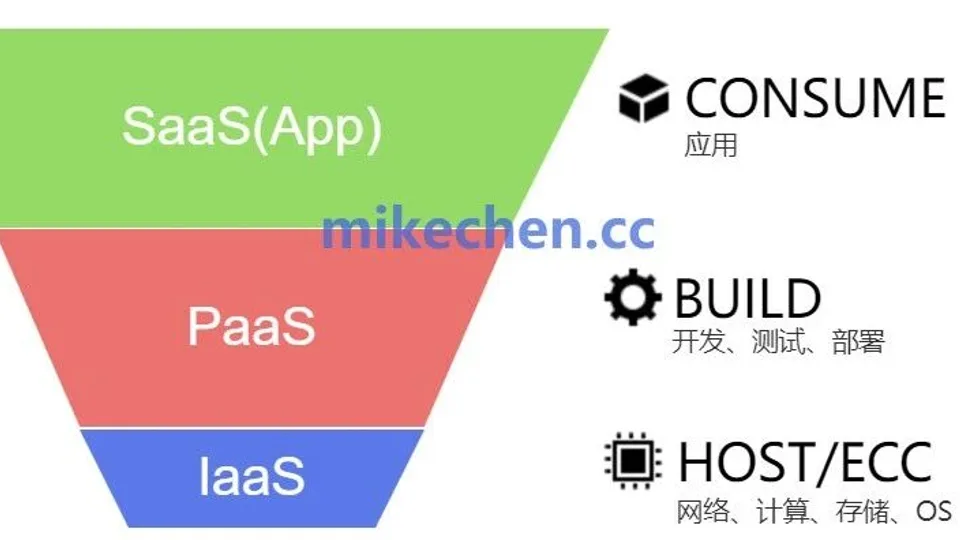
Cloud computing, a pivotal technology of the future, delivers on-demand computing resources via the internet, encompassing virtualization, storage, parallel processing, and automation, and is offered through three service models—Infrastructure as a Service, Platform as a Service, and Software as a Service—each illustrated with clear analogies and diagrams.
A Content Delivery Network (CDN) is a globally distributed set of servers that cache web assets, route user requests to the nearest edge node, and provide faster load times, lower latency, reduced origin load, higher availability, security features, and support a wide range of application scenarios.
The June 2025 Google Cloud outage, caused by an untested code change that triggered a NullPointerException, crippled over 70 core services worldwide, prompting a rapid technical fix, public apology, and industry‑wide reflections on cloud stability, fault tolerance, and deployment practices.
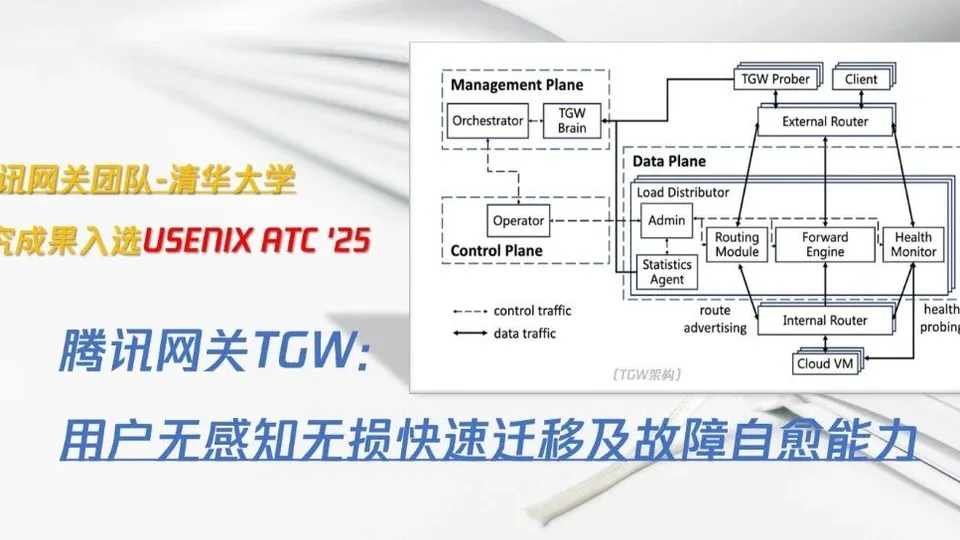
The paper presents Tencent’s TGW cloud gateway architecture, highlighting a 2.9× forwarding performance boost, lossless state migration within 4 seconds, sub‑minute fault detection, multi‑level fault‑tolerance mechanisms, and operational best practices that enable 100 % availability for massive online services.
The article explains what a Virtual Private Cloud (VPC) is, how it creates an isolated, customizable network on a cloud provider, outlines its core components such as subnets, gateways, and peering, and details security designs, traffic flows, and advanced scenarios like high‑availability and hybrid cloud integration.
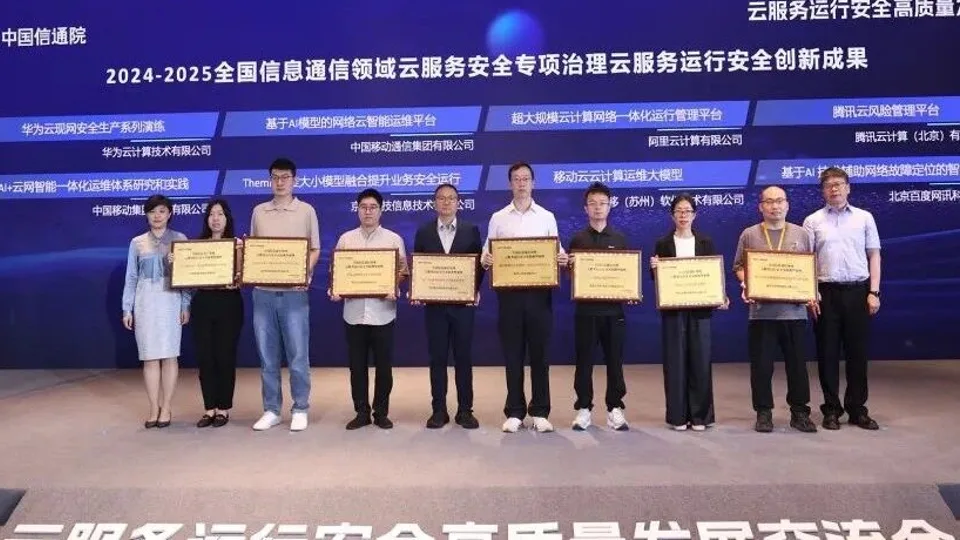
This article examines Alibaba Cloud’s Qi Tian integrated operation‑management platform, detailing the challenges of massive cloud network management and the innovative data‑fusion, automated change, intent‑aware monitoring, and multi‑plane self‑healing technologies that enable secure, high‑performance operation at million‑device scale.
Volcano Engine, ByteDance’s cloud arm, is rapidly reshaping China’s cloud computing landscape by achieving record revenues, capturing a dominant share of large‑model token usage, and leveraging aggressive low‑price strategies to challenge Alibaba, Huawei, Tencent and Baidu.
Volcengine’s vRDMA brings high‑performance, low‑latency RDMA acceleration to cloud VPCs, combining self‑developed congestion control, elastic ENI integration, and compatibility with HPC, AI, and big‑data workloads to deliver up to 320 Gbps bandwidth and microsecond‑level latency.
The article provides a detailed technical overview of Alibaba Cloud's Object Storage Service (OSS), covering its architecture, features such as massive scalability, lifecycle management, versioning, cross‑region replication, security mechanisms, access methods, and common use cases like static website hosting, big‑data analytics, backup, and multimedia processing.
This article analyzes the design differences between OSSFS 1.0 and OSSFS 2.0, presents detailed performance benchmarks for sequential and concurrent file operations, and demonstrates how the optimized OSSFS 2.0 client improves AI model loading and Kubernetes storage integration.
An extensive collection of 2025 Linux cloud computing interview questions—covering fundamentals, system architecture, security, shell scripting, networking, load balancing, and practical command‑line tasks—provides job seekers with a ready‑to‑study resource to master the knowledge most interviewers demand.
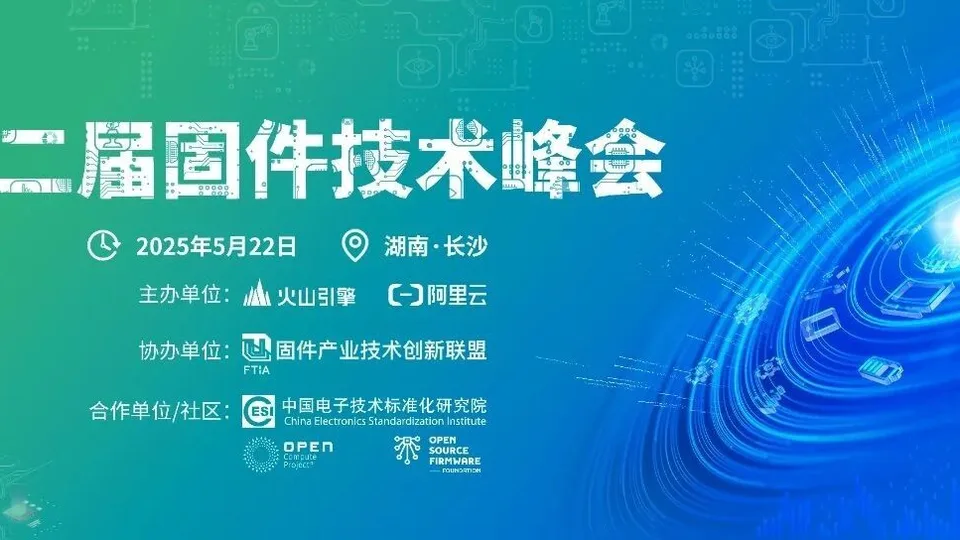
The second Firmware Technology Summit in Changsha, co‑hosted by Volcano Engine and Alibaba Cloud, gathered over 200 experts to showcase cloud firmware 3.0, OpenSFI, Efistub, AI‑focused RAS, and a new IPMI‑HTTPS security model, highlighting open‑source collaboration and industry standards for next‑gen hardware‑software integration.
Learn how to design, configure, and deploy a Ceph distributed storage cluster using ceph‑deploy, covering storage fundamentals, Ceph architecture, component roles, network planning, OS preparation, mon, mgr, osd setup, and dashboard activation, with detailed commands and best‑practice recommendations for production environments.
This article explains what CPU steal time is, how to view it with the GNU top command, why it occurs in virtualized environments, and provides practical guidelines for interpreting and addressing high steal‑time values to ensure stable cloud VM performance.
The article presents a comprehensive analysis of Tencent's TGW cloud gateway, detailing its modular architecture, high‑performance forwarding plane, lossless state migration, rapid fault recovery, multi‑level redundancy, operational best practices, and security mechanisms that enable ultra‑low latency and high availability for large‑scale internet services.
This article explains what bare metal servers are, their key features such as exclusive hardware use, cloud‑style management, and zero virtualization overhead, compares them with traditional physical servers, outlines use cases like AI, big data, and HPC, and details the OpenStack Ironic and DPU‑based implementation by MaShang Cloud.