This article examines the common “list‑but‑cannot‑download” problem in multi‑account Amazon S3 environments, explains why bucket‑owner and object‑owner separation causes permission failures, and presents two practical solutions—disabling ACLs or adjusting ACL settings—along with detailed bucket policies, IAM roles, and CLI commands to implement them.
The Mantle system, presented in a SOSP'25 paper by Baidu's storage team and collaborators, delivers a distributed hierarchical namespace for cloud object storage that overcomes traditional scalability and performance limits, enabling massive data lake workloads with dramatically reduced latency and vastly increased throughput.
From the early days of per‑hour VM rentals to today’s millisecond‑granular, resource‑aware pricing, serverless function compute has transformed its billing models across three stages, each driven by advances in request boundary detection, concurrency handling, and AI‑centric resource consumption, aligning cost with actual usage.
VSOCK provides a high‑performance, low‑latency, secure guest‑host communication mechanism that avoids TCP/IP overhead, supports bidirectional data transfer, and simplifies configuration, with demonstrated 90% latency reduction and 12× throughput gains over traditional IP or virtio‑serial methods in cloud virtualization scenarios.
This guide introduces Terraform, an open-source IaC tool, covering its core concepts, key features, installation steps, command hierarchy, and execution workflow, enabling readers to confidently automate and manage cloud and on-premise infrastructure using declarative configurations.
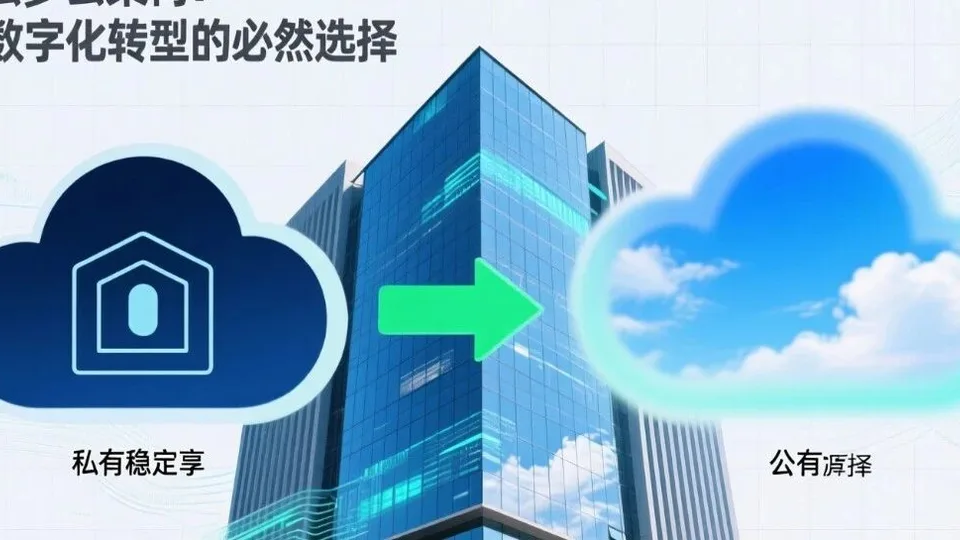
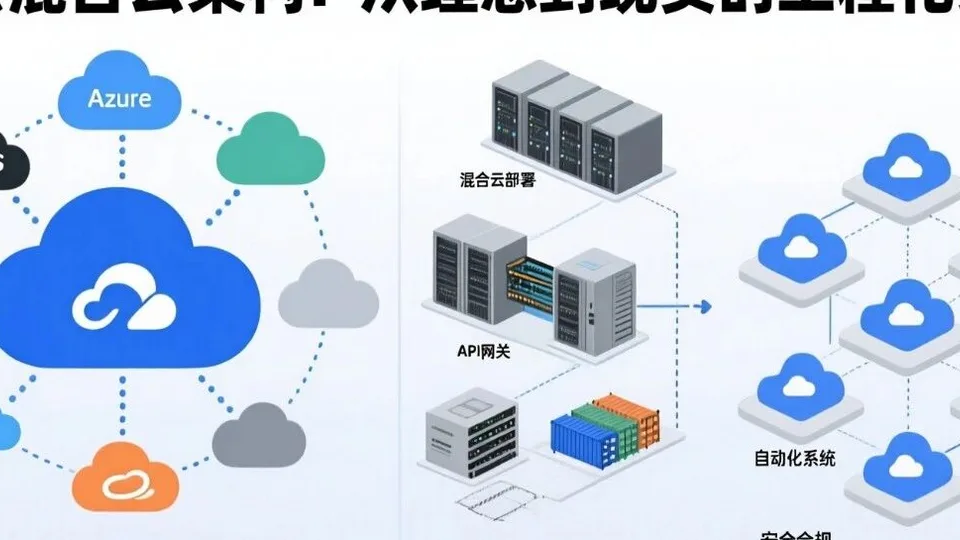
Enterprises are shifting from single‑vendor cloud adoption to multi‑cloud and hybrid architectures, driven by concerns over vendor lock‑in, compliance, cost, performance, and resilience, with Kubernetes providing a unified layer to orchestrate workloads across AWS, Azure, and Alibaba Cloud.
A $40 billion deal sees Bain Capital sell its Chinese data‑center assets to Shenzhen Dongyangguang, highlighting how AI‑driven compute demand is transforming data centers into strategic, high‑growth investments attracting diverse capital players.
This article examines the technical essence, drivers, challenges, and practical solutions—including Kubernetes, service mesh, and Terraform—for building secure, cost‑effective multi‑cloud and hybrid cloud architectures while avoiding vendor lock‑in.
This comprehensive guide walks you through KVM virtualization architecture, host preparation, installation, network design, storage management, performance tuning, high availability, security hardening, monitoring, and automation, providing practical scripts and real‑world examples to build a robust, production‑grade virtual environment.
This article examines the true cost‑saving potential of Serverless architectures, explains when they shine, breaks down direct and hidden expenses, warns about common pitfalls, and offers a step‑by‑step migration guide for teams considering the shift.
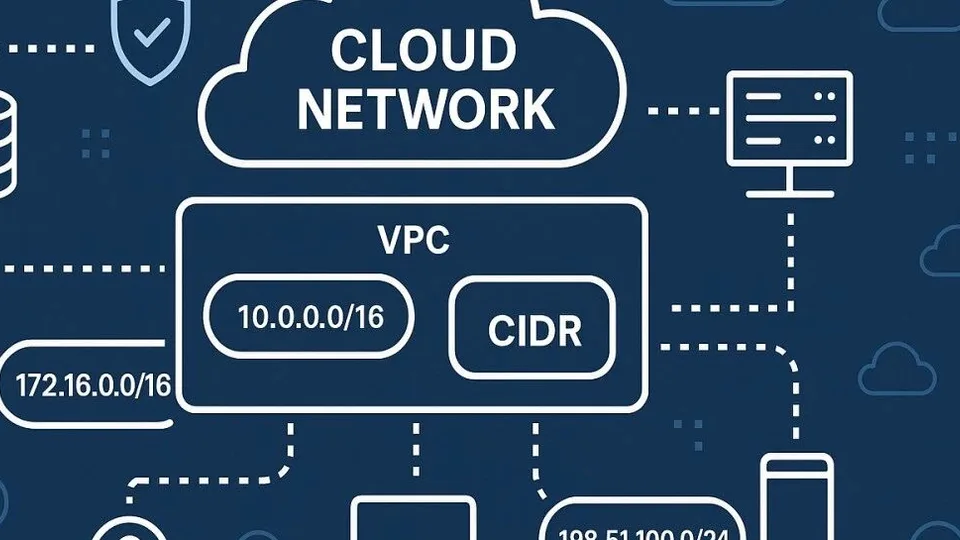
This guide explains why careful CIDR selection for AWS VPCs is critical in 2025, outlines the hidden five‑IP reservation rule, presents sizing tables, offers a step‑by‑step decision framework, and shares real‑world examples of IP exhaustion in EKS and PrivateLink deployments.
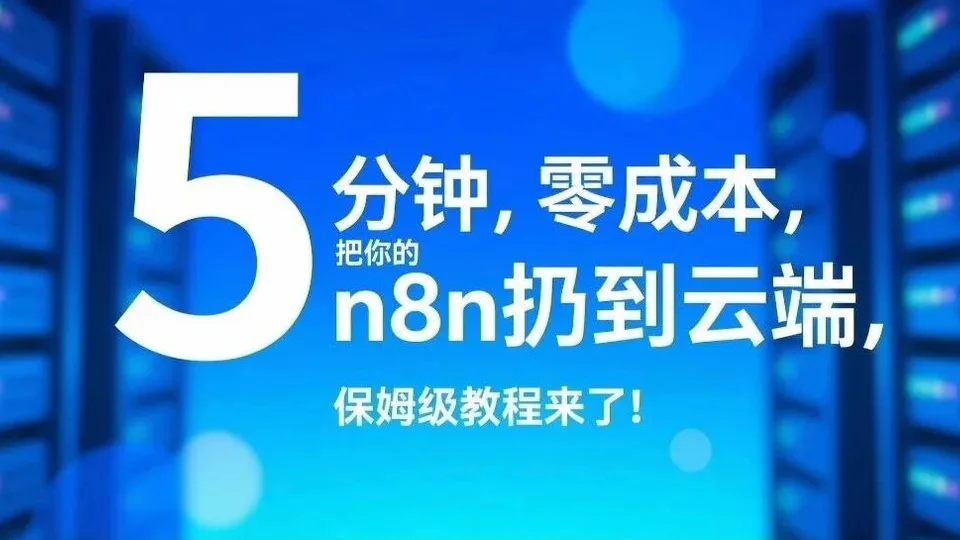
This guide shows how to create a fully functional, self‑hosted n8n workflow automation instance at zero cost by combining Hugging Face Spaces for free Docker hosting with Supabase's free Postgres backend, covering account setup, environment configuration, deployment, and verification steps.
This guide explores Terraform's powerful meta-arguments—including count, for_each, depends_on, and lifecycle—showing how they enable dynamic resource creation, precise dependency control, and fine‑grained lifecycle management for scalable, maintainable infrastructure as code.
This article explains Terraform’s count meta‑argument, showing how it transforms a single resource into a list for bulk creation, enables conditional provisioning with ternary expressions, illustrates blue‑green deployment switches, warns about index‑based pitfalls, and compares it with the more stable for_each alternative.
VPC private DNS provides an isolated, internal name resolution service for cloud resources, enabling secure, efficient communication, private domain management, recursive queries, and seamless integration with public DNS, while offering advantages such as enhanced security, flexible architecture, simplified operations, high availability, and support for hybrid cloud scenarios.
This article explains the background, design, and implementation of a multi‑cloud network that enables full‑network compute scheduling across public clouds (such as Alibaba and Huawei) and private IDC, detailing components like cloud‑dedicated lines, multi‑cloud gateways, boundary routers, routing interconnection, MTU handling, and future optimization plans.
This article explains Alibaba Cloud's comprehensive approach to IaaS stability, covering shared responsibility with customers, availability metrics, design principles, compute, storage, and network engineering practices that together deliver rock‑solid reliability for millions of workloads.
This article explains the Cloud Connect Network (CCN) background, describes the V1 optimization that switched packet forwarding to a session model, outlines the resulting issues, proposes a route‑based session list redesign, presents performance test results, and discusses future enhancements for high‑performance cloud networking.
A fabricated Google China announcement sparked massive online buzz in August 2025, but official denials revealed it as a rumor, highlighting why expectations for a search comeback clash with regulatory realities and the company's actual enterprise presence in China.
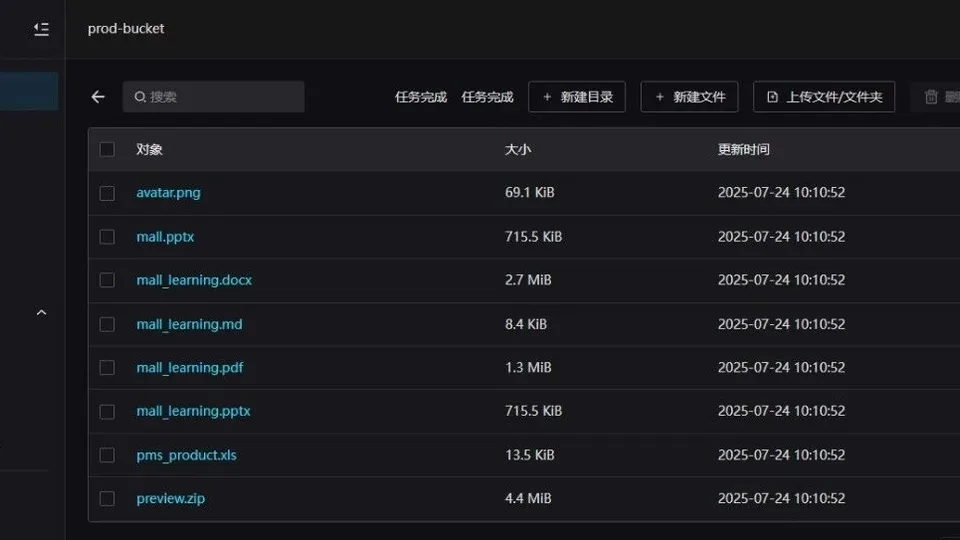
This guide introduces RustFS, a high‑performance Rust‑based distributed object storage system, covering its key features, Docker installation, console usage, and step‑by‑step integration with SpringBoot for file upload and deletion, including code snippets and configuration details.