This article explains how to combine Terraform and Ansible to build a robust, enterprise‑grade multi‑cloud resource orchestration workflow, covering their strengths, limitations, layered architecture, real‑world e‑commerce deployment, CI/CD integration, advanced tips, cost optimization, and security best practices.
The article explains how the MCP protocol standardizes AI model interactions with external services, outlines the challenges of deploying MCP servers in enterprises, and demonstrates how Huawei Cloud FunctionGraph's serverless workflow offers a low‑cost, scalable, and secure solution with step‑by‑step deployment guidance.
This article compiles a comprehensive set of Linux cloud computing interview questions covering fundamentals, system architecture, security, shell scripting, networking, load balancing, and practical command‑line tasks, providing job seekers with a valuable study guide for upcoming technical interviews.
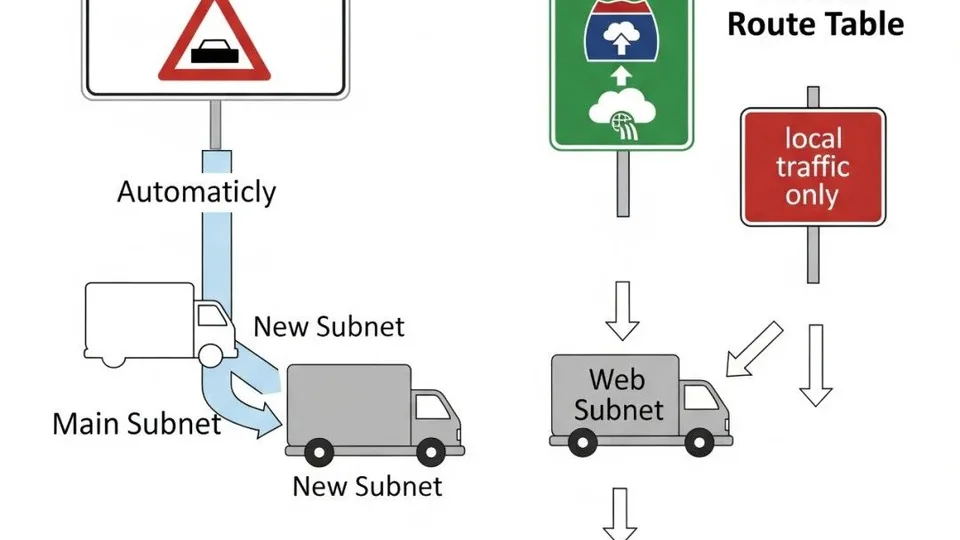
This guide explains the fundamentals of AWS VPC route tables, clarifies the difference between explicit and implicit subnet associations, and provides practical best‑practice recommendations to ensure reliable internet connectivity and secure network architecture.
This article explains the three main cloud service models—Infrastructure as a Service, Platform as a Service, and Software as a Service—while detailing key cloud concepts such as resource pooling, service quantification, rapid elasticity, and automated management including backup and security.
This guide demonstrates how to configure Tencent Cloud COS for both simple and multipart large‑file uploads in a front‑end/back‑end separated architecture, using Vue2 on the client side and Spring Boot with YML configuration on the server, covering bucket setup, security, CORS, concurrency, and resumable upload techniques.
Alibaba Cloud reported a 2024 revenue of 1134.99 billion RMB, becoming the first profitable Chinese cloud provider, while Oracle secured a $30 billion contract—double Alibaba's earnings—highlighting a stark China‑US gap in the enterprise cloud services market.
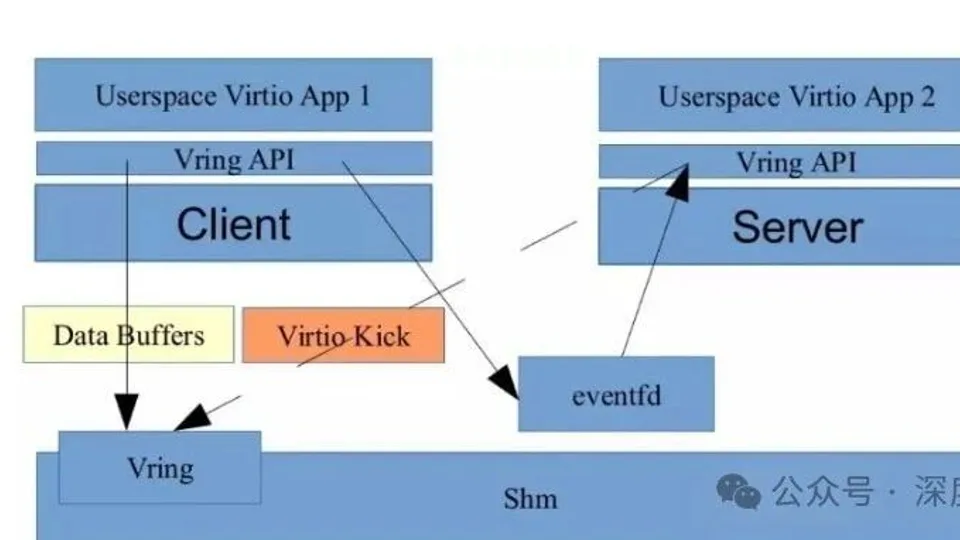
This article explains why virtual machine communication becomes a bottleneck in cloud and big‑data environments, introduces the vhost/virtio acceleration technique, and provides a step‑by‑step guide to hand‑crafting vhost/virtio, configuring QEMU's VIRTIO backend, and understanding the vhost‑user protocol and vhost‑net implementation.
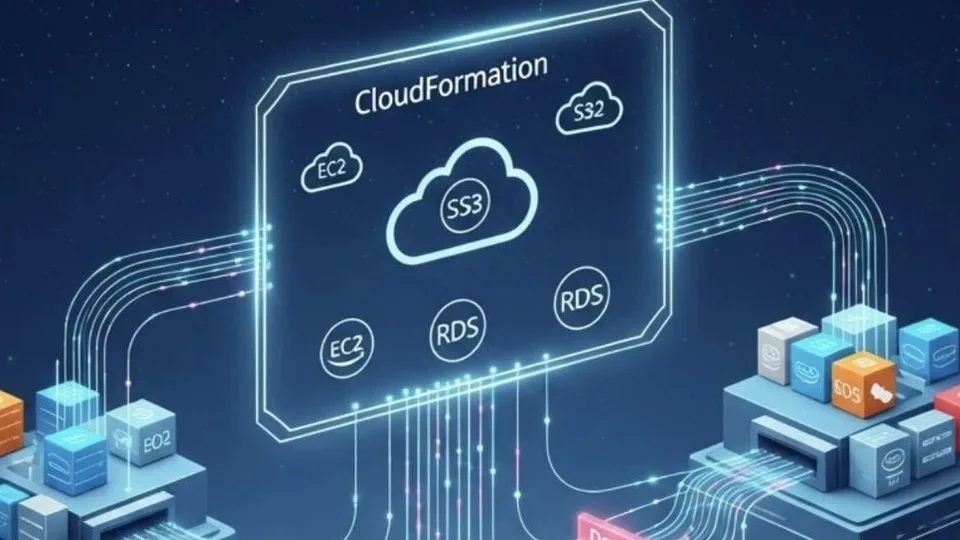
This guide explains AWS CloudFormation fundamentals, including Stacks, StackSets, Outputs, and Exports, and provides step‑by‑step troubleshooting techniques for common deployment failures such as secret rotation errors.
Infrastructure architecture, the often‑overlooked foundation of IT, defines how compute, storage, networking, and security are designed, integrated, and automated—linking software, ops, and cloud strategies—through processes like requirement analysis, technology selection, IaC implementation, and continuous optimization for reliability, performance, cost, and operational excellence.
This guide walks you through the fundamentals of KVM virtualization on CentOS 7, covering its advantages and drawbacks, preparing YUM repositories, installing required packages, configuring networking, creating storage pools and volumes, importing ISO images, and finally building and launching a fully functional virtual machine.
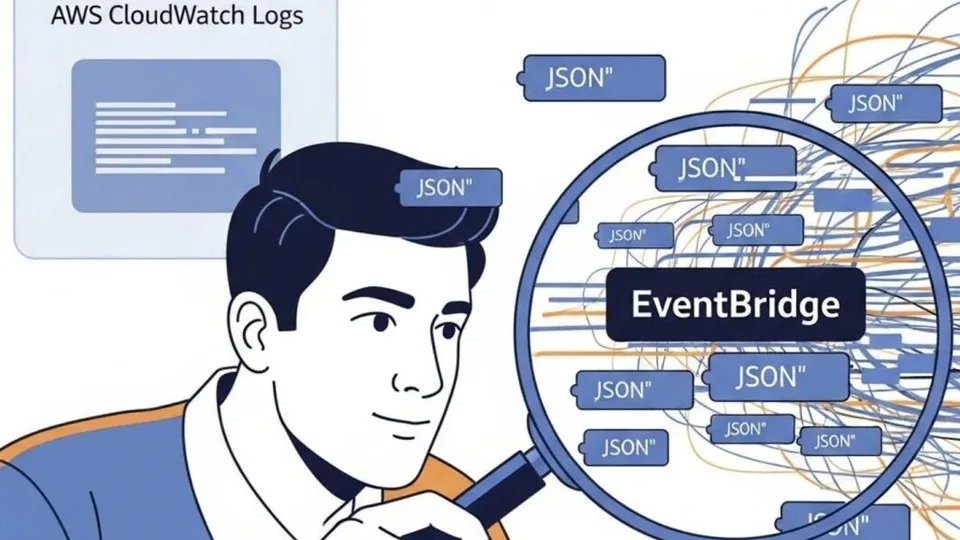
This guide shows how to create an EventBridge rule that captures all AWS service events, logs the raw payload to CloudWatch Logs, and then use the captured data to craft precise event patterns for reliable, cost‑effective event‑driven architectures.
Amid the AI‑driven wave of large‑model technologies, Industrial and Commercial Bank of China’s data center has transformed its traditional infrastructure into an AI‑native computing hub, boosting operational efficiency, green sustainability, and autonomous control while supporting the financial sector’s shift toward intelligent, cognitive services.
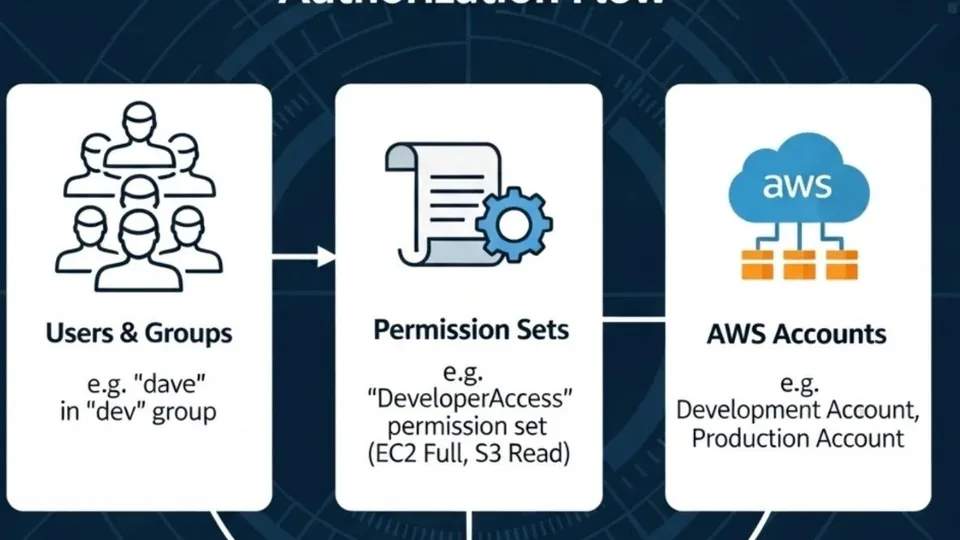
This guide explains how to replace traditional IAM users with AWS IAM Identity Center by defining permission sets, assigning them to groups and AWS accounts, and enabling users to log in via the SSO portal for seamless, secure access across multiple accounts.
In June 2025 a 181‑minute global outage knocked down Google Cloud, AWS, and Azure, exposing the fragility of multi‑cloud strategies as a single null‑pointer bug cascaded through cross‑dependent services, leading to massive alerts, latency spikes, and widespread service failures.
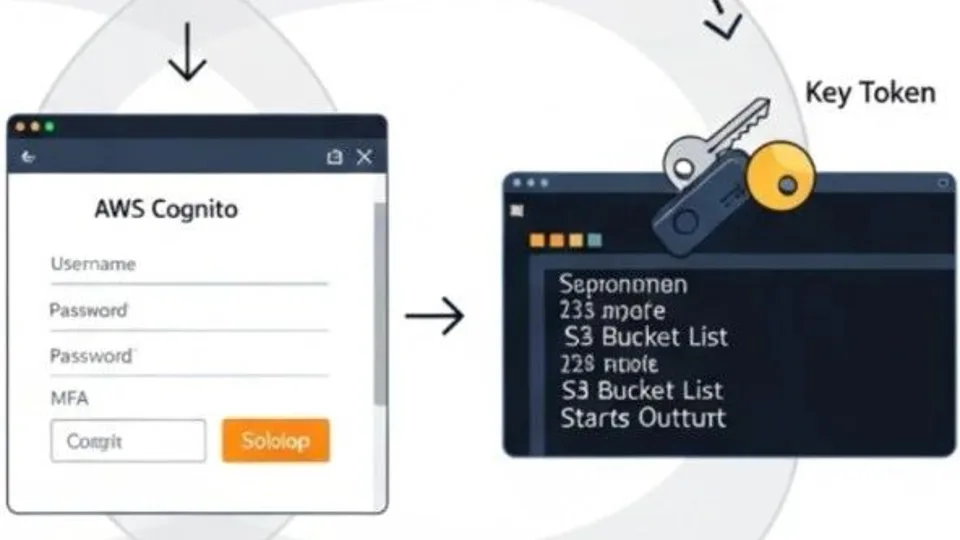
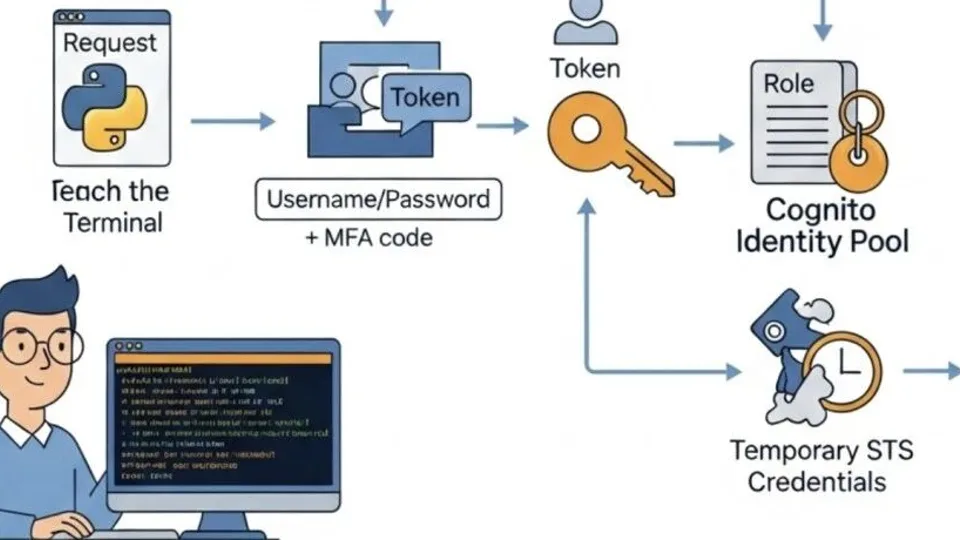
By leveraging Cognito’s Hosted UI and the OAuth2 Authorization Code Grant, a lightweight local helper launches a temporary web server, opens the browser for MFA login, exchanges the code for tokens, and feeds temporary AWS STS credentials into the AWS CLI via the credential_process feature, delivering a seamless, SSO‑like experience.
This guide shows how to replace limited IAM Identity Center access by creating a lightweight, MFA‑protected CLI login portal using AWS Cognito user pools and identity pools, generating temporary STS credentials and automating the process with a Python/Boto3 script.
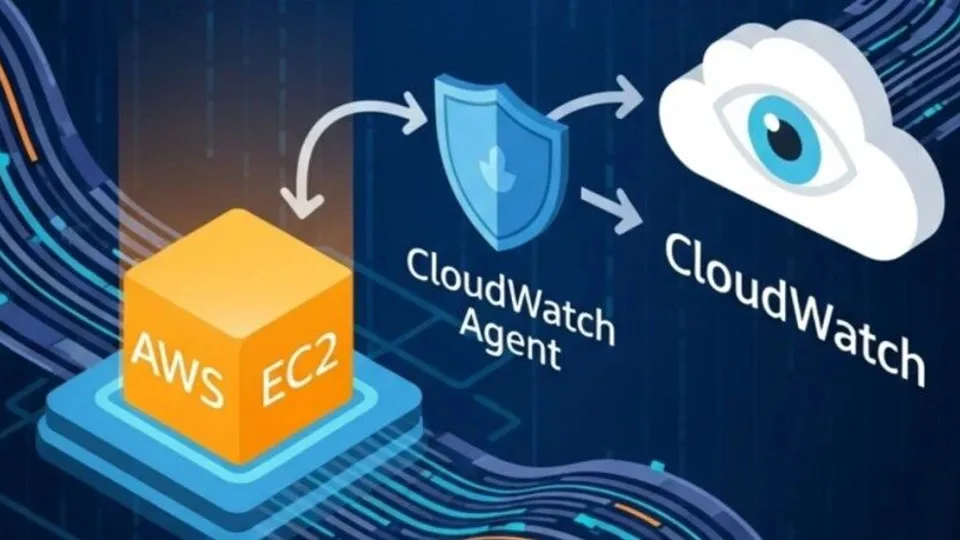
This guide shows how to use AWS CLI and CloudWatch Agent to automatically collect, centralize, and alert on EC2 SSH login events, providing a reproducible security‑audit solution that turns invisible system activity into searchable, actionable cloud data.
Serverless architecture shifts server management to cloud providers, offering on‑demand function‑as‑a‑service and backend‑as‑a‑service solutions that enable automatic scaling, cost efficiency, faster development, enhanced security, and versatile use cases across e‑commerce, IoT, mobile apps, and big‑data analytics.