This article presents an isolation‑focused multi‑kernel architecture that replaces replica‑based designs with dynamic resource management using device‑tree overlays, reuses existing Linux mechanisms such as kexec and hot‑plug, and enables zero‑downtime updates, hardware‑queue isolation, and fault‑tolerant kernel recovery for modern cloud infrastructures.
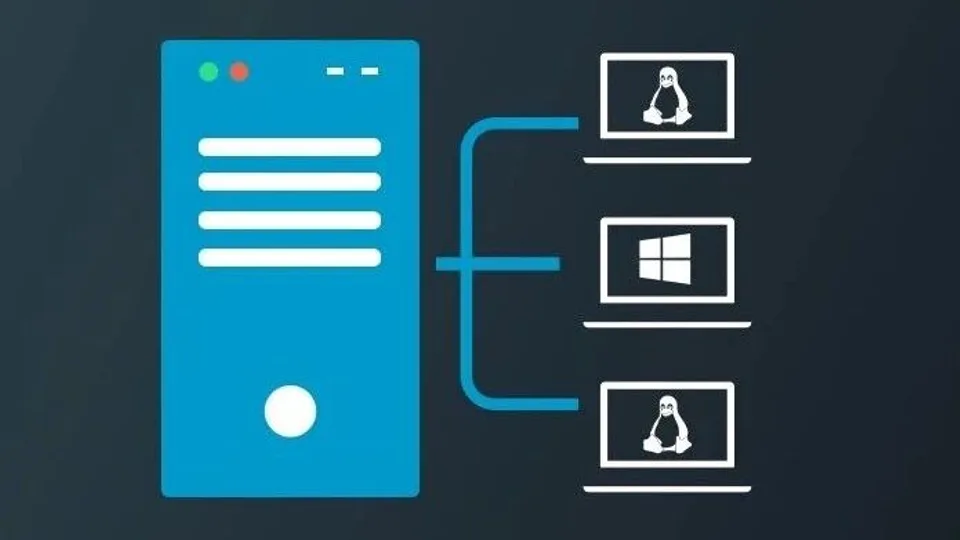
This article compares VMware's costly virtualization suite with four open‑source alternatives—KVM, Proxmox VE, oVirt, and OpenStack—detailing each solution's core features, performance, management tools, and suitability for enterprise IT cost reduction.
Google is porting roughly 30,000 production software packages to Arm, using an AI‑driven tool called CogniPort to automate the migration and aiming to run them on its Axion chips and x86 processors while improving cost and energy efficiency.
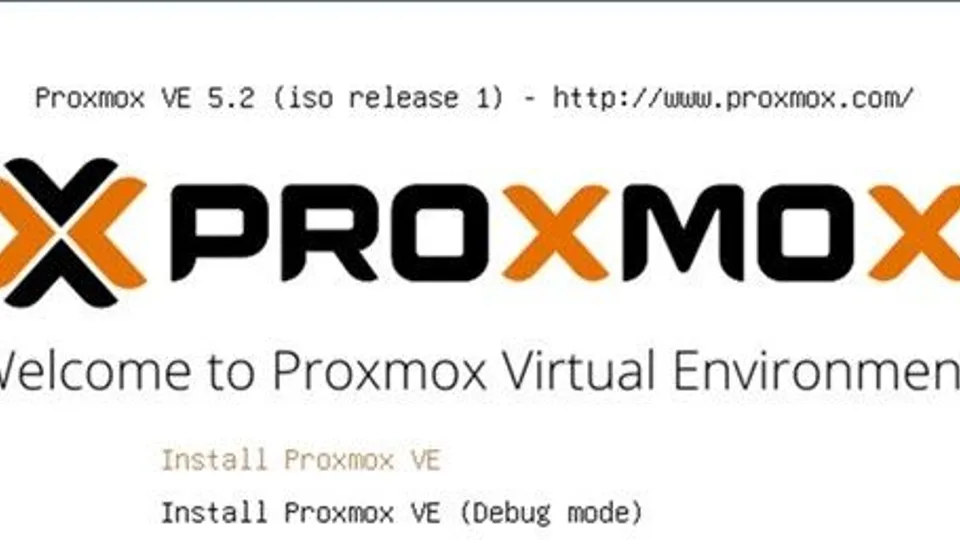
This guide compares VMware and Proxmox VE, explains why Proxmox can be more resource-efficient, and provides a detailed, step-by-step walkthrough of downloading the ISO, installing Proxmox VE, configuring networking, setting up SSL, and creating a multi-node cluster with command-line examples.
On October 20, a major AWS outage in the US‑East‑1 region crippled thousands of global services, traced to a DynamoDB DNS failure, and sparked analysis linking the incident to talent loss, staffing cuts, and over‑reliance on AI tools in cloud operations.
This curated reading list presents must‑read books covering cloud, edge, distributed, high‑performance, parallel, heterogeneous, quantum, and AI computing, offering expert editorial insights, author backgrounds, and publication details to help readers grasp core concepts and advance their technical expertise.
Oracle, once a second‑tier cloud provider, is accelerating its growth with a 25% annual rate, expanding AI‑focused infrastructure, massive GPU clusters, and an AI Data Platform that integrates private data, positioning itself to challenge the dominant hyperscale clouds.
Learn the essential concepts of virtualization, explore Hyper-V’s key features, and follow detailed instructions to enable Hyper-V on Windows, configure system requirements, create and customize virtual machines—including Windows 11 installations—using PowerShell, CMD, and graphical settings, with tips for optimal performance.
This step‑by‑step tutorial shows how to create a Supabase PostgreSQL database, copy and configure an n8n space on HuggingFace, set up the host URL, verify database connectivity, test webhook functionality, and manage the deployed project.
This guide walks you through installing and configuring a KVM virtualization platform on Linux, covering its advantages and drawbacks, setting up local repositories, verifying hardware support, creating storage pools and volumes, importing ISO images, allocating resources, and launching a virtual CentOS 7 machine using virt‑manager.
This comprehensive guide walks you through Terraform fundamentals, multi‑cloud support, state management, modular design, environment handling, and real‑world case studies, showing how to automate infrastructure provisioning, improve consistency, and boost operational efficiency across AWS, Azure, GCP and Alibaba Cloud.
This article explains the core concepts of cloud service models (PaaS, IaaS, SaaS), outlines SaaS system characteristics, compares SaaS with traditional and internet services, describes B2B2C, classifies SaaS solutions, and details multi‑tenant architectures and deployment patterns.
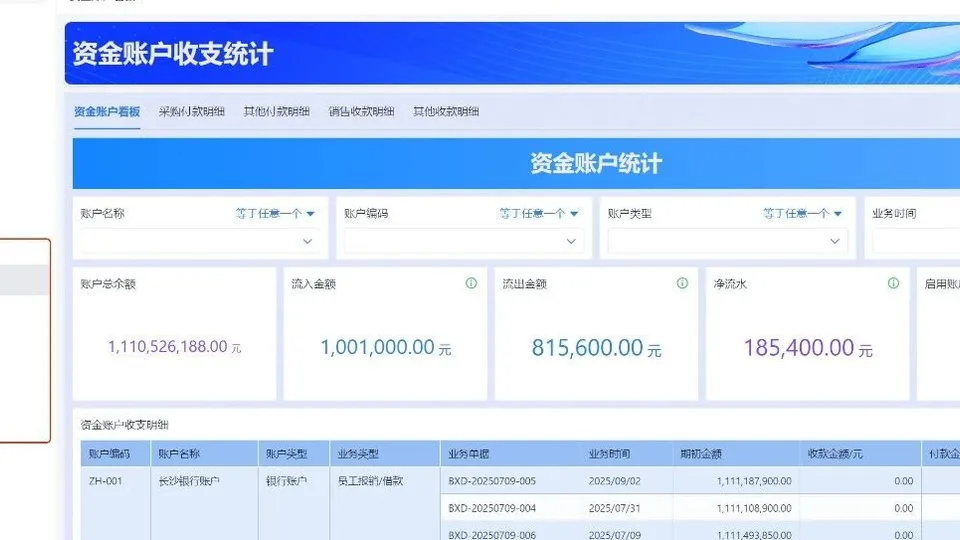
This article examines why small‑and‑medium businesses consider cloud‑based inventory solutions, outlines their key benefits such as real‑time data sharing and finance‑business integration, highlights risks like data security and limited customization, and provides practical criteria for deciding whether a cloud inventory system fits your company.
At ECOC 2025 in Copenhagen, Alibaba Cloud showcased groundbreaking research that pushed VCSEL transmission over multimode fiber to 500 meters, explored hollow‑core fiber challenges such as CO₂ absorption, and promoted 800ZR coherent modules for data‑center interconnect, highlighting AI‑driven optical networking advances.
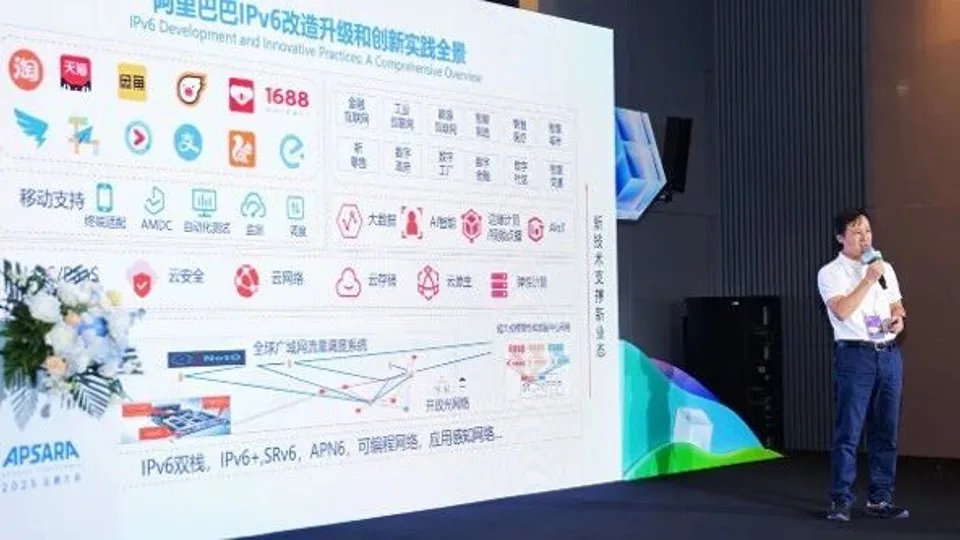
At the 2025 Cloud Expo in Hangzhou, leading experts including Academician Wu Hequan presented new developments in DNS and IPv6, unveiling Alibaba Cloud’s DNS product suite, whitepapers, and the Zhejiang Province IPv6 and Next‑Generation Internet Innovation Lab’s latest research, highlighting the role of resilient internet infrastructure in the AI era.
The article reviews Alibaba Cloud's OSS Browser 2.0, highlighting its refreshed interface, three login options, batch and folder upload up to 10 GB, online preview/edit capabilities, and compares its stability and usability against the older 1.0 client that struggled on Windows Server.
This comprehensive guide explains Ceph's distributed storage fundamentals, architecture, core components, data flow, version lifecycle, and provides detailed, command‑line instructions for planning, installing, configuring, and deploying a production‑grade Ceph cluster using ceph‑deploy.
The article introduces six virtualization applications—VMware Workstation, VMware Fusion, VirtualBox, QEMU, Parallels Desktop, and Microsoft Hyper‑V—detailing their key features, OS support, GPU virtualization, free vs paid options, and suitability for personal users across Windows, macOS, and Linux platforms.
Oracle announced that Safra Catz will share the CEO role with Clay Magouyrk and Mike Sicilia, a move aimed at strengthening its cloud infrastructure and AI capabilities, while highlighting record financial performance and outlining the strategic importance of OCI, AI-driven growth, and the company's involvement in rebuilding TikTok's algorithm for U.S. security.
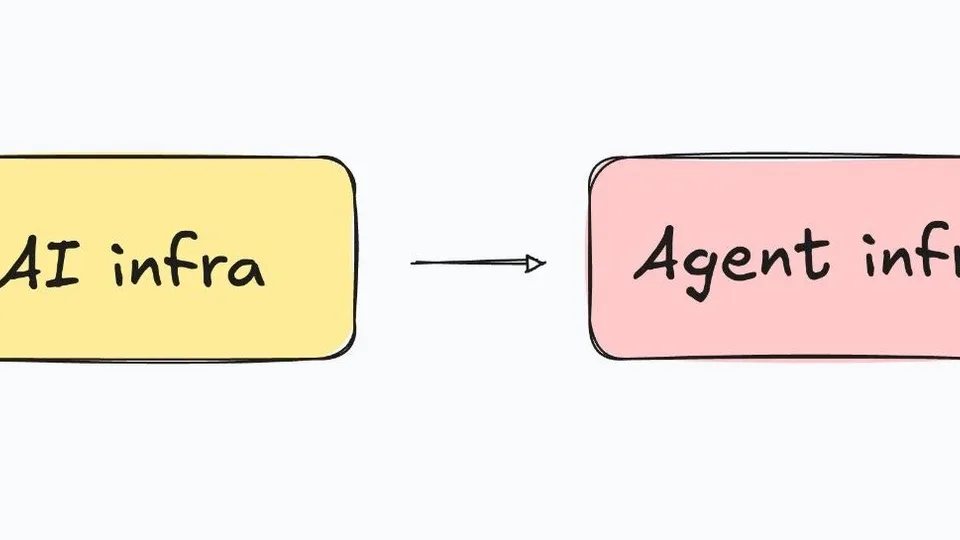
This article explains how cloud computing has historically reduced accidental complexity, why AI agents introduce a fundamentally new software paradigm, and how Tencent Cloud's Agent Infra and Agent Runtime provide a layered, serverless, and secure infrastructure to support autonomous, uncertain, and complex AI workloads.