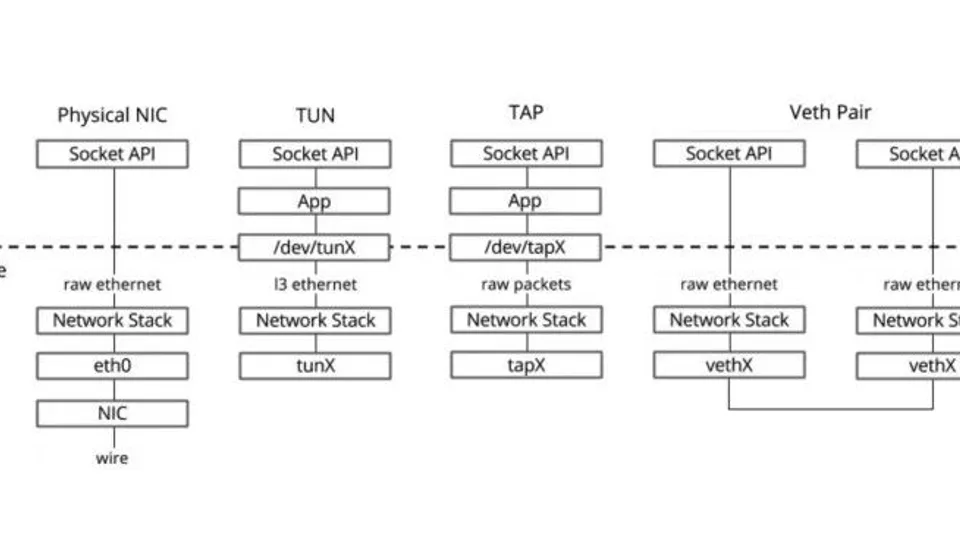
This article explains the Linux kernel networking components—veth pairs, Linux bridges, and overlay networks—detailing their creation, configuration, packet flow, and troubleshooting with concrete Docker and Kubernetes examples, commands, and packet‑capture analysis.
The article details a cloud‑native gateway design that solves the zero‑loss routing and session‑persistence challenges of massive AI sandbox Web VNC streams by dissecting protocol stages, exposing classic gateway pitfalls, and presenting a two‑phase URL‑plus‑cookie routing architecture built on OpenResty, Lua, and Redis.
A 3 am alert that once required hours of manual triage is now closed in six minutes thanks to AgentTeams, a cloud‑native platform that treats AI agents as first‑class citizens, defines declarative organization structures, and orchestrates multi‑agent collaboration across development, operations, and open‑source workflows.
This comprehensive guide explains how Kgateway transforms a traditional Kubernetes Ingress into a production‑grade, traffic‑governed gateway capable of handling billions of requests, covering its underlying control‑plane architecture, resource modeling with Gateway API, scalability strategies, observability, deployment best practices, and common pitfalls to avoid.
This guide explains how to design and implement a secure, least‑privilege RBAC model for multi‑team Kubernetes clusters, covering authentication methods, role and binding definitions, concrete YAML examples, CI/CD integration, audit scripts, performance tips, backup and recovery procedures, and common troubleshooting steps.
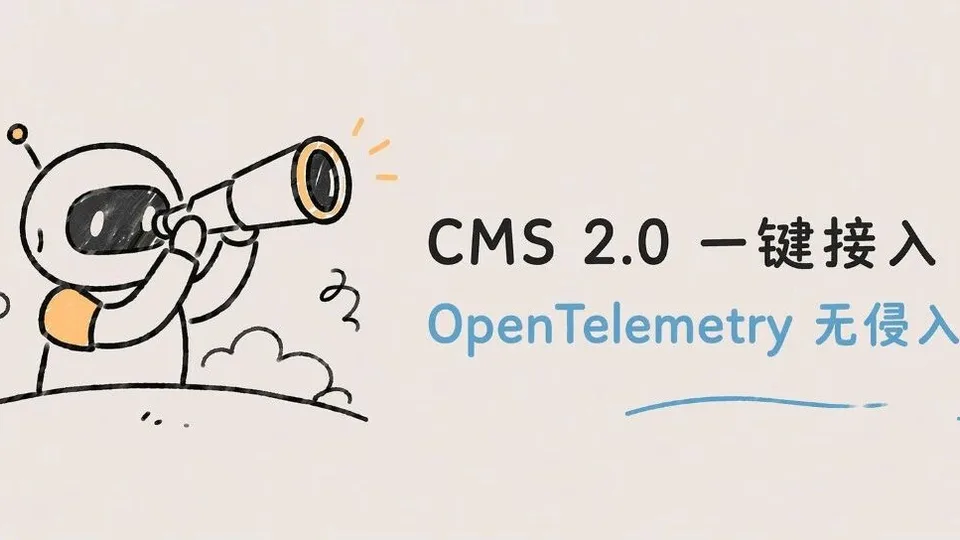
OpenTelemetry eBPF Instrumentation (OBI) embeds a kernel‑level, zero‑code probe that automatically captures network traffic, RPC, database, message‑queue and GPU operations across Go, Java, Python, Node.js and .NET, generating standard OpenTelemetry traces and metrics without modifying application code.
This article presents a checklist of 20 concrete Kubernetes production‑operation techniques, covering resource management, deployment safety, traffic isolation, state handling, observability, security, and disaster recovery, to ensure clusters are not only functional but truly ready for reliable production releases.
This article details how LoongSuite‑Pilot captures heterogeneous AI coding agent events and leverages Alibaba Cloud Log Service (SLS) SQL dashboards to provide end‑to‑end, organization‑wide metrics—covering individual usage, team adoption, token consumption, skill and tool utilization—enabling R&D teams to quantify the real‑world effectiveness of AI coding assistants.
The article explains how OpenTelemetry eBPF Instrumentation (OBI) leverages Linux kernel eBPF probes to provide zero‑code, cross‑language observability for applications, networks, logs, and GPU workloads, detailing its protocol detection, deep runtime integration, data‑pipeline architecture, deployment options, and practical considerations.
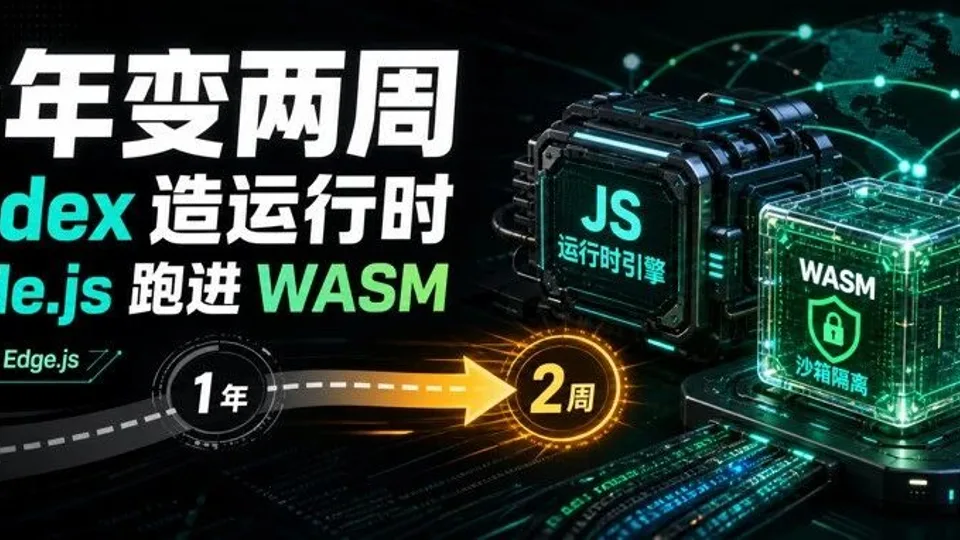
Using OpenAI's Codex (GPT‑5.5), Wasmer created Edge.js—a WebAssembly‑based Node.js runtime that runs existing Node apps in an isolated sandbox without Docker—in two weeks, achieving near‑native speed, high compatibility, and dramatically accelerating development and debugging.
This guide walks through the problem of fluctuating traffic in Kubernetes, explains the differences between Horizontal Pod Autoscaler (HPA) and Vertical Pod Autoscaler (VPA), and provides step‑by‑step commands, YAML examples, best‑practice recommendations, troubleshooting tips, and monitoring alerts for deploying a production‑grade HPA + VPA solution.
This article provides a concise, step‑by‑step reference of the most frequently used kubectl commands for Kubernetes, explaining each command's purpose, typical scenarios, useful options, and the information it reveals to help operators troubleshoot clusters, nodes, pods, deployments, logs, and resources.
This guide walks through choosing base images, JDK vs JRE, Oracle versus OpenJDK, JVM implementations, signal handling for graceful shutdown, memory‑limit adaptation across JDK versions, DNS caching behavior, and GraalVM native compilation, providing concrete Dockerfile examples, benchmark results, and actionable recommendations for Java containerization.
This step‑by‑step tutorial walks you through preparing the environment, installing container runtimes, setting up a single‑master multi‑worker K8s cluster, deploying applications, managing configurations, enabling persistent storage, configuring health probes, applying namespaces and quotas, troubleshooting common pitfalls, and adding Prometheus‑Grafana monitoring, all with concrete commands and examples.
The article analyzes Alibaba Cloud's Agent Infra constraint infrastructure, detailing the Harness formula, the six foundational capabilities, concrete technical stacks, multi‑layer governance, observability, rule management, and a data‑driven feedback loop that enables continuous evolution of AI agents in production.
This article provides a comprehensive analysis of containerd and CRI‑O as Kubernetes container runtimes, covering their architectures, feature sets, installation procedures, migration strategies, performance benchmarks, best‑practice configurations, troubleshooting tips, and monitoring approaches to help operators decide which runtime best fits a production environment.
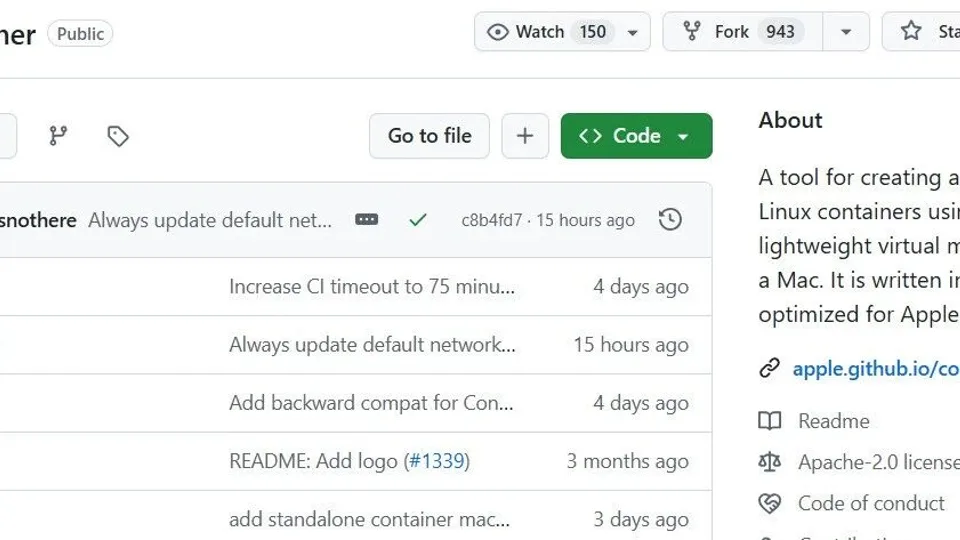
Apple Container is an open‑source Swift CLI that runs Linux containers on Apple‑Silicon Macs via per‑container lightweight VMs, offering OCI compatibility, faster startup, better memory use, native networking, and strong isolation compared with Docker Desktop, while detailing system requirements, installation steps, and macOS 15 limitations.
This guide explains how AgentCube, a Volcano sub‑project, enables rapid startup, high‑throughput scheduling, native session management, and strong isolation for AI Agent workloads on Huawei Cloud CCE, with step‑by‑step installation, configuration, and code examples demonstrating both CodeInterpreter and AgentRuntime.
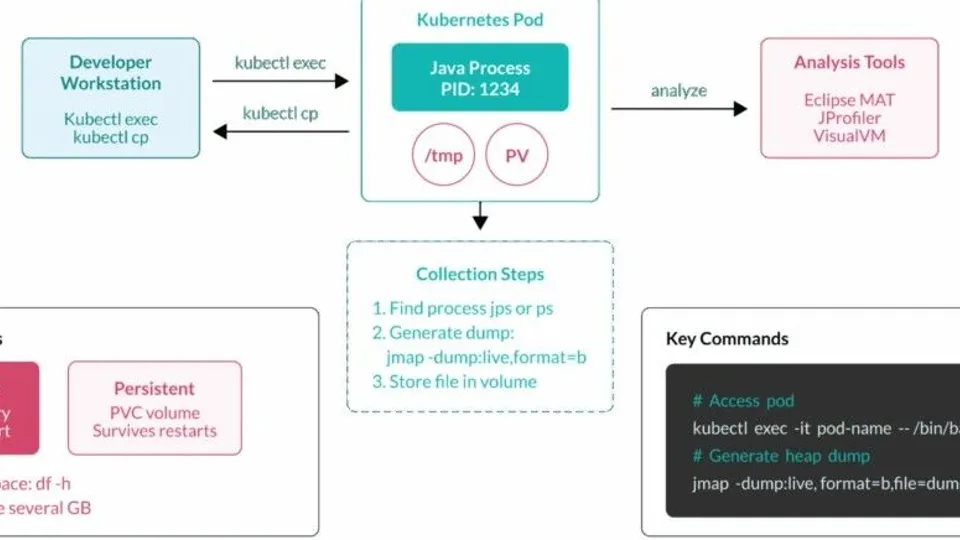
This article explains why Java applications face unique memory problems in Kubernetes, details the core conflict between container limits and JVM heap sizing, and provides step‑by‑step methods for collecting and analyzing heap dumps to resolve OOM kills, performance degradation, and memory leaks.
This comprehensive guide explains Istio’s sidecar architecture, traffic management, mutual TLS security, and observability features, then walks through prerequisite checks, installation with istioctl and Helm, sample Bookinfo deployment, advanced configuration, troubleshooting, monitoring, and backup strategies for production‑grade service meshes.