Kubernetes 1.36 marks a shift toward native governance of complex AI resources, workload‑aware scheduling, fine‑grained security, and control‑plane scalability, urging platform teams to rethink resource allocation, isolation, and governance as AI workloads move into production.
After being laid off after five years in operations, the author realized that all job listings now require Docker and Kubernetes expertise, so they compiled a comprehensive "100 K8s Interview Questions" guide covering core concepts, architecture, resource management, networking, storage, security, troubleshooting, and ecosystem tools.
The article analyses how EdgeOne Makers provides a comprehensive engineering foundation—including managed runtime, sandbox tools, conversation storage, observability, model integration, authentication, and Git‑based deployment—to turn AI Agent demos into production‑ready services, and compares it with alternative approaches.
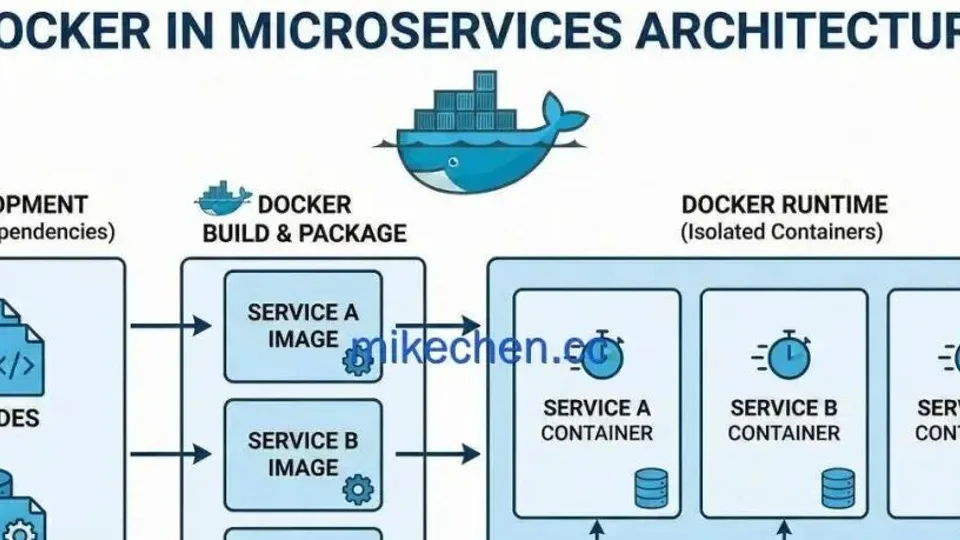
The article compares four microservice deployment approaches—physical servers, virtual machines, containerization with Docker, and Kubernetes clusters—detailing their implementation, advantages, drawbacks, and ideal scenarios, helping teams choose the most suitable strategy based on resource isolation, scalability, operational complexity, and team expertise.
As AI applications proliferate, the article explains that Linux remains essential for model training, inference, cloud deployment, container orchestration, edge devices, and developer workflows, making Linux expertise a decisive advantage for engineers and teams building AI solutions.
The article details how the team built a high‑performance, reliable cloud‑native gateway for millions of AI sandbox VNC sessions, addressing challenges of dynamic pod IPs, multi‑stage Web VNC traffic, session consistency, and security by using OpenResty, Lua scripts, Redis‑backed routing, cookie‑based state storage, and extensive Nginx tuning.
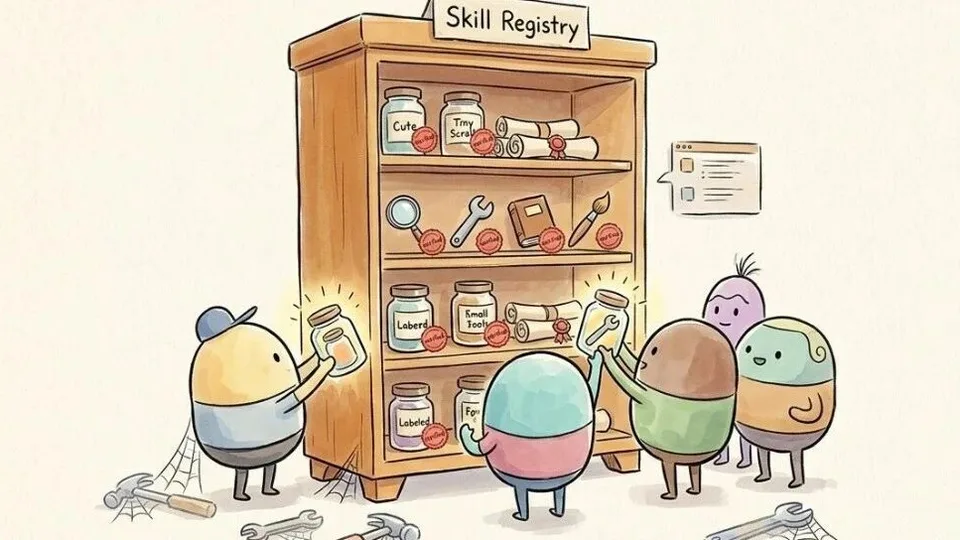
The article explains how scattered Skill files across multiple AI agents cause version chaos, critiques existing sync methods, and introduces Nacos Skill Sync—offering a central repository with Registry and Local modes, CLI commands, and status monitoring to keep Skills consistent and shareable.
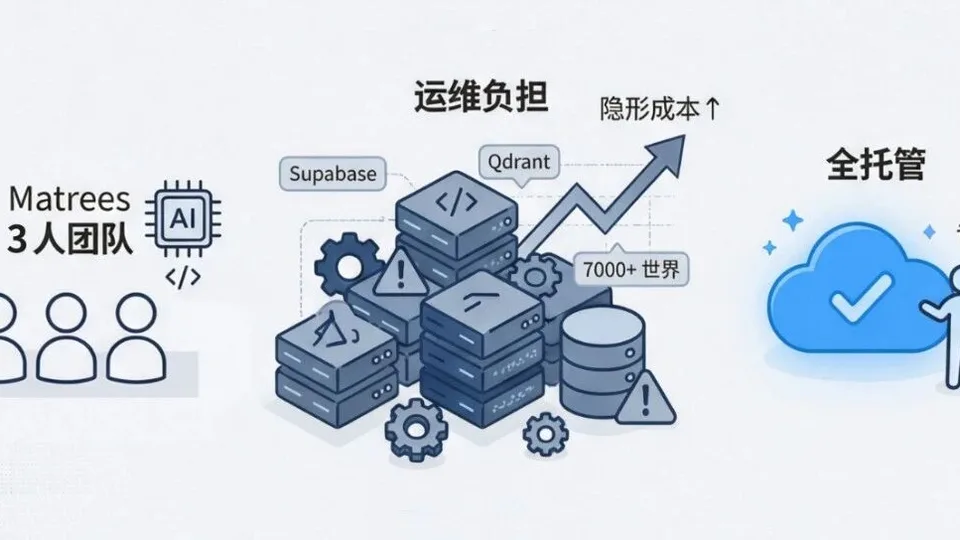
A three‑person startup built Matrees, an AI‑driven world‑building platform, by switching from a self‑hosted open‑source vector database to Alibaba Cloud’s fully managed OSS Vector Bucket, cutting infrastructure costs by about 90 %, eliminating maintenance overhead, and organically attracting over 12,000 users who generated more than 45 million words of content.
This article details compiling Spring Boot 3 applications to GraalVM native images, covering static analysis constraints, RuntimeHints configuration, build pipeline setup, performance benchmarks showing 0.14s startup and 115MB RSS, monitoring without JFR, and production pitfalls like HTTPS and Netty, with a phased rollout strategy for cloud-native deployments.
The article examines why, despite abundant content platforms, building a personal blog in 2026 remains valuable for programmers seeking long‑term technical archives, a controllable brand foundation, and hands‑on experience with servers, domains, Docker, Nginx, and HTTPS.
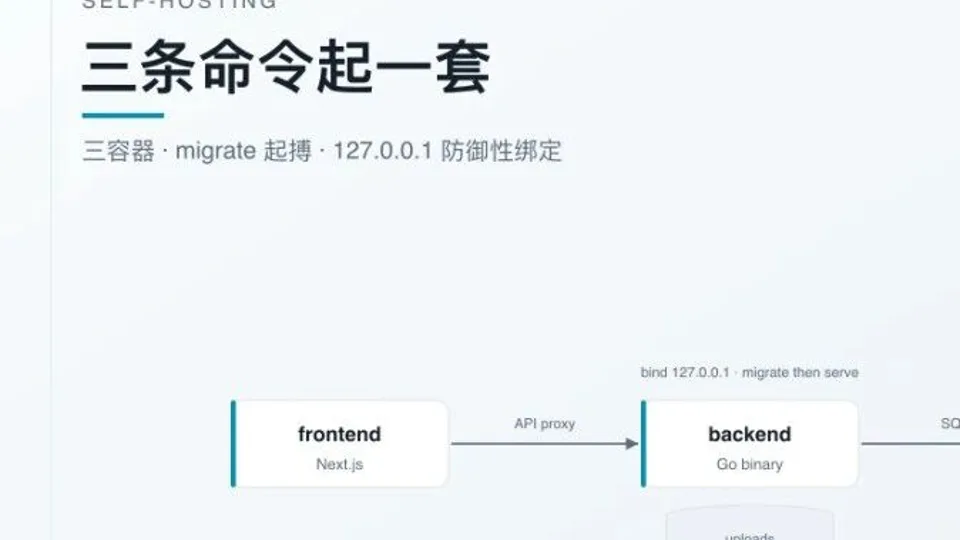
The article explains how to self‑host Multica using a three‑container Docker Compose setup—PostgreSQL, backend, and frontend—detailing secure defaults, health‑checked service dependencies, advisory‑lock‑based migrations, loopback port bindings, and two launch methods (official images or local builds) that let you start the system with just three commands.
OpenTelemetry eBPF Instrumentation (OBI) injects a kernel‑level, zero‑code probe that automatically captures OpenTelemetry‑compatible traces, metrics, and logs for over 15 protocols—including HTTP, gRPC, MySQL, Redis, Kafka, and CUDA—while handling cross‑language context propagation, GPU tracing, and seamless integration with CloudMonitor 2.0.
This article details the architecture, security mechanisms, and implementation of a unified Arthas online diagnosis platform that enables SSH‑free, audited access to Java applications across dozens of isolated Kubernetes clusters, covering control‑plane design, WebSocket tunneling, credential management, RBAC, and front‑end integration with Vue and xterm.js.
An in‑depth analysis explains how Go’s historical ties to Google, lightweight binaries, memory safety, cross‑compilation ease, and balanced performance‑vs‑devex make it the default language for CNCF projects, sidelining Java, C++, and Rust despite their technical merits.
This guide explains why default Kubernetes scheduling often falls short in production, introduces nodeSelector, nodeAffinity, podAffinity/anti‑affinity, taints/tolerations, topologySpreadConstraints and PriorityClass, and provides step‑by‑step configuration examples, real‑world use cases, best‑practice recommendations, troubleshooting tips, and monitoring alerts to ensure reliable pod placement.
This article explains how the dual‑process architecture of Electron creates a monitoring blind spot, outlines four key challenges—separate runtimes, native crash dumps, unreliable data reporting, and unobservable IPC—and presents a single‑init SDK that provides zero‑config injection, local crash parsing, tRPC monitoring, distributed tracing, memory leak detection, and comprehensive exception protection while keeping overhead negligible.
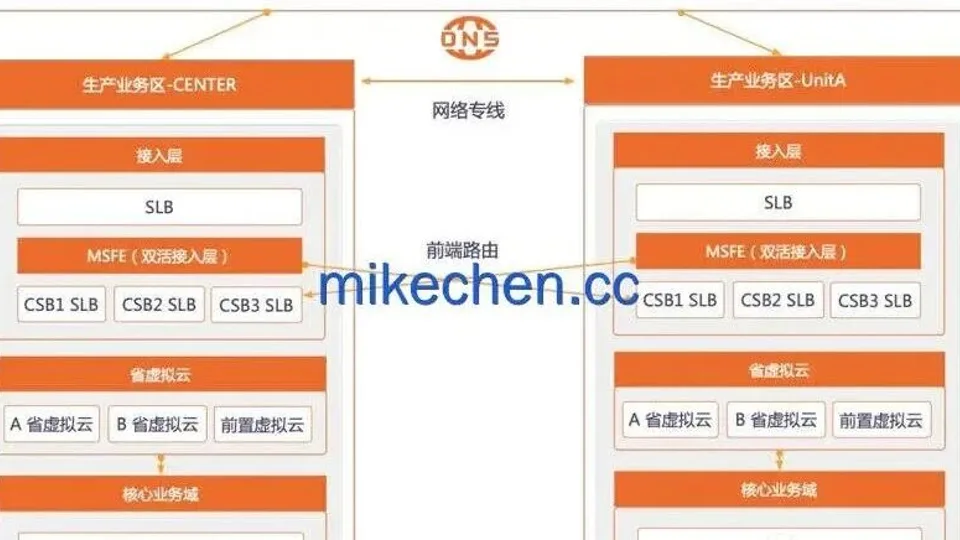
Alibaba’s same‑city active‑active architecture deploys multiple data centers within one city, splits traffic between them, and ensures instant failover with layered high‑availability across access, application, and data layers, using technologies like DNS, SLB, Nginx, Redis and OceanBase.
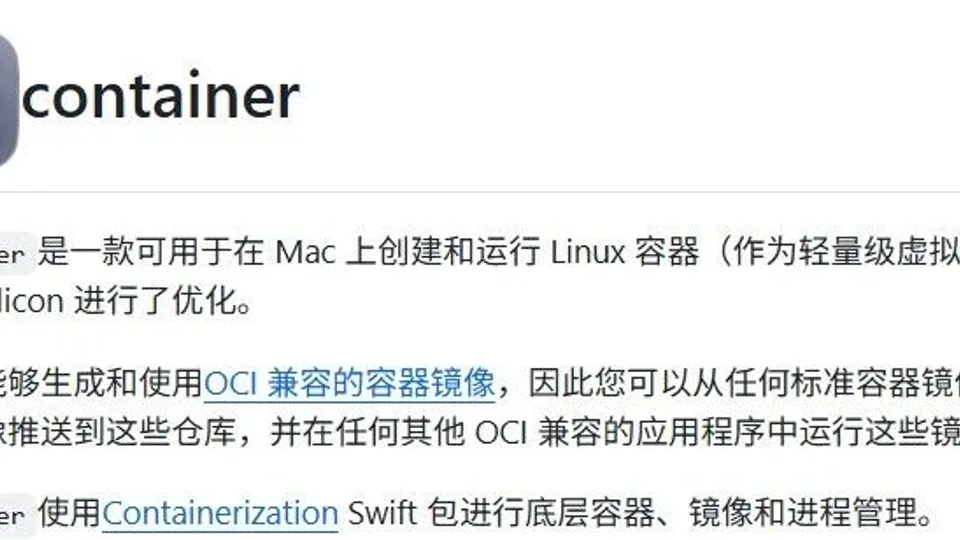
Apple Container 1.0, an open‑source Linux container tool for Apple Silicon macOS 26, replaces Docker Desktop's shared VM with per‑container lightweight VMs, offering sub‑second startup, about 30% less idle memory, a persistent Container Machine environment, and detailed migration guidance.
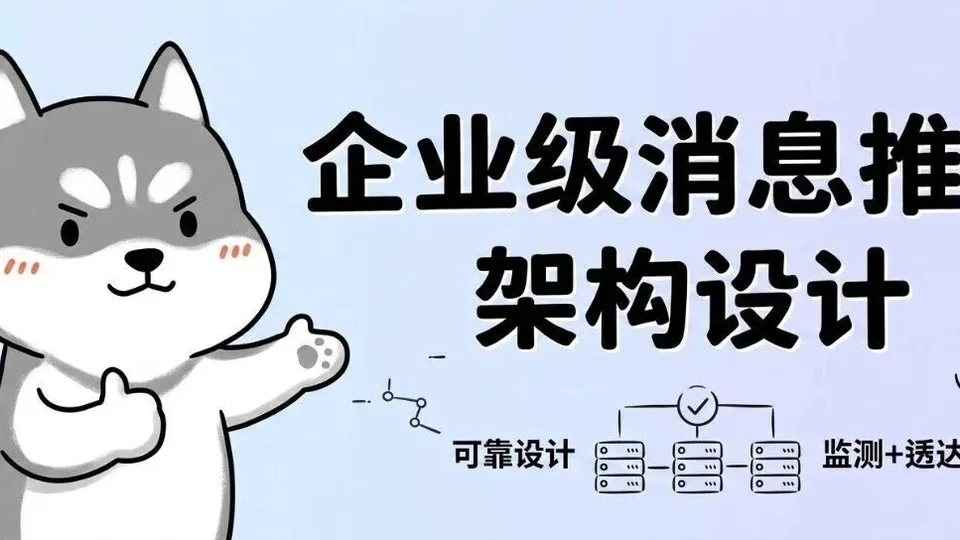
The article outlines the evolution from isolated push modules to a unified framework and finally a dedicated push service, detailing functional and non‑functional requirements, component responsibilities, priority handling, and a scalable micro‑service architecture for enterprise notifications.
The article explains that Nginx’s static upstream configuration and passive health checks cannot keep up with dynamic microservice environments, while a service registry provides real‑time instance awareness, automatic failure detection, and metadata‑driven routing, making both tools complementary rather than interchangeable.