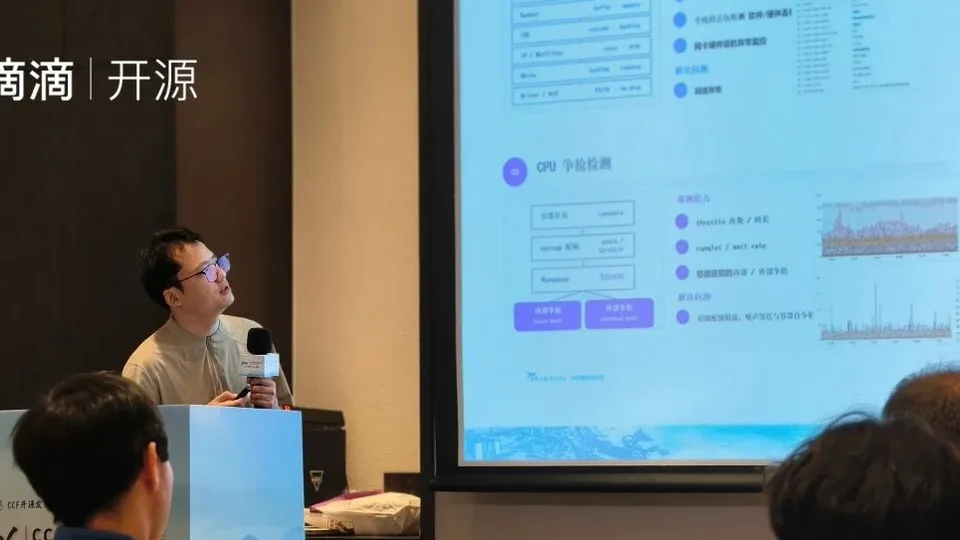
DiDi's HUATUO project presents a kernel observability framework for agent sandboxes using eBPF and dynamic tracing to capture system-wide metrics, exceptions, auto-tracing, continuous profiling, and hardware faults, correlating kernel events with container identities for root-cause analysis in cloud-native and AI infrastructure.
This article explains how AgentLoop uses the OpenTelemetry protocol and probes to ingest high‑quality runtime data, offering four integration methods—one‑click generic agents, SDK framework integration, annotation‑based high‑code, and eBPF—demonstrated with a Claude Code customer‑service agent and end‑to‑end verification on the observation page.
CubeSandbox v0.7.0 introduces cross-machine pause/resume via S3 backend storage, allows component multi-version coexistence so upgrades don't break existing templates, merges NetworkAgent into Cubelet to cut RPC calls and speed cold starts, and separates control-plane scheduling from node operations via new CubeOps service.
Using an Amazon‑warehouse analogy, the article explains Kubernetes’s core philosophy of declarative desired state and maps each control‑plane and node component—apiserver, etcd, controller‑manager, scheduler, kubelet, kube‑proxy—to intuitive warehouse roles, while detailing service discovery, EndpointSlices, and external traffic flow.
The article analyzes the limitations of traditional NAS for AI agents—scale ceiling, isolation gaps, and security blind spots—and explains how AgenticFS redesigns the storage paradigm by giving each agent an independent, zero‑trust workspace that scales linearly across regions.
The article examines why traditional JMeter‑based load testing falls short for microservices and presents a four‑layer open‑source stack—Gatling, k6, Prometheus/VictoriaMetrics/Grafana + Pyroscope, and Chaos Mesh/LitmusChaos—plus a 3C methodology and automated closed‑loop workflow to achieve observable, programmable, and resilient performance testing in cloud‑native environments.
Ingress NGINX has been retired and is plagued by multiple CVSS 8.1 high‑severity vulnerabilities that lack patches, prompting urgent migration to Alibaba Cloud's Cloud Native API Gateway, which now offers expanded CLB/NLB reuse, annotation compatibility analysis, and integrated traffic‑shifting and rollback workflows.
This article explains why Nacos CP mode can still experience split-brain despite using Raft, detailing four trigger scenarios (even-node partitions, GC pauses, cross-AZ latency, snapshot failures), three reasons CP appears like AP (client cache, read paths, module separation), and five practical fixes plus diagnostic commands.
Round‑robin routing in Kubernetes wipes out KV‑cache benefits for LLM inference, but llm‑d introduces cache‑aware routing, hierarchical eviction, and prefill/decode separation, delivering up to three‑fold throughput gains and halving first‑token latency, as shown in Tesla's production rollout.
Cloudflare migrated its blog to EmDash CMS as a production testbed, load-tested with k6, built a multi-layer caching architecture on Cloudflare Workers, rolled out via canary deployment, achieved flatter latency and fewer errors, and exposed blog content via MCP for AI agents.
In today’s high‑concurrency, microservice‑driven cloud‑native world, traditional load testing often misses real‑world failure modes, so this guide introduces adversarial performance testing—injecting faults, latency, and malicious traffic—to expose hidden bottlenecks and build resilient systems.
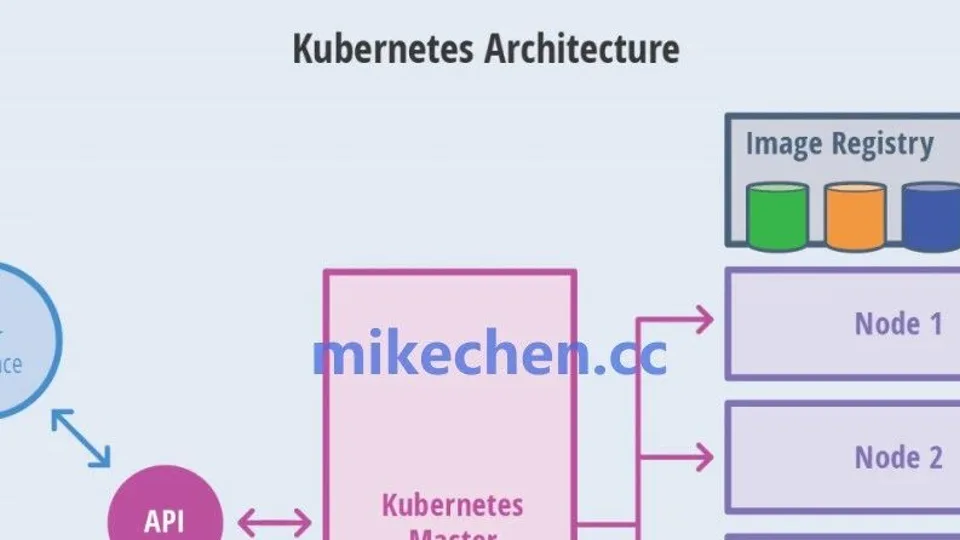
This article explains Kubernetes architecture, covering the master-node model, core components like API server, etcd, scheduler, controller manager, kubelet, and kube-proxy, and how they coordinate to deploy and manage containerized applications.
TencentOS analyzes zombie memcg root causes — page cache, shmem, and swap entries — reviews existing solutions' limitations, and proposes a dual-track approach: upstream patches for new kernels (obj_cgroup binding, swap entry fix) and a kernel module for old kernels that asynchronously reparents dying memcg pages and swap entries to online parents, preserving cache while enabling zero-restart deployment.
This article compares load balancers and API gateways, explaining their layer‑4 vs layer‑7 focus, feature sets such as routing, authentication, observability, and extensibility, and outlines suitable scenarios like microservices, API publishing, and high‑throughput network entry to help readers select the appropriate component.
Docker’s success stems from stitching together decades‑old OS primitives—chroot, Linux namespaces, layered tar filesystems, SLIRP, and QEMU—so developers can keep their existing workflows unchanged, allowing containers to become the de‑facto operating system of the cloud era.
The article compares Docker container deployment with traditional physical‑machine deployment across eight dimensions—environment consistency, speed, resource utilization, isolation, migration, operational overhead, failure recovery, and version rollback—highlighting how containers improve efficiency, cost, and reliability.
The article argues that microservice performance testing must evolve from isolated load‑generation to topology‑aware, chaos‑integrated, AI‑driven practices, highlighting upcoming trends such as service‑mesh‑based traffic modeling, built‑in chaos‑as‑a‑test, and large‑language‑model‑assisted root‑cause analysis to prevent cascading failures.
The article explains how the Feat framework reduces Java cold‑start latency by shifting configuration and environment decisions from runtime to compile time, using a three‑layer config model, externalized placeholders, and compile‑time code generation to eliminate on‑the‑fly processing.
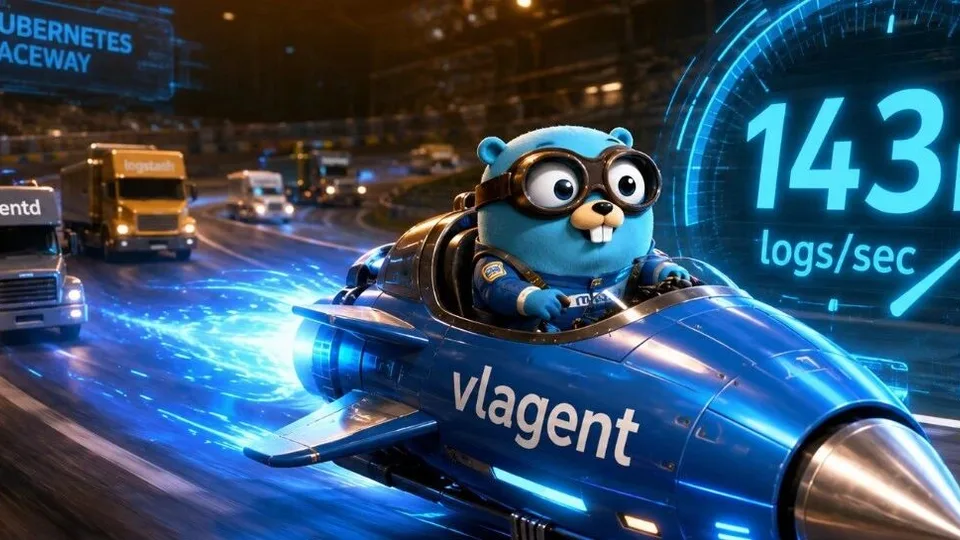
A rigorous benchmark of nine Kubernetes log collectors under a 1‑core, 1 GiB limit shows VictoriaMetrics' vlagent achieving 143,000 lines per second—4.5× faster than Fluent Bit and 28× faster than Fluentd—while using the least CPU and memory, and exposing hidden correctness bugs in several competitors.