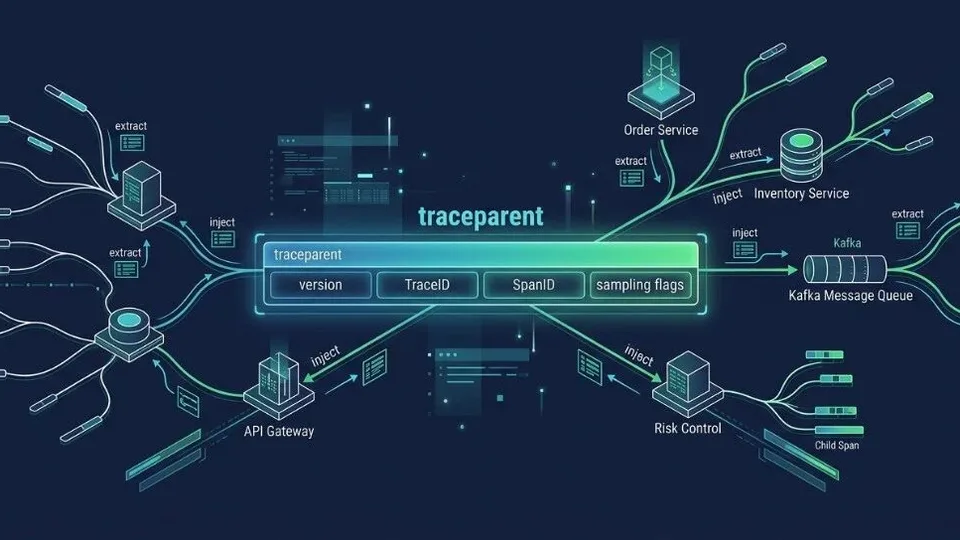
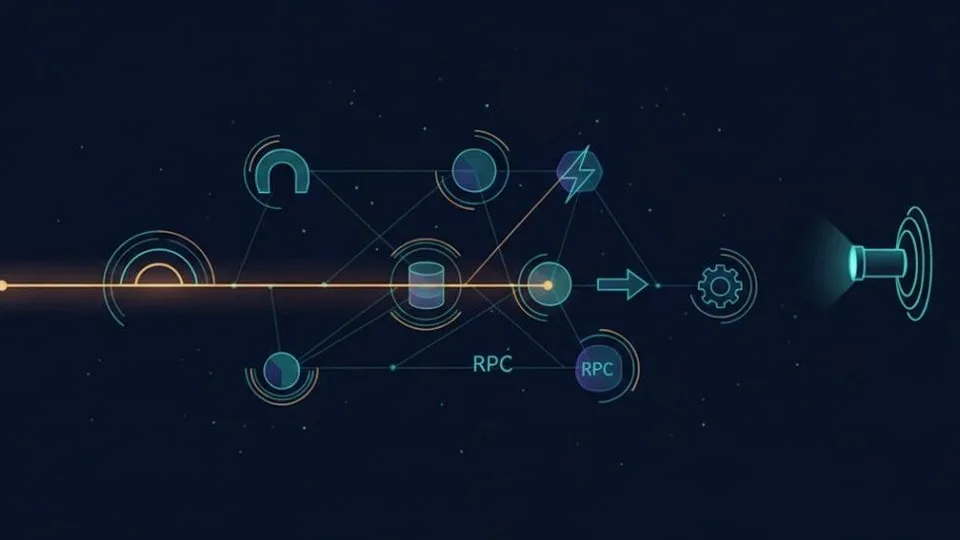
The article explains why propagating TraceID and parent SpanID across services, processes, and asynchronous boundaries is essential for complete distributed tracing, outlines the pain points of manual header handling, and walks through the evolution toward standardized W3C Trace Context, automatic instrumentation, and OpenTelemetry‑based solutions while highlighting async and service‑mesh pitfalls.
The article explains Airbnb's Sitar‑agent sidecar architecture, detailing the end‑to‑end configuration distribution lifecycle, key design choices such as sidecar versus in‑process deployment, pull‑model optimizations, and the migration from Sparkey to SQLite for robust, multi‑language support at massive scale.
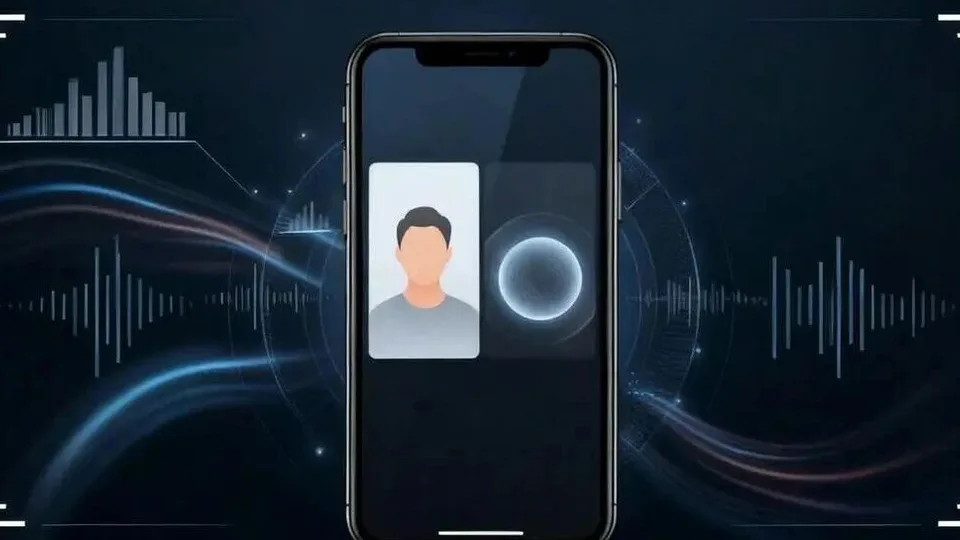
Doubao’s video‑call upgrade lets AI listen, speak and see simultaneously, proactively offer cues, and maintain a natural dialogue rhythm, while a new multimodal transmission stack built on QUIC and the MoQ protocol cuts connection time to hundreds of milliseconds and eliminates dropped words.
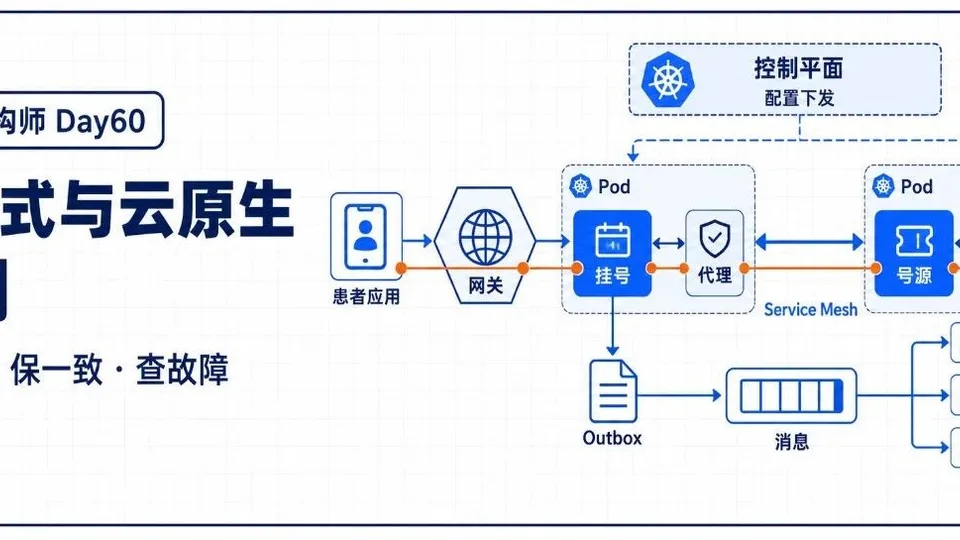
This Day 60 case study walks through a regional medical appointment platform that has been broken into micro‑services on a container cluster, asking you to select and justify service discovery, TCC/Saga, reliable messaging, Kubernetes, Service Mesh and observability measures, and to explain their benefits and trade‑offs.
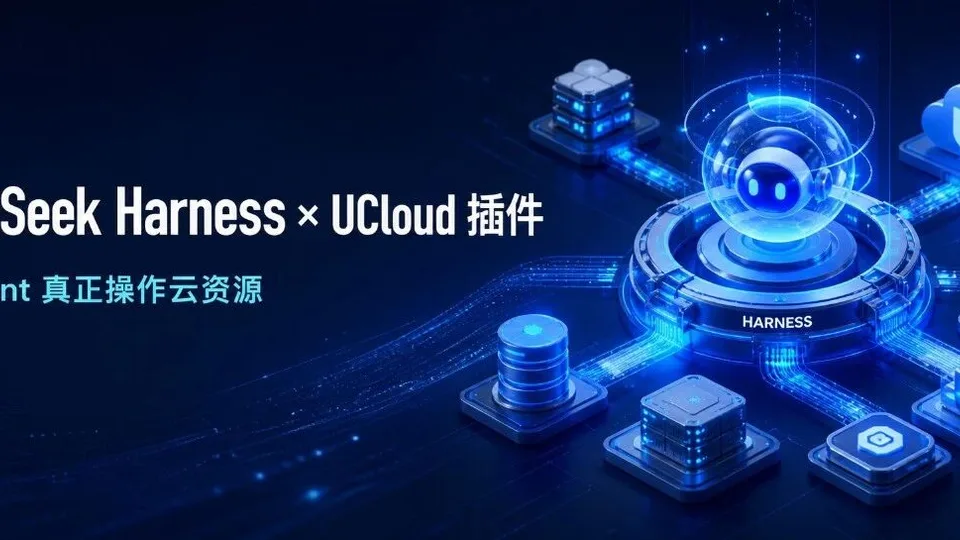
The article examines how the ucloud-dsh-plugin integrates DeepSeek Harness to turn natural‑language requirements into structured cloud‑resource actions, lowering the entry barrier for AI developers while highlighting necessary operational safeguards, permission checks, and the limits of automated deployment.
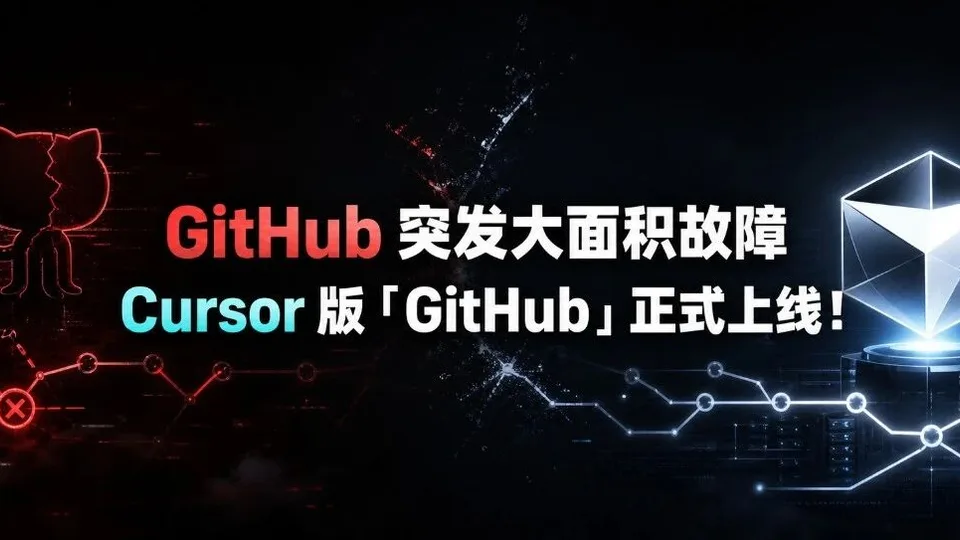
The article recounts a massive GitHub outage, then details Cursor's early‑beta Origin platform—its features, GitHub‑mirroring workflow, integration with Cloud Agent and Automations, performance claims, current limitations, and practical guidance for developers considering a switch.
A practical guide to diagnose Kubernetes pod frequent restarts by distinguishing OOMKilled from liveness probe failures, using kubectl describe, logs, and events, then fixing via memory limit adjustments or probe parameter tuning (initialDelaySeconds, periodSeconds, timeoutSeconds, failureThreshold), while avoiding common pitfalls like confusing liveness/readiness probes or depending on external dependencies for health checks.
The article analyzes a production outage caused by expired Kubernetes control‑plane certificates, explains why the failure cascades across components, and provides a detailed 11‑step procedure—including backup, certificate checks, etcd recovery, rolling restarts, and long‑term governance—to safely renew certificates in kubeadm‑based multi‑master clusters.
Ryan Dahl, the creator of Node.js, announced celld—a self‑hosted, distributed implementation of Cloudflare Workers and Durable Objects that promises lower costs, uses S3 storage, Rust/Tokio runtime, and supports stateful serverless workloads such as real‑time collaboration and AI agents.
When an alarm rang at 2:17 AM, a Go order service’s P99 latency surged from 220 ms to 4.6 s and its error rate climbed to 1.8 %; the article explains why many teams still see limited value after adopting OpenTelemetry, identifies three missing pieces—stable trace IDs, end‑to‑end context propagation, and production‑ready pipelines—and delivers a step‑by‑step, code‑first blueprint for building an industrial‑grade observability stack that scales in Kubernetes.
This article reviews three open‑source file‑transfer solutions—PairDrop, FastSend, and FileDrop—detailing their features, security mechanisms, cross‑platform support, and Docker one‑click deployment options, followed by a side‑by‑side comparison to help you choose the best fit for your needs.
A 2026 OPM survey of over 600,000 federal workers shows that mandatory office returns cut satisfaction and raise turnover, while modern cloud‑native collaboration tools and AI‑driven workflows enable remote teams to match or exceed on‑site productivity, revealing the hidden technical costs of forced commuting.
Many teams mistakenly believe that a simple `kubectl drain` guarantees safe node shutdown, but in production the risk spans the control plane, service discovery, long‑lived connections, load balancers and observability; this guide presents a repeatable, auditable, production‑grade process that turns node maintenance into a zero‑interruption engineering workflow.
The article outlines a step‑by‑step evolution of Agent systems, explaining why traditional microservice patterns fail, describing three monolithic deployment models, detailing how separating session, memory, and environment state enables distributed hosting, and presenting function‑as‑a‑service to fully managed ReAct and multi‑Agent collaboration via Registry and A2A.
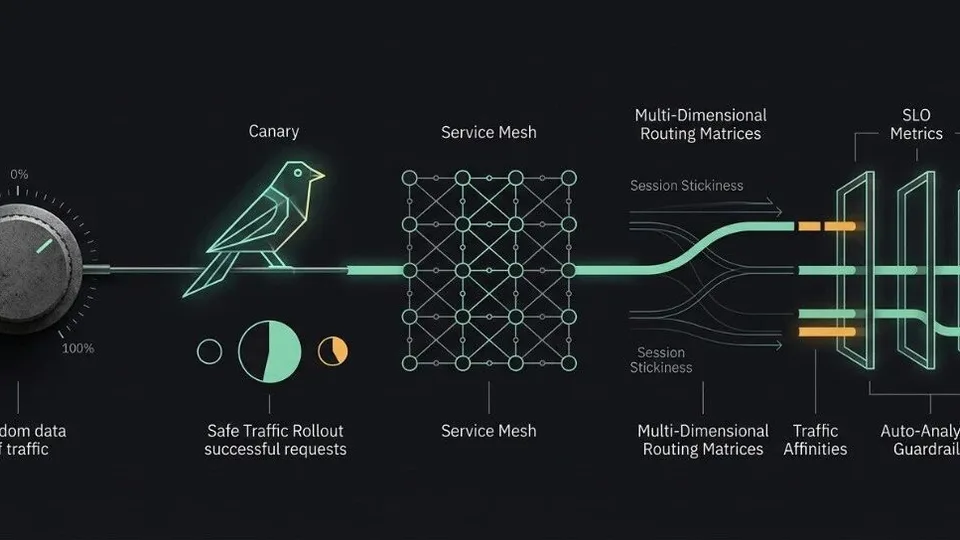
The article examines how traditional percentage‑based canary releases evolve into fine‑grained, attribute‑driven deployments with session stickiness, automated SLO gating, traffic mirroring, and service‑mesh integration, highlighting five pain points, practical solutions, and the hidden prerequisites for large‑scale systems.
The OpenTelemetry Go Compile‑Time Instrumentation project, jointly launched by Alibaba Cloud and Datadog, fills the last observability gap for Go by injecting tracing and metrics code at build time, offering zero‑code instrumentation, no runtime overhead, and seamless CI/CD integration while comparing it with manual and eBPF approaches.
The article analyzes distributed and traditional monolithic architectures across response latency, throughput, scalability, and fault‑tolerance cost, revealing that distributed systems introduce network latency, serialization overhead, higher resource consumption, and complex failure modes that often offset their scalability benefits, and provides concrete case studies from Netflix, Alibaba, and LinkedIn.
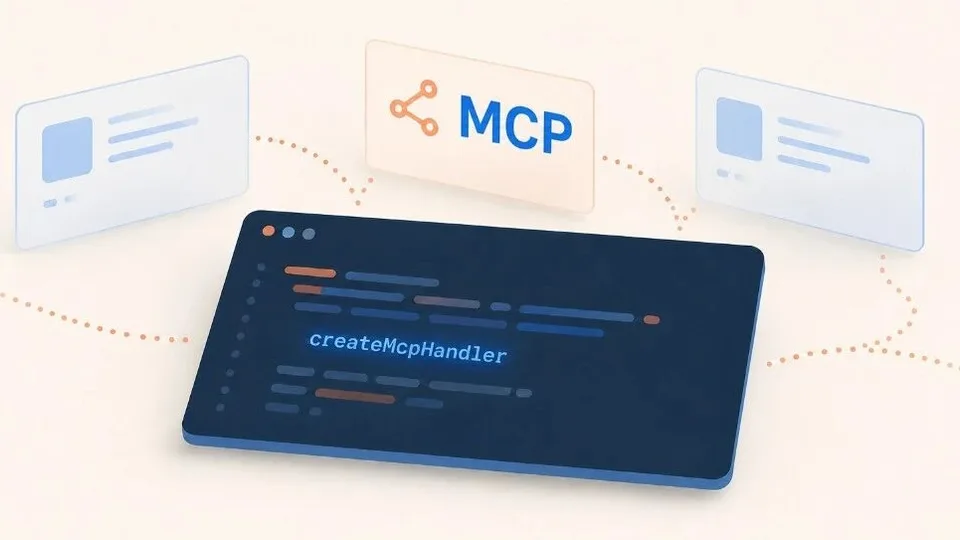
The article explains how MCP 1.x's stateful handshake caused node‑crash failures, sticky sessions, and serverless incompatibility, and how the 2.0 release removes the handshake, makes each request self‑describing via _meta and HTTP headers, introduces MRTR for multi‑round interactions, and provides a Java/TypeScript code walkthrough demonstrating the new stateless behavior.
Splitting a monolithic order system into separate services introduces challenges such as scattered routing, uncontrolled configuration changes, and fragmented logs, which can be mitigated by implementing a unified API Gateway, a centralized Nacos configuration center, and comprehensive SkyWalking tracing to ensure observability, fault isolation, and safe incremental releases.
This article walks through Docker's built‑in networks, the four network modes (bridge, host, container, none), how to create and manage Linux network namespaces and veth pairs, and provides practical commands for configuring bridges, port mapping, DNS, and custom network settings.