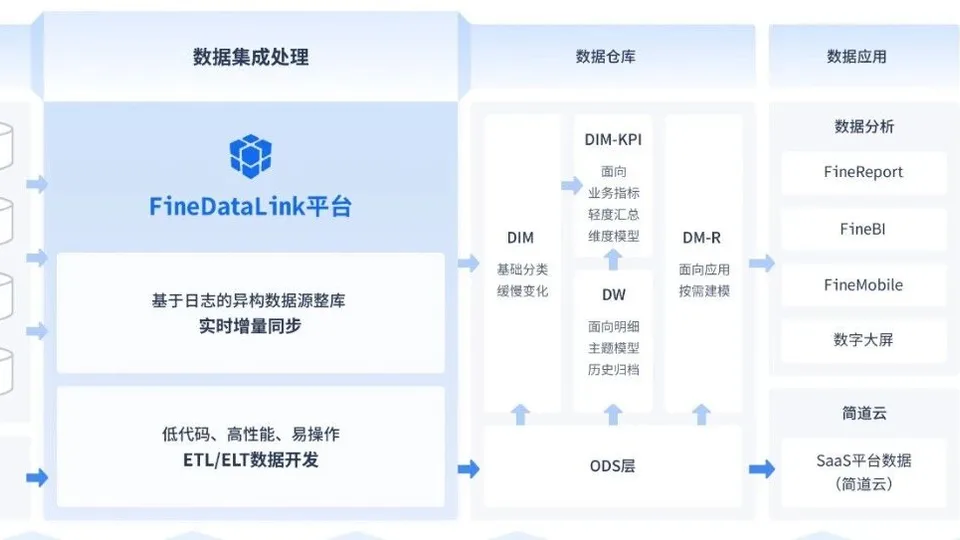
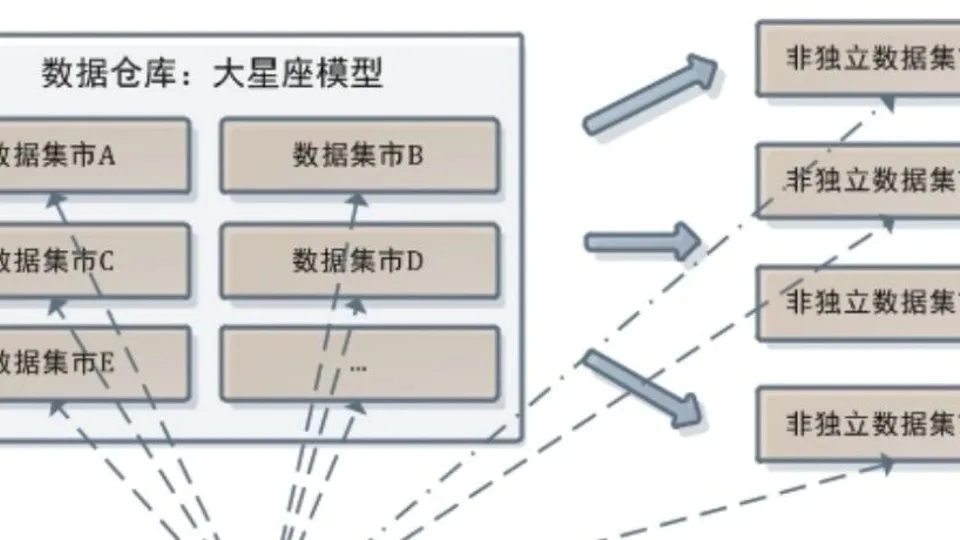
Enterprise data platforms face common questions—why add a data warehouse when MySQL or Oracle exist, why introduce a data lake after a warehouse, and what problems NoSQL, ClickHouse, or Doris solve—this article breaks down six storage technologies, their core use‑cases, and how to choose among them.
This guide walks through installing Redis MCP and the official Agent Skills, then demonstrates how Claude Code can store, query, and cache data in Redis using natural language, while the Skill package supplies best‑practice recommendations such as vector search and sorted‑set selection.
The article explains what MySQL slow queries are, why they must be detected, when to enable slow‑query logging, step‑by‑step commands to configure the log, how to simulate and analyze problematic SQL with EXPLAIN, and practical optimization techniques—including index creation and Spring Boot integration—to eliminate performance bottlenecks.
This article explains how the SQL UPDATE statement modifies existing rows, emphasizes the necessity of a WHERE clause to avoid full‑table changes, provides single‑row, batch, and multi‑column examples, and advises verifying data with SELECT before executing updates in production.
This article provides a comprehensive overview of data warehouse implementation, covering DDL‑based creation, the role of ETL processes, the functions of OLAP/BI tools, data cube operations, and the trade‑offs among MOLAP, ROLAP, and HOLAP architectures.
Redis Cluster enforces a single database (DB 0) because its slot‑based sharding model relies on a global 16,384‑slot map, and supporting multiple databases would break slot consistency, migration, and scalability, so developers must use key prefixes, separate instances, or multiple clusters to achieve logical isolation.
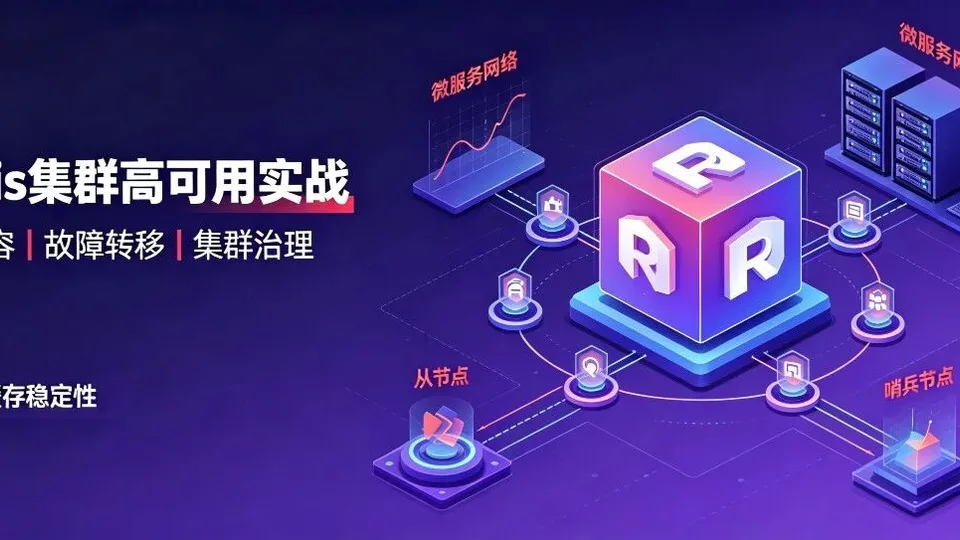
This article provides a comprehensive production guide for Redis Cluster, covering cluster selection, hash slot principles, data skew solutions for big and hot keys, scaling strategies, master-slave replication latency handling, failure scenarios like split-brain, and a 7-point checklist with a real e-commerce case study.
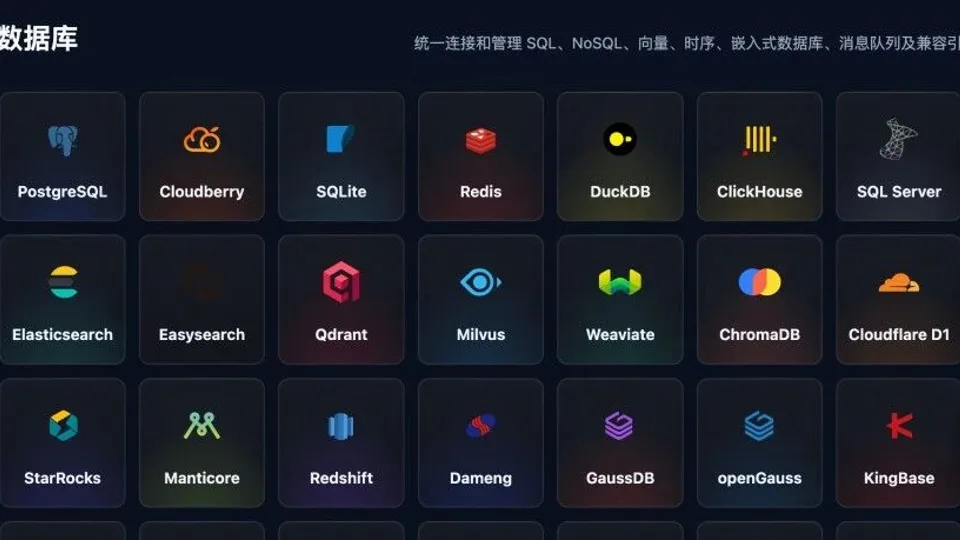
DBX is a 20 MB open‑source database client that supports over 70 databases, runs natively on macOS, Windows and Linux, and includes an AI SQL assistant, offering a faster, cheaper alternative to Navicat and DBeaver for backend and ops engineers.
This article demystifies databases by contrasting them with Excel, explains core concepts such as tables, rows, columns, primary and foreign keys, compares relational and NoSQL systems, introduces SQL CRUD operations, ACID properties, and provides a quick MySQL hands‑on guide, helping readers decide when to adopt a database.
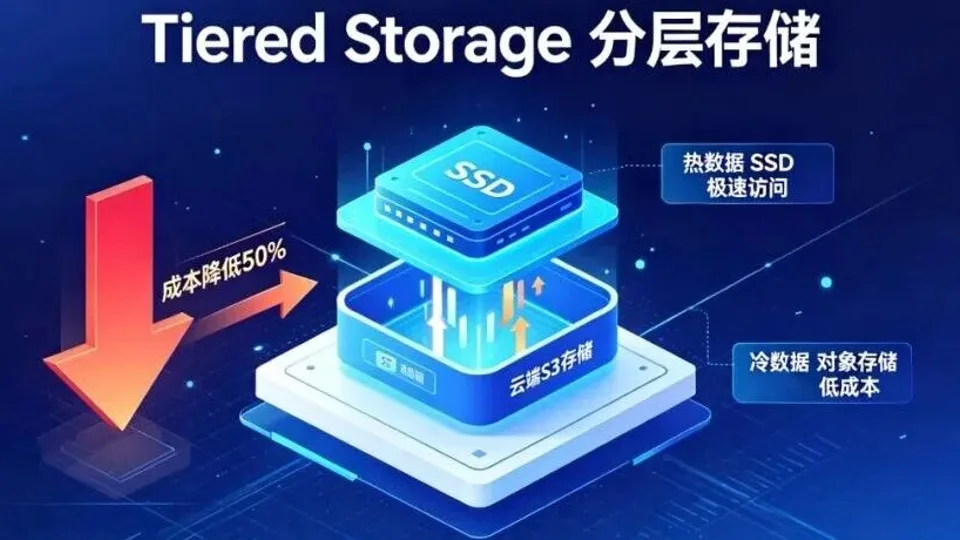
TiDB’s next‑generation tiered storage separates hot data on local SSDs from cold data on object storage, using multi‑tree LSM, segment caching, and IA Manager to reduce storage costs by up to 50 % while preserving low latency for frequent accesses and providing clear migration and monitoring guidelines.
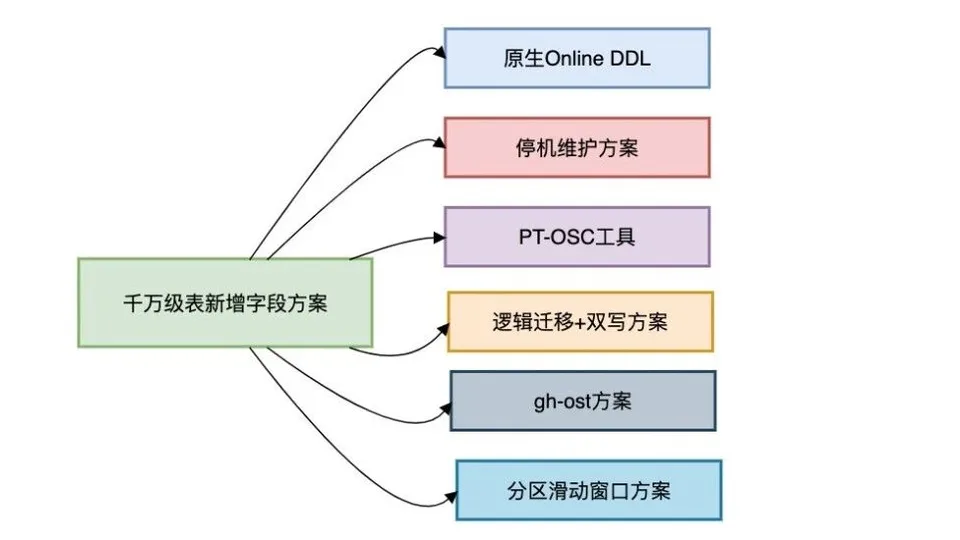
Adding a column to a MySQL table with tens of millions of rows can lock the table for minutes or even hours, disrupting services, so this article evaluates six practical approaches—including native online DDL, offline maintenance, PT‑OSC, logical migration with dual‑write, gh‑ost, and partition sliding‑window—detailing their mechanisms, trade‑offs, and suitable scenarios.
This article explains MySQL EXPLAIN output fields (id, select_type, type, key, key_len, rows, Extra), demonstrates optimizing a 200M-row query from 8 seconds to 15 milliseconds via composite index, and provides a four-point checklist (type, key, rows, Extra) for daily SQL troubleshooting.
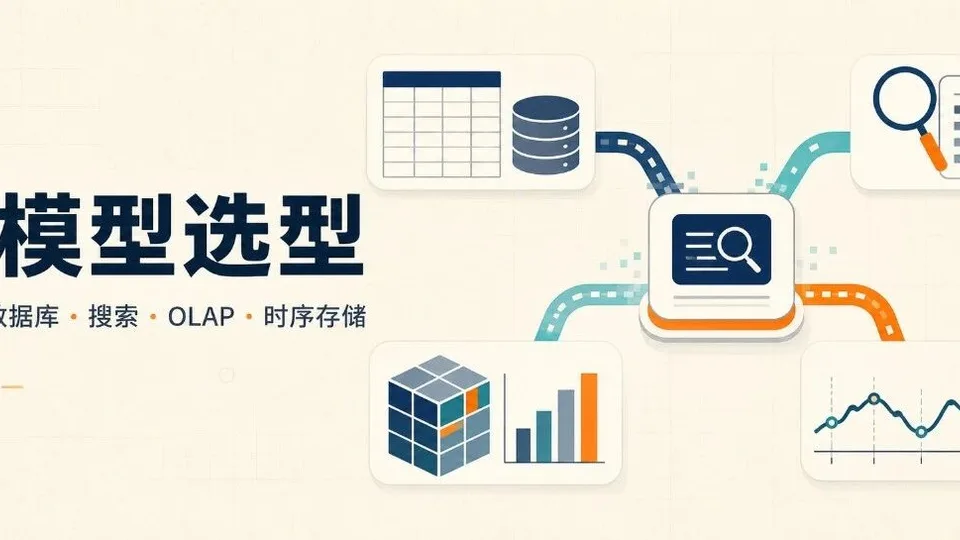
The article walks through a systematic method for selecting the right storage technology—relational OLTP, search engine, OLAP, or time‑series—based on query intent, data volume, latency tolerance, and consistency needs, using an e‑commerce “optimal store” scenario to illustrate the decision process and practical trade‑offs.
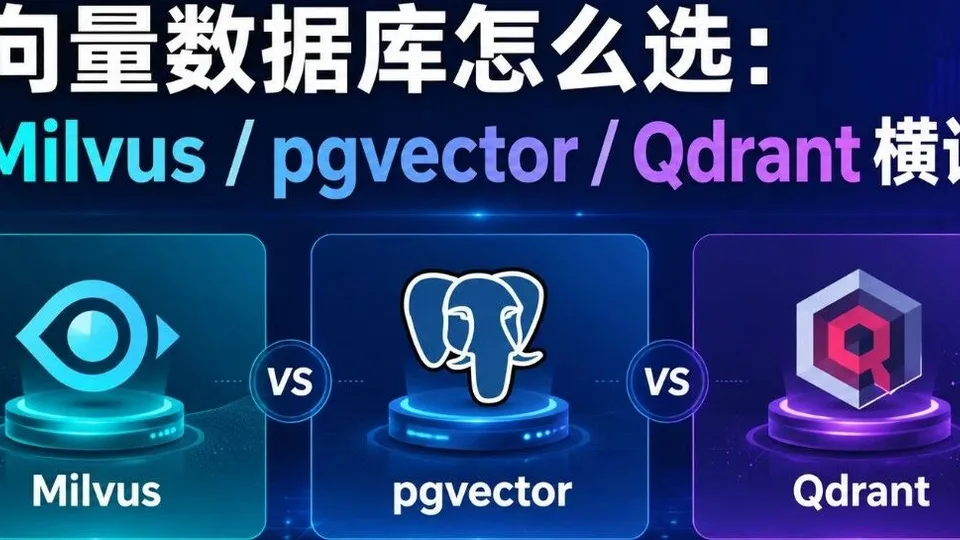
The author shares hands‑on experiences with Milvus, pgvector, and Qdrant, detailing performance at different data scales, index trade‑offs, operational complexity, and provides practical guidance on selecting the most suitable vector database for a RAG system.
When query results appear unordered, the SQL ORDER BY clause lets you instantly arrange rows by ascending or descending values—such as timestamps, amounts, or multiple fields—providing clean, organized output for latest‑first displays, statistical sorting, and tidy list presentations.
When traffic spikes, a multi‑table JOIN can hold database connections far longer than separate single‑table queries, quickly exhausting the connection pool and slowing the entire system, as demonstrated by concrete timing examples and a practical workaround.
The article explains that a shopping cart can tolerate loss of recent writes but not accumulated items, outlines the data model with seven fields and a unique key, compares client‑side storage options, details merge strategies for guest and logged‑in carts, and evaluates Redis, MySQL, and hybrid solutions with concrete trade‑offs.
The article breaks down five durability tiers for database writes—from in‑memory acknowledgment to cross‑availability‑zone replication—explaining how the point at which success is reported determines latency, fault tolerance, and the hidden coordination work a system must perform.
When a single Redis instance can no longer hold the data volume or write load of e‑commerce workloads, the traditional master‑slave with Sentinel model reaches its limits, and Redis Cluster—by sharding data across 16,384 slots, using gossip‑based topology, and removing a central control plane—delivers horizontal scaling and fault‑tolerance for billions of requests, provided key design, hash tags, hot‑key mitigation, and client routing are applied.
The article warns that while coding agents accelerate development, they erase accumulated experience, causing repeated mistakes across team members—especially in large teams—so rejecting database agentization means refusing to turn knowledge into a lasting asset.