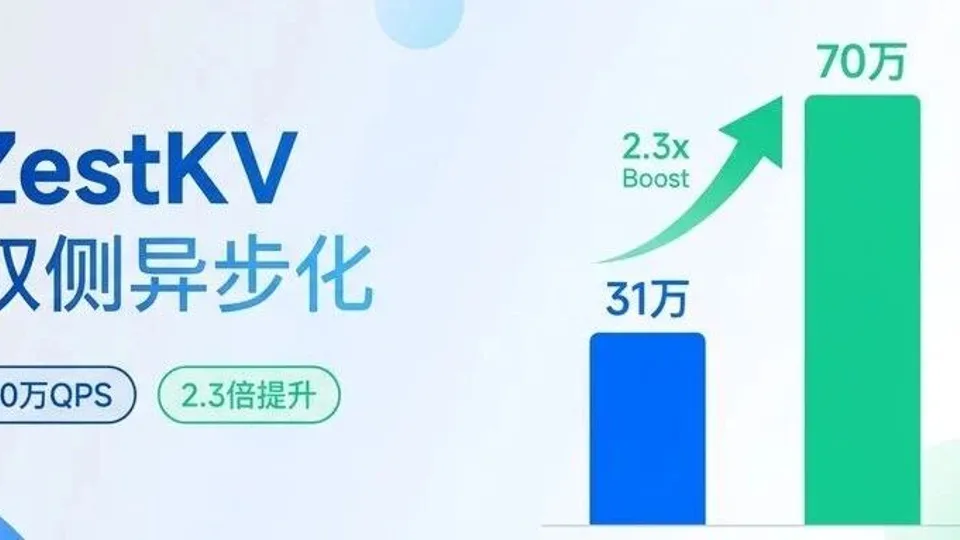
By parallelizing both the write side and the response side—using multi‑queue write concurrency, overlapping network and CPU work, batch wake‑ups, and connection‑based sharding—ZestKV raises SET request throughput from 310 k to 700 k QPS, more than double pika 3.5, while preserving full consistency and durability guarantees.
This article explains MySQL indexes with a simple book‑catalog analogy, shows why missing or mis‑used indexes cause severe latency and CPU issues, outlines when to create or avoid indexes, and provides a step‑by‑step SpringBoot demo that measures query time dropping from 80‑200 ms to under 5 ms.
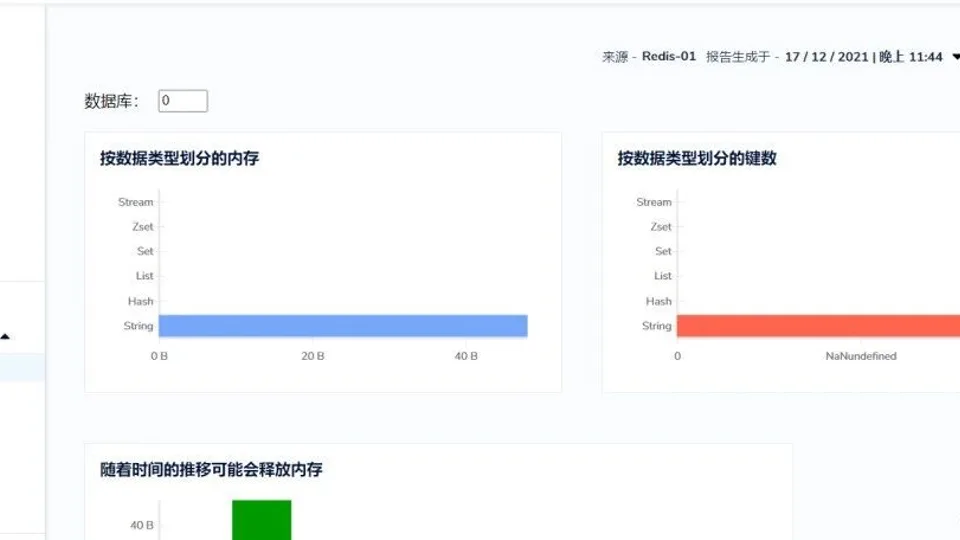
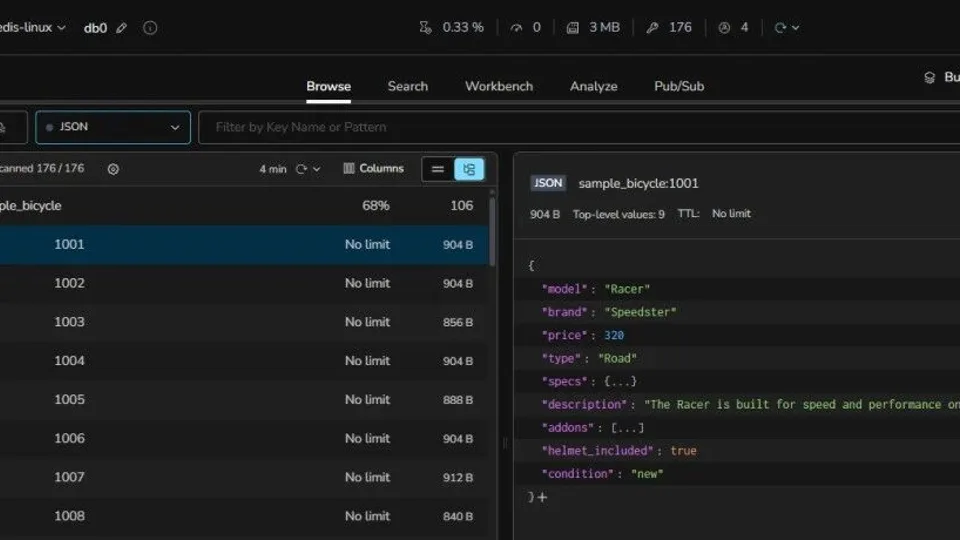
This article introduces RedisInsight, the official visual management tool for Redis, outlines its key features, provides step‑by‑step installation on Linux and Kubernetes, and demonstrates basic usage for monitoring, querying, and memory analysis through the GUI.
This article dissects Redis Sentinel’s high‑availability workflow—from failure detection, SDOWN/ODOWN states, and quorum logic to leader election, replica promotion, and configuration propagation—while illustrating each step with a real‑world e‑commerce cache case, detailed configuration snippets, Kubernetes deployment patterns, Spring Boot integration, and operational playbooks for observability and fault‑injection testing.
This guide walks MySQL operators through a complete slow‑query troubleshooting workflow—starting with enabling and analyzing the slow‑query log, using pt‑query‑digest and EXPLAIN to pinpoint index, SQL, schema, configuration or hardware bottlenecks, and then applying concrete optimizations such as proper indexing, cursor pagination, JOIN tuning, and server‑level parameter tweaks.
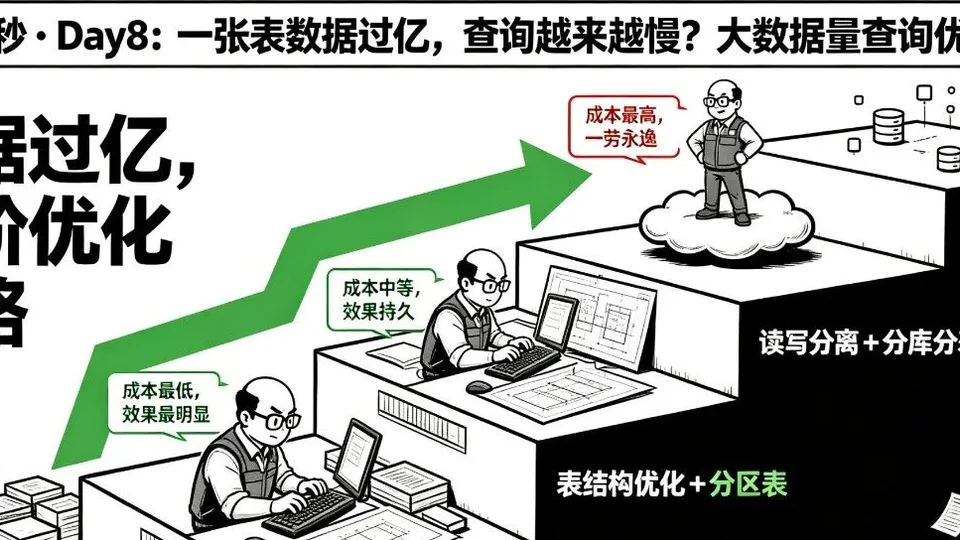
This article presents a five-step practical guide for optimizing MySQL queries on tables exceeding 100 million rows, covering index optimization, SQL rewriting, cursor-based pagination, table structure improvements including partitioning, and architectural upgrades like read-write separation and sharding, with concrete code examples and performance comparisons.
The article outlines how 2026 database performance testing has shifted from simple TPS checks to a four‑layer, AI‑augmented, observable methodology that tackles multimodal queries, serverless scaling, and AI‑generated SQL, using tools like K6, eBPF, and ChaosMesh.
SELECT is the most frequently used SQL command, handling about 80% of data‑related work; this guide explains its core role, basic operations such as selecting all rows, specific columns, distinct values, and row limits, shows practical code examples, and advises against using SELECT * for better performance.
This article provides a comprehensive, production‑focused analysis of Redis master‑slave replication, covering its internal state machine, full and partial sync processes, configuration pitfalls, performance bottlenecks, consistency trade‑offs, and practical deployment patterns with Docker, Kubernetes, and Spring Boot.
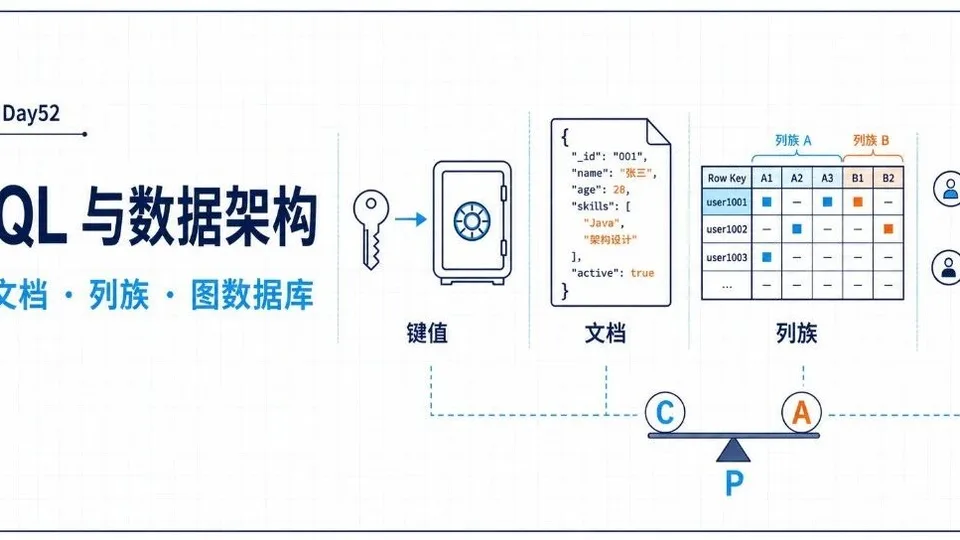
This article explains the four major NoSQL data models—key‑value, document, column‑family, and graph—detailing their structures, strengths, weaknesses, CAP trade‑offs, consistency options, and how to match each model to specific business queries and requirements, including polyglot persistence strategies.
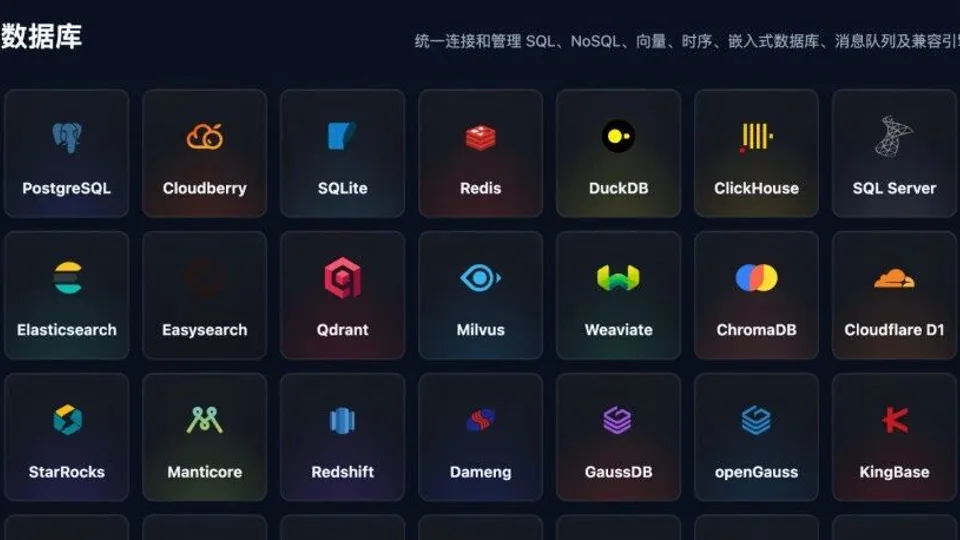
The author, after a decade of Java backend work, compares the heavyweight Navicat and DBeaver with the lightweight 20 MB Rust‑built DBX client, highlighting its 70+ database support, zero‑install setup, advanced query editor, AI‑ready MCP server, and why it feels indispensable for backend and ops teams.
This article walks through RedisInsight’s newly released web version, showing how to deploy it with Docker, highlighting its intuitive UI for browsing and editing various Redis data types, built‑in workbench, slow‑log and memory analysis, multi‑model support, theme switching, and built‑in tutorials.
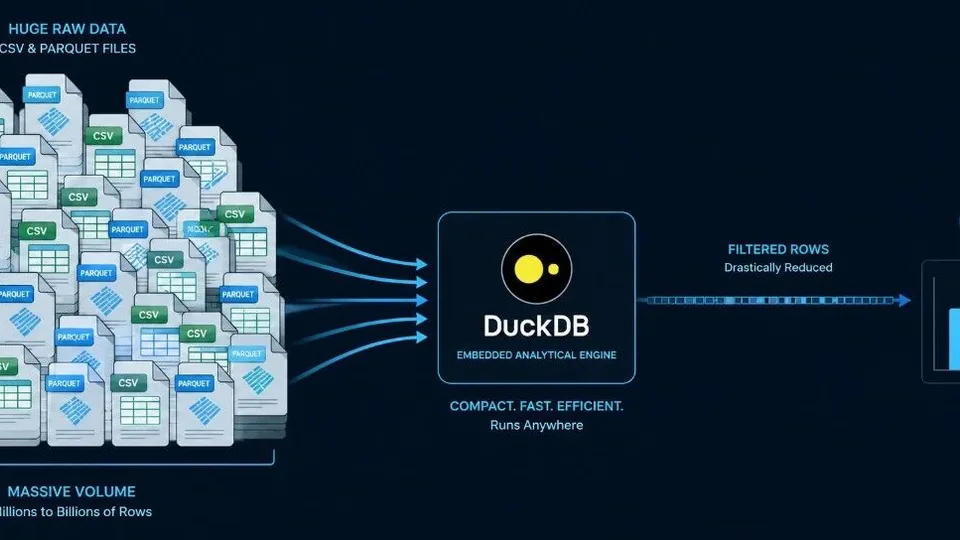
This comprehensive DuckDB tutorial explains why loading large CSV files into Pandas is inefficient, demonstrates how DuckDB can query CSV, Parquet, and JSON directly, walks through SQL basics, advanced features like window functions and CTEs, compares performance against Pandas on ten‑million‑row datasets, and provides practical tips for tuning, common pitfalls, and when to choose DuckDB for data analysis.
This guide walks through the complete process of designing, configuring, and operating a PostgreSQL primary‑standby setup with streaming replication, choosing between asynchronous and synchronous modes, implementing read‑write splitting via application routing or PgBouncer, and handling monitoring, failover, and common pitfalls for production‑grade high availability.
This tutorial explains the purpose of the SQL INSERT statement, compares column‑specified and full‑field syntax, shows single‑row and batch‑row examples using a UserInfo table, and highlights common pitfalls such as column‑value ordering, quoting rules, and auto‑increment IDs.
The article analyses a real‑world P0 outage caused by treating Redis as a simple cache, explains why persistence is the decisive factor when Redis stores session, inventory or lock data, and provides a step‑by‑step guide to RDB, AOF and hybrid persistence, configuration, monitoring, recovery and best‑practice recommendations.
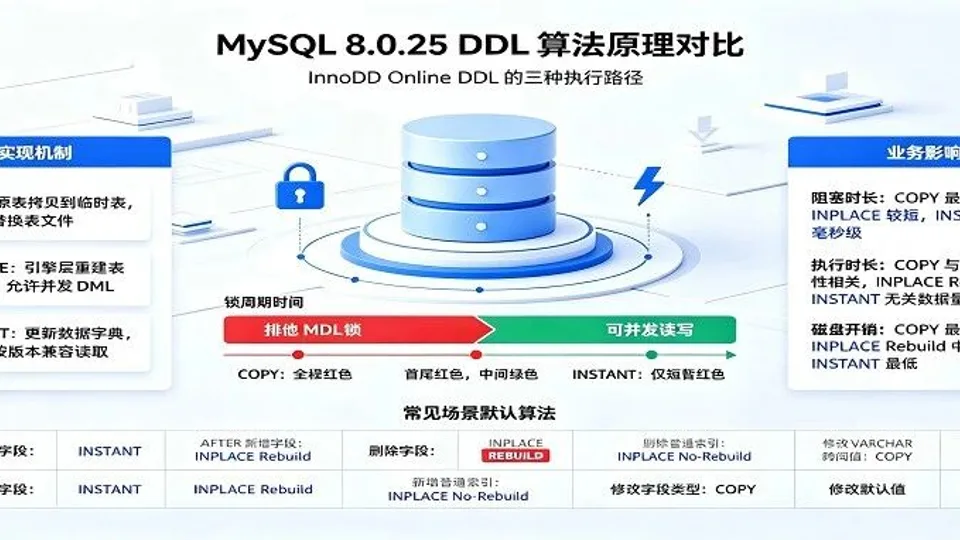
This article details MySQL 8.0.25's three DDL algorithms—COPY, INPLACE, and INSTANT—explaining their implementation mechanisms, lock behaviors, business impact, default algorithm selection for common operations, VARCHAR length boundary rules, execution time estimates, and key risks like the 64-change INSTANT limit and MDL lock contention.
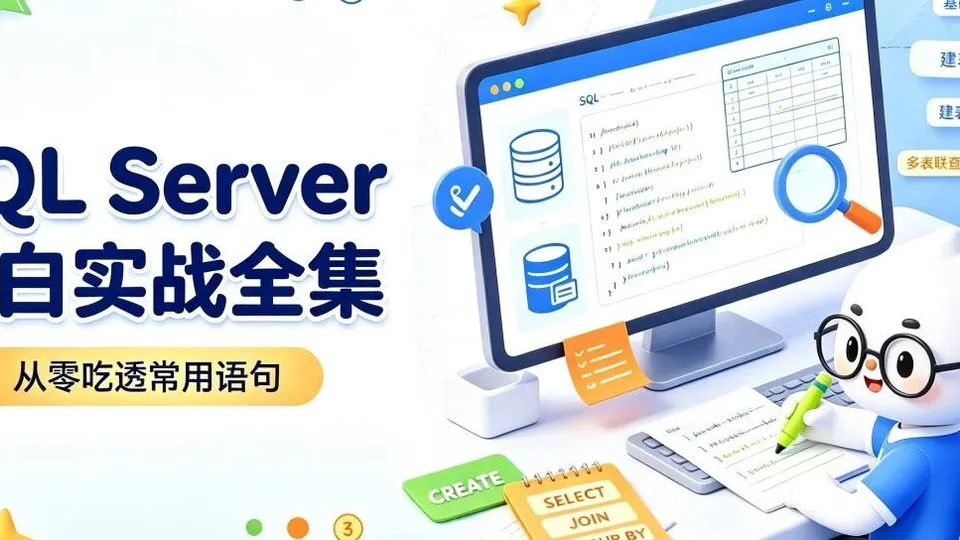
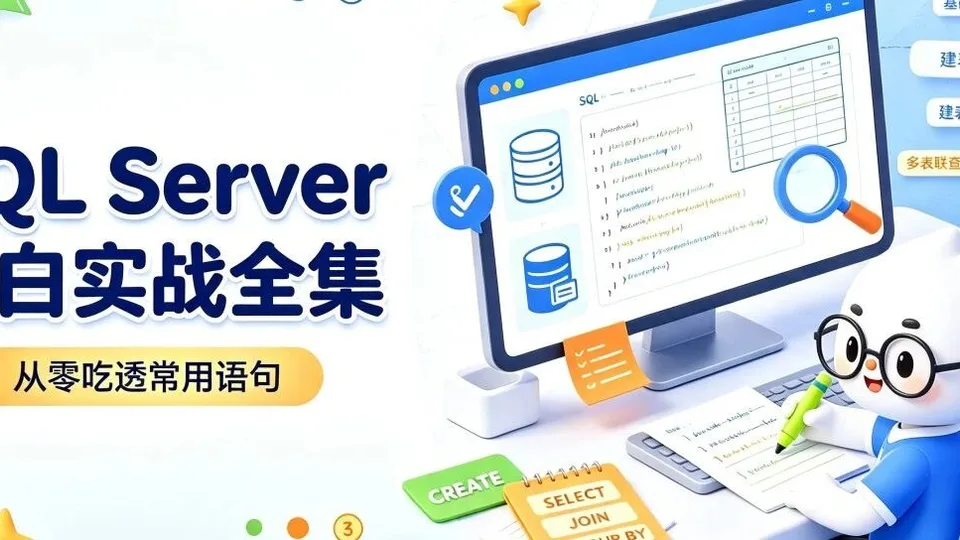
This tutorial walks beginners through the fundamentals of database tables—explaining fields, data types, and constraints—while demonstrating how to create a standard user table, view its structure, and safely delete it using SQL Server commands.
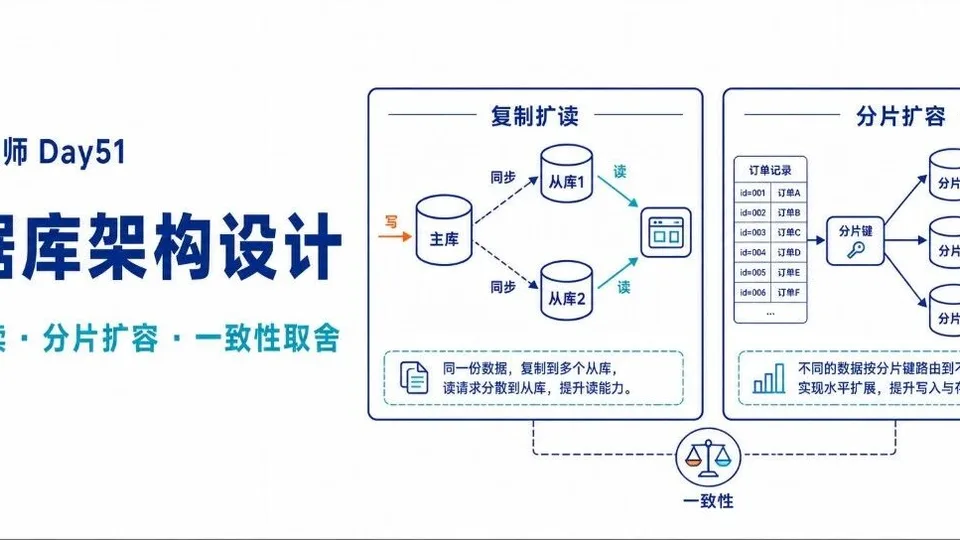
The article walks through diagnosing database bottlenecks, explains MySQL replication flow, read‑write separation benefits and limits, shows when to apply vertical versus horizontal partitioning, details sharding‑key selection, cross‑shard challenges, high‑availability steps, and presents a complete e‑commerce case study.
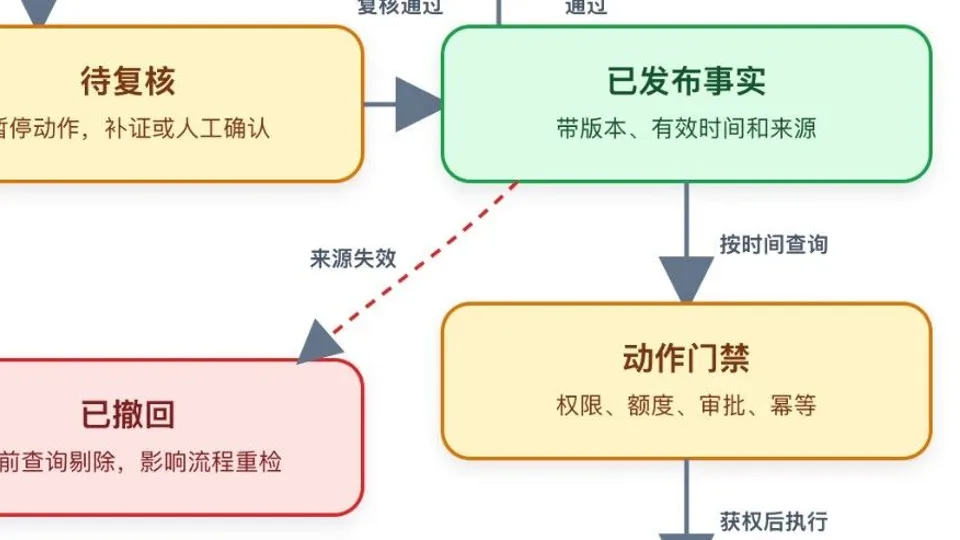
The article explains how an ontology—defining objects, relationships, constraints, and inferable boundaries within a domain—serves as a semantic control plane between the fact and action layers of an agent‑driven system, ensuring consistent interpretation, validation, and lifecycle management of business facts.