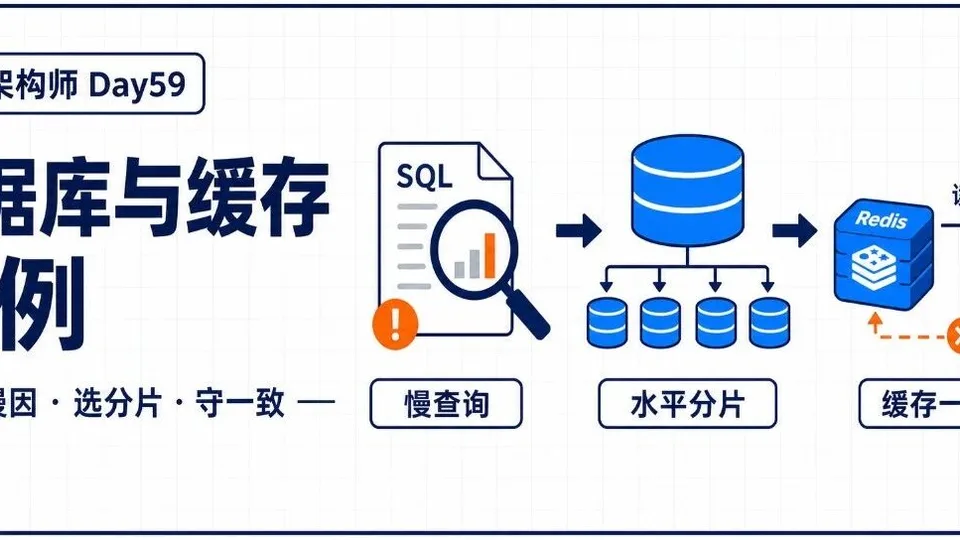
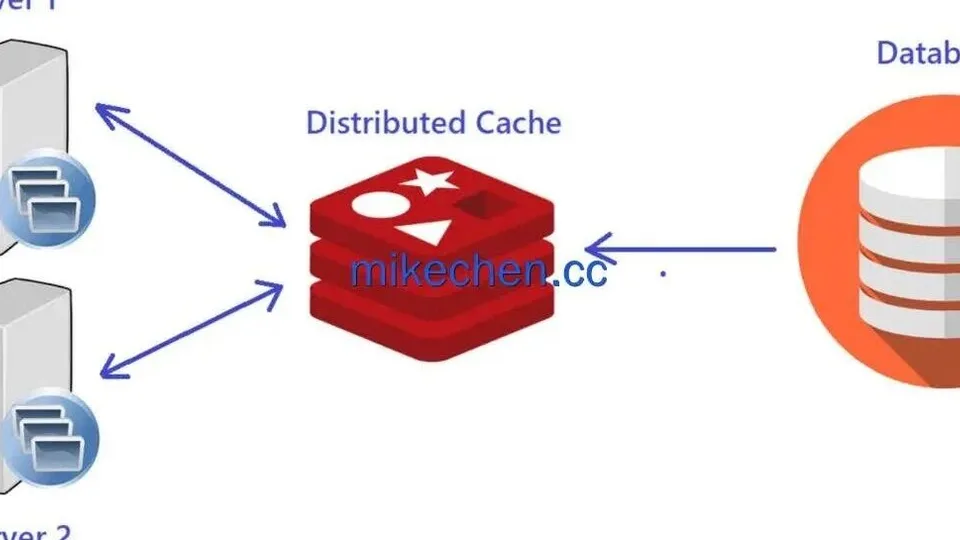
This article walks through a comprehensive case study of a provincial medical appointment platform, diagnosing slow‑query bottlenecks, proposing patient‑id + create_time composite indexes, designing read‑write separation with replication, selecting patient_id for horizontal sharding, and implementing cache‑aside strategies to ensure consistency while handling cache avalanche, penetration and thundering‑herd scenarios.
This article explains the four fundamental SQL JOIN types, shows when to use each in real business scenarios, and provides a step‑by‑step example that creates tables, inserts data, and demonstrates LEFT and INNER JOIN queries with practical tips for readability.
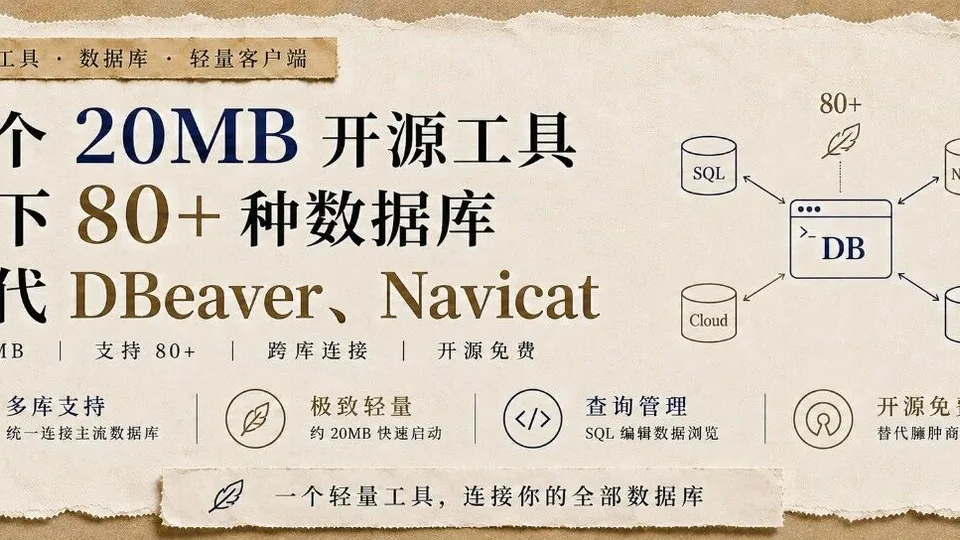
DBX is a Rust‑and‑Tauri based, 20 MB single‑file, free, open‑source database client that supports over 80 relational, NoSQL, OLAP and search databases, includes an AI‑powered SQL assistant and native MCP server, and offers lightweight installation across macOS, Windows, Linux and Docker, positioning it as a modern alternative to DBeaver and Navicat.
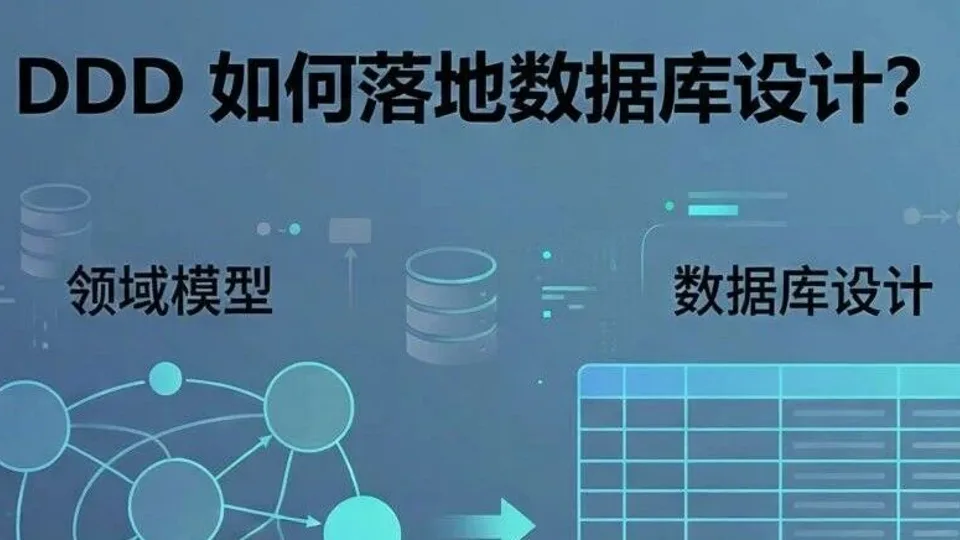
The article explains how to translate domain‑driven design into concrete database schemas by first shifting focus from tables to domain models, then mapping the four relationship types, choosing an inheritance strategy, and finally adapting the approach for NoSQL databases.
This guide walks through why MySQL master‑slave replication lag occurs, the key metrics to monitor, a step‑by‑step troubleshooting flow, ten typical root causes, concrete remediation actions, verification methods, rollback plans, and production‑grade best practices for keeping replication latency near zero.
The article presents a four‑layer method for diagnosing sudden Redis memory growth, covering recent releases or configuration changes, key monitoring metrics, sampled key analysis, and emergency mitigation steps, with concrete metric definitions and practical examples.
The article explains why sharding should be a last‑resort scaling option, describes vertical and horizontal partitioning, compares hash, range and directory sharding schemes, discusses hotspots, routing, data colocation, migration steps and tool choices, and warns about the operational complexity involved.
This article explains why MySQL deadlocks occur in production, distinguishes them from simple lock waits, and provides a step‑by‑step guide—including enabling deadlock logging, analyzing InnoDB lock types, and applying four practical solutions such as distributed locks, unique constraints, isolation‑level changes, and SQL reordering—to reliably troubleshoot and prevent deadlocks.
In this interview, senior DBA Yao Wei shares over a decade of hands‑on experience designing, testing, and operating heterogeneous database ecosystems for retail, internet, and financial services, detailing pre‑emptive DBA involvement, compatibility pitfalls, high‑availability strategies, automated validation pipelines, and migration to domestic databases.
The article explains what a database transaction is, breaks down the ACID properties, details MySQL’s four isolation levels with their appropriate use‑cases and pitfalls, and provides step‑by‑step SQL and SpringBoot code to reproduce and resolve dirty reads, non‑repeatable reads, and phantom reads.
The article explains that whether adding an index locks a MySQL table depends on the version and DDL algorithm—MySQL 5.5 and earlier lock the whole table, 5.6‑5.7 use Online DDL with brief metadata locks, and 8.0+ can create secondary indexes instantly without locking, while primary, unique, and full‑text indexes always require locking.
This article investigates whether SELECT COUNT(*) forces a full table scan, explains MySQL's cost‑based index selection (IO and CPU components), demonstrates the optimizer's choices with real‑world examples, and shows how EXPLAIN and optimizer trace can reveal and improve query performance.
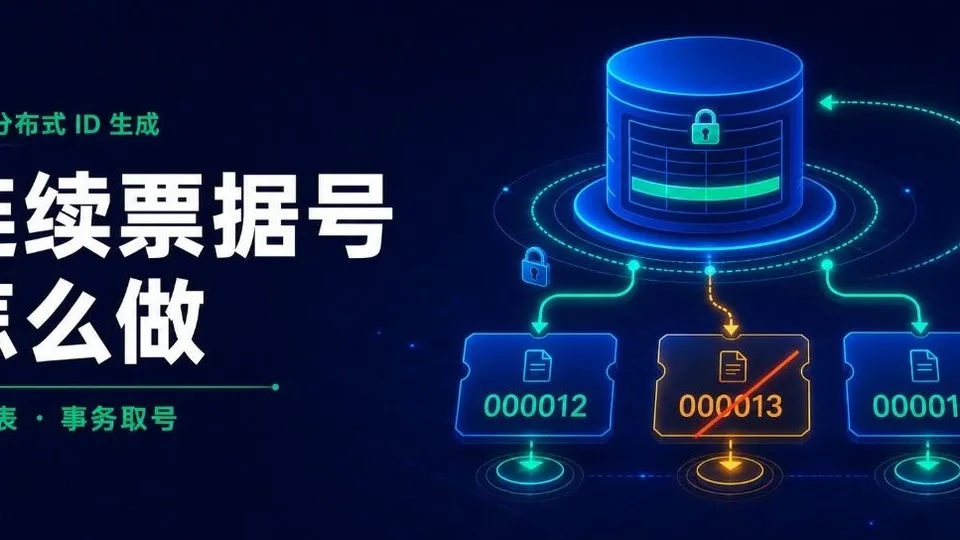
The article explains how to generate strictly sequential invoice numbers required by auditors by using a MySQL InnoDB watermark (water level) table combined with row locking and UPSERT within a single transaction, covering the workflow, concurrency handling, rollback versus void semantics, performance trade‑offs, and applicability limits.
This article clarifies the difference between SQL DELETE and DROP TABLE, showing that DELETE removes rows while preserving table structure (and requires a WHERE clause), whereas DROP TABLE eliminates the entire table, and provides practical scenarios and code examples for each.
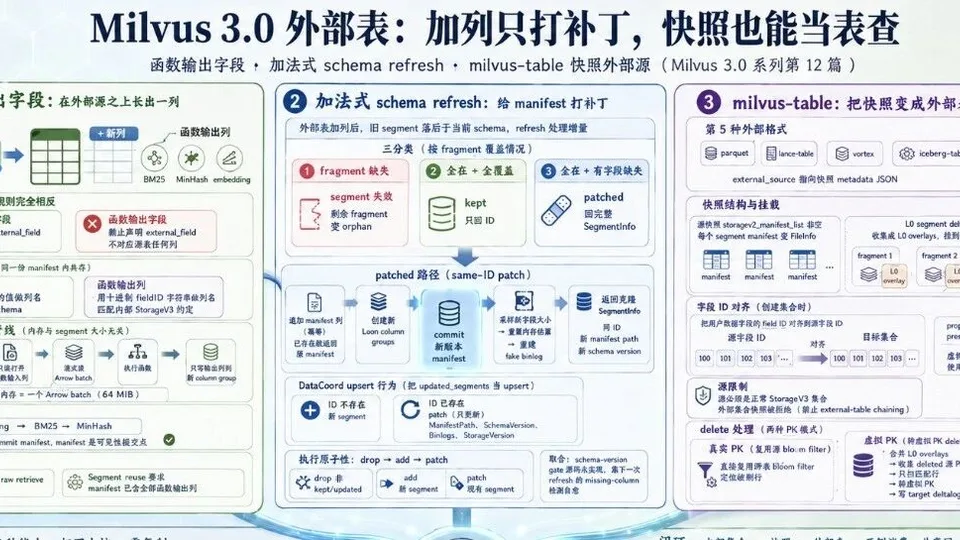
This article dissects Milvus 3.0’s External Collection feature, explaining how function‑output fields extend source schemas, how additive‑only schema refresh patches manifests without moving source data, and how the milvus‑table format lets snapshots serve as zero‑copy external tables for both batch and serving workloads.
Oracle’s 2026 layoffs hit the MySQL team, community contributions fell 44% since 2017, while PostgreSQL climbs, and SQLite—once dismissed as a toy—now powers billions of devices and edge‑computing platforms, boosted by projects like LibSQL, Turso, Cloudflare D1 and Litestream, offering latency advantages over traditional servers.
The article walks through a real‑world MySQL deadlock incident, shows how to extract the LATEST DETECTED DEADLOCK section from SHOW ENGINE INNODB STATUS, explains gap and next‑key locks, and presents a three‑step method plus practical fixes to eliminate the deadlock.
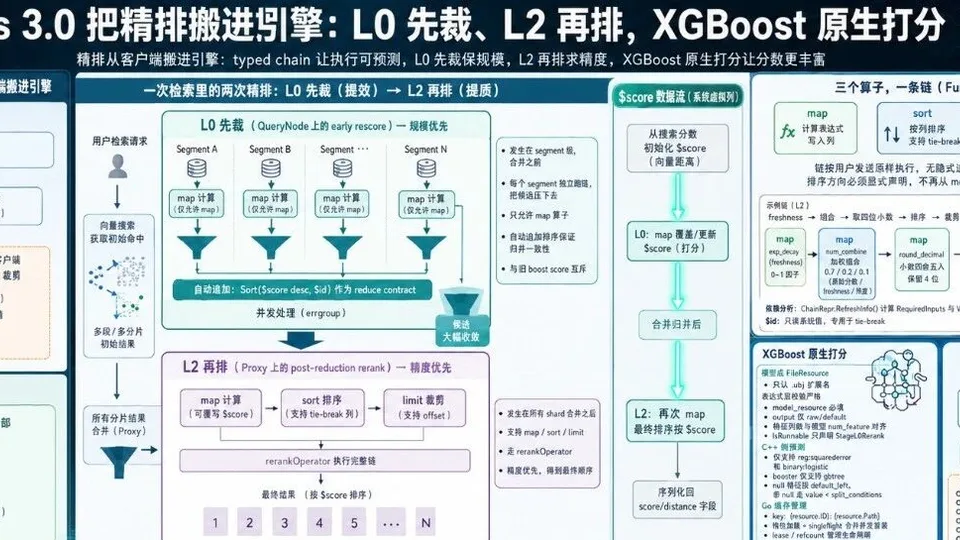
The article dissects Milvus 3.0's Function Chain, explaining how fine‑grained ranking is moved into the engine with a two‑stage L0 early‑prune and L2 post‑reduction design, native XGBoost scoring, typed protobuf pipelines, and the trade‑offs revealed by source‑code analysis and community discussions.
This article explains why MySQL discourages using NULL as a default column value, demonstrates how NULL affects indexing, comparisons, and aggregate functions, and shows through concrete examples that improper NULL handling can lead to unexpected query results and performance degradation.
The article presents a systematic, three‑layer approach to uncovering root causes of database performance test failures, illustrating each step with real‑world financial and e‑commerce case studies, key metrics to monitor, reproducible fault injection techniques, and a baseline‑driven change‑gate process.