This tutorial walks SQL newcomers through the three essential database commands—creating a database, listing all databases, switching to a specific one, and safely dropping a database—providing copy‑paste code, practical scenarios, and beginner‑focused pitfalls.
The article explains how database indexes, built on sorted data and binary search, dramatically reduce query time compared to full table scans, while also covering storage fundamentals, the cost of excessive indexes, clustered indexes, index failure scenarios, and practical SQL optimization techniques.
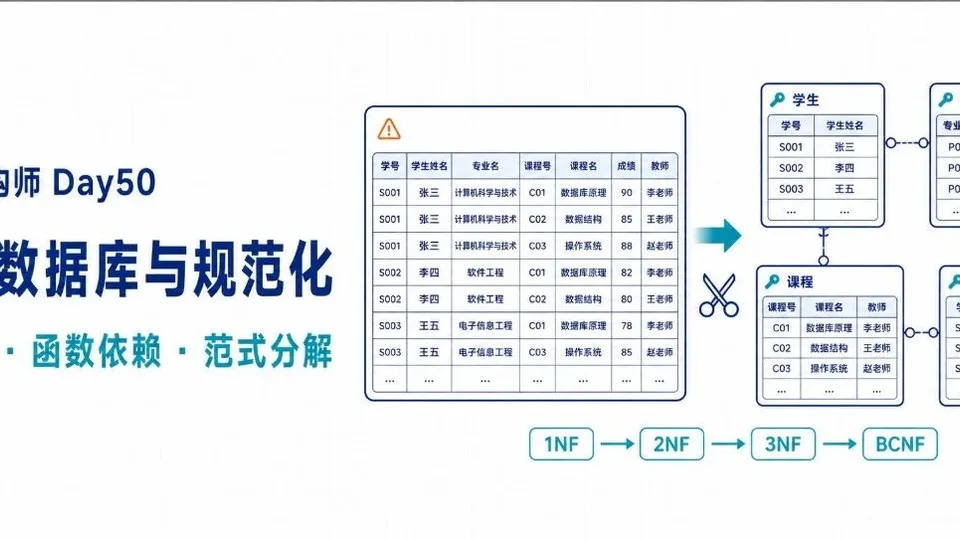
This lesson walks through relational database normalization using a messy enrollment table, showing how to derive functional dependencies, identify candidate keys, detect partial, transitive and BCNF violations, and systematically decompose the schema into student, major, course, teacher and enrollment tables while ensuring lossless joins and dependency preservation.
This guide compares Doris, ClickHouse, and StarRocks for billion‑row real‑time analytics, outlining their strengths and weaknesses across write throughput, update handling, join performance, concurrency, cost, and operational complexity, and provides concrete modeling, ingestion, query governance, and fault‑tolerance recommendations to help teams choose the most suitable OLAP platform.
The whitepaper released by Youxuan Database outlines the market size of the DBMS industry, traces the technical evolution of multi‑write multi‑read shared‑storage clusters from early research to modern implementations, details the UXDB SRAC architecture and its innovations, and validates its feasibility through certifications, benchmark results, and real‑world case studies.
The article explains that in a LEFT JOIN the ON clause determines how rows are matched but never filters out rows from the left table, while a WHERE clause is applied after the join and can remove left‑table rows, illustrated with concrete SQL examples and step‑by‑step analysis.
By embedding a shard identifier (“gene”) into the low bits of a business ID generated via Redis INCR or similar sequencers, the article shows how to achieve direct table routing without broadcast queries or extra mapping tables, detailing the algorithm, implementation, integration with Snowflake and Leaf, and common pitfalls.
Choosing between OWL‑based ontologies and graph‑database inference engines fundamentally affects knowledge‑graph design: ontologies provide formal logical consistency and open‑world reasoning, while graph inference offers fast, flexible queries, with each suited to different constraints, scalability, and maintenance scenarios.
This article dissects why a simple Redis upgrade is insufficient for large‑scale live streaming, then walks through how Redis 7’s Sharded Pub/Sub, Function, and ACL v2 features together eliminate broadcast storms, streamline script governance, and enforce fine‑grained multi‑tenant control, backed by concrete architecture diagrams, production‑grade Java code, capacity planning, monitoring, rollout procedures, and real‑world benchmark results.
This article walks through a systematic approach to sizing PostgreSQL connection pools for Java applications using HikariCP and Spring Boot, covering capacity budgeting, workload‑driven calculations, monitoring metrics, slow‑SQL analysis, leak detection, Kubernetes deployment considerations, and safe rollout practices.
This article explains how MySQL deadlocks arise, details the four necessary conditions, compares lock types, shows how to enable detailed deadlock logging, query lock metadata, interpret logs, and provides practical code‑level and configuration strategies to prevent and resolve common deadlock scenarios in production environments.
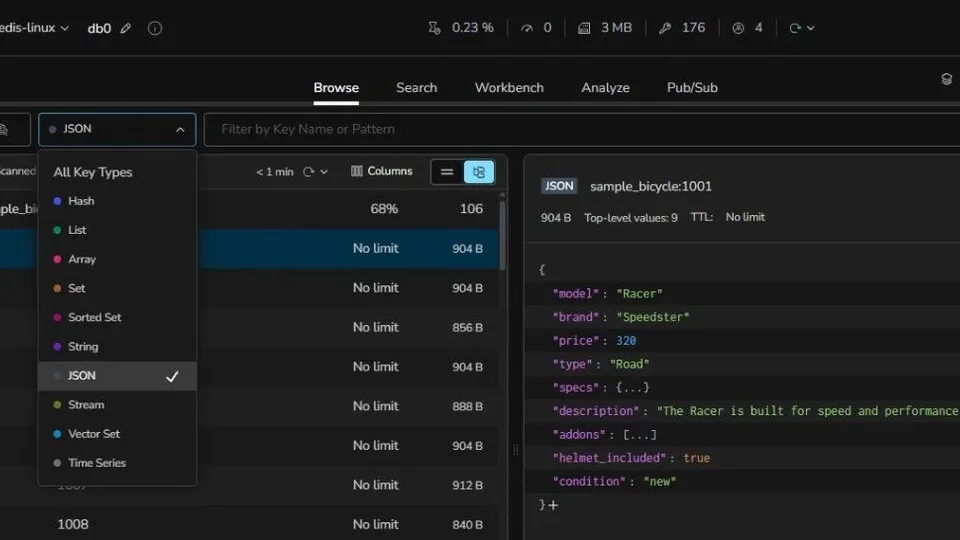
This article introduces RedisInsight, the official Redis visualization tool, walks through its Docker-based installation, showcases its graphical interface for data types, built-in workbench, slow‑log and memory analysis, JSON editing, theme switching, and provides a quick hands‑on experience for beginners.
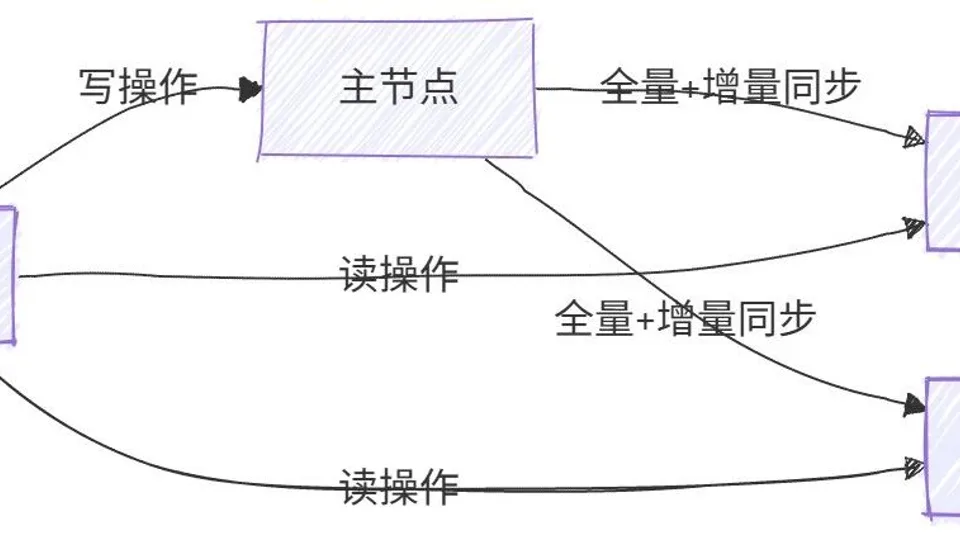
The article explains why Redis must be highly available and walks through three progressive architectures—master‑slave replication, Sentinel automatic failover, and Redis Cluster—detailing their mechanisms, advantages, drawbacks, and when to choose each for small, medium, or large‑scale production systems.
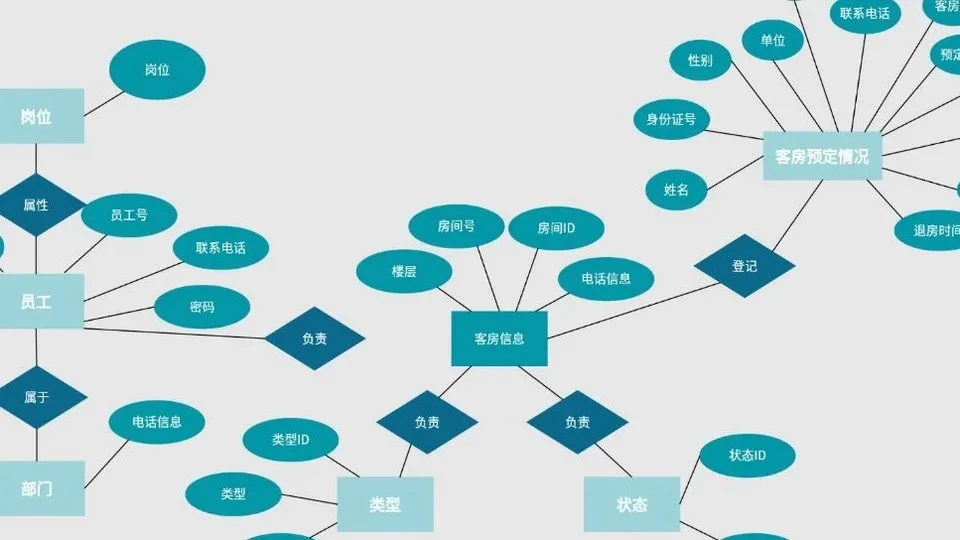
The article explains why data modeling is the bridge between business processes and analytical applications, breaks down eight common modeling methods—including ER, 3NF, dimensional, star, snowflake, wide‑table, Data Vault, and subject‑oriented models—detailing their purposes, strengths, trade‑offs, and how they fit into a layered data‑warehouse architecture.
This article explains how to implement pagination using Redis Sorted Sets, achieve multi‑condition fuzzy queries with Hashes and HSCAN, and then combine both techniques into a single solution while discussing performance trade‑offs and optimization strategies such as key expiration and data‑sync methods.
The article walks through a systematic MySQL 8.0 index‑optimization workflow—starting with diagnosing slow queries and lock waits, validating execution plans with EXPLAIN ANALYZE, safely adding or dropping indexes using online DDL, handling pagination patterns, and verifying improvements via comprehensive metrics before and after.
This article walks MySQL developers through the essential architectural, schema, data‑type, SQL‑dialect, transaction, vacuum, indexing, and extension differences when moving to PostgreSQL, providing concrete examples, code snippets, and best‑practice recommendations to avoid common pitfalls.
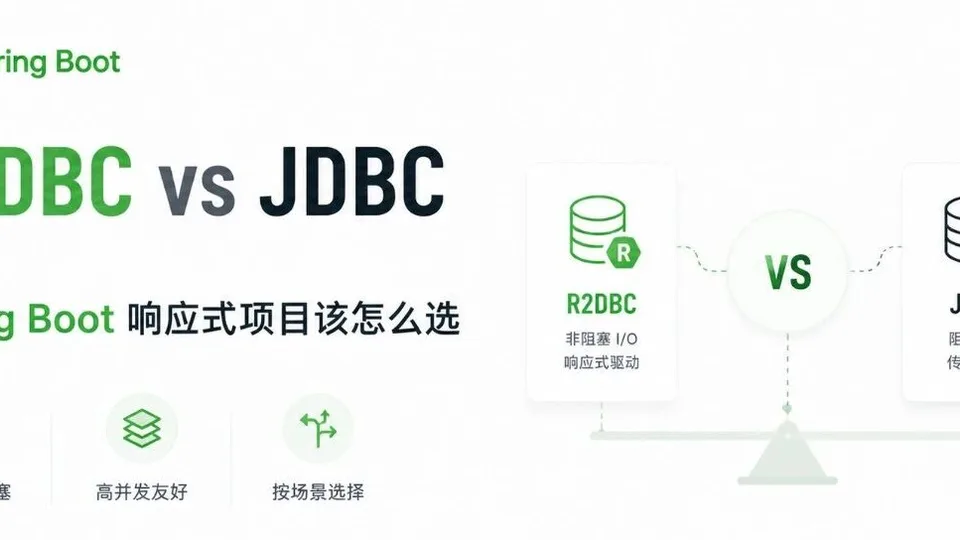
This article compares Spring Data JDBC and Spring Data R2DBC for Spring Boot 3.x/4.x projects, detailing setup, Maven dependencies, configuration, entity definitions, repository and service implementations, transaction handling, performance trade‑offs, and provides a hybrid approach that wraps JDBC calls in reactive Monos for WebFlux, helping developers decide which persistence layer best fits their reactive architecture.
The article explains why placing column C immediately after the equality column A in a composite index (A, C, B) avoids filesort and keeps performance stable regardless of how many values appear in the B IN list, outperforming other index orders such as (A, B, C).
This article comprehensively covers Redis high availability architectures — master-slave replication, Sentinel automatic failover, and Redis Cluster sharding — with detailed working principles, pros/cons, comparison tables, production-grade Java code for Jedis and Lettuce clients, hash-tag routing for cross-slot operations, Spring Retry integration, and solutions for split-brain, async replication data loss, failover downtime, data skew, and cluster scaling latency.