VoidZero’s Vite+ Beta bundles development server, testing, building, linting, packaging and task orchestration into one ‘vp’ command, sparking a heated community debate about whether such an all‑in‑one front‑end toolchain is truly a necessity.
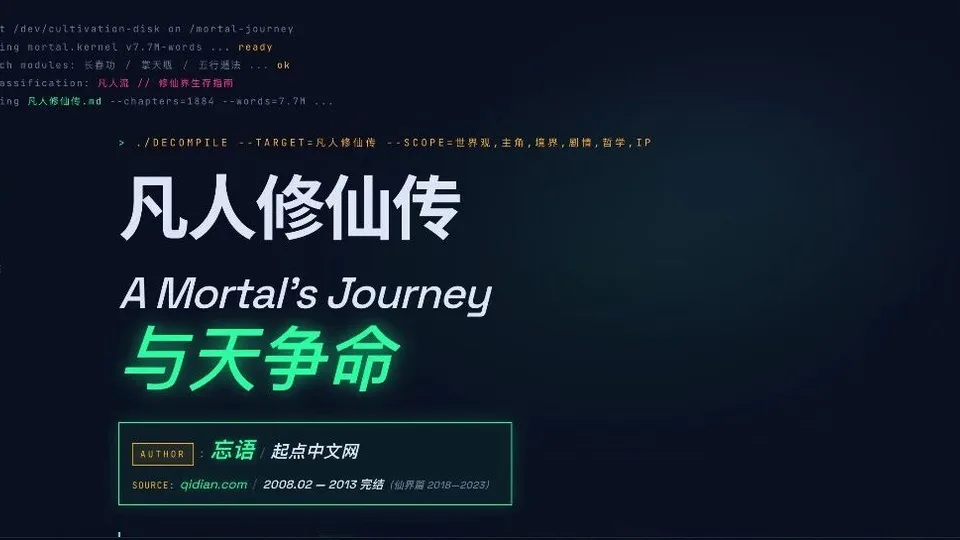
The article demonstrates how to use an AI Agent skill to generate a single‑file HTML presentation styled as a cyberpunk terminal console, eliminating the need for PowerPoint or design tools, and outlines suitable use cases, interactive features, example output, and the command‑line steps to install the skill.
This article walks through building a Vue3 custom directive that leverages Element‑Plus's ElImageViewer to provide a reusable image‑preview feature for a backend management system, covering directive basics, parameter details, step‑by‑step implementation, and integration into the main application.
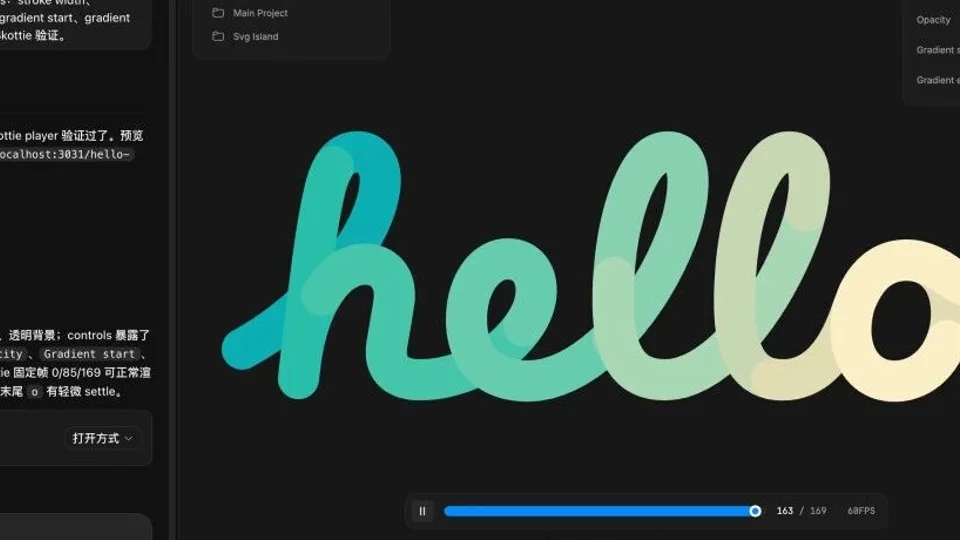
This guide shows how to use the open‑source Text‑to‑Lottie tool powered by Codex to create lightweight Lottie animations—such as text effects, logo reveals, and SVG‑based icon motions—by describing them in plain language, previewing instantly in the browser, and exporting the resulting JSON for integration.
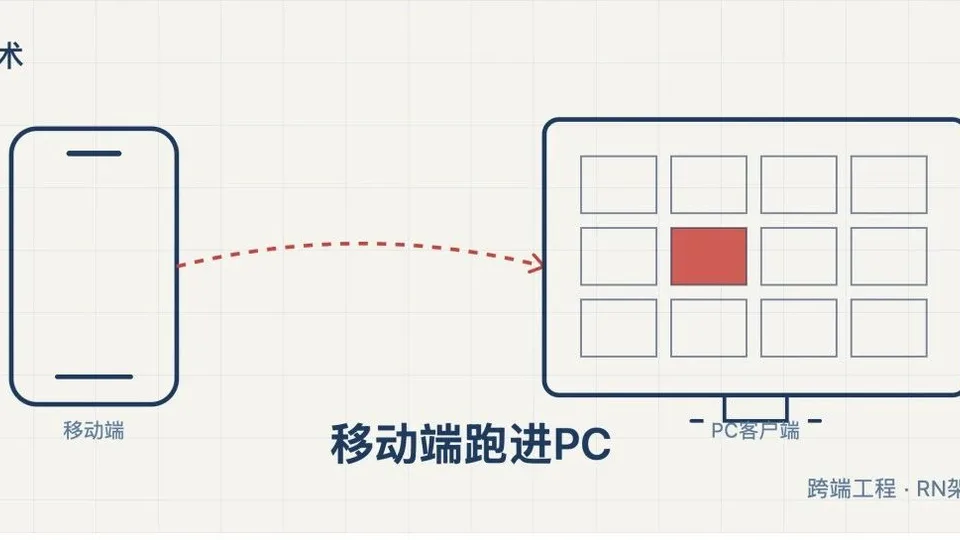
This article details how a live‑streaming team successfully integrated React Native UI components into a PC client, covering component‑library extraction, engineering adaptation, runtime compatibility layers, bidirectional communication, multi‑video handling, and stability verification using a complex 12‑person PK interaction scenario, while highlighting cost trade‑offs and common pitfalls.
This article walks through creating a Vue3 custom directive that leverages Element‑Plus's ElImageViewer to provide image preview functionality in a backend admin system, covering directive registration, event binding, vnode creation, rendering, and cleanup with full code examples.
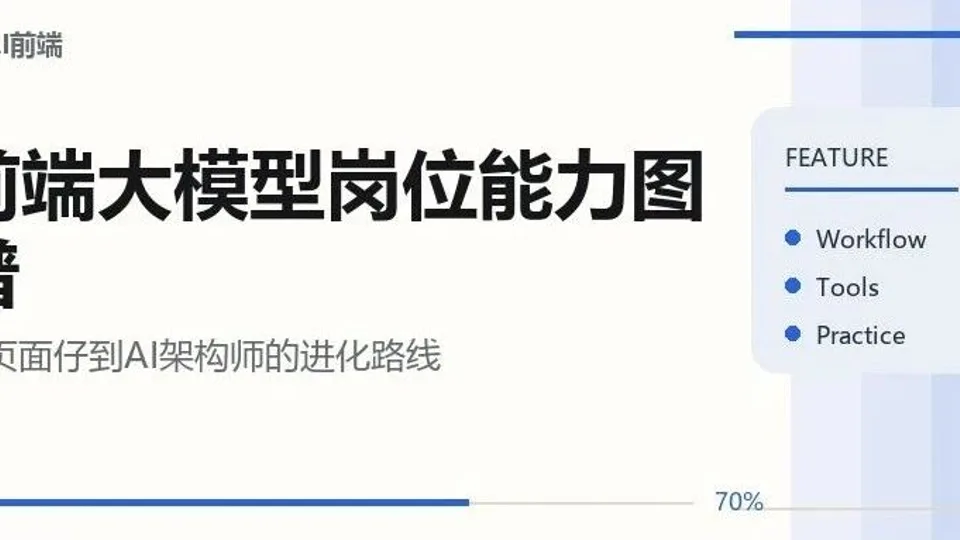
The article analyzes 2026 hiring trends that show traditional front‑end demand falling while AI‑enabled front‑end engineers earn 40% more, outlines a four‑layer capability pyramid, recommends a modern tech stack, and provides a concrete roadmap from junior to senior AI‑focused front‑end roles.
The article details a large‑scale AI‑driven refactor of Gaode's store front‑end, explaining why AI was needed, the four core technologies (FilePlan, Task Orchestrator, Clean‑Spec, Knowledge‑Loop), concrete metrics such as 624 AI commits, 6000 anti‑patterns cleared, and the resulting architectural, component and quality improvements.
The article details Gaode’s front‑end overhaul of the AJX search result page, describing how a project‑level Harness workflow with coordinated agents, a five‑stage pipeline, code‑map generation, controlled code emission, style‑codex locking, accounting assets, and runtime quality loops enabled systematic, auditable, and reusable AI‑assisted refactoring of a massive codebase.
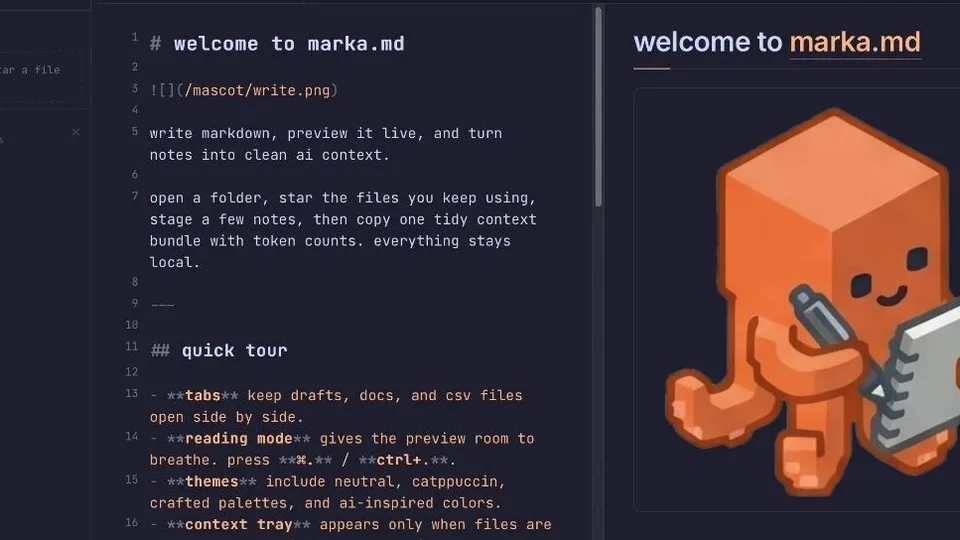
The article reviews marka.md, a lightweight Rust‑powered local‑first Markdown editor with a Context Tray that lets users bundle multiple files into a single AI‑ready text block, highlighting its no‑login design, dual‑pane UI, shortcut support, installation quirks, and practical limitations.
This article walks through the complete process of building a front‑end permission system using Role‑Based Access Control (RBAC), covering scheme selection, permission field design, route generation, dynamic routing, Vue‑router guards, Vuex storage, and common pitfalls with detailed code examples.
The author recounts a half‑day debugging saga where a Cascader component in a micro‑frontend ballooned from about 40 to 420 lines because rc‑trigger’s hidden DOM, incorrect coordinate calculations, and missing scroll listeners broke the popup layer, and presents a full‑screen container solution plus a checklist of five common pitfalls.
This article implements four timer scenarios — countdown, stopwatch, Pomodoro, and alarm — in HarmonyOS ArkUI, explaining design choices like setInterval vs Date.now() for precision, state machines for phase transitions, and lifecycle cleanup to avoid memory leaks.
The article examines why AI‑generated front‑end code often looks generic, introduces Google Labs' DESIGN.md plain‑text design spec, explains its YAML‑plus‑Markdown structure and nine required modules, showcases tooling, three practical adoption paths, extraction method trade‑offs, CI integration, and common pitfalls, enabling developers to produce professional, brand‑consistent UI with agents like Cursor, Claude Code, and Copilot.
The article analyzes the pain points of traditional front‑end animation hand‑off and presents a full‑link solution that uses an After Effects plugin, AI‑driven code generation, and smart integration to turn designer animations into runnable code, cutting development time from hours to minutes while achieving over 95% visual fidelity.
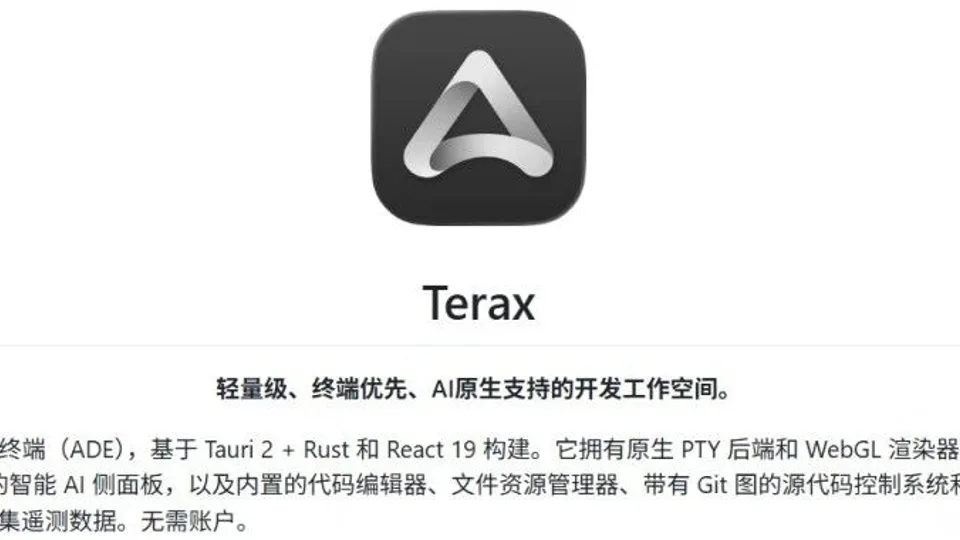
The article analyzes the fragmented, heavyweight, and privacy‑risk‑laden workflow of using separate VSCode, iTerm2, Git clients, and AI chat tools, then introduces Terax—a 7 MB Tauri2+Rust‑based open‑source IDE that integrates a native terminal, CodeMirror6 editor, Git visual panel, web preview, and a controllable AI Agent with offline model support, while detailing its architecture, feature set, installation steps, and current limitations.
Microsoft’s TypeScript 7.0 RC rewrites the compiler in Go, delivering roughly ten times faster type checking through native execution and parallelism, introduces new CLI flags for concurrency, replaces the file‑watcher with a Go implementation, adds many breaking changes, and ships a multithreaded language server with richer editor features.
Deno Desktop, introduced in Deno 2.9, lets developers compile TypeScript projects into native macOS, Windows, or Linux binaries using either the system WebView or a bundled Chromium engine, and the article compares its features, trade‑offs, and ecosystem against Electron and Tauri, while outlining practical usage scenarios and current limitations.
Rspack 2.1 has been released, delivering a Rust‑implemented React Compiler that runs 7‑13× faster than the previous Babel version, overall production builds that are about 16% quicker, HMR improvements of roughly 5%, and a host of new features such as import.meta.glob support, createRequire parsing, magic comments, source‑phase imports, automatic cache cleanup, plus ecosystem updates for TanStack RSC, Rsbuild, Rslib, Rstest, Rslint, Rspress, Rsdoctor and rspack‑merge.
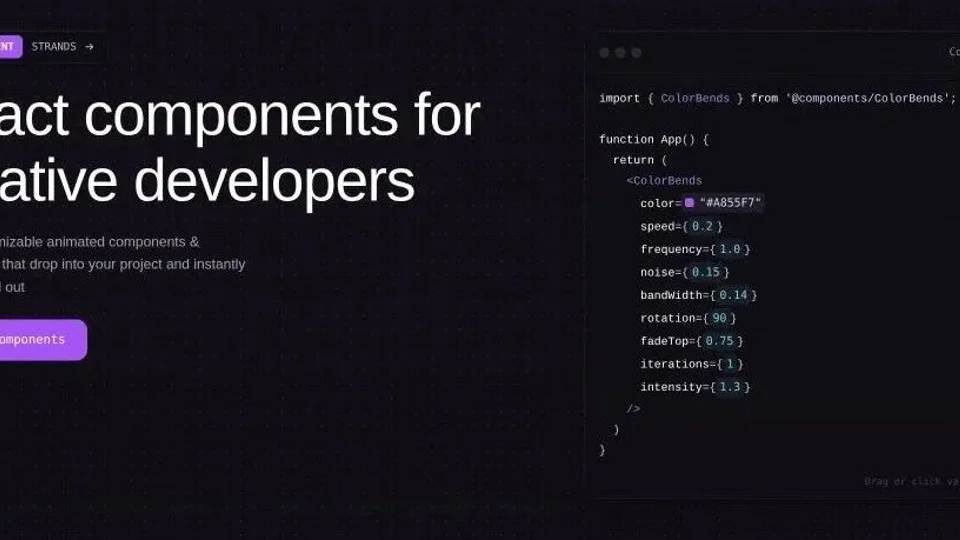
The article curates ten UI and motion component libraries, explains how each helps developers achieve visual impact, sophistication, AI‑product feel, or solid page structure, and offers practical guidance on using them to train aesthetic judgment before relying on AI‑generated code.