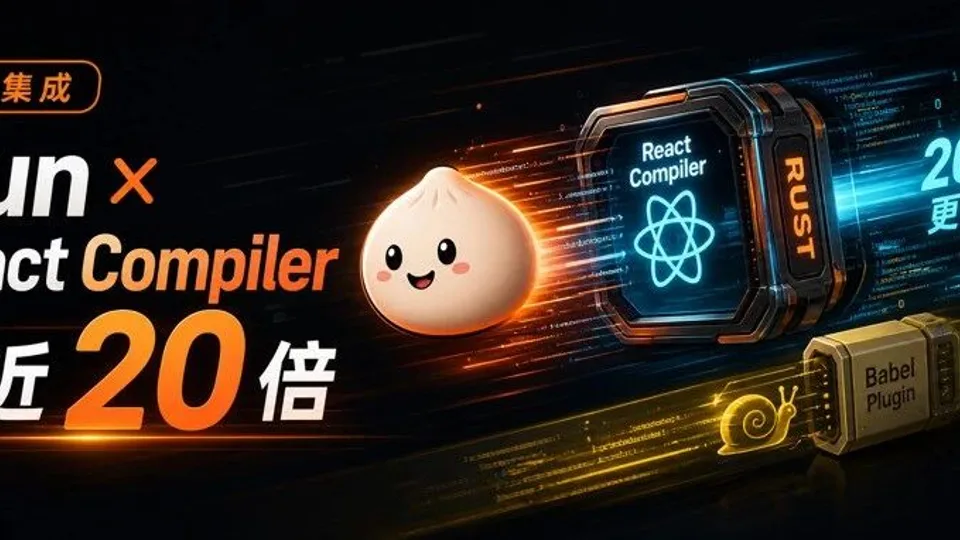
Bun now runs the React Compiler directly in Rust via a simple build flag, eliminating the Babel plugin layer and achieving nearly 20‑times faster build times on large React codebases while automatically applying memoisation optimisations.
The article examines the challenges of fragmented front‑end file preview solutions and introduces Open File Viewer, a unified SDK that supports 110 file formats, offers a customizable toolbar, and provides a plugin architecture for extensible, framework‑agnostic previews in modern web applications.
Vite 8.1 introduces Bundled Dev Mode to address the scaling limits of its unbundled development approach, showing up to 15× faster cold starts and 10× quicker full refreshes in massive React apps, while also unveiling architectural shifts to Rolldown and several experimental features.
Microsoft’s TypeScript 7 RC replaces the compiler core with Go, delivering roughly a ten‑fold speed increase across CLI builds and editor services while remaining fully compatible with TypeScript 6 semantics, and provides detailed upgrade guidance and parallel‑compilation options.
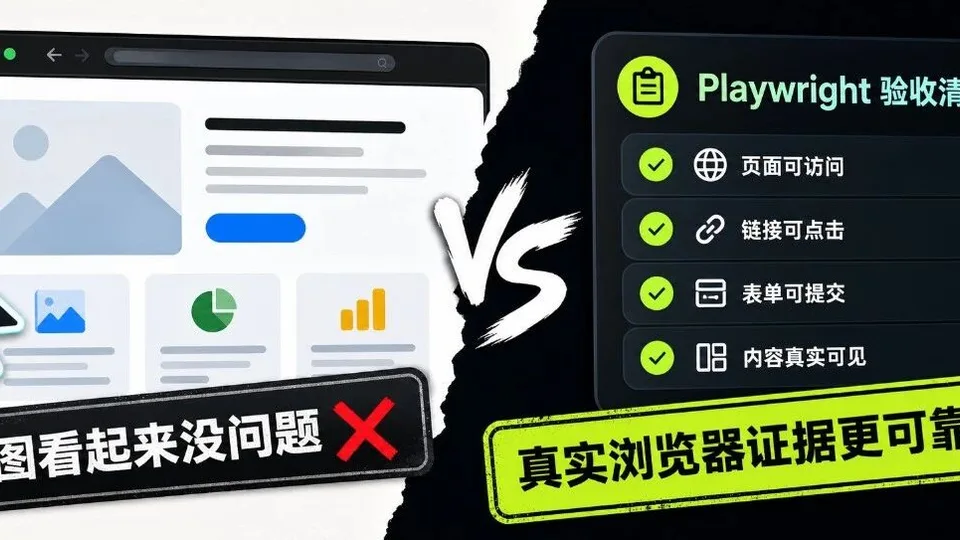
The article warns that relying solely on visual screenshots for AI‑generated frontends is risky, and proposes a comprehensive acceptance checklist using Playwright MCP, Playwright Test, and prompt templates to verify interactions, mobile breakpoints, error states, permissions, and to capture evidence such as screenshots, traces, and reports.
Astro 7 replaces its Go‑based compiler with a Rust implementation, adds Rust‑powered Markdown/MDX processing, queue‑style rendering and Vite 8’s Rolldown bundler, delivering 15‑61% faster builds across real‑world sites while introducing stricter template syntax and AI‑friendly dev‑server features.
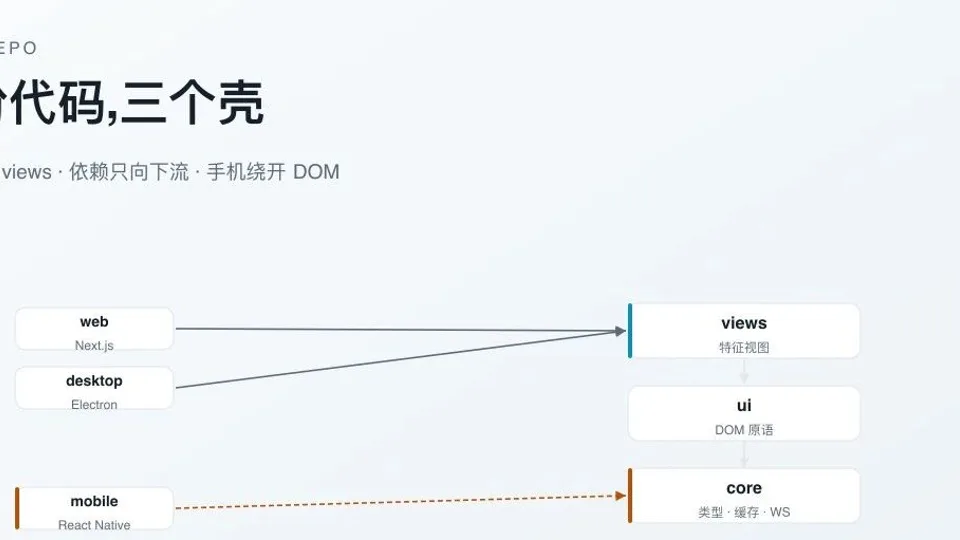
The article explains Multica's three‑layer contract architecture—core, ui, and views—and how enforcing a downward‑only dependency flow lets web, Electron desktop, and React Native mobile apps share a single codebase while avoiding duplication, version drift, and runtime mismatches.
The article explains why AI‑generated front‑end code often looks ugly, introduces DESIGN.md as a markdown‑based design system to guide agents, lists public DESIGN.md collections, shows how to integrate them into projects, and provides ready‑to‑copy prompts for better visual results.
The article explains why front‑end/back‑end separation is needed, outlines the challenges of the MVC era, describes the SPA‑based separation model, and provides a detailed, versioned interface specification—including request/response formats, mock server workflow, and special field rules—to streamline collaborative development.
ArrowJS 1.0, a sub‑5KB reactive UI library that requires no JSX or build step, adds an optional WebAssembly sandbox, async components, SSR and hydration, and has sparked lively community debate over its minimalist design, agent‑oriented goals, and differences from React and Vue.
ccstatusline is a highly customizable status‑line plugin for Claude Code that replaces the plain one‑line bar with a dashboard of dozens of components—model usage, Git info, timers, usage monitoring, Powerline support, gradient colors and responsive layout—installable via a single npm command.
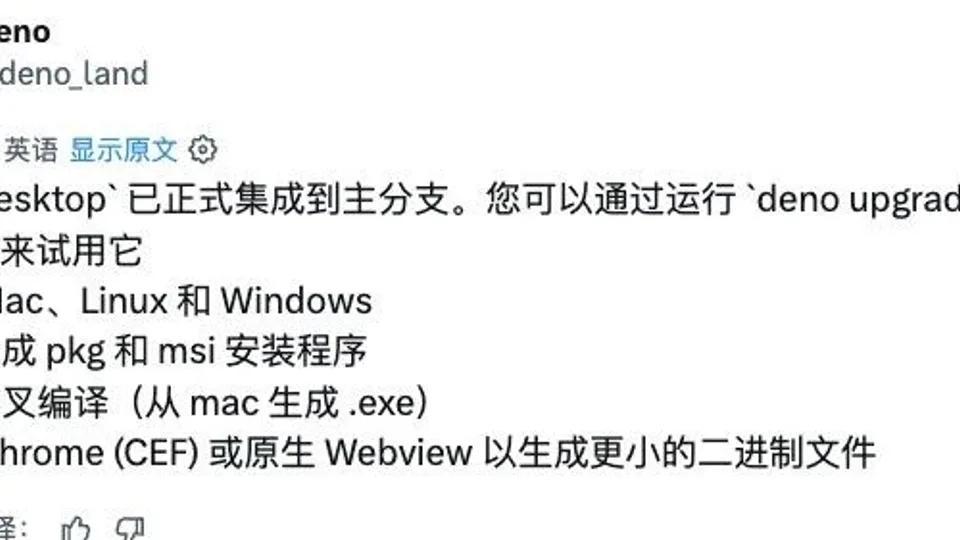
The new deno desktop subcommand lets developers compile a Deno or modern front‑end project into a self‑contained, cross‑platform desktop application with a single command, offering three rendering back‑ends, automatic framework detection, native window APIs, and features like auto‑update, while still lacking full production‑grade capabilities compared to Electron and Tauri.
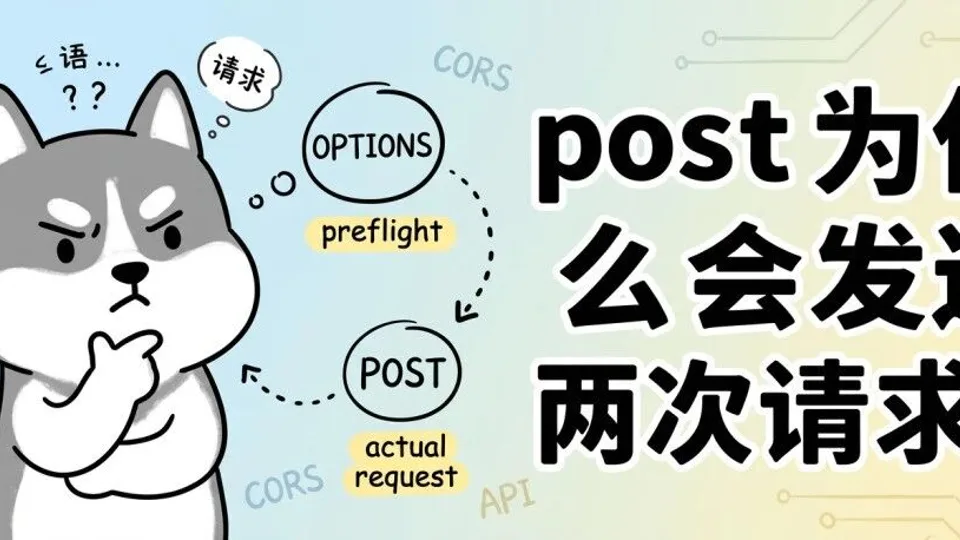
The article explains why a POST request can result in two HTTP calls by detailing the same‑origin policy, the conditions that make a request simple, and how browsers automatically issue a CORS preflight OPTIONS request before the actual POST.
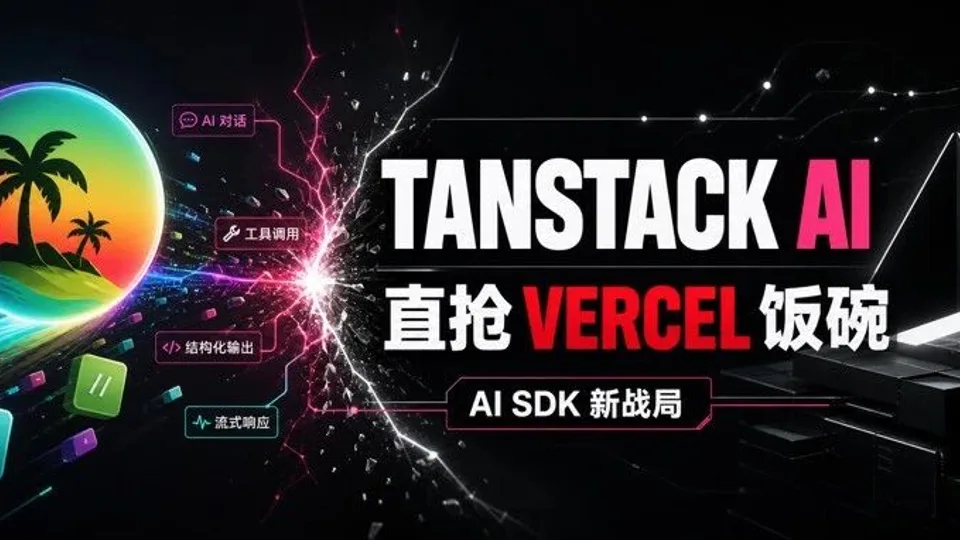
TanStack AI, a new TypeScript‑first open‑source SDK, aims to replace the tangled glue code between models, tools, back‑ends and UI, offering adapter‑based model switching, fine‑grained type safety and an AG‑UI protocol that challenges Vercel's AI SDK in flexibility and modularity.
The article analyzes TanStack AI, an open‑source TypeScript SDK that aims to replace the messy glue code between AI models and front‑end applications, compares its adapter‑based design, type‑safety features, and AG‑UI protocol with Vercel AI SDK, and evaluates its current beta readiness and trade‑offs for developers.
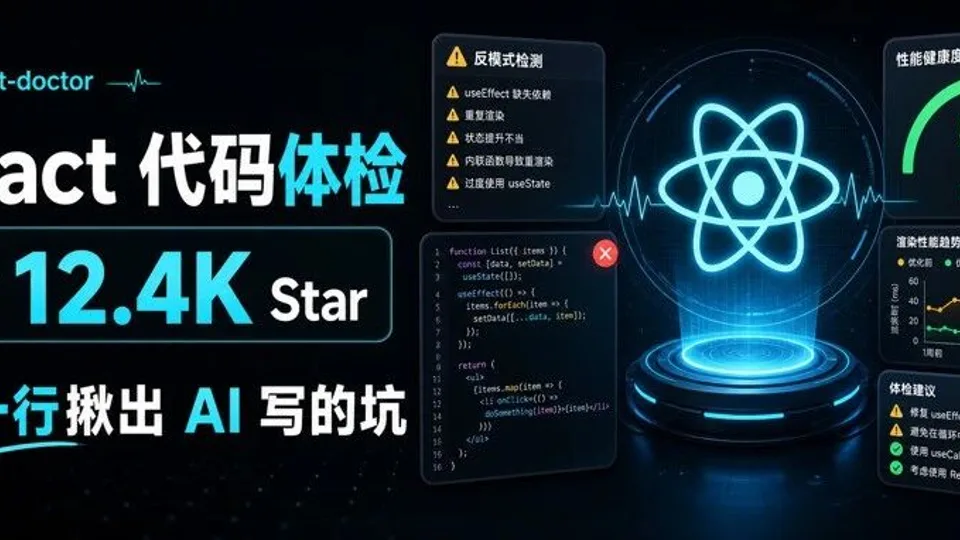
react-doctor, a 12.4K‑star open‑source CLI from the Million.js team, scans React projects for performance, state‑management, effect, architecture, security and accessibility issues—especially the subtle anti‑patterns introduced by AI‑generated code—providing a 0‑100 score, detailed file/line reports, and CI integration.
The React team fully migrated the React Compiler from TypeScript to Rust, combining human‑designed architecture with AI‑generated code, achieving up to 10× faster core conversion, a 3× overall compile speed increase, seamless integration with Babel, SWC and OXC, and a rigorous three‑layer testing regime.
The GSAP team released the gsap‑skills AI knowledge base, enabling tools like Cursor, Claude Code and Copilot to automatically generate full‑featured GSAP timelines, ScrollTrigger setups and performance‑optimized animation code for Vue and React projects, turning complex web animations from guesswork into reliable production code.
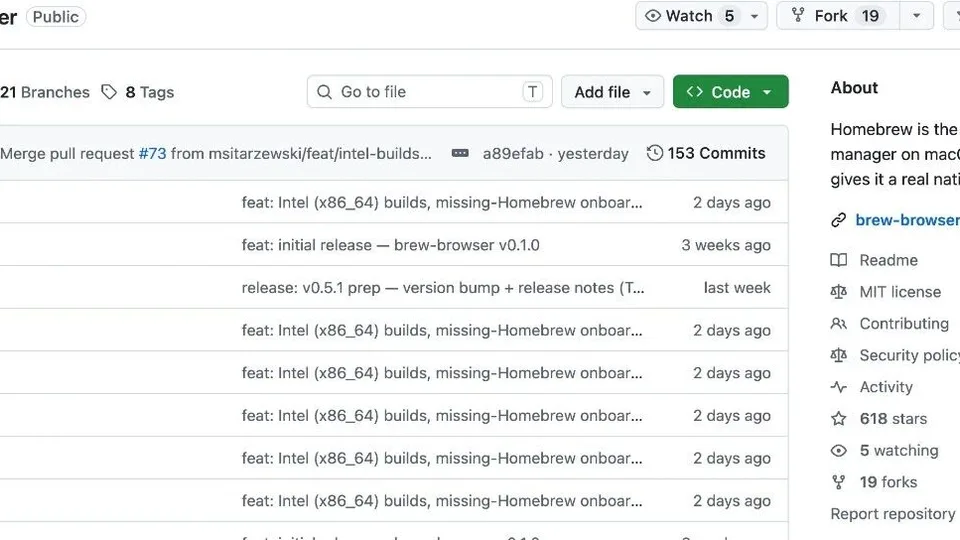
Brew Browser is a lightweight native GUI for Homebrew that offers both a cross‑platform Tauri version and a macOS‑only Swift version, providing dashboard overviews, searchable package libraries, trend analytics, snapshot backup, optional vulnerability scanning, keyboard shortcuts, and a privacy‑first design, with detailed installation and architecture guidance.