The author details how a month‑long personal project uses HTML Canvas to implement a fully functional resume editor, covering custom data structures, undo/redo history, layered rendering, event handling, focus management, infinite canvas support, performance tricks, and future enhancements.
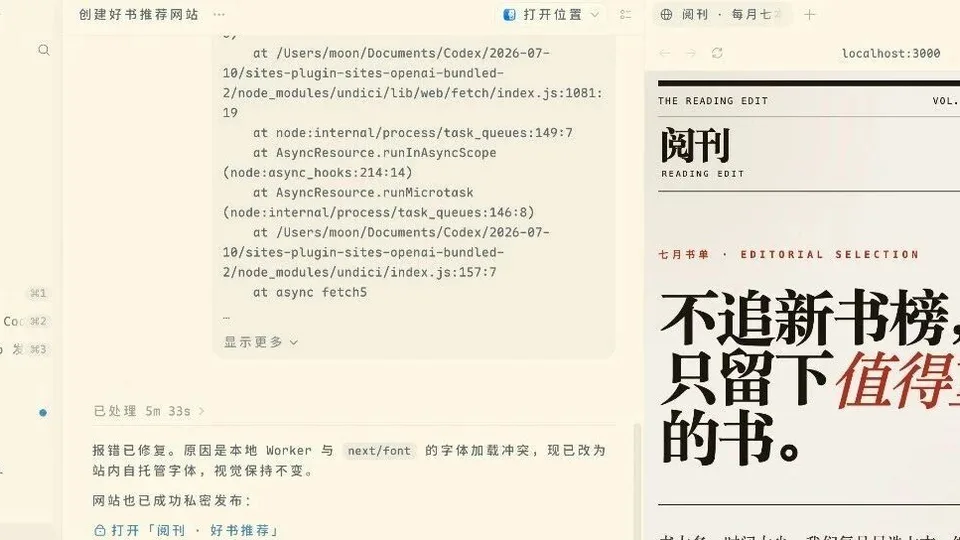
The author shares a light‑colored Codex theme with a Maple Mono font, explains why a brighter background eases eye strain, shows screenshots, and provides the exact JSON configuration and import steps for applying the theme.
An unfiltered eventSnapshot API on the ICM 2026 website revealed four hidden Fields Medal lecture entries—including Chinese mathematicians Wang Hong and Yu Deng—through a single curl request, prompting a data leak that could mark the first year two Chinese scholars share the award and highlighting their distinct academic journeys.
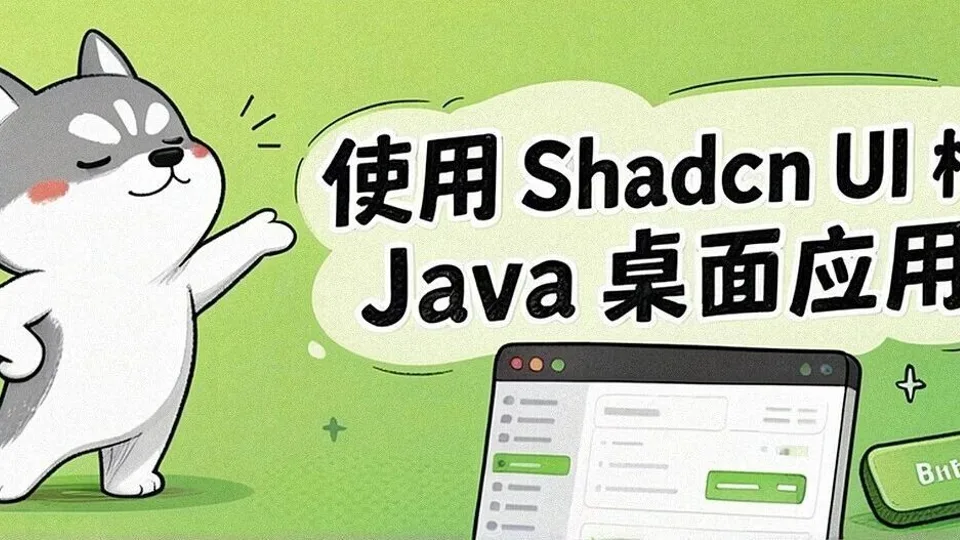
The article explains how to replace outdated Swing/JavaFX UI by embedding a React application styled with shadcn/ui into a Java desktop program using JxBrowser, covering reliable web view setup, dev‑vs‑prod resource loading via a custom jxb:// scheme, and two Java‑to‑JS communication approaches (JS‑Java bridge and Protobuf + gRPC) with concrete code examples.
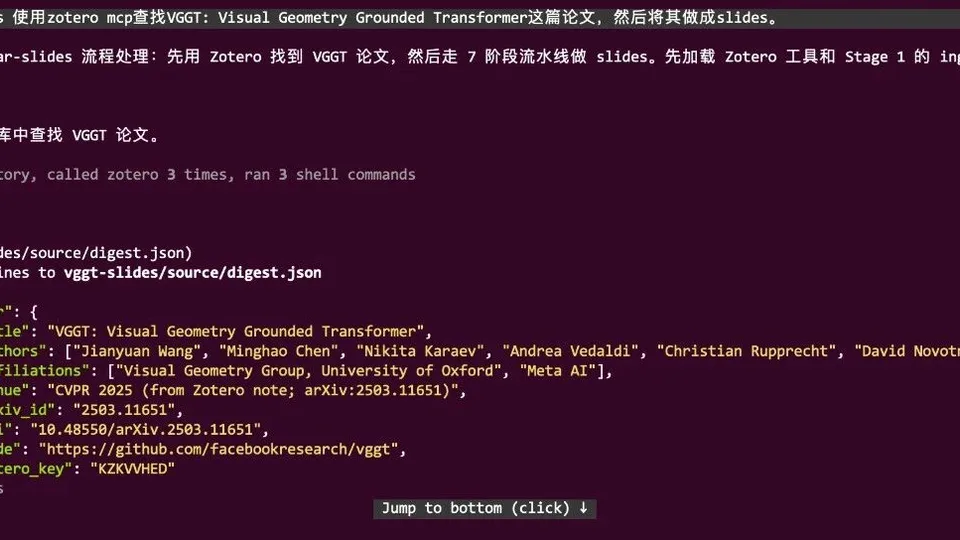
The article details the development of scholar-slides, an HTML‑based skill that renders academic presentation slides with vector formulas, editable tables, verified citations, and automated quality checks, addressing the shortcomings of existing AI PPT tools.
The article examines how large front‑end teams create internal scaffolding tools, detailing each stage—from pre‑development setup and template generation to build, commit‑hook checks and CI‑driven releases—and explains how these tools simplify configuration, enforce standards, manage versions, and streamline development workflows.
The article explains how Alibaba Cloud's CMS 2.0 uses Session Replay to record DOM changes and user interactions, and three types of heatmaps—click, area, and scroll—to provide low‑overhead, privacy‑controlled insights that help developers reproduce bugs, analyze conversion funnels, and improve overall front‑end user experience.
The article walks through the full lifecycle of a large‑company front‑end scaffold—from pre‑development command simplification and version locking, through template‑driven development, build‑tool integration, commit‑hook checks, and CI/CD publishing—showing how each stage reduces configuration overhead, risk, and duplicated effort.
The article introduces shadcn/ui, an open‑source UI library that copies component source code into your project via a CLI, highlighting its visible, modifiable, maintainable, and AI‑friendly design, and walks through its core principles, tech stack, and quick‑start usage.
This article introduces WebRTC, compares it with WebSocket, explains its architecture and core APIs, shows how to build a FastAPI‑based signaling server, demonstrates a full JavaScript P2P connection setup with TURN configuration, and provides code for screen sharing and audio/video controls.
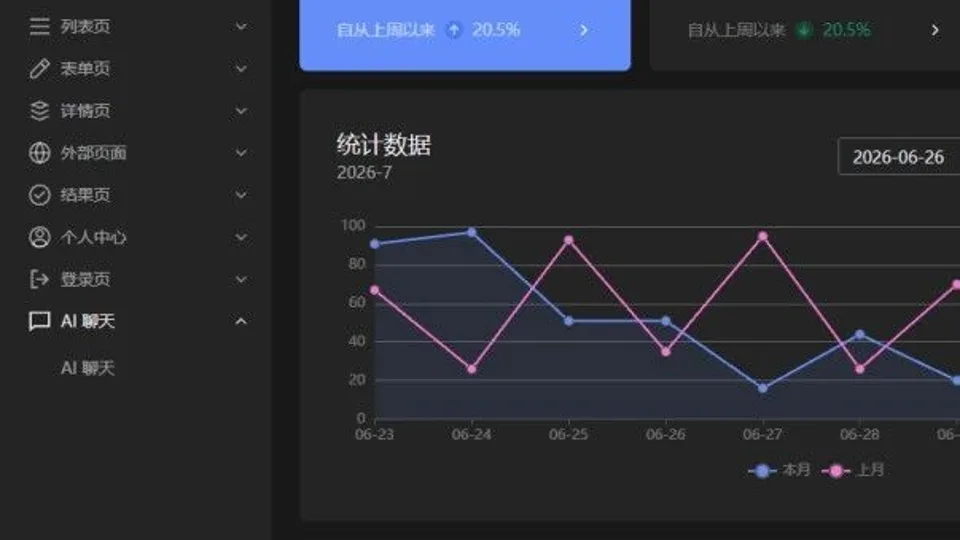
This article walks through Tencent's open‑source TDesign library, covering its cross‑framework component suite, starter‑kit CLI initialization, AI‑friendly MCP server, and step‑by‑step creation of an AI chat page with practical code snippets and screenshots.
When using AI coding assistants like Cursor, Claude, or Copilot, developers often face mismatched props, hard‑coded design tokens, and duplicated modal implementations despite mature component libraries, a problem Astryx solves with a machine‑readable JSON contract, AI‑specific rule files, and a real‑time MCP service, offering a fully open React design system that scales to thousands of internal applications.
In just 11 days, Bun migrated 1,448 Zig files and over 780,000 lines of code to Rust, achieving 100% test pass, cutting memory usage dramatically, reducing binary size by 20%, improving performance by up to 5%, and demonstrating an AI‑driven, fully automated rewrite that sparked intense community debate.
The author details a four‑hour, AI‑driven process that replicates the MDNice paid editor—including theme support, cross‑platform copy, AI error correction, and auto‑publish—while spending roughly 1 billion tokens, ultimately avoiding the $98 annual subscription.
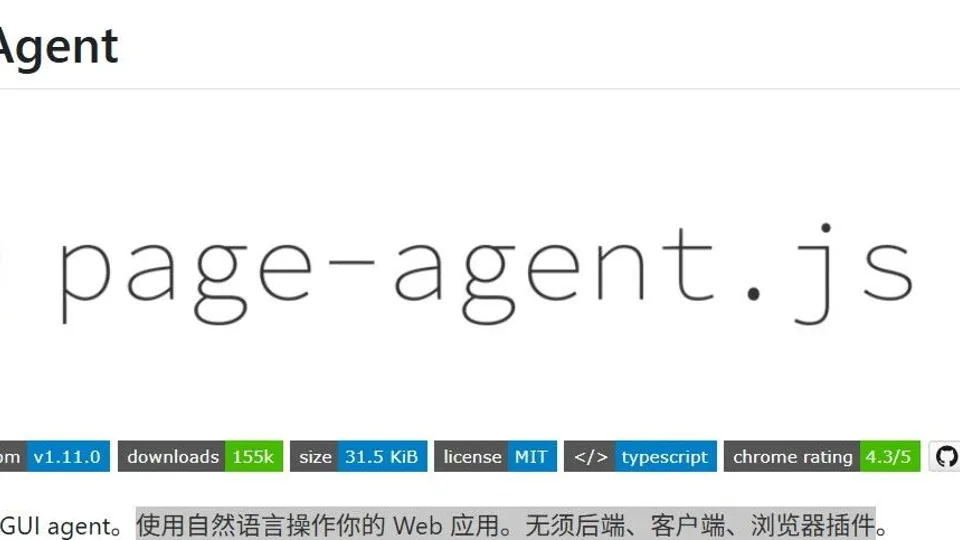
PageAgent, an open‑source pure front‑end JavaScript GUI agent from Alibaba with over 25,000 GitHub stars, embeds an AI agent directly into the webpage DOM to enable natural‑language driven interactions—such as form filling and data extraction—without any backend, headless browser, or OCR, and it offers low‑cost integration, model‑agnostic LLM support, and detailed comparisons against Selenium, Playwright and Browser‑use.
The article analyzes the shortcomings of existing mini‑program Markdown renderers—conversion overhead, streaming performance, and extensibility—then presents three strategies employed by @ant-design/x‑markdown‑mini to eliminate the HTML middle layer, cache stable blocks with incremental patching, and provide isolated, plug‑in‑based syntax and component extensions, achieving up to 4.4× faster conversion on long texts.
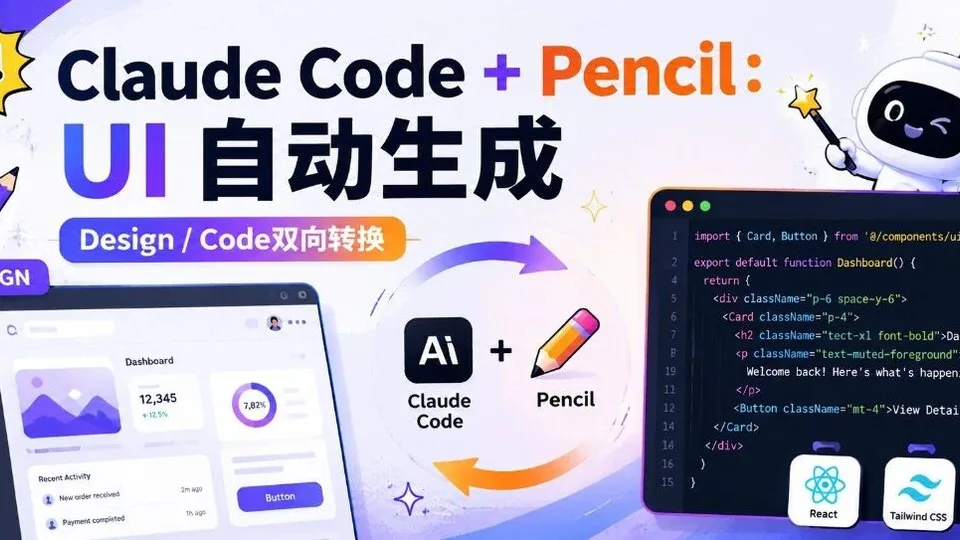
This guide shows how to install the Pencil VS Code extension, configure Claude Code with Spring Boot 3.5.0, use AI prompts to design a bilingual enterprise login UI, export the design as a .pen file, and automatically generate Vue 3 + ElementPlus code, illustrating the full design‑to‑code and code‑to‑design workflow.
The article compares polling, WebSocket, and Server‑Sent Events (SSE) for server‑to‑client real‑time messaging, explains each method’s mechanics, advantages and drawbacks, shows browser compatibility, outlines typical business scenarios, and provides a complete Node‑Express demo with code samples.
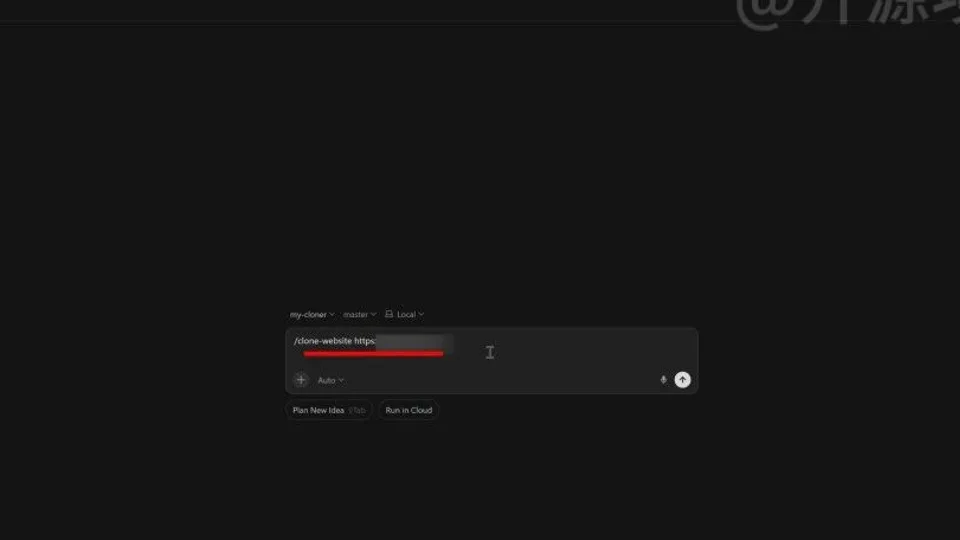
This article walks through how an open‑source AI tool uses a headless browser to fully render a target site and generate a complete Next.js project, compares it with traditional site‑scraping utilities, lists required prerequisites, provides detailed installation and cloning steps, and covers post‑clone modification, deployment, and common issues.
The article compares polling, WebSocket, and Server‑Sent Events (SSE) for server‑to‑client real‑time messaging, explains each method’s advantages and drawbacks, shows when to use SSE versus WebSocket, and provides a complete Node.js/Express demo with front‑end code.