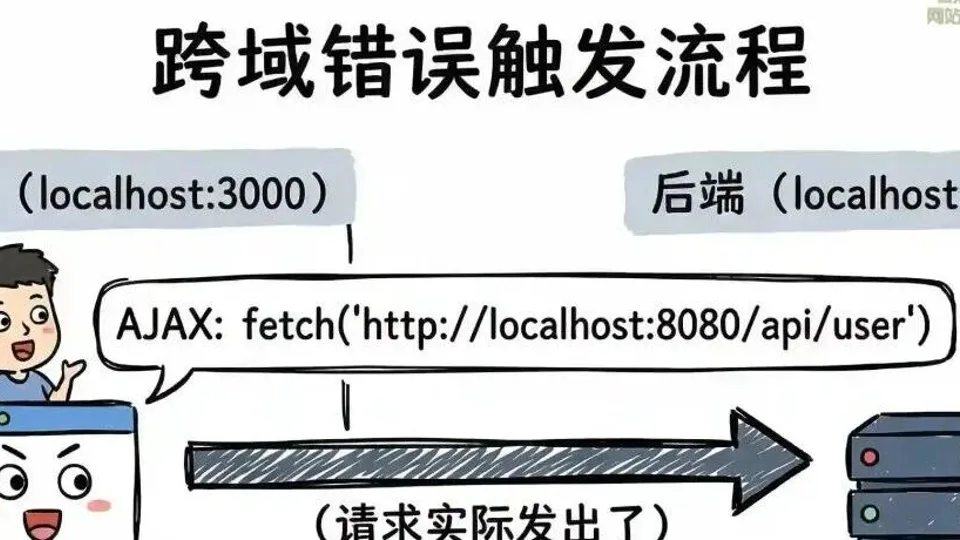
This comprehensive guide explains the browser same‑origin policy, why cross‑origin restrictions exist, and walks through five major solutions—CORS, proxy servers, JSONP, postMessage, and WebSocket—detailing their principles, advantages, drawbacks, configuration examples, and best‑practice recommendations for interview scenarios.
TypeScript 6.0, released in March 2026, introduces a suite of strategic defaults, new language features like Temporal API and RegExp.escape, and performance optimizations that streamline migration to the upcoming Go‑based compiler, boost React Native build times, and reduce silent type errors for modern web and mobile development.
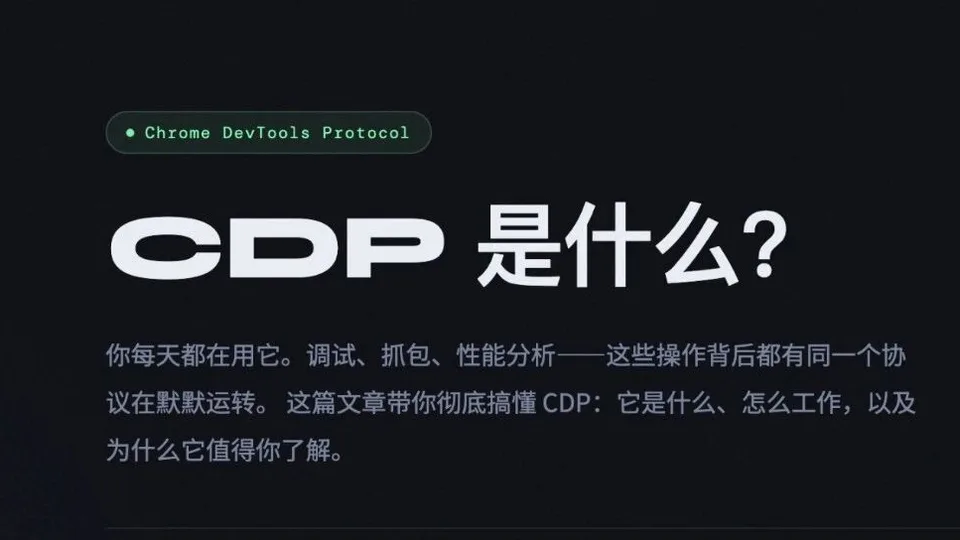
The article explains Chrome DevTools Protocol (CDP) as the JSON‑over‑WebSocket interface that lets external programs control Chrome, details its request/response and event model, shows a raw Node.js client, compares built‑in DevTools panels to CDP domains, and surveys the ecosystem of tools such as Puppeteer, Playwright, Cypress and Lighthouse that are built on top of CDP.
This guide introduces Docsify, outlines its key advantages, walks through installing the docsify‑cli, setting up a project, configuring index.html, cover page, navbar and sidebar files, and shows how to serve the site locally.
This guide walks through Docsify's Markdown-based formatting, covering bold text, color and size tweaks via HTML, table creation, alignment options, line breaks, and custom CSS styling to produce professional‑looking documentation pages.
The article analyses OpenAI’s "Designing delightful frontends with GPT‑5.4" guide, showing how the new model moves beyond simple code generation to visual composition, higher functional completeness, and self‑checking with tools like Playwright, and provides concrete prompts, workflow steps, and hard rules for creating high‑quality, aesthetically‑driven landing pages and dashboards.
This guide explains the browser same‑origin policy, why cross‑origin restrictions exist, and presents five practical solutions—including CORS, proxy servers, JSONP, postMessage, and WebSocket—along with detailed configuration examples, code snippets, performance tips, and common interview follow‑up questions.
The article walks through creating a basic image carousel using native HTML5, CSS positioning, and a minimal markup structure, explaining each step and providing code snippets while noting that JavaScript navigation still needs to be added.
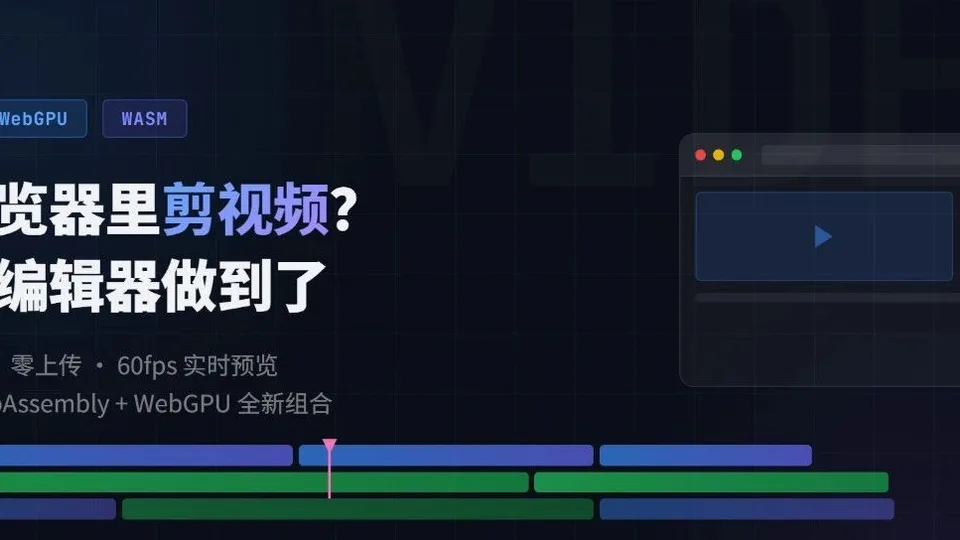
Tooscut is a fully browser‑based professional video editor that leverages React 19, TanStack Start, a Rust‑compiled WebAssembly rendering engine, and WebGPU acceleration, allowing multi‑track timelines, keyframe animation, and real‑time filters without uploading files, illustrating how modern web technologies can approach native performance while keeping data local.
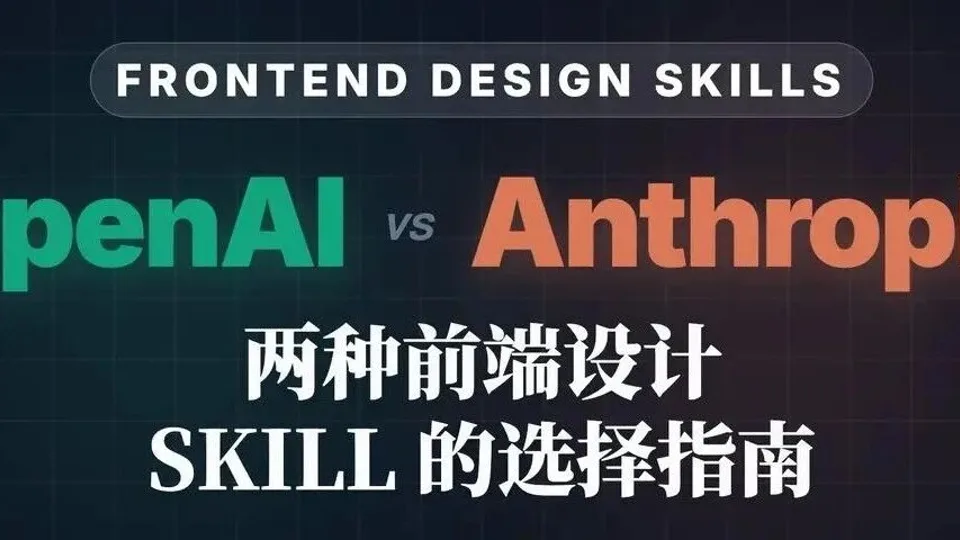
This article compares Anthropic’s Claude Code skill and OpenAI’s Codex skill, detailing their design philosophies, structural methodologies, typography, motion strategies, content rules, anti‑patterns, and recommended use cases, and provides direct links to the open‑source repositories and blogs.
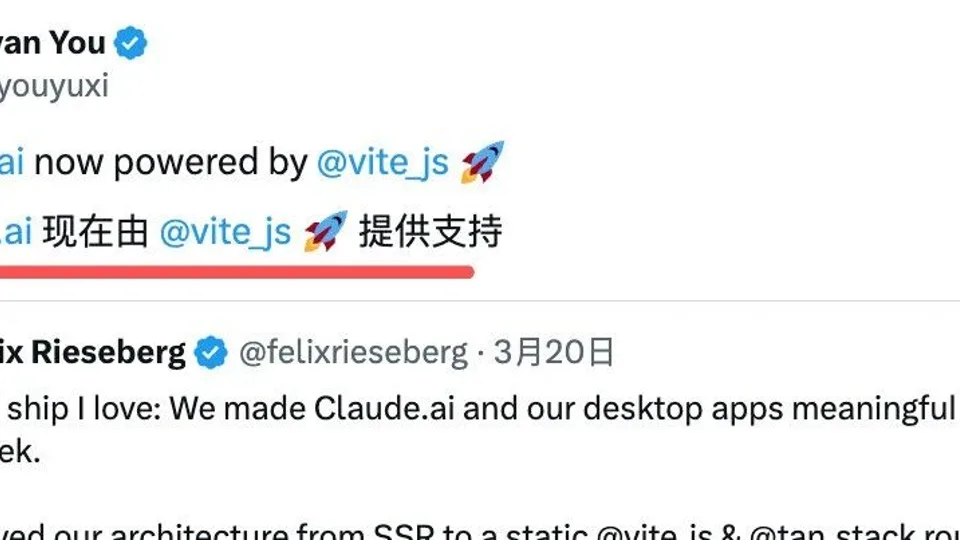
Anthropic engineers replaced SSR with a Vite‑based static stack for Claude.ai, deploying to edge workers and achieving a 65% reduction in p75 TTFB and a 50% faster prompt display, while illustrating why SPA‑oriented AI chat apps may forgo server‑side rendering.
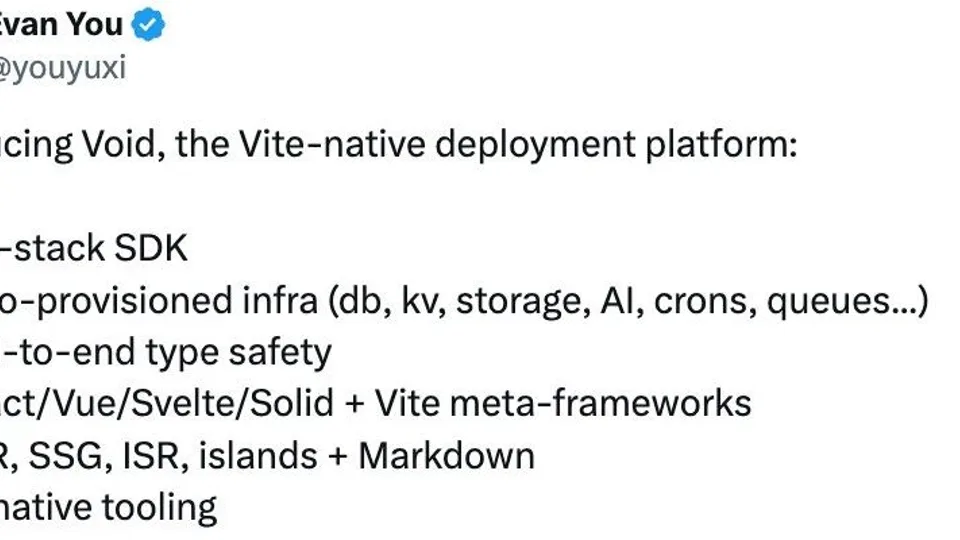
Void is a Vite‑native deployment platform that lets developers enable a plugin, run a single command, and automatically provision Cloudflare Edge, databases, storage, authentication, queues, and AI services, bridging the gap between local development and production with end‑to‑end type safety.
This article chronicles the rise and fall of Java Applets from their 1995 debut, through their golden era and technical limitations, to their eventual removal from browsers and the JDK, and shows how WebAssembly inherits the original vision of high‑performance compiled code in the browser.
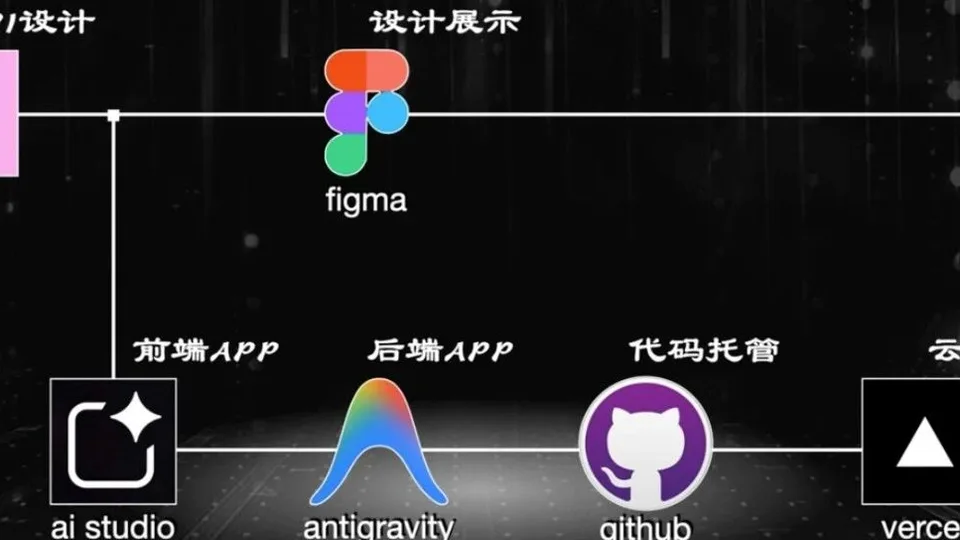
This guide walks developers through a five-step, zero‑cost workflow—using AI‑driven design, code generation, backend integration, Git versioning, and Vercel deployment—to transform a concept into a functional web or mobile app without extensive coding expertise.
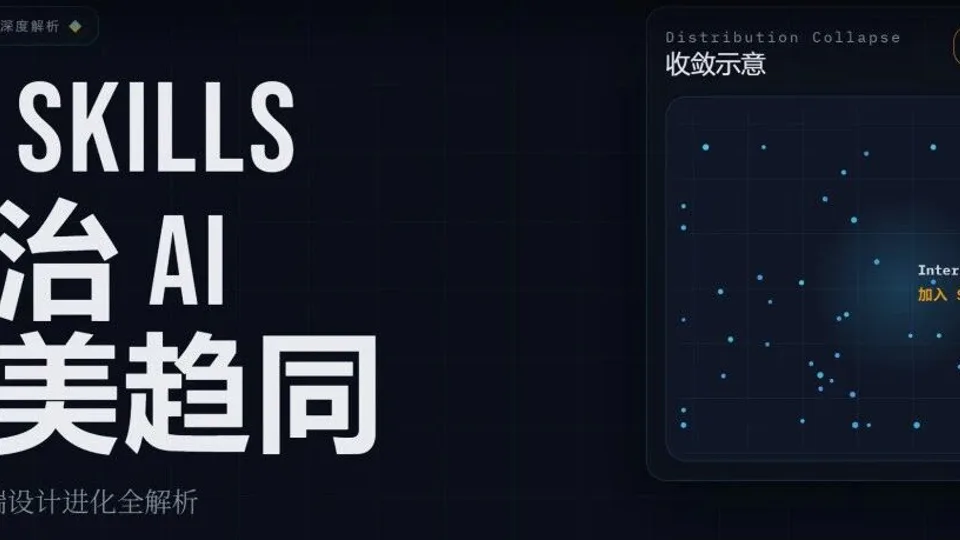
The article analyzes why large‑language models like Claude, GPT‑4, and Gemini repeatedly generate nearly identical web designs, identifies four convergence dimensions (typography, color, motion, background), and presents a reusable "Skills" mechanism that injects expert design context to produce distinctive, high‑quality frontend outputs.
Chrome’s new WebMCP API lets AI agents bypass visual UI simulation and interact directly with web pages via a single navigator.modelContext call, eliminating fragile screen‑scraping tricks and enabling front‑end developers to expose structured tools to AI using simple declarative or imperative JavaScript APIs.
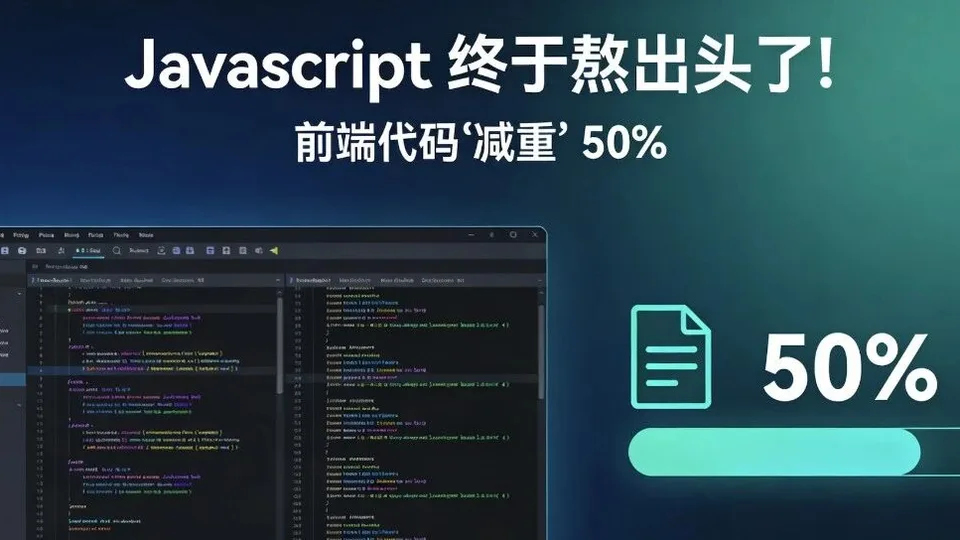
The article explores four upcoming JavaScript features for 2026—native Signals, the pipeline operator, WebNN API, and Temporal API—and explains how they eliminate the need for third-party libraries, reduce bundle size, and shift frontend development toward native browser capabilities.
This article outlines the challenges of manual frontend code review, compares AI-powered CR solutions, details a pipeline integration using Cursor Agent CLI, and provides practical guidelines, model selection tips, and built‑in prompt engineering to automate and improve code quality checks.
Vite+ has been released as an MIT‑licensed, fully open‑source JavaScript development toolchain that unifies project creation, dependency management, linting, testing, building and monorepo tasks under a single CLI, while remaining compatible with the existing Vite ecosystem.
Evan You unveiled Void, a Cloudflare‑backed deployment platform and full‑stack SDK built as a Vite plugin, aiming to give Vite‑based projects the seamless development‑to‑deployment experience of Next.js + Vercel, while remaining framework‑agnostic but tightly coupled to Cloudflare, raising questions about lock‑in and ecosystem maturity.