Edge AI runs AI models directly in browsers or devices, offering zero latency, zero API cost, and full privacy, and the article explains the three technical breakthroughs that make it possible, compares WebLLM, Transformers.js and Ollama, and provides a hybrid architecture with concrete engineering challenges and solutions that can cut total AI costs by 40‑55% for typical front‑end applications.
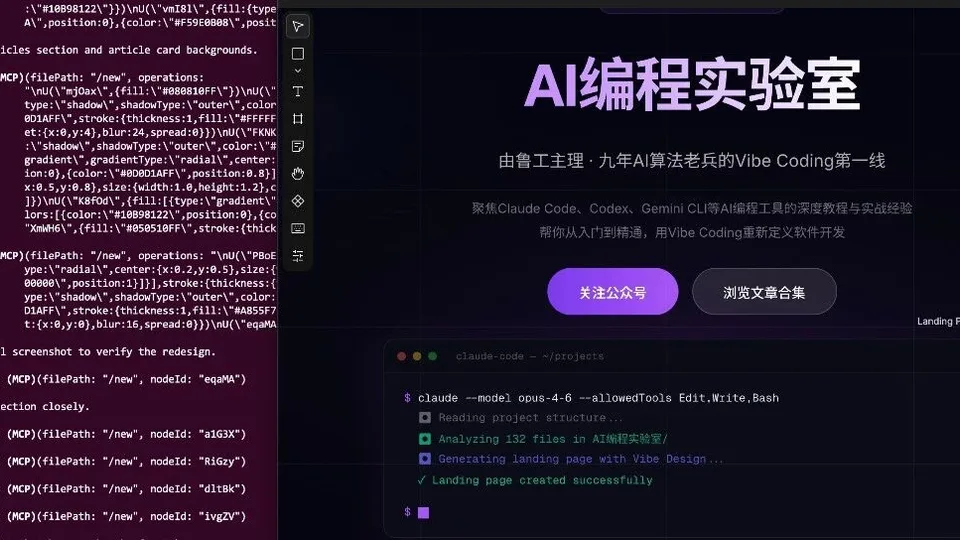
The article compares Figma’s MCP Server integration and Pencil’s Git‑based design files for feeding Claude Code, detailing each workflow, practical constraints, and recommending the best fit for solo developers versus teams with established design systems.
This article explains why leading tech companies are replacing px and rem units with vw and clamp() for fluid layouts, detailing how vw enables smooth scaling, clamp() adds boundaries, and why this approach outperforms traditional responsive breakpoints for consumer-facing products.
HTML‑in‑Canvas is an experimental Web API that captures HTML elements as images and draws them onto a canvas, giving developers pixel‑level control to create game‑like UI effects, dynamic layouts, and even embed live web content inside classic games like Doom, while the proposal advances through W3C.
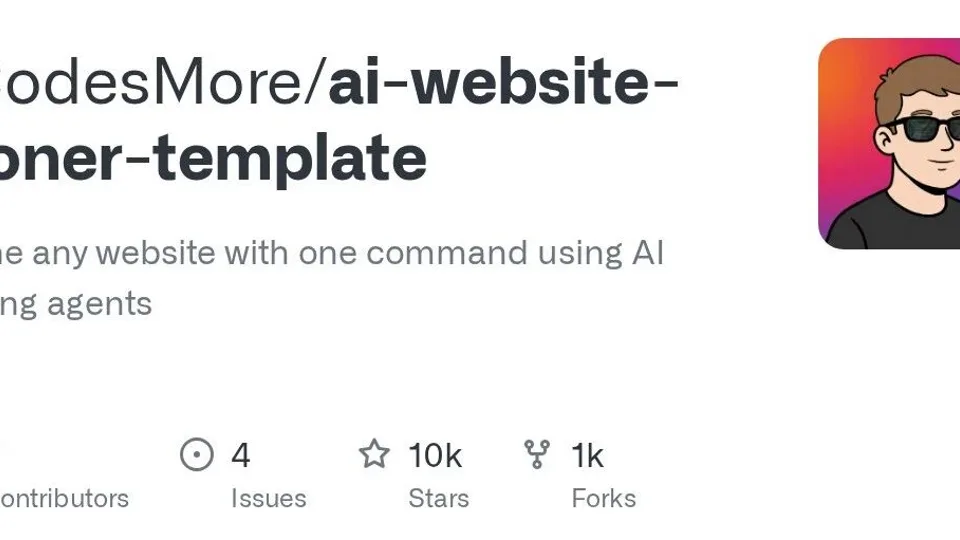
The AI Website Cloner Template lets you enter a URL and, with a single /clone-website command, automatically reverse‑engineers the site, extracts design tokens, and generates a modern Next.js 16, React 19, TypeScript, and Tailwind CSS codebase through a five‑stage AI pipeline.
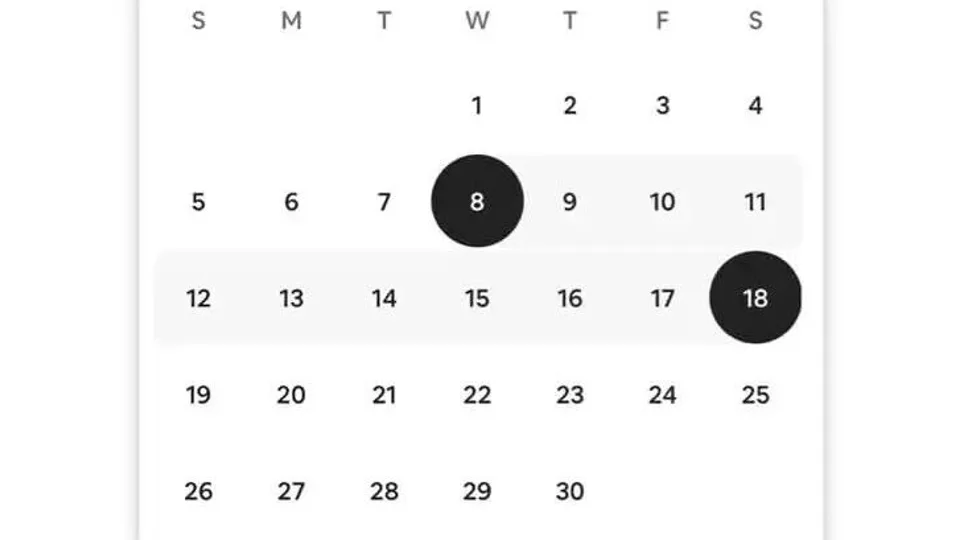
This guide demonstrates how to use the CSS ‘:nth-child of’ selector syntax together with minimal JavaScript to build a fully functional date‑range picker, covering selector mechanics, HTML structure, CSS grid layout, range‑selection logic, and visual styling of the selected period.
The article introduces Boneyard, a tool that automatically generates skeleton screen data from real UI during the build step, eliminating the need to hand‑write placeholder components, and explains its workflow, CLI usage, supported frameworks, and how it turns loading states into compile‑time artifacts.
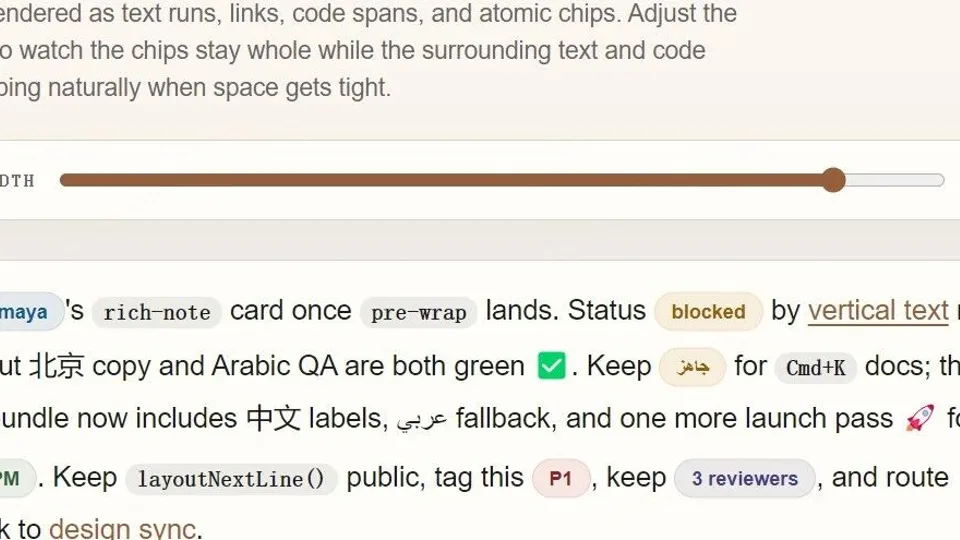
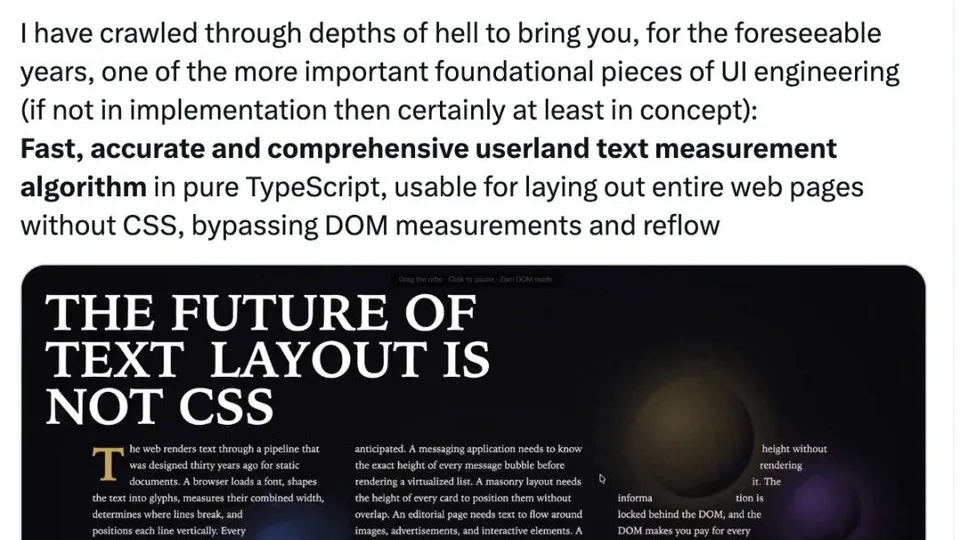
This article explains how the open‑source Pretext library enables fast, accurate multi‑line text measurement and layout in pure JavaScript/TypeScript, outlines the problems it solves, lists ideal front‑end scenarios, provides step‑by‑step API usage, and warns when the library should be avoided.
This article compiles twelve popular open‑source Vue admin dashboard projects, providing their GitHub or Gitee links, documentation URLs, live demo sites, and license types to help developers quickly evaluate and adopt suitable backend UI solutions.
This article explains how to embed modern web UI built with React, TypeScript, and shadcn/ui into a Java desktop application using JxBrowser, covering reliable web view integration, server‑less resource loading, and bidirectional Java‑JavaScript communication via bridges or gRPC.
The article introduces the open‑source VoltAgent/awesome-design‑md GitHub repository, explains how its DESIGN.md markdown design system enables AI‑friendly, zero‑cost reuse of major‑brand UI specifications, outlines its nine core modules, categorizes templates for various product types, and provides step‑by‑step guidance for quick integration into frontend projects.
Tailscale released a macOS windowed version that eliminates the notch‑induced menu‑bar icon hiding problem by introducing dual‑mode interfaces, a hybrid AppKit‑SwiftUI architecture, performance and security upgrades, and developer‑friendly features, turning a UI limitation into a richer user experience.
Front‑end developers struggle to measure text height without rendering, causing performance issues in virtual scrolling, chat bubbles, and masonry layouts, but the TypeScript‑based Pretext library bypasses the DOM, uses Canvas measureText, and delivers order‑of‑magnitude speedups while offering line‑level layout APIs.
Pretext, a zero‑DOM, high‑performance text measurement engine created by React core contributor chenglou, uses Canvas‑based calculations and a two‑stage prepare/layout workflow to avoid layout reflows, delivering up to 500× speed gains for virtual scrolling, rich‑text rendering, and AI‑driven UI layout predictions.
Pretext is a TypeScript‑based text layout engine that accurately computes line breaks and element heights using canvas.measureText and Intl.Segmenter, eliminating costly DOM measurements, reflows, and layout thrashing while delivering sub‑0.05 ms performance for dynamic UI scenarios.
This guide walks you through using Hugo, a popular static‑site generator, covering typical applications such as documentation, blogs and corporate sites, its core features like live preview, multilingual support and theme management, step‑by‑step installation on Windows, macOS and Linux, and a quick‑start workflow to create, preview and publish a site.
This article explains why the traditional 100vh unit fails on mobile browsers, introduces the three new CSS viewport unit families (large, small, and dynamic), and provides practical code examples and guidance for choosing the right unit in responsive web designs.
Pretext, a TypeScript library by React core contributor Cheng Lou, replaces costly DOM‑based text measurement with pure‑math calculations, cutting layout reflows from hundreds to zero and reducing measurement time from 30 ms to 0.05 ms, enabling precise UI layouts for AI‑driven interfaces.
The article introduces Pretext, a pure JavaScript/TypeScript text‑layout engine that measures and renders text without touching the DOM, claims speed hundreds of times faster than traditional methods, and showcases its use in the viral Bad Apple animation and several interactive demos, while highlighting its AI‑friendly API, tiny footprint, and open‑source impact.
Pretext, a TypeScript‑based text layout engine, eliminates the need for DOM measurements by using canvas.measureText and Intl.Segmenter, delivering sub‑0.05 ms height calculations, preventing layout thrashing, and simplifying scenarios like chat bubbles, masonry grids, AI interfaces, and virtual lists.