Google Chrome’s experimental vertical tab bar, now in stable testing, moves the tab strip to the left side of the window and supports expanding, collapsing, pinning, grouping, and quick search, offering a richer multitasking experience for power users.
Evan You announced that Vite+ is now fully open‑source under the MIT license, offering a single binary ‘vp’ that consolidates building, testing, linting, formatting, and monorepo orchestration, with Rust‑based performance gains of up to 7.7× for builds and 40× faster HMR, while also outlining its team, installation, and early‑stage limitations.
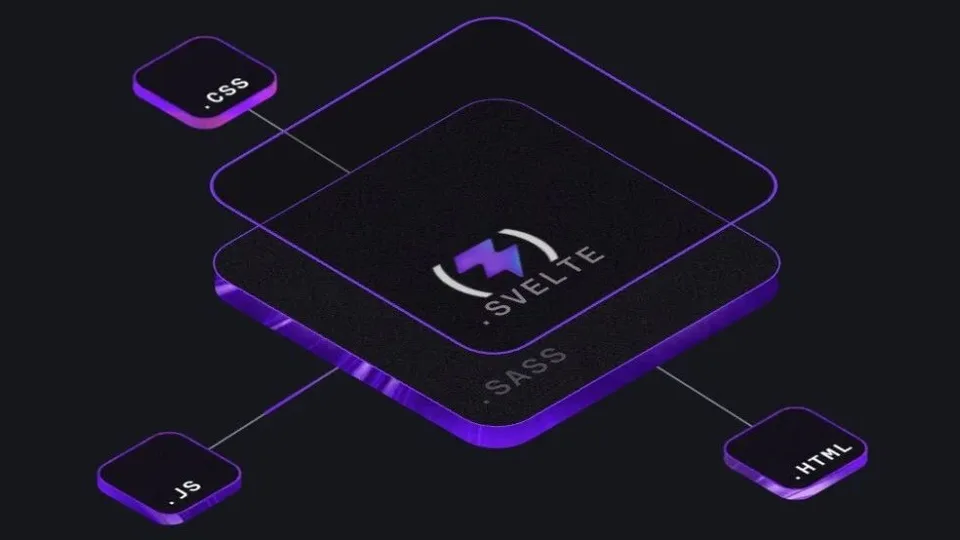
Vite 8 replaces the dual esbuild‑Rollup engine with the Rust‑based Rolldown, unifies the toolchain with Oxc, delivers up to 8× faster builds (e.g., 46 s → 6 s on Linear), drops Babel, adds native TypeScript path alias, decorator metadata, built‑in devtools, and other new features.
The article details how Meituan‑Dianping’s growth team rebuilt its high‑traffic M‑site using Qwik.js, replacing a legacy Vue‑based stack with a resumable SSR architecture that eliminates hydration overhead, dramatically reduces first‑screen JS size, and boosts conversion metrics across weak‑network and low‑end devices.
Taro 5.0 introduces a three‑layer WebOnNative architecture that unifies Mini‑Program, H5, Android, iOS and HarmonyOS development, delivering native‑level performance, pixel‑perfect UI consistency, AI‑assisted tooling, and dynamic publishing capabilities that have already been validated in large‑scale JD business scenarios.
This article recounts Bilibili’s evolution from using Canvas‑based screenshot tricks to render video cards in the Quill editor to adopting ProseMirror with Tiptap, detailing the technical debt, the new schema and NodeView architecture, performance optimizations, batch link validation, and strategies for backward compatibility and real‑time interactive components.
This article details the comprehensive migration of the mall‑admin‑web front‑end from Vue 2 to Vue 3, including the shift to TypeScript, replacement of Element UI with Element Plus, adoption of Pinia for state management, and updates to chart libraries, with code snippets and demo links.
Microsoft’s new FocusGroup preview simplifies complex navigation elements for developers, enabling full keyboard operation, faster page loads, and better accessibility compliance with WCAG standards, now available in Edge and contributed to Chromium.
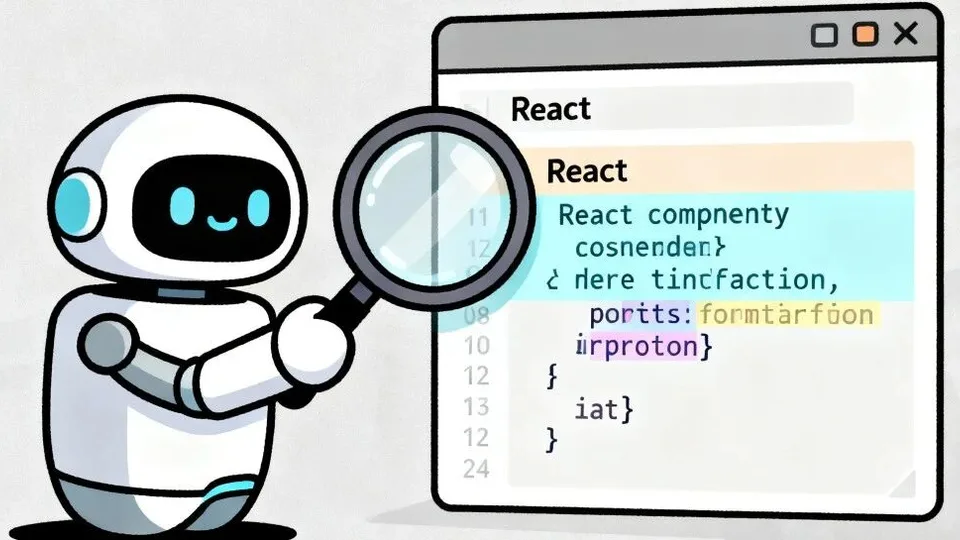
The article examines which parts of a React code review can be reliably automated by AI—such as detecting missing dependencies, unused variables, and test gaps—while emphasizing that architectural decisions, state‑management trade‑offs, and performance reasoning must remain under human control.
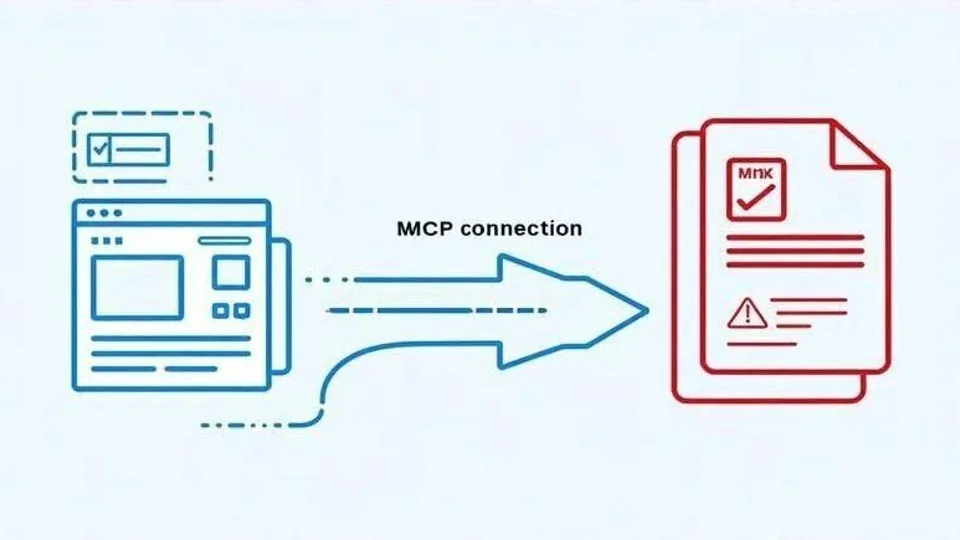
This article documents the end‑to‑end process of using Lanhu MCP to convert UI design files into HTML/CSS, covering environment setup, installation, Cursor integration, common errors such as Python 3.13 incompatibility and HTTP 418 responses, and practical work‑arounds when the core API is blocked.
Christoph Nakazawa, the creator of Jest, shares a self‑tested frontend toolchain—tsgo for TypeScript, Oxfmt for formatting, and Oxlint for linting—showing roughly 10× faster type checking, order‑of‑magnitude faster formatting, and seamless ESLint plugin compatibility, while also arguing that faster tools benefit both developers and AI agents, yet warns of preview‑stage maturity and migration costs.
This article shows how seemingly complex real‑time video requirements can be satisfied cheaply by combining the open‑source WebRTC stack with the lightweight SRS media server, detailing the architecture, step‑by‑step signaling, full JavaScript code for publishing and playing, and the resulting end‑to‑end live‑streaming solution.
The article reviews nine notable Python GUI libraries—covering traditional desktop toolkits, modern web‑style frameworks, terminal UI solutions, and high‑performance professional options—providing feature overviews, sample code, and guidance on which library fits specific development needs.
This article details JD.com’s six‑month engineering effort to refactor its high‑traffic order module into a single Taro codebase that runs on Android, iOS and HarmonyOS, covering business background, preparation, multi‑mode adaptation, core challenges, quality assurance, efficiency gains and the resulting business impact.
The article examines Vize, a Rust‑written, non‑official Vue toolchain that merges compilation, linting, formatting, and type‑checking into a single binary, delivers dramatic speed gains, adds Vite plugin, Vapor Mode, AI‑ready MCP support, and discusses its early‑alpha status within the broader Rust‑ification of frontend tooling.
The article explains how web development is circling back to server‑side rendering, merging PHP's integrated simplicity with modern JavaScript ecosystems like Next.js, to improve performance, SEO, and developer productivity while addressing the complexities introduced by earlier single‑page application architectures.
The article argues that React functions as a high‑level polyfill for early web platform gaps, advocates using native JavaScript for small tasks, compares procedural and React approaches to drag‑and‑drop, and recommends a lightweight stack of Tailwind, Turbo/HTMX, and minimal JS for modern web apps.
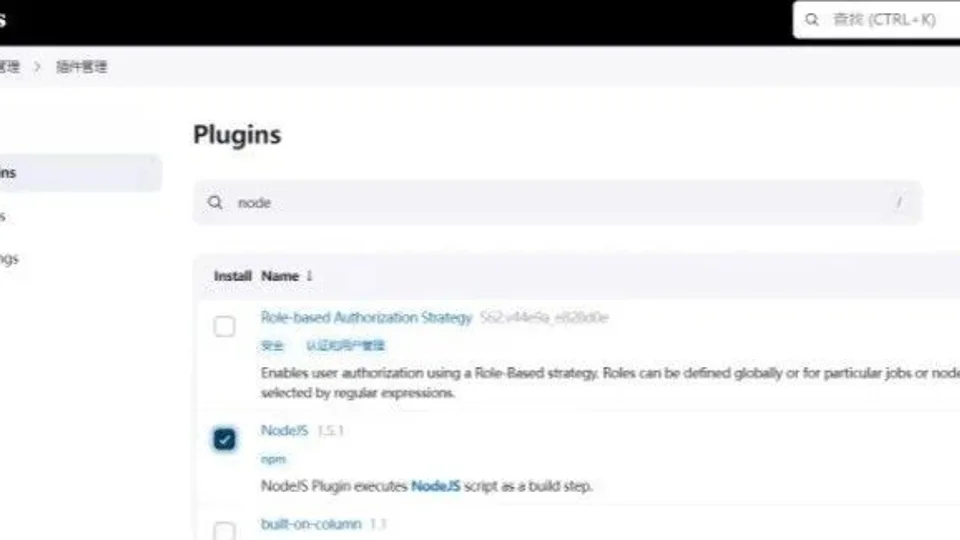
This guide walks through installing Node plugins in Jenkins, configuring a NodeJS tool, creating a freestyle project, discarding old builds, setting up Git source, defining the build environment, running Yarn commands to compile the front‑end, and deploying the artifacts via SSH with a custom script.
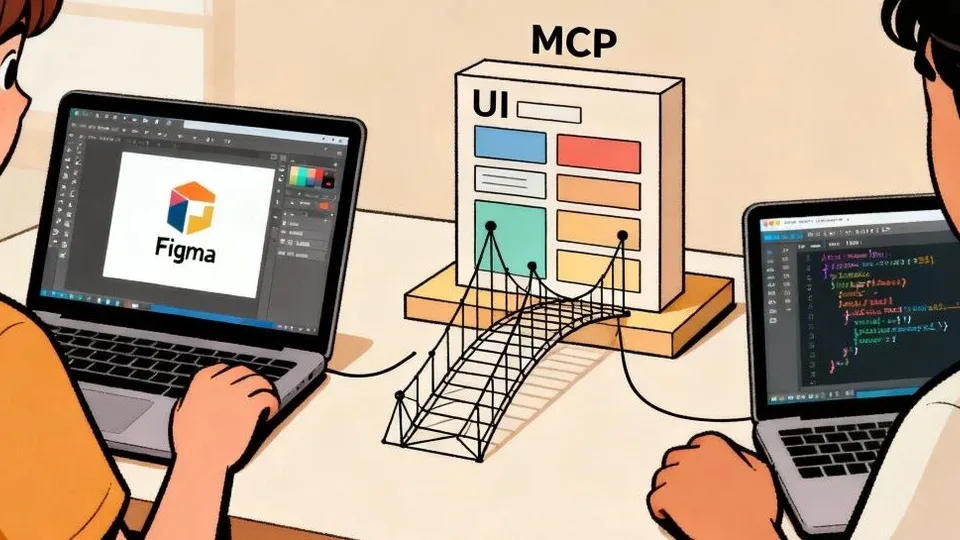
This guide explains how to combine Figma, Cursor, and the Model Context Protocol (MCP) to create realistic, interactive front‑end prototypes that match design files, reduce hand‑off ambiguity, and generate near‑production code without replacing the engineering process.