The article introduces the open‑source threejs‑skills repository, explains why AI‑generated Three.js code often fails due to API changes, math errors, and shader issues, and shows how the skill set equips AI agents with up‑to‑date best practices, performance tips, and ready‑made loaders, dramatically improving 3D development workflows.
The article introduces vue-skills, an open‑source AI Agent Skill set for Vue endorsed by its creator Evan You, explains why Vue needs such skills to fix AI hallucinations caused by outdated syntax and type inference, describes the scientific validation process, categorizes the skills, and shows how to install and use them via Skills Hub.
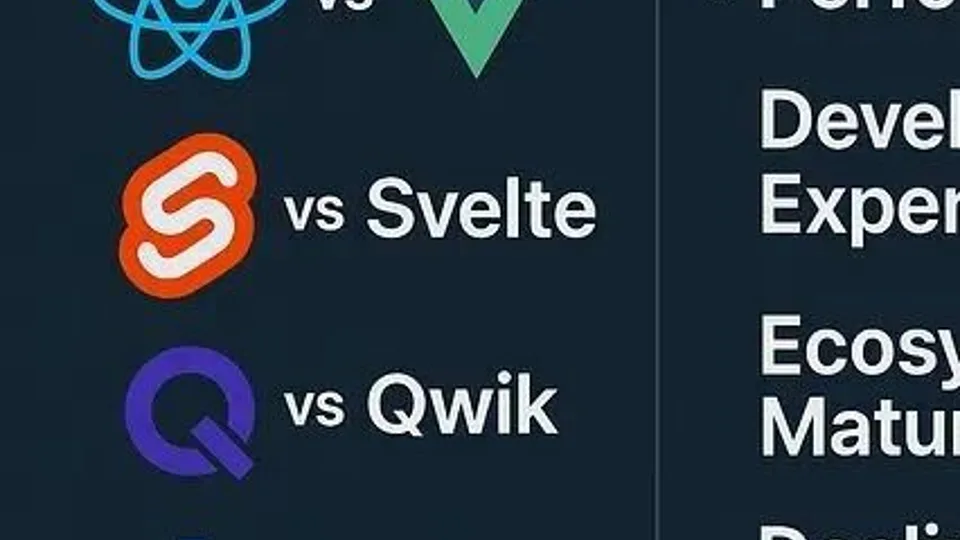
This article compares the top 2025 frontend frameworks—React, Vue, Svelte, Qwik, Angular, Solid.js, and Alpine.js—by evaluating bundle size, time‑to‑interactive, hydration cost, developer experience, and ecosystem maturity to help teams choose the right tool for their projects.
The article examines the rapid adoption of oxfmt and oxlint—Rust‑based formatter and linter from VoidZero—highlighting their massive npm download growth, performance advantages over Prettier and ESLint, key technical features, and why their speed improvements make migration inevitable for modern front‑end projects.
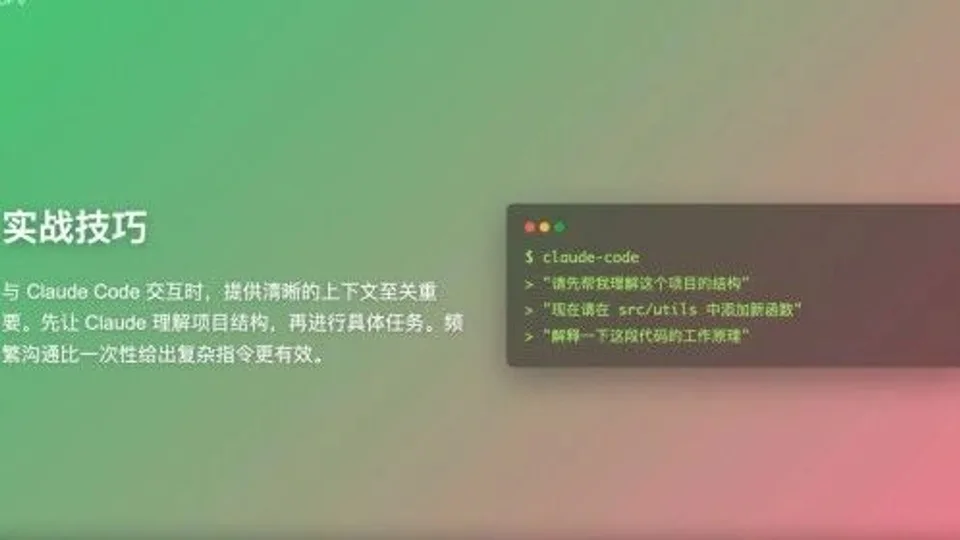
This article shows how developers can generate full‑featured tutorial or marketing videos in minutes by combining Remotion’s AI Skills with Claude Code, covering installation, project setup, natural‑language prompts, code generation, customization options, real‑world use cases, and the broader impact on development workflows.
This article explains ArkUI's component lifecycle hooks, the low‑level FrameNode API, LazyForEach rendering strategy with key generation, the full rendering pipeline, custom measure/layout methods, event bubbling, differences between property and explicit animations, and the purpose of XComponent for native rendering.
Electron 40.0.0, released on January 13, 2026, brings a comprehensive core stack upgrade—including Chromium 144, Node.js 24.11.1, and V8 14.4—adds new features like WebSocket authentication and HDR rendering, outlines breaking API changes, and provides a step‑by‑step migration guide for developers.
This tutorial walks through converting scattered UI code and design documents into structured, machine‑readable design tokens and AI‑callable skills, showing how to audit existing HTML/CSS, abstract design tokens, package them as an AI Skill, and maintain the system over time.
jQuery 4.0, the first major release in a decade, drops IE 10 support, switches to ES modules, removes obsolete APIs, shrinks the library by over 3 KB, adds Trusted Types protection, and sparks mixed opinions about the future relevance of the once‑ubiquitous JavaScript library.
This article explains how to use JoyCode together with the custom i18n-mcp tool to automatically extract, translate, and replace hard‑coded Chinese strings in Vue/JS/TS projects, dramatically reducing i18n migration effort from weeks to just a few hours.
This article explains how the zzChromeTools Chrome extension tackles the often‑overlooked “invisible time killers” in frontend development by injecting AOP‑style hooks into the main world, capturing beacon requests, and presenting them in a lightweight DevTools panel, dramatically reducing cognitive load and debugging time.
Microsoft’s VS Code extension “JavaScript/TypeScript Modernizer” uses GitHub Copilot to analyze a project’s dependencies, generate an upgrade plan, and automatically apply package updates and code changes, turning tedious legacy upgrades into a chat‑driven, semi‑automated workflow.
On January 17, 2026, the jQuery team launched version 4.0.0, a major update that drops legacy IE support, migrates the codebase to ES Modules, adds Trusted Types security, removes deprecated APIs, and sparks a community debate about its relevance in a modern JavaScript ecosystem.
jQuery 4.0.0 introduces modernized code, drops legacy browser support, adds Trusted Types and CSP compatibility, migrates the source to ES modules, removes many deprecated APIs, and provides a slimmer build, all accompanied by detailed upgrade instructions and download links.
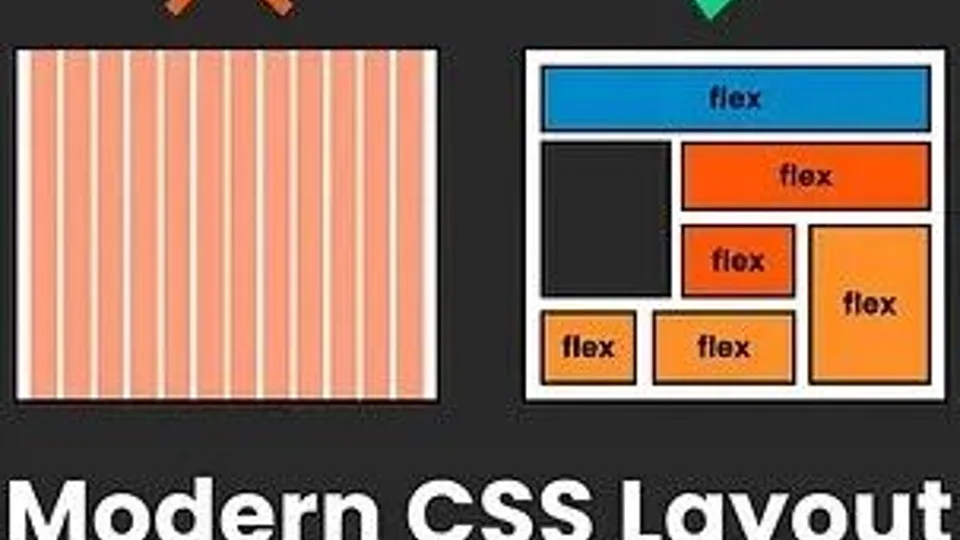
In 2026 front‑end engineering demands performance, maintainability, clean architecture and design‑system scalability, and modern CSS now provides powerful tools—Grid, Flexbox, Container Queries, Subgrid, clamp/min/max, logical properties, aspect‑ratio, and more—to dramatically reduce JavaScript usage while delivering faster, more reliable user experiences.
This article presents an AI‑driven accessibility solution that embeds code‑review and automatic fixing into the development workflow, tackles high‑frequency issues such as text reading, focus management and interaction recognition, achieves over 95% fix rates in both testing and production, and outlines future extensions to native and D2C scenarios.
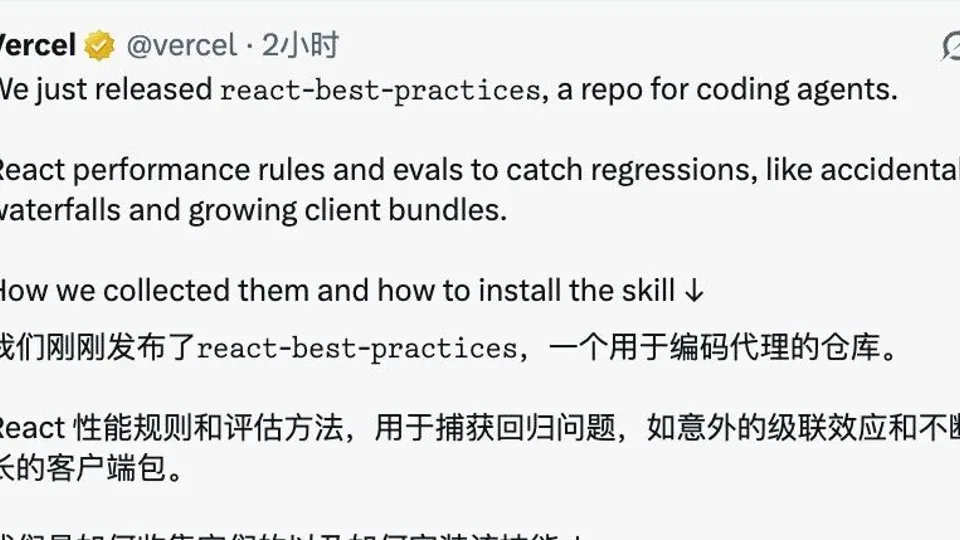
Vercel has open‑sourced a structured "react‑best‑practices" Skill that encodes ten years of React and Next.js performance wisdom, prioritizes eight categories from critical waterfall‑flow elimination to low‑impact tweaks, and equips AI agents to automatically avoid common inefficiencies such as unnecessary bundle bloat and async‑await pitfalls.
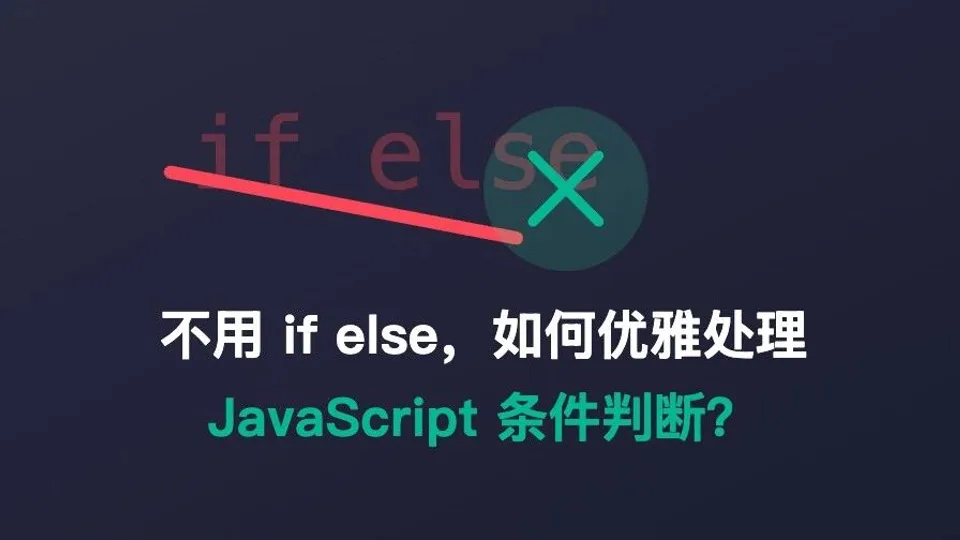
When traditional if‑else chains become verbose and hard to maintain, JavaScript offers several concise alternatives—including object mapping, Array.includes, ternary chains, logical operators, switch pattern matching, Proxy interception, functional programming, state machines, and decorators—each illustrated with clear code snippets to improve readability and scalability.
Vue 3 discourages the traditional Mixins pattern due to naming conflicts, unclear origins, namespace pollution, and complex inheritance, and recommends the Composition API, which offers explicit imports, conflict avoidance, better TypeScript support, organized code, and improved testability, along with migration steps for existing projects.
Zero‑width characters are invisible Unicode symbols that can silently break form validation, URL parsing, and data storage in web applications, but with proper detection, visualization, and input‑filtering techniques developers can mitigate these hidden risks and even use them for legitimate purposes.