This article analyzes various file preview options for docx, pptx, xlsx, and pdf formats, comparing commercial services, open‑source front‑end libraries, and server‑side converters, providing code examples, performance notes, and practical recommendations for developers seeking reliable document preview implementations.
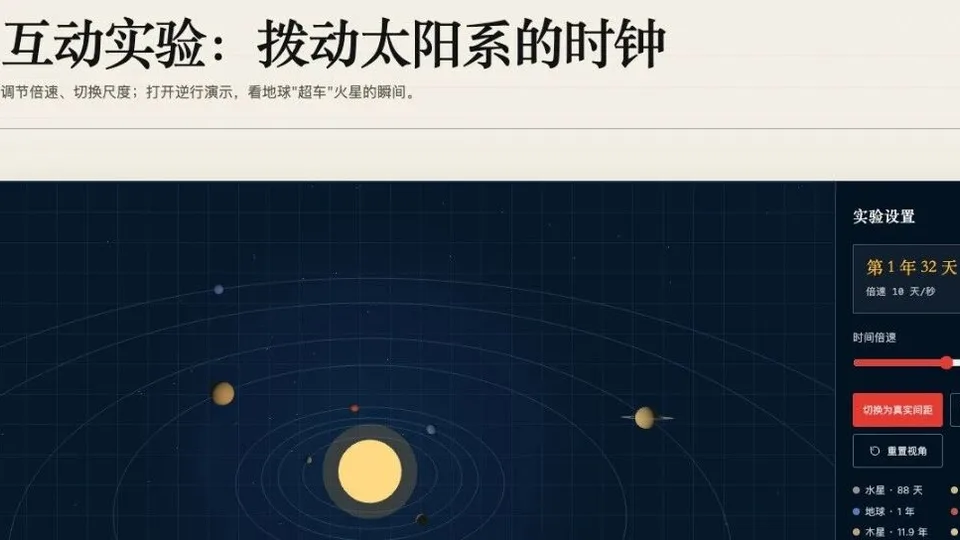
The article presents z‑sci‑viz‑lab, a reusable Skill that transforms scientific concepts into single‑page interactive demos, outlines an eight‑step workflow, shows two usage patterns, details the Vite + Three.js + Canvas stack, and demonstrates nine concrete experiments ranging from eclipses to plate tectonics.
This guide shows how to use the Motionsites.ai platform and OpenAI Codex to generate a polished, interactive website in four steps—select a template, copy its prompt, let Codex recreate the code, and customize the result—without design expertise, saving time and cost.
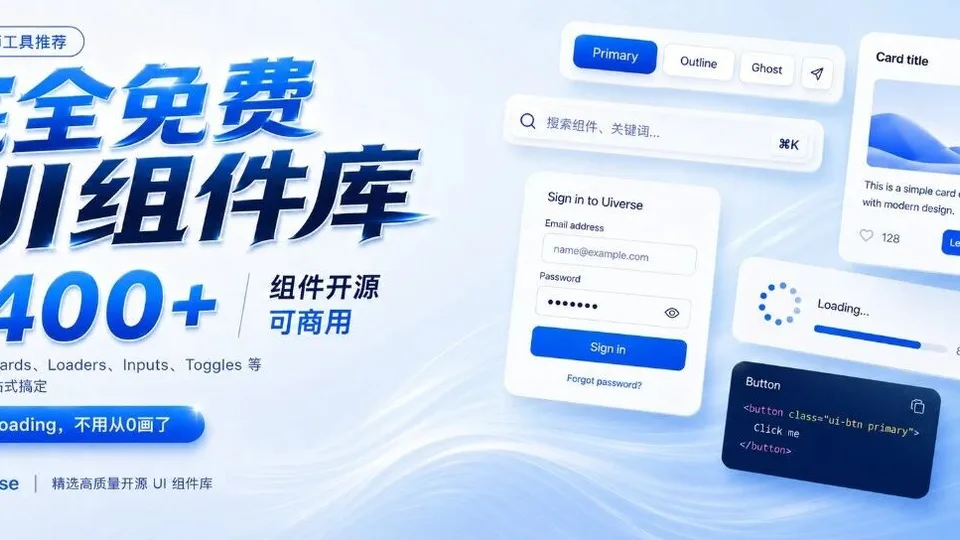
Uiverse is a completely free, open‑source UI component library offering over 5,400 ready‑to‑copy elements—including buttons, cards, loaders, inputs, and animations—plus code for CSS, HTML, Tailwind, and frameworks; the author explains how to use it for inspiration, animation reference, AI‑assisted coding, and provides practical usage tips and target audience guidance.
The article dissects why AI‑generated pages often look identical—fixed layouts, gradient backgrounds, and fabricated data—and introduces Hallmark, a 16.8K‑star GitHub skill that randomizes macro structures, enforces 65 design‑quality checks, offers 22 themes and four commands to create, audit, redesign, or study pages, dramatically cutting rework.
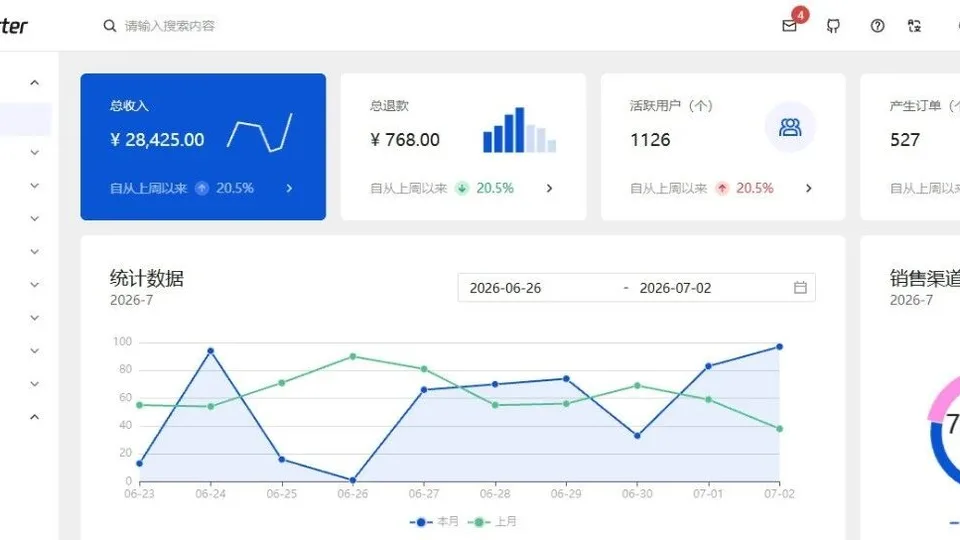
This article introduces Tencent's open‑source TDesign UI component library, highlights its cross‑stack support, AI‑friendly MCP server, and starter‑kit workflow, and provides a step‑by‑step guide with code snippets and screenshots for building a full‑featured admin dashboard and an AI chat page.
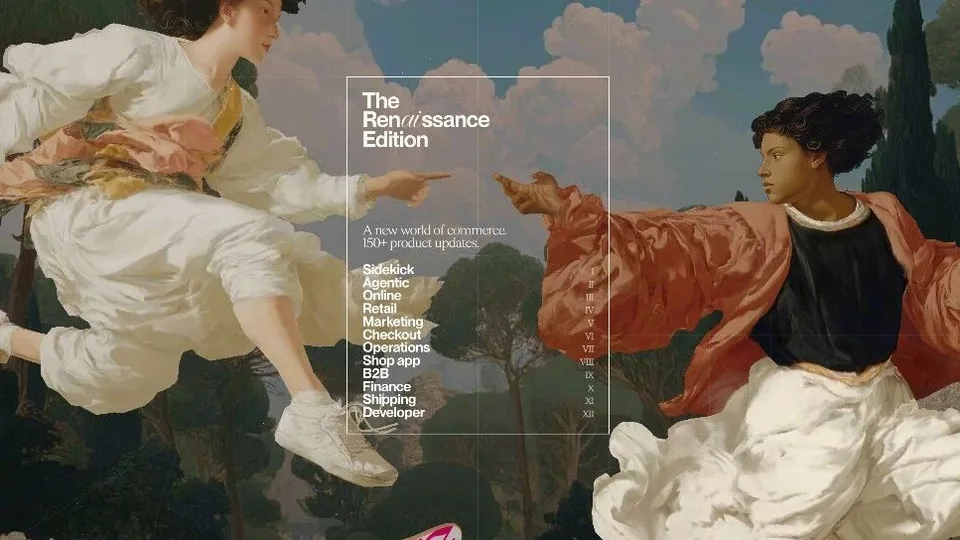
The author evaluates four large‑language models—Claude Fable 5, Qwen3.8‑Max, Kimi K3, and GPT‑5.6 Sol—by attempting a 1:1 front‑end recreation of Shopify’s Winter ’26 Editions page, and finds that Kimi K3 reproduces far more content and structure than Qwen3.8‑Max, though both have distinct strengths and weaknesses.
This article introduces the open‑source Codex‑Dream‑Skin project that lets you replace the default white‑on‑black UI of the OpenAI Codex desktop client with custom backgrounds, colors, and layouts, explains its Electron‑based implementation, and provides step‑by‑step installation guides for both macOS and Windows.
Vuetify0 v1.0 introduces a headless UI engine for Vue 3 that separates component logic from visual design, offering 40 headless components, 71 composables, full WAI‑ARIA support, tree‑shaking, zero‑plugin installation, and AI‑native tooling to empower developers to build custom design systems efficiently.
The article introduces Emil Kowalski’s Apple‑design Skill, explains how it decomposes the hardest parts of the Apple Human Interface Guidelines into actionable rules, shows a quick npx installation, demonstrates responsive UI components, and highlights the library’s focus on precise feedback, physics‑based animation, and material depth.
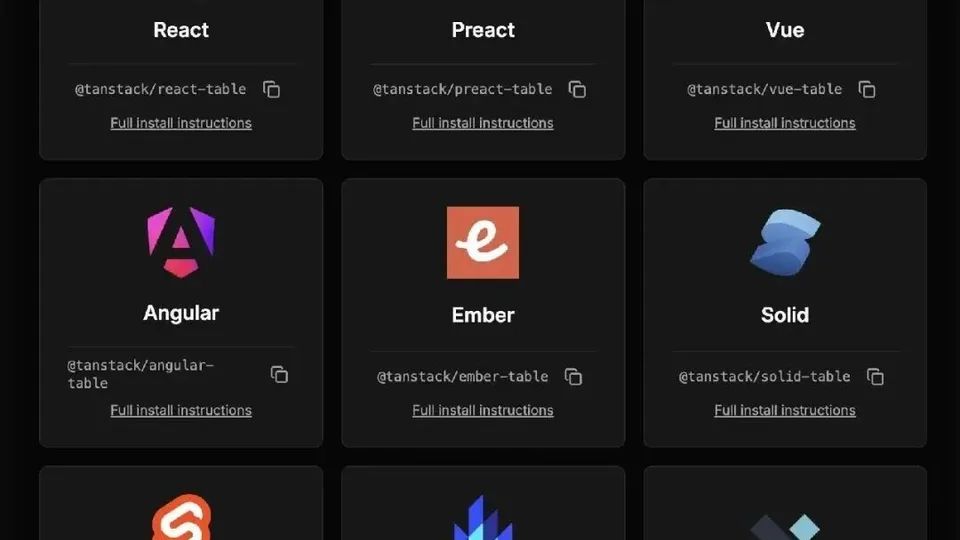
TanStack Table v9 transforms a React‑centric table library into a framework‑agnostic Table Engine that supports nine major frontend frameworks, offering a single core for sorting, filtering, pagination, virtual scrolling and more, while delivering up to 90% memory savings and 40‑70% performance gains for large‑scale data grids.
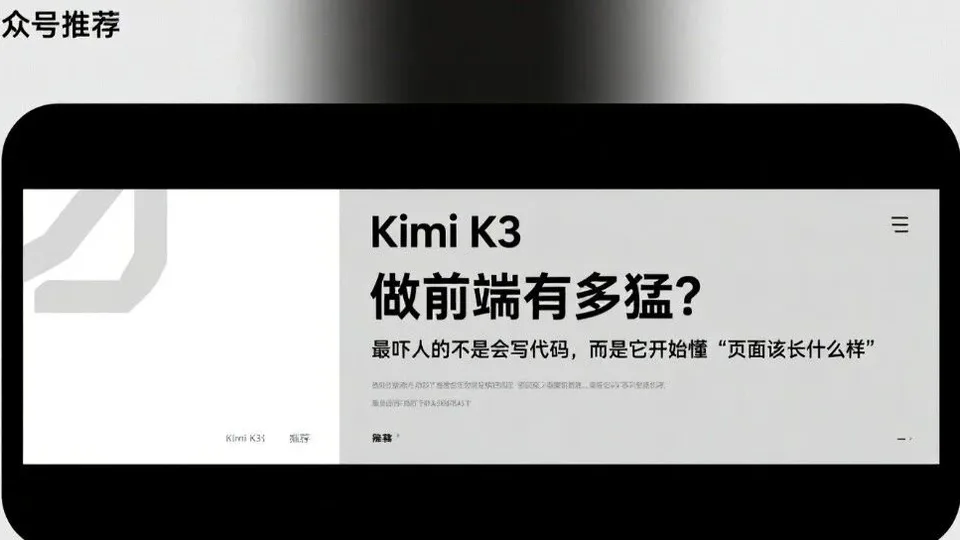
The article analyzes Kimi K3’s breakthrough in frontend generation, showing how it moves beyond merely writing code to grasping visual design, layout hierarchy, and iterative refinement, while offering practical prompts, task recommendations, and a realistic view of its strengths and risks.
The article examines the open‑source Codex Dream Skin project that injects custom CSS via CDP to fully re‑skin the OpenAI Codex desktop client, detailing its features, installation steps for macOS and Windows, security safeguards, and the broader implications of community‑driven UI customization.
This article walks through using the open‑source Codex‑Dream‑Skin project and GPT‑5.6 to customize Codex’s UI—changing backgrounds, colors, and widgets—while explaining the underlying Electron‑based injection technique and showing how the process can be turned into a small business.
The article explains how a $199 Codex theme is being sold on Xianyu, describes the open‑source Codex‑Dream‑Skin project, shows how to inject custom CSS via Chrome DevTools Protocol without modifying the original app, and warns about technical and copyright pitfalls.
This guide shows how to register multiple Codex accounts, install the open‑source Codex‑Dream‑Skin project, run its default theme, and then create personalized themes such as forest or star, providing a free alternative to paid Codex theme services.
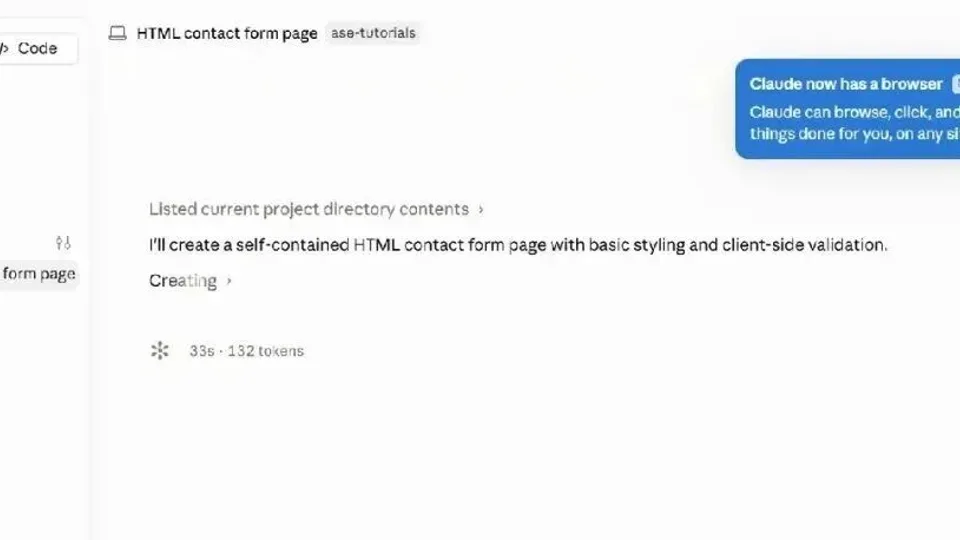
Claude Code’s new desktop‑side built‑in browser collapses the classic edit‑refresh‑inspect cycle by embedding code editing, live preview, screenshot, annotation and verification into a single workflow, offering shortcuts, permission controls and server configuration to streamline front‑end UI development.
This article demonstrates how to create a cross‑platform Java desktop application by embedding a React + TypeScript UI built with shadcn/ui inside a Chromium‑based JxBrowser view, covering window setup, resource loading for development and production, and two Java‑Web communication strategies (JS‑Java bridge and Protobuf + gRPC).
This article explains why Codex can be re‑themed, breaks the theming process into visual and structural layers, shares a step‑by‑step launcher‑based solution with a complete prompt list, and provides practical tips for safely customizing the client while preserving data.
This article showcases seven uncommon yet powerful CSS properties—position:sticky, :empty, gap, background-clip:text, user-select, :invalid, :focus-within, and mix-blend-mode:difference—explaining their use cases, providing code examples, and noting compatibility considerations for modern web development.