The article details Qunar's engineering practice of using AI agents to automate the entire front‑end delivery pipeline—from multi‑modal requirement input and design‑to‑code conversion, through real‑device testing and integration, to state recovery, decision persistence, and knowledge compounding—highlighting challenges, solutions, and future improvement directions.
This article examines Ladybird, an open‑source browser that breaks the Chromium/Gecko monopoly with a fully self‑written engine, a five‑process sandbox architecture, cross‑platform support for Linux, macOS and WSL2, and provides detailed compilation steps, security analysis, and suitability guidance for developers.
Evan You announced the formation of a new company and the official release of Pinia 4, highlighting a shift to pure ESM modules, a 77% bundle‑size reduction, a modern nostics‑based error‑diagnostics system, the adoption of ES2022 Object.hasOwn, and the debut of Pinia Colada 1.0 with deep Vue‑Router integration, while also outlining the strategic governance behind Vue’s sustainable development.
A former Japanese AV star named Noa used Claude’s AI to create a polished bilingual personal website without traditional coding training, sparking debate about whether AI tools are lowering front‑end development barriers and what that implies for the future of front‑end engineering.
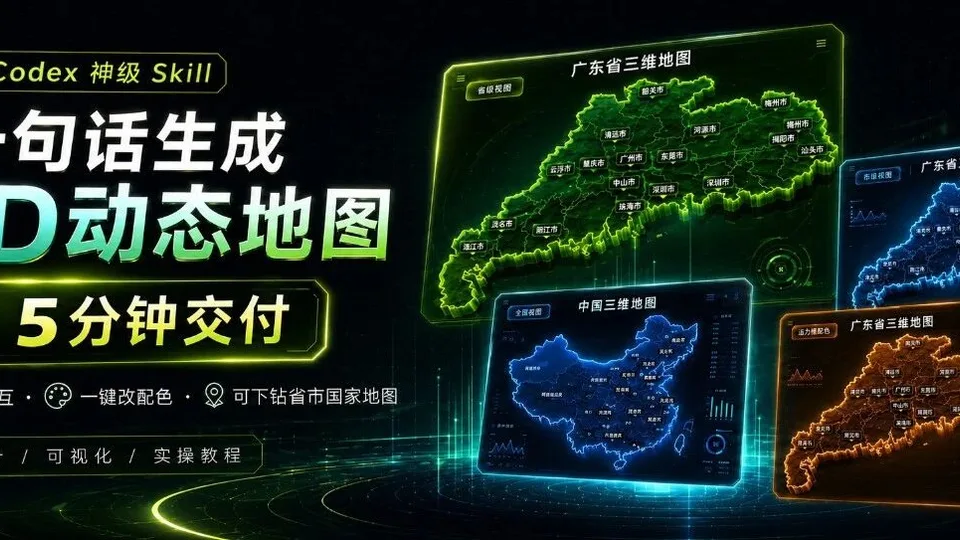
This tutorial shows how to use a Codex Skill to create fully interactive 3D maps—including province‑level drill‑down and custom colors—by entering a single prompt, eliminating hours of manual asset preparation and coding.
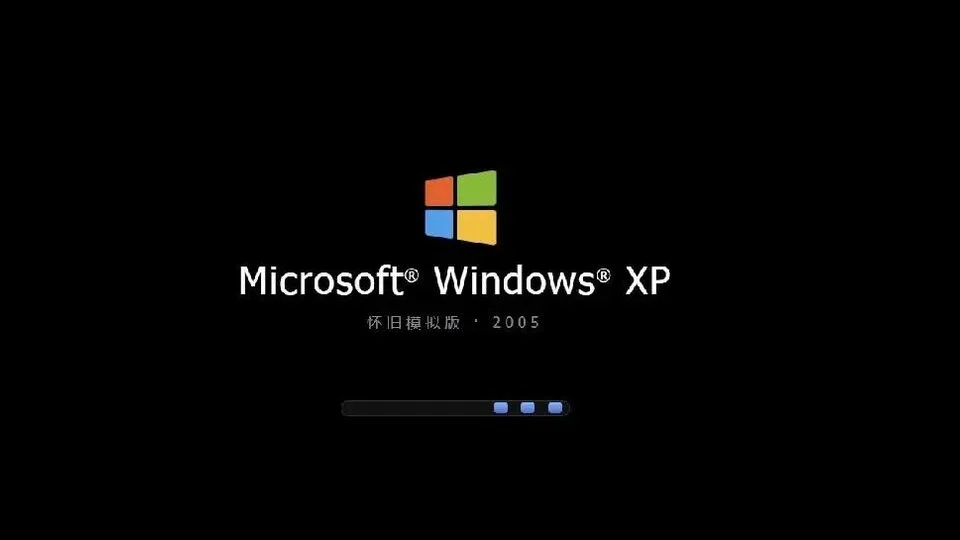
A Bilibili creator released the open‑source Kimi K3 project, a pure front‑end Windows XP emulator that runs entirely in a web page without any VM or image download, faithfully reproducing the classic UI, built‑in applications, games, and even the original IE6 browsing experience.
The article explains that backend engineers often view frontend work as easy because it changes rapidly with user preferences, while backend deals with stable, long‑standing challenges like data consistency, making each side complex in fundamentally different ways.
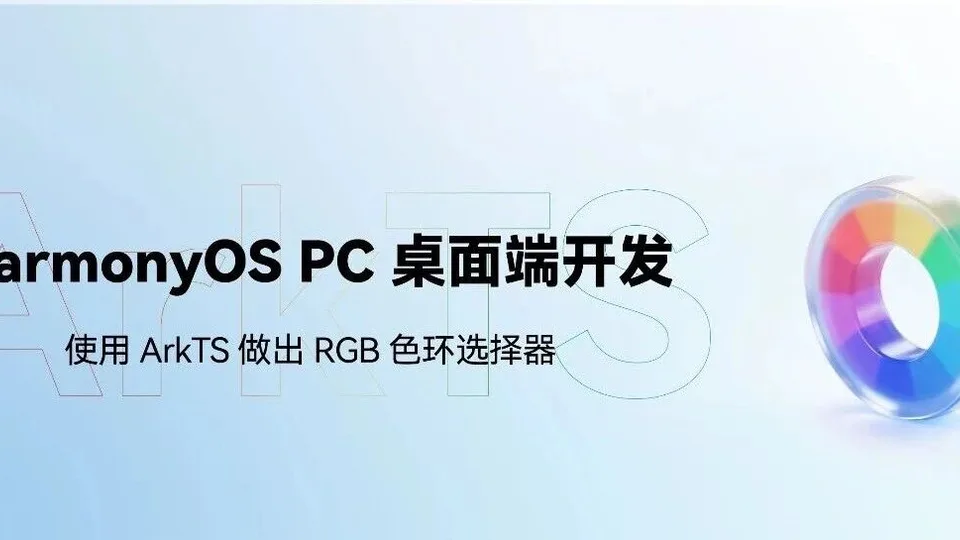
This tutorial walks through creating a high-performance HSV-based color wheel component for HarmonyOS PC using ArkTS and ArkUI, covering mathematical foundations, bidirectional RGB/HSV/Hex synchronization, mouse interaction handling, and on-device verification with DevEco Studio and HDC commands.
The article examines the long‑standing array‑order pitfall of Promise.all, explains how the TC39 Stage‑3 Await Dictionary proposal introduces Promise.allKeyed to return objects keyed by name, and shows why this change improves readability, reduces hidden bugs, and fits TypeScript better.
Kiwi, Alibaba’s open‑source i18n framework, offers an end‑to‑end workflow—from one‑click Chinese string extraction and linting to translation export, auto‑translation, and seamless import—addressing the searchability, missing‑string, and UI‑adjustment challenges that existing i18n libraries leave unresolved.
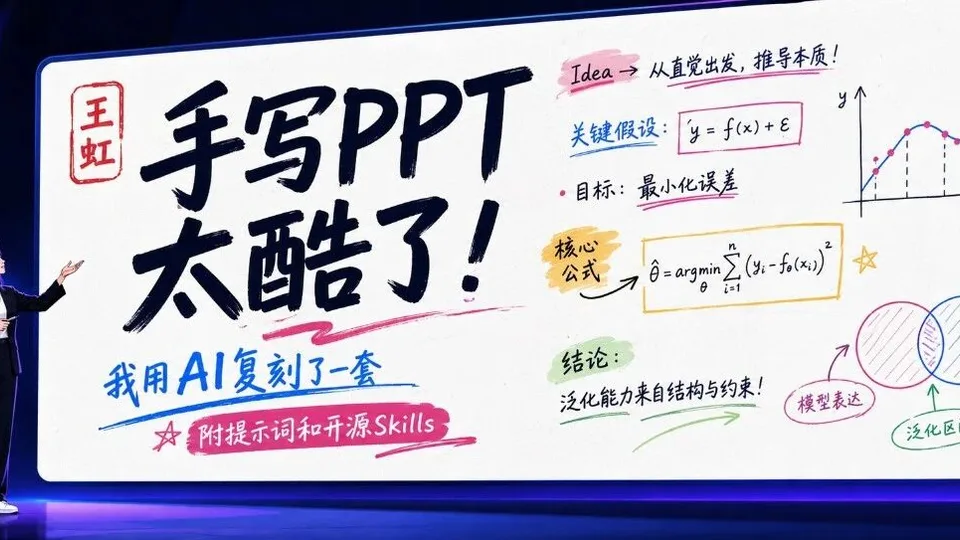
The article details how the author reproduced Wang Hong’s hand‑written PPT from ICM 2026 using AI‑generated images and a pure HTML/CSS approach with the neat‑annotations library, providing prompt examples, design guidelines, a 19‑page slide deck, and a ready‑to‑install Skill package.
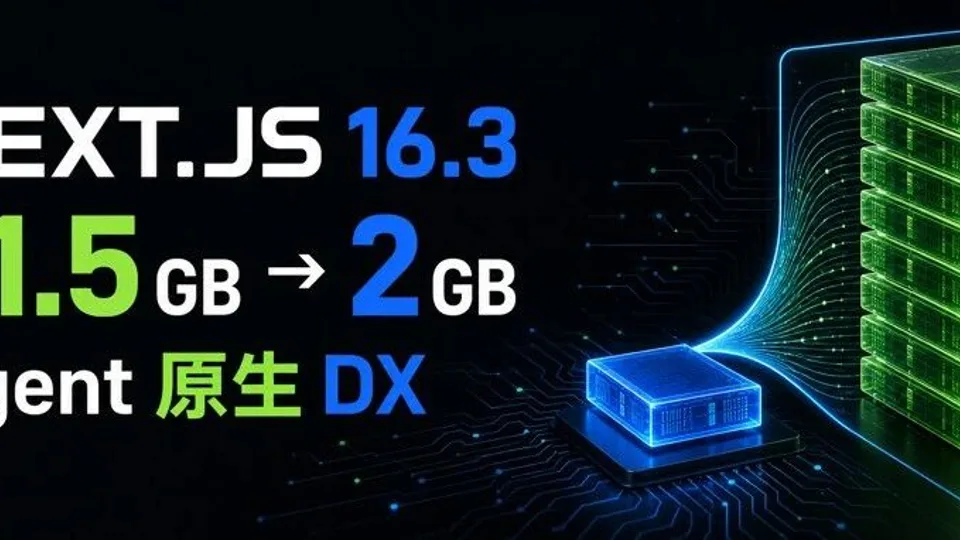
Next.js 16.3 dramatically reduces development server memory consumption—up to 90% in large projects—adds Turbopack disk caching and memory reclamation, speeds repeated builds up to 5.5×, improves SSR throughput by 22%, and ships native Agent DX with optional Instant Navigations.
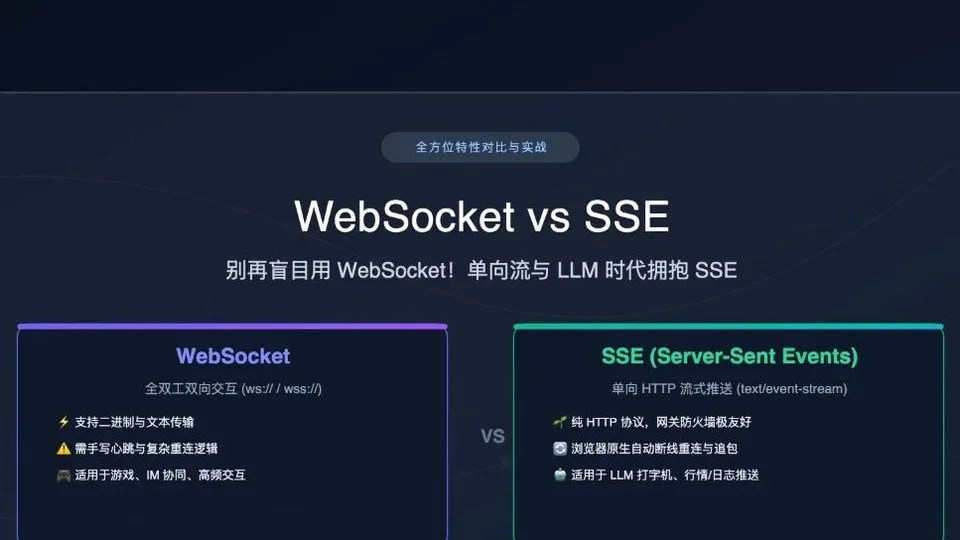
The article analyzes real‑time communication options, showing that Server‑Sent Events (SSE) offers native reconnection, simple HTTP‑based architecture, and lower operational overhead than WebSocket, making it the cost‑effective choice for one‑way streaming such as LLM token output.
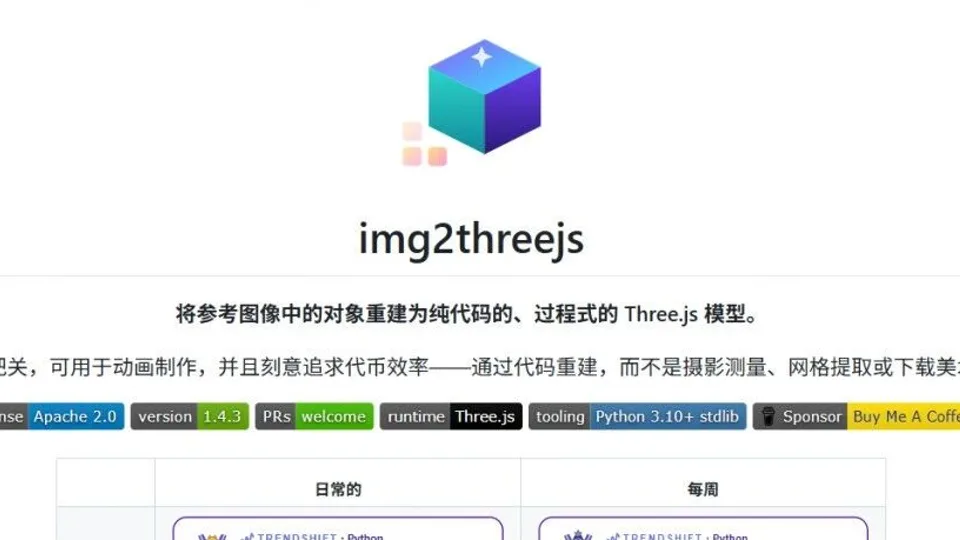
The article analyzes the limitations of traditional image‑to‑3D pipelines that output binary GLB files, introduces the open‑source img2threejs project that converts a single product image into editable Three.js TypeScript code with built‑in animation, version control, and quality checks, and provides detailed usage steps, comparisons, and practical constraints.
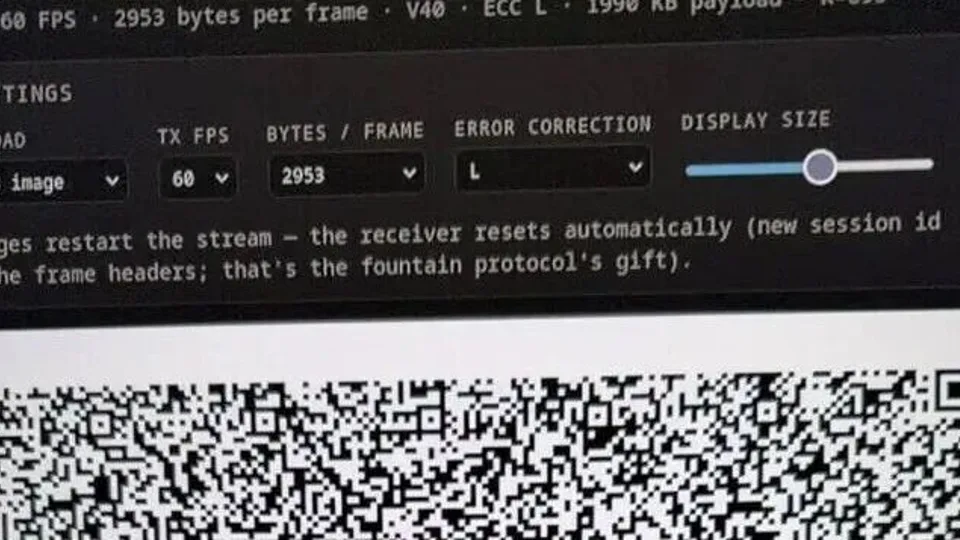
Decimen Optical Transfer lets two devices exchange files by flashing QR‑code streams from a screen to a camera, eliminating the need for Wi‑Fi, Bluetooth or shared networks, and achieves up to 186 KB/s with a lightweight pure‑Web implementation.
This guide shows how to use the Livo‑created animation Skill with Codex or other agents to generate p5.js animation code—or direct visual effects—through simple one‑line prompts, covering basic effects, creative combinations, and practical tips for web integration while warning about performance considerations.
This article explains two practical screen‑adaptation methods—one based on the rem unit and another using CSS scale transforms—detailing their concepts, suitable scenarios, step‑by‑step setup, and full code examples for Vue3 applications built with Vite.
The article examines Lee Robinson's five‑year prediction that Rust would dominate JavaScript toolchains, showing how Rspack, Turbopack, and Bun have replaced CPU‑intensive build steps with native Rust cores while preserving JavaScript APIs, and discusses the trade‑offs and practical implications for front‑end developers.
The article explains how HTML-in-Canvas bridges the long‑standing gap between DOM and Canvas by delivering Canvas UI, an open‑source library that wraps GPU rendering, shaders and animation logic into 25+ ready‑to‑use components, supports major frameworks, and outlines its current experimental limitations.
The revamped Node.js API documentation, now in beta, replaces the dated, search‑less interface with a clean design, built‑in search, unified navigation, mobile support, and an AI‑friendly llms.txt index, dramatically improving how developers locate and use API information.