This tutorial explains how to use Python's Pygame library to generate random-colored, expanding ripple circles that originate from mouse clicks, complete with code examples and visual screenshots of the resulting effect.
Shopee Games chose the Egret engine for its lightweight 2D performance on low‑end Southeast Asian devices, built a custom toolchain with texture‑atlas and draw‑call optimizations, trimmed unused modules, migrated the project to a modern npm‑based workflow with Webpack, linting, testing and CI/CD, and created scaffolding utilities that now let developers treat H5 game development like any frontend project, speeding iteration and improving code quality.
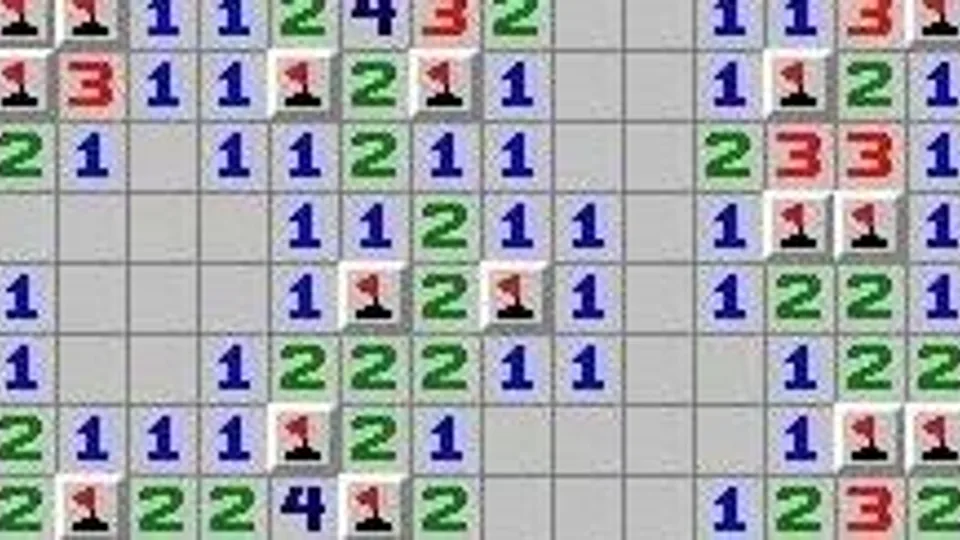
This tutorial explains how to build a high‑performance Minesweeper bot in Python by capturing the game window, segmenting the board into 16×16 pixel cells, recognizing each cell’s state via OpenCV color analysis, and applying a simple logical algorithm to flag mines and click safe squares.
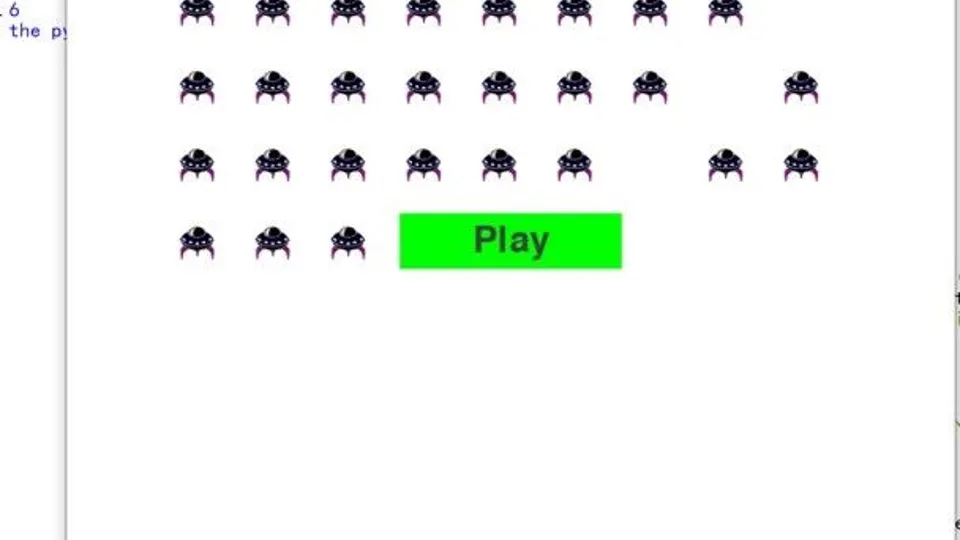
This article walks through the complete implementation of an Alien Invasion game using Python's Pygame library, explaining the modular structure, key classes, functions, and game mechanics while providing full source code for each component.
As agile development matures, QA moves beyond functional testing; this article explains test right‑shift in a game project, covering stable release strategies, log‑based monitoring, opinion monitoring, performance monitoring, and risk control mechanisms.
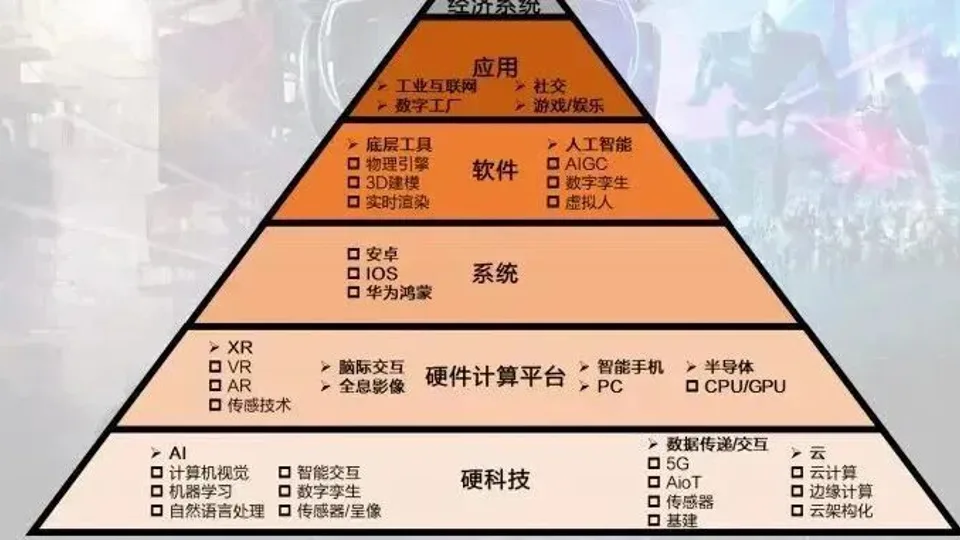
The article explains what the Metaverse is, why it has become a hot concept, outlines its six‑layer technological architecture, and discusses the current state and future opportunities of the Metaverse in China, including key players and emerging sub‑domains such as VR, AR, gaming, and virtual humans.
This article explains how to write automated test case scripts for game development, distinguishing good and bad test cases, detailing script language selection, state‑machine based Lua examples, timer usage, AI‑driven testing, performance and version checks, and best practices for maintainable, reliable automation.
This article walks through the origin, architecture, and tooling of Shopee Candy, a multi‑region match‑3 H5 game, detailing the Algorithm SDK, animation system, map editor, score runner, replayer, and future plans for configurability, performance, anti‑cheat, and AI‑driven level design.
This guide introduces game automation testing, explaining its benefits and limitations, outlining when it is appropriate, and providing a detailed two‑part tutorial on building an automated testing framework—including outer process setup, server and client components, and using third‑party tools like Airtest.
This article outlines comprehensive testing strategies for real‑time MMO PvP events, covering pre‑test preparation, environment setup, function blocking, role data verification, match flow designs, betting, spectating, data persistence, stress testing, and risk mitigation to ensure stable and fair competitive gameplay.
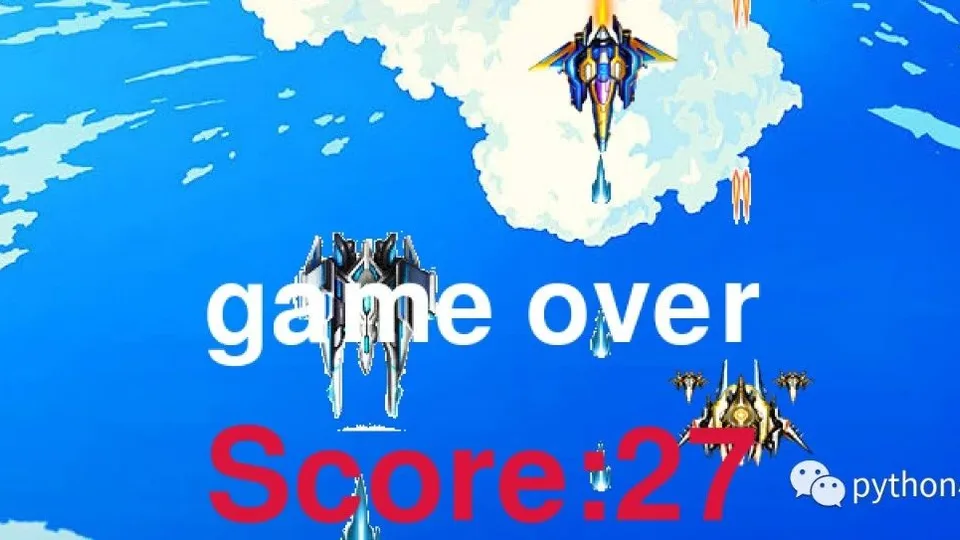
This tutorial walks you through creating a basic airplane‑shooting game in Python using Pygame, covering window setup, image loading, sprite movement, event handling, collision detection, audio playback, and provides complete source code and explanations for each function.
This article explains two techniques for accurate polygon click detection in Cocos—pixel‑alpha testing and PolygonCollider2D with ray‑casting—and describes a bit‑mask based Sudoku solver that uses depth‑first search and solution counting to ensure puzzle uniqueness and improve performance.
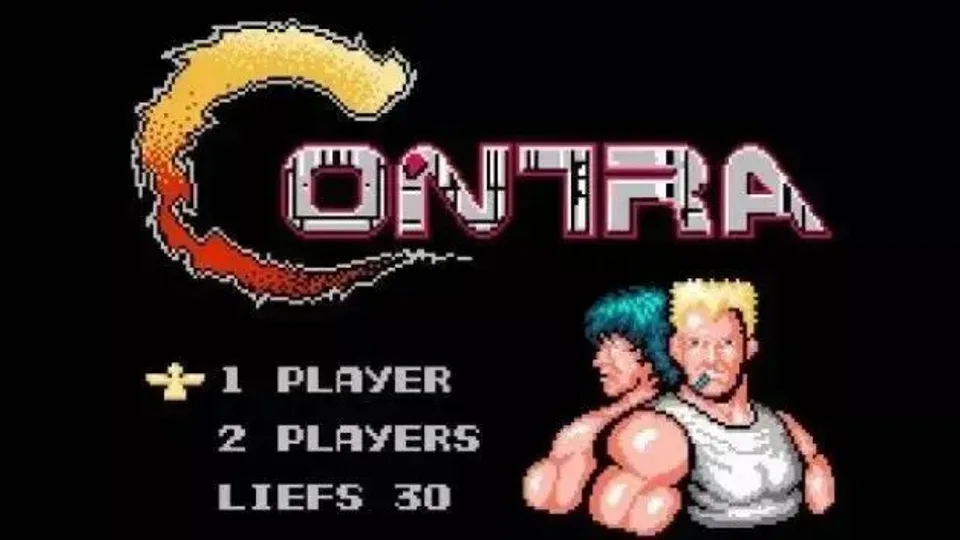
This article explains why the classic game Contra could pack extensive graphics, music, and scrolling effects into just 128 KB by discussing data size perception, tile‑based graphics techniques, limited audio chip capabilities, and minimalist code strategies used in the NES era.
This article shares practical experience on probability testing in games, covering boundary‑value testing, avoiding misleading probability placements, and clear probability disclosure, while illustrating common pitfalls with code examples and real‑world case studies.
Using Jimp, the author scans a designer‑supplied point‑map image—where each 1 px marker’s color encodes a board square type—to automatically extract (x, y) coordinates, merge adjacent pixels via region‑growing for visibility, output a JSON layout, and drive front‑end placement of Monopoly‑style tiles.
The article examines how game QA professionals can assess and validate the fairness of random systems, discuss the pitfalls of unadjusted probabilities, and explain how pseudo‑random distributions are used to align player expectations while introducing new testing challenges.
This tutorial walks through building a complete Alien Invasion arcade game in Python using Pygame, explaining the modular design of settings, ship, alien, bullet, button, game statistics, and scoreboard modules, and demonstrates how to implement game loops, event handling, collision detection, and scoring logic.
This article explains how QA engineers can rigorously test and validate in‑game probability settings by collecting large samples, analyzing distribution patterns, and using statistical visualizations to ensure random mechanics behave as intended.
This tutorial shows how to recreate the classic WeChat airplane battle game using Python and Pygame, covering environment setup, player and enemy plane implementation, keyboard controls, bullet collision detection, and includes full source code and screenshots.