The article explores how Tarn Adams has single‑handedly maintained and expanded the indie game Dwarf Fortress for two decades, growing its C/C++ codebase to over 700,000 lines, funding development through donations, and continuously adding new gameplay modes and AI features without major refactoring.
This tutorial walks through building a simple Whack‑a‑Mole Unity game, adding scene objects and state‑machine scripts, then integrating Agora's voice SDK to create a worldwide voice chat channel, complete with code examples and step‑by‑step instructions.
This article presents the complete Unity source code of the "Protect the Kitten" 2D mini‑game, explains its project structure and core scripts, and demonstrates how to integrate Agora's audio SDK to add simple voice‑chat functionality, with download links for the full project.
The article details how to create the AI‑driven “Object Hunt Battle” game by processing data, designing and training a PP‑LCNet model with PaddleClas, converting it for Paddle.js, and integrating real‑time WebGL inference on mobile devices, achieving sub‑50 ms latency and encouraging developers to explore further.
This tutorial walks through building a simple skiing game in Python using Pygame, explaining the game mechanics, required image assets, and providing the complete source code that handles skier movement, obstacle generation, collision detection, scoring, and rendering in a 640×640 window.
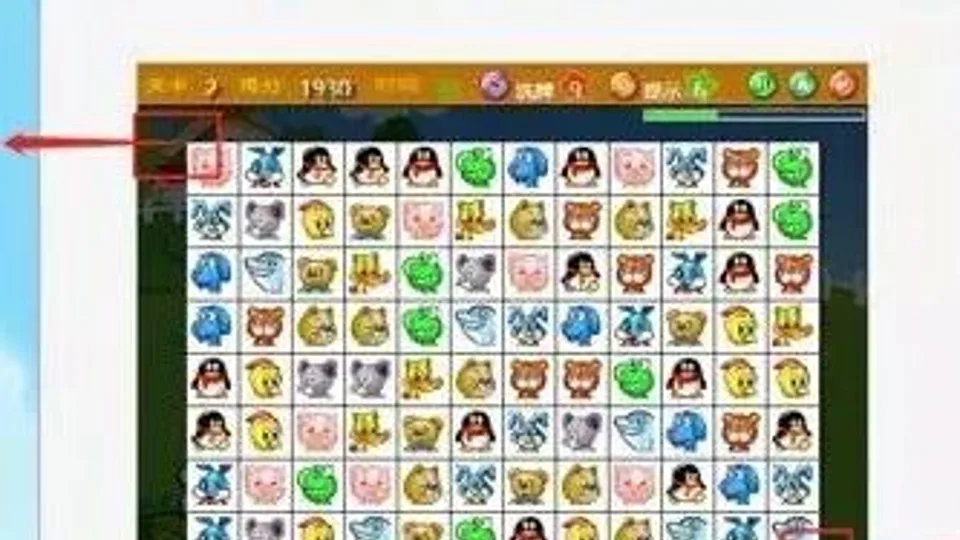
This tutorial walks through creating a Windows‑10 Python script that captures the 4399 mini‑game “Pet Link‑Match Classic 2”, identifies icons via image processing, builds a matrix, finds connectable pairs with a path‑finding algorithm, and simulates mouse clicks to automatically clear the board.
This article details the end‑to‑end development of Douyin's National Day mini‑game, covering the Lynx + Cocos tech stack, core Cocos concepts such as ECS, node hierarchy, lifecycle, a step‑by‑step walkthrough of the star‑catcher demo code, background looping strategies, checkpoint transitions, character Spine animation, resource loading pipelines, custom bitmap fonts, and a series of performance optimizations for mobile deployment.
This article explains how game QA teams can systematically investigate player‑reported damage and attribute anomalies by understanding combat value structures, implementing attribute and skill‑settlement logging, and applying automated analysis to identify and resolve bugs that affect gameplay balance.
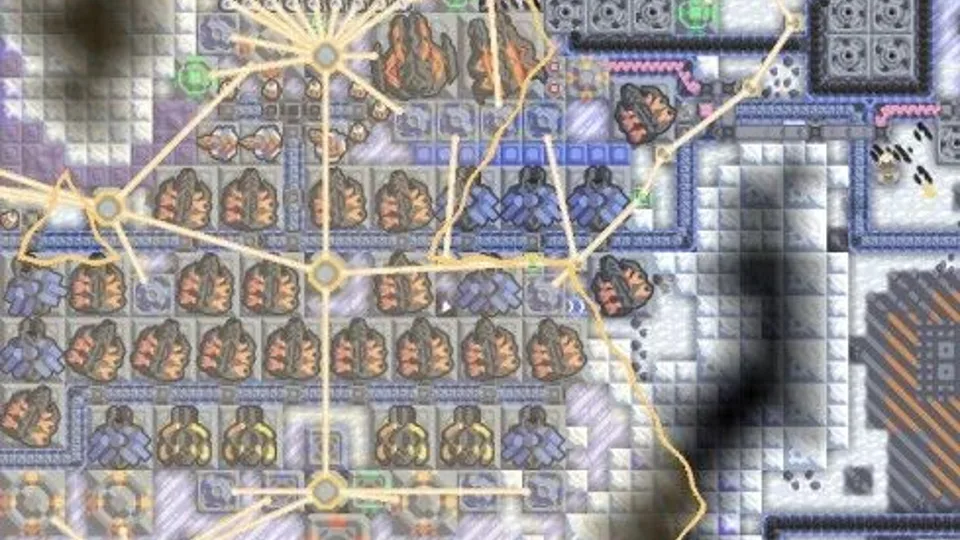
This article introduces the open‑source Java tower‑defense game Mindustry, explains its gameplay and resource‑management mechanics, provides step‑by‑step instructions for compiling and running it on Windows, Linux and macOS with JDK 16‑17, and highlights its value as a learning resource for Java game development.
This article explores the surprising 13KB JavaScript game "Space Huggers," explains the JS13k competition rules, and shares practical techniques—pixel graphics, minimalist sound, lightweight engines, and code trimming—that developers can use to create ultra‑small yet functional browser games.
This article provides step‑by‑step Python tutorials for creating classic games—including 2048, Snake, Tetris, and LianLianKan—detailing design principles, core logic, and complete source code using Pygame and Tkinter for learners with basic Python and game‑programming knowledge.
To meet rapid growth and diverse user needs, Vivo’s Game Center adopted a modular architecture that separates visual templates from data, enabling reusable UI components, configurable page assembly, and AB‑test driven experimentation, which together cut release cycles, streamline backend workflows, and boost scalability and developer productivity.
This tutorial walks you through recreating the classic WeChat "Airplane Battle" game using Python and Pygame, covering environment setup, player and enemy plane implementation, keyboard controls, collision detection, and a complete runnable code example.
This article walks through the complete design process of the online tabletop game “One Night Werewolf,” covering story world‑building, scenario‑driven gameplay, card visual design, emotion‑focused animation, and technical implementation that together created a compelling, high‑engagement mini‑game experience.
This article presents a method for fine‑grained control of highlight effects in 3D material makeup, analyzing the impact of material properties, lighting, and geometry, and proposes using model‑space normal maps to ensure stable, adjustable highlights across different facial models and poses.
This tutorial walks you through creating a functional Arkanoid‑style game using Python and PyGameZero, covering installation, window setup, sprite handling, drawing and update loops, paddle control, ball physics, collision detection, and suggestions for adding game‑over logic and scoring.
This tutorial explains how to build a Python automation script for the 4399 mini‑game “Pet Link Classic 2”, covering environment setup, window handling, screenshot processing, image comparison with Hamming distance, path‑finding algorithms, and mouse‑click simulation to clear matching icons.
The article traces the Metaverse from its literary origin in Neal Stephenson's 1992 novel, explains the current investment frenzy by major tech firms, defines the concept through examples like the Oasis and Roblox's eight attributes, and outlines the key technologies—5G, edge computing, VR/AR/MR, blockchain, and AI—required to realize it while highlighting cost challenges.
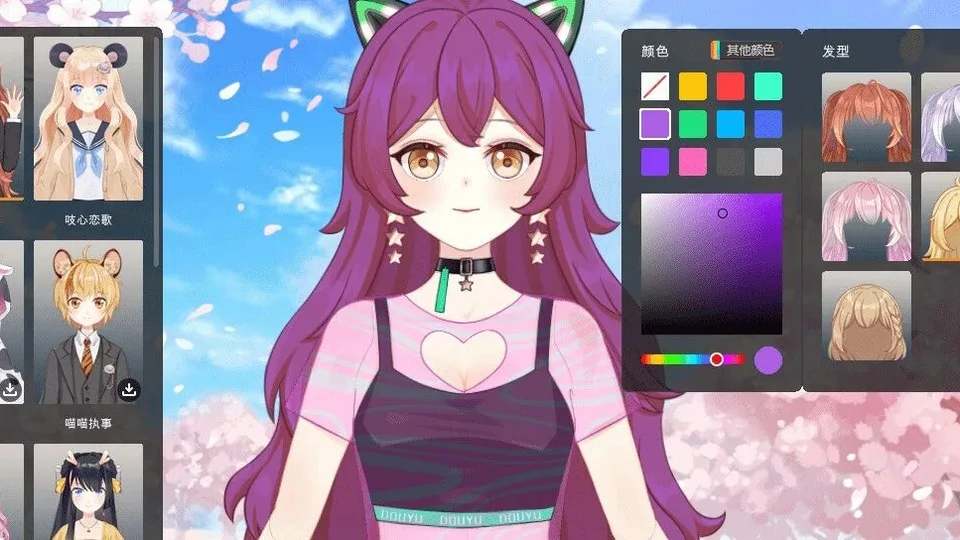
This article details Douyu's virtual avatar tool built on Unity and Live2D, covering project background, core features, layered architecture, key technologies such as Unity rendering, FairyGUI UI, TCP-based IPC, model dressing and recoloring, face‑data processing, and future development plans.