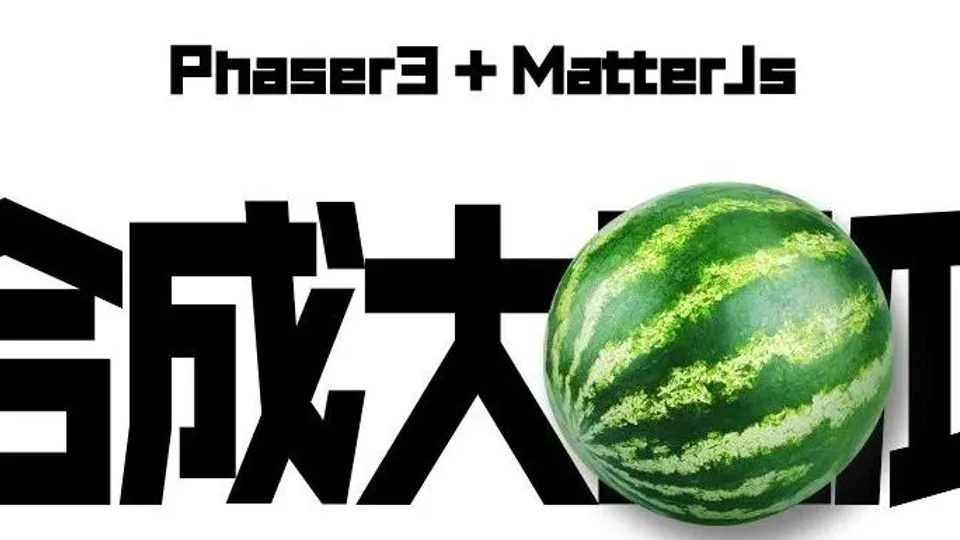
This step‑by‑step guide shows how to create a simple “merge watermelon” HTML5 game using Phaser 3, TypeScript, and Matter.js physics, covering project setup, asset loading, fruit creation, input handling, collision logic, scoring, and game‑over detection.
This article traces the evolution of computer graphics in video games—from the 1972 Brown Box and Atari sprites through the ZX Spectrum era, early 3D engines like Freescape and Zarch, to the rise of GPUs, rasterization pipelines, and modern rendering challenges exemplified by titles such as Crysis.
This article explains how breaking down game UI into experience, mechanism, and presentation layers—and analyzing them vertically and horizontally—helps designers align product goals with player needs, leading to clearer layouts and stronger player engagement.
This tutorial explains how to set up ADB and Python, capture screen coordinates, and run a scripted loop that automatically taps specific points in Honor of Kings to repeatedly collect gold, including troubleshooting tips and packaging the script as an executable.
This article provides a comprehensive overview of Oasis Engine, detailing its component‑based architecture, TypeScript implementation, key features such as Transform, resource and shader systems, its stability and performance achievements, historical development phases, and future roadmap for cross‑platform and open‑source enhancements.
iQIYI’s AR+AI powered video interactive mini‑games blend a custom VideoAR engine with real‑time AI‑driven face and gesture detection, use lightweight Lua for game logic, and offer rapid hot‑updates, enabling diverse IP integrations that have attracted over a million participants and boosted viewer engagement.
The article introduces Oasis Engine, a Web‑based 3D interactive graphics engine, detailing its component‑based architecture, TypeScript scripting, core systems such as Transform, resource and shader management, performance benchmarks, historical development stages, and future open‑source roadmap.
This guide introduces GoBoy, a multi‑platform Game Boy and Game Boy Color emulator written in Go, explains how to install it on macOS, Windows, and Linux, and details its usage, debugging commands, and saving features for a complete retro gaming experience.
This guide walks you through the core source files of the popular “Big Watermelon” Cocos game, explains its simple click‑collision‑score‑display flow, and shows concrete code snippets for altering the scoring logic or other gameplay tweaks, while hinting at algorithmic optimization.
This article details how a 3D interactive incentive game was created using Oasis Engine, covering scene architecture, ECS design, script development, collision handling, camera follow, skeletal and particle animations, shader effects, lane configuration, mobile orientation, performance optimizations, testing, deployment, and key lessons learned.
This article chronicles the life and career of Yao Zhuangxian, the creator of the legendary Chinese RPG series "The Legend of Sword and Fairy," detailing his early fascination with games, his breakthrough with "Monopoly," the rise and challenges of the Xianjian franchise, and his lasting impact on the Chinese gaming industry.
Renowned shader programmer Inigo Quilez discusses his background, the evolution of Shadertoy from the demoscene, his self‑taught journey in mathematics and graphics, and shares insights on learning paths, community building, and future plans for the platform.
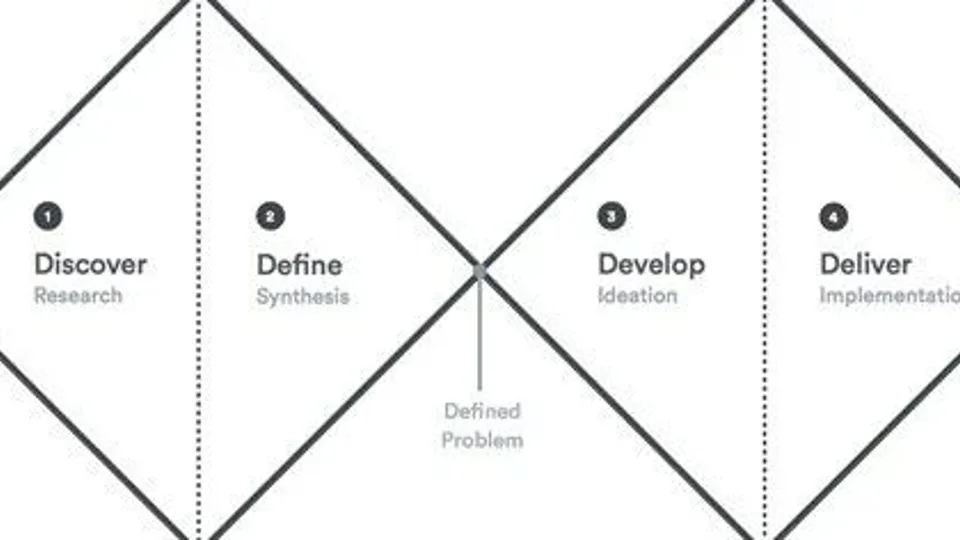
This article explains how the double‑diamond model guides game designers through a dynamic, iterative process of discovery, definition, ideation, and implementation, emphasizing empathy, data‑driven decisions, and continuous refinement to create engaging player experiences.
This article explores Freud's iceberg model of the mind, explains conscious, preconscious and unconscious layers, and demonstrates how game UI designers can apply these concepts to create more intuitive, memory‑evoking, and seamless player experiences across various interface scenarios.
This article explains the fundamentals of physically based rendering (PBR) assets, the role of Substance Painter tools, image‑based lighting theory, texture export standards, and provides step‑by‑step shader code modifications to achieve consistent results between Substance Painter previews and real‑time game engines.
The article commemorates the unexpected passing of DirectX co‑creator Eric Engstrom and the COVID‑19 death of Turing Award winner Edmund M. Clarke, highlighting their seminal contributions to Windows game development and model‑checking verification techniques that continue to shape modern computing.
This article explains how the EVA system’s 2.5D isometric approach, layered architecture, asset pipeline, and accessibility enhancements enable rapid development and high‑quality rendering of the Gold Coin Town interactive game, complete with code examples and best‑practice guidelines.
This article recounts how the Taobao Interactive team designed, planned, balanced, and rapidly prototyped a complete tower‑defense mini‑game for the D2 online showcase, detailing the story creation, PRD writing, numerical tuning, early development, art production, and the use of an ECS‑based EVA JS engine.
During the D2 conference, the Taobao Interactive team created a fully featured tower‑defense mini‑game using the EVA JS ECS engine, detailing the entire workflow from concept and PRD to numeric balancing, asset creation, component‑system design, and rapid early‑stage development.
This tutorial walks through the complete development of a Java Swing runner game called RunDay, covering requirement documentation, MVC design, login, start screen, loading screen with threading, main gameplay including background scrolling, player animation, multiple obstacle types, collision detection, pause/continue logic, and the final end‑screen UI, all illustrated with full source code snippets.