The article details the design of a cross‑platform C++ rendering engine built for a mobile reading app, explaining its three‑layer architecture, file‑format support, layout and caching mechanisms, security features, and how these technical choices delivered measurable improvements in page views, reading time, and conversion rates.
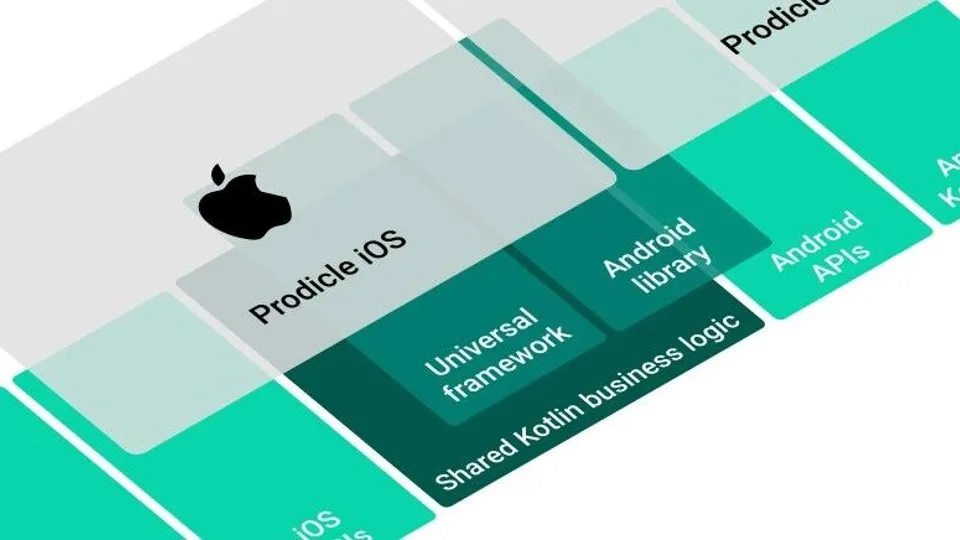
This article explains how Kotlin Multiplatform (KMP) can be integrated into iOS apps by covering local and remote integration methods, build and packaging steps, Swift/Objective‑C interop details, debugging, testing, and practical recommendations for when and how to adopt KMP in mobile development.
This tutorial walks through the complete lifecycle of a HarmonyOS atomic service — from UI implementation with Navigation, Grid, LazyForEach, and @Builder, to AI-powered text-to-speech, and finally manual code signing, packaging, and release via AppGallery Connect.
The article examines how the Vue ecosystem, which lacks a true native cross‑platform solution, can leverage the open‑source WebF runtime to run standard web projects—including Vue, React, and Svelte—directly inside Flutter on iOS, Android, and desktop, offering near‑native performance without rewriting code.
A HarmonyOS developer shares the full technical practice of building a children's flag-learning app, covering technology selection (Core Speech Kit, ArkTS, Stage model), core feature implementation (offline voice synthesis/recognition, canvas drawing, puzzle game), global state management with AppStorage, performance optimizations for 200+ flags, and future plans for multi-device collaboration and AI integration.
This article details the design and implementation of an AI‑driven smart inspection platform for a mobile app, covering background challenges, system architecture, core detection features—including layout, visual, consistency, and AI‑operation checks—platform configuration, result feedback, and the measurable improvements achieved.
This article explains why mobile‑side observability often falls into a black hole, outlines a four‑step solution that makes the mobile client the first hop of a distributed trace using standard protocols, and demonstrates the approach with a real‑world slow‑query debugging case on Alibaba Cloud RUM.
A solo developer recounts the surprising hurdles of creating a WeChat mini‑program—from domain registration and residence‑permit verification to platform account splits, framework choices between Taro and Uni‑app, and the unexpected smoothness of the final review.
The article explains Android Studio’s latest AI Agent, covering its three core concepts—Tools, Context, and Model Context Protocol—while showing practical examples of built‑in tools, knowledge‑base integration, Figma linking, and a full UI‑generation workflow that lets developers create, refine, and fix Jetpack Compose apps using natural language prompts.
A developer shares technical insights from building 'Light Meal,' a cross-device health diet app on HarmonyOS 6, covering declarative UI with ArkUI, @ComponentV2 state management, performance optimizations cutting startup time 40%, service cards boosting daily active users 20%, and fine-grained permissions raising consent rates to 85%.
This article details three core aspects of building cinema-grade long video apps with HarmonyOS AVPlayer: smooth gesture-based brightness and orientation controls, stable playback via audio focus management and seamless foreground/background resume, and full functionality including picture-in-picture and background audio playback.
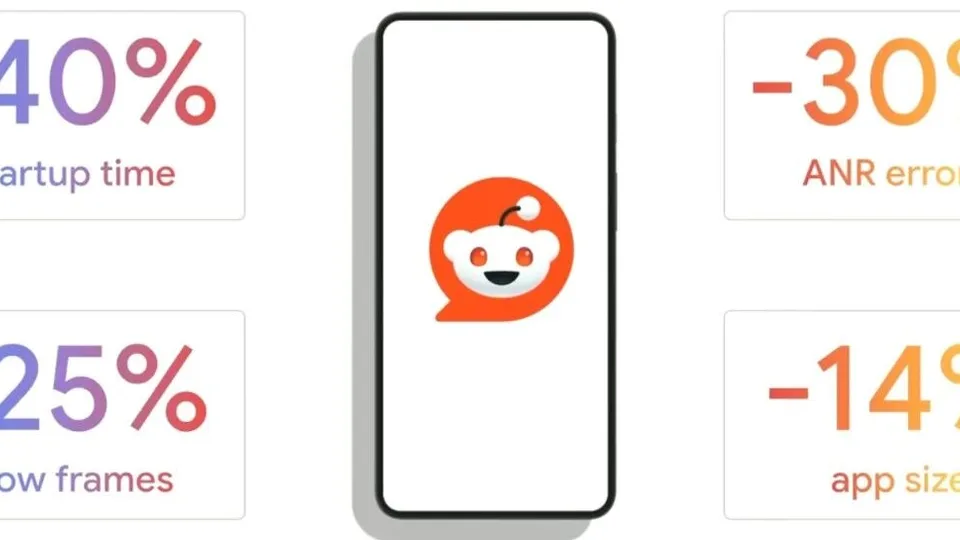
This guide explains why Android performance matters to users, developers, and business, then walks through Google’s diagnostic tools, R8 optimization steps, continuous monitoring, and a Reddit case study that turned a two‑week effort into a one‑star rating boost.
Performance is critical for mobile apps; this guide outlines how to evaluate device, server/API, and network performance, provides troubleshooting steps for common issues, recommends Android and iOS testing tools, discusses testing challenges, and presents a comprehensive pre‑release testing checklist.
This article explains the layered iOS exception architecture, common crash causes, and a comprehensive monitoring solution that captures Mach exceptions, Unix signals, runtime NSException and C++ exceptions, and application‑level issues like deadlocks and zombie objects, with detailed implementation steps and code examples.
The article shares the development of 'Hongtu Zhidao', a travel app built on HarmonyOS 6, detailing its architecture, challenges like multi-tab navigation and AI content persistence, and solutions using ArkTS/ArkUI declarative UI, ArkData local storage, AppStorageV2 for global state, real-time AI itinerary planning, and DevEco Studio's hot reload and multi-device preview.
This technical case study details the end-to-end development of PromptTuner, a HarmonyOS 6 native app for prompt discovery, optimization, and management, covering three-layer architecture, ArkUI declarative UI patterns, state management, API abstraction, local analytics, privacy compliance, and measurable performance gains.
This article explains why iOS apps crash after release, outlines common coding mistakes that cause crashes, introduces a layered iOS exception architecture, and provides detailed implementation steps for Mach exception, Unix signal, runtime, and application‑level monitoring using KSCrash with code samples and diagrams.
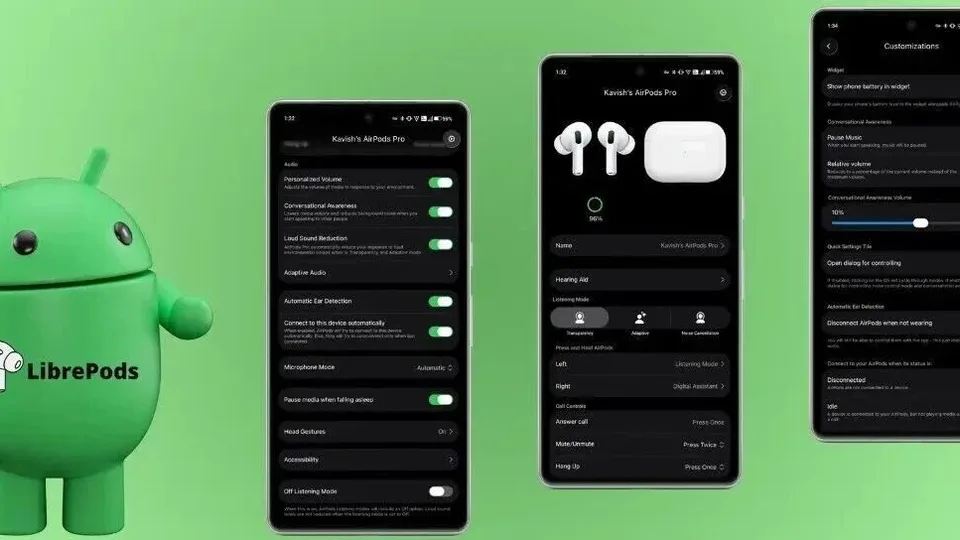
A teenage developer created the open‑source LibrePods project, which unlocks AirPods’ noise‑cancellation, ear‑detect, gesture controls and more on Android devices, but it requires Android 13+, root access and the Xposed (LSPosed) framework, making it a niche yet powerful solution for enthusiasts.