This article explains the concept of Android Hook, demonstrates how to intercept View.OnClickListener using Java reflection, shows step‑by‑step code for hooking startActivity via ActivityThread instrumentation, and introduces the Xposed framework’s mechanism for system‑wide method interception, providing practical examples and key implementation tips.
Koin Annotations 2.2 introduces JSR‑330 compatibility, predefined scope archetypes, smart module configuration, and built‑in performance monitoring, enabling Android and Kotlin Multiplatform projects to migrate from Dagger or Hilt to Koin safely, progressively, and with minimal code changes.
This article explores the technical architecture of Android dynamic photos, detailing the three‑layer file structure, XMP metadata specifications, and differences among Xiaomi Micro Video, Google Motion Photo, and OPPO O Live Photo, and provides a unified Kotlin solution for detection, parsing, and playback.
This guide walks through the complete implementation of WeChat Mini Program login, covering front‑end wx.login calls, back‑end code2Session exchanges, database schema design, API specifications, environment configuration, token validation via interceptors, and key security considerations, all illustrated with code snippets and diagrams.
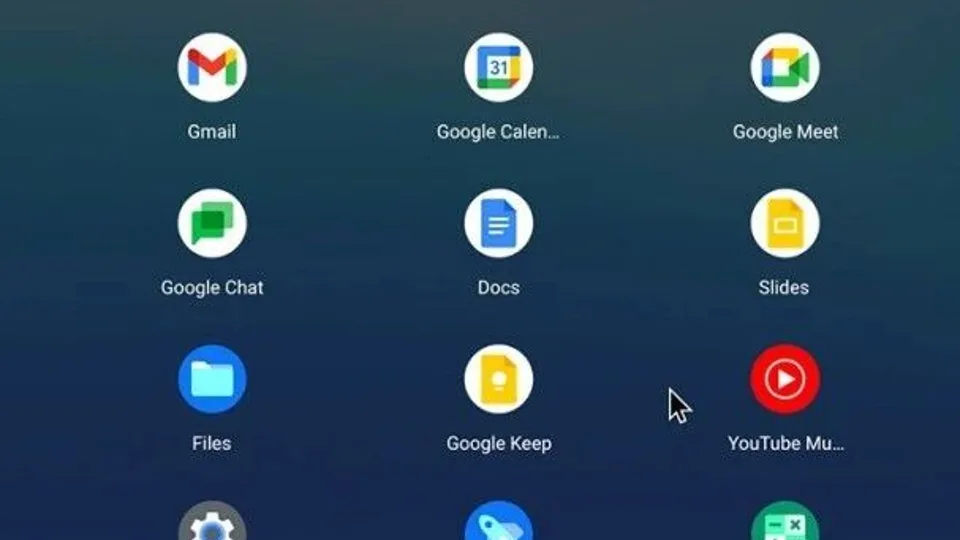
Google announced it will retain both Android and ChromeOS while rebuilding ChromeOS on the Android stack, aiming to launch Android‑based PCs by 2026 that combine ChromeOS‑like experience with full Android app compatibility, leveraging Qualcomm’s new Snapdragon processors for seamless cross‑device integration.
Huawei's new Mate XTs triple-fold device introduces three form factors, free multi-window mode, and stylus support; the official best-practices guide details responsive layout adaptation, window-mode handling, and Pen Kit integration for developers.
Learn step-by-step how to encrypt an Android Room database using SQLCipher, generate a random AES-256 key, protect it with the Android Keystore, and ensure the key is cleared from memory, providing production-grade data security against reverse engineering and local tampering.
CodeGenie leverages a Huawei-curated HarmonyOS corpus to provide context-aware code completion with three trigger modes, fine-grained acceptance controls, cross-module dependency resolution, and adaptive style learning, enabling developers to generate accurate ArkTS code while maintaining full control over suggestions.
This article walks through the practical steps of integrating Google ML Kit into an Android app, covering its privacy‑first, zero‑learning‑curve advantages and providing complete code examples for barcode scanning, OCR, error handling, CameraX setup, and performance tuning.
This article explains how Bugly leverages the open‑source Xlog kernel to overcome HarmonyOS native logging limitations, offering a comprehensive, cross‑platform log engine, diagnostic fetch module, and practical scenarios that boost issue diagnosis, dynamic log control, privacy, and developer productivity.
This article explains how to implement dialog routing in HarmonyOS using the Navigation component's Dialog mode, contrasting Standard and Dialog NavDestination modes, and provides a complete shopping cart example with ArkTS code demonstrating persistent, non-blocking dialogs with transition effects.
FluidMarkdown is an open‑source native mobile Markdown engine that supports full CommonMark syntax, streaming and full‑document rendering, extensive style customization, HTML tag mixing, and runtime callbacks, enabling AI‑driven applications to display content smoothly on iOS and Android.
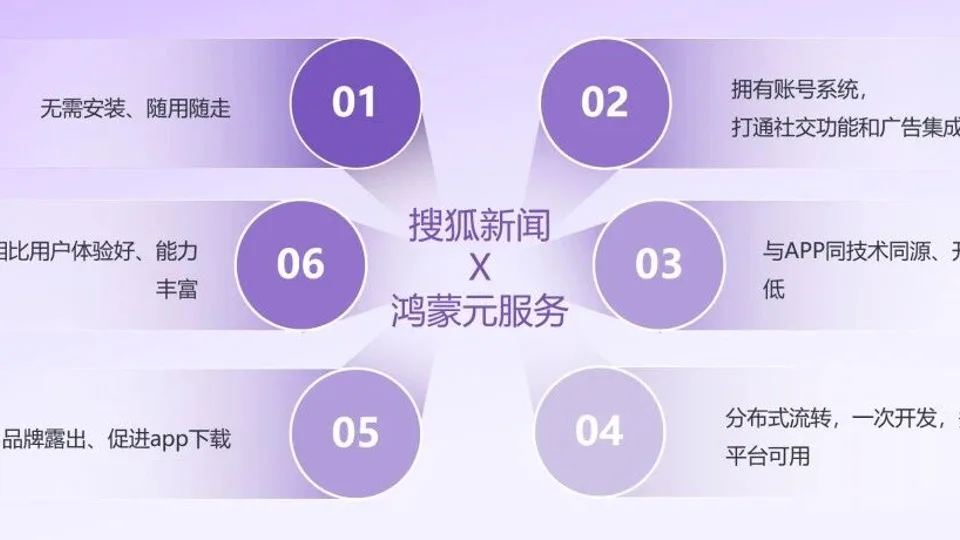
The August 30, 2025 “Youth Coding·HarmonyOS Summer” event in Xiamen featured Jia Ding’s deep dive into Sohu News’ HarmonyOS meta‑service, revealing three key technical breakthroughs—dynamic list loading, MVVM‑based detail pages, and skeleton‑screen stability—while outlining future ecosystem integrations such as Push Kit and RAG.
This tutorial details how to implement cross-package page navigation in HarmonyOS multi-module apps using the Navigation router, covering router_map.json configuration, builder functions, compilation order, dependency setup, and code examples for HAP, HSP, and HAR modules.
Learn how to create robust offline‑first Android applications by combining local data storage with Room, background synchronization using WorkManager, efficient pagination via Paging 3, key‑value handling with DataStore, and responsive UI updates through Jetpack Compose, ensuring seamless user experience across unstable network conditions.
This guide details how to implement audio and video capture using Camera Kit, AudioCapturer, and OHAudio, as well as playback with AVPlayer in HarmonyOS apps, covering permission setup, device selection, profile configuration, session creation, resource management, and supported formats.
The article explains why Google deprecated EncryptedSharedPreferences and EncryptedFile, outlines the limitations of ESP, and guides developers on modern alternatives like Jetpack DataStore, Tink encryption library, and custom encrypted DataStore implementations for secure Android storage.
Huawei's CodeGenie Smart Tuning in DevEco Studio 6.0.0 Beta uses 20+ atomic profiling tools and a curated knowledge base to let developers diagnose cold-start delays, frame drops, and memory leaks via natural-language queries, cutting manual log analysis by half.
This tutorial explains how to set up a Python 3.8 environment, use an Android emulator, and employ ADB commands together with OpenCV image matching and Tencent OCR to automatically complete daily tasks in the mobile game Onmyoji, including boss battles, barrier breakthroughs, and resource collection.