This guide covers HarmonyOS AVRecorder's supported formats (AAC/MP3, H.264/H.265, MP4/M4A), provides step-by-step ArkTS and C++ NDK code examples for recording workflow, and outlines key development practices including state machine rules, resource cleanup, and permission handling.
Using Tencent’s open‑source Kuikly framework and AI assistance, the author creates a minimalist “Lonely Frog” app that runs on Android, iOS, HarmonyOS, Web and mini‑programs, detailing setup, design generation, code snippets, debugging tips, and multi‑platform deployment in a single day.
Zhihu partnered with Huawei to develop and open‑source an Appium driver for HarmonyOS, enabling unified, efficient automated testing across iOS, Android, and HarmonyOS and energizing the open‑source HarmonyOS ecosystem for developers and enterprises.
This article explains why foldable screen adaptation has become a critical requirement for internet applications, outlines the various screen states and their characteristics, identifies three core technical challenges—including screen‑width calibration, split‑screen handling, and landscape support—and provides practical solutions and best‑practice principles to help developers deliver consistent, high‑quality experiences across diverse foldable devices.
This article explains how the ROMA cross‑platform framework supports dark mode on mobile apps, detailing configuration options, view‑mode attributes, color mapping, iOS trait protocols, and code examples for seamless theme switching, helping developers implement efficient dark‑mode adaptations.
This article walks through the performance bottlenecks of using Lottie for dual‑state animations in mobile apps and presents a three‑stage progressive optimization—basic synchronous implementation, asynchronous loading with caching, and a state‑machine‑based pending mechanism—complete with Swift code samples, diagrams, and benchmark results.
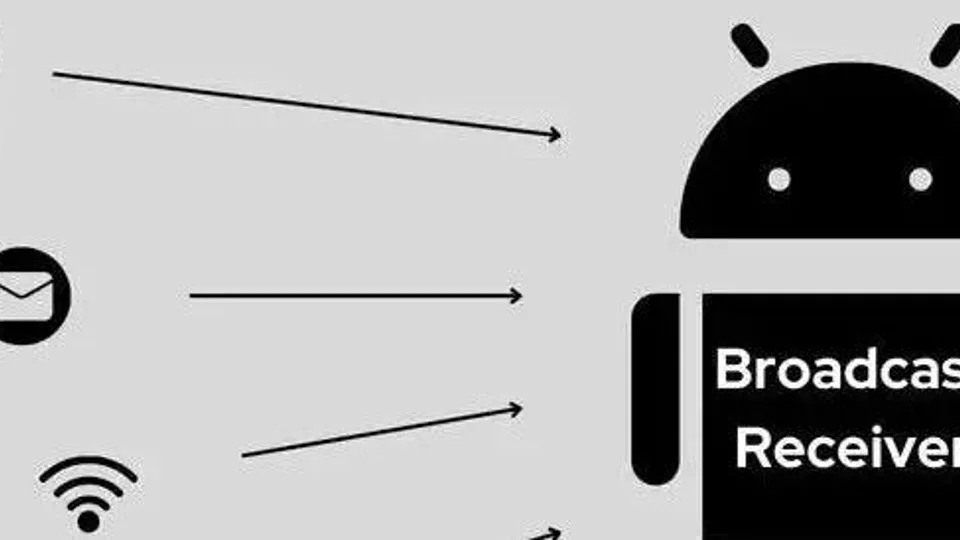
This article examines the limitations of using BroadcastReceiver with AlarmManager for nightly data synchronization on Android, demonstrates how migrating to WorkManager improves reliability and battery efficiency, and provides code comparisons and guidance on choosing the right background execution tool for various scenarios.
Tencent's Kuikly cross-platform framework adds support for Apple's iOS 26 Liquid Glass design, demonstrating how native-rendering frameworks can directly leverage platform innovations while self-rendering frameworks like Flutter must simulate effects at higher cost and lower fidelity.
Kuikly, Tencent’s Kotlin‑Multiplatform cross‑end framework, introduces native support for Apple’s iOS 26 Liquid Glass design, comparing self‑rendering and native‑rendering architectures, detailing adaptation strategies, API extensions, compatibility handling, and offering code examples to help developers integrate the new visual effect across platforms.
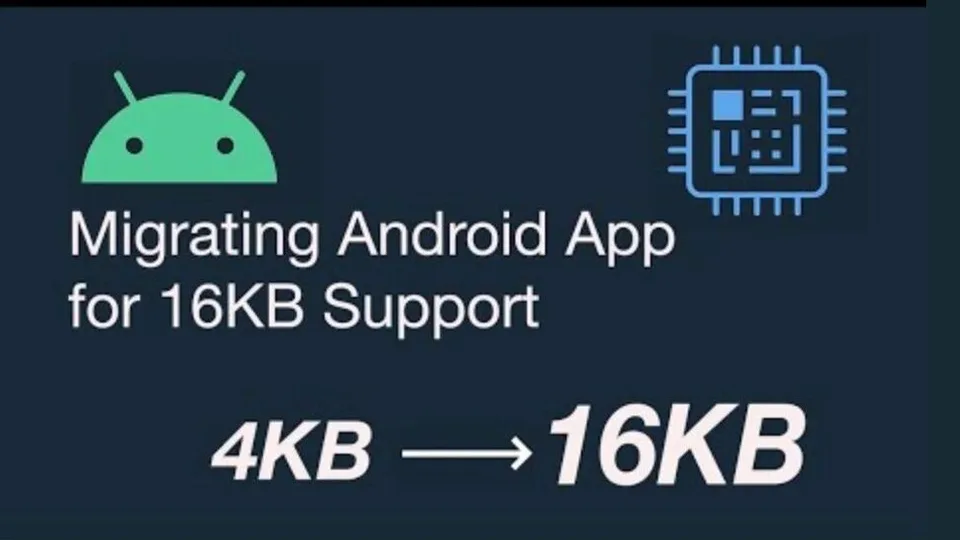
Google’s shift to 16KB memory pages in Android 15, mandatory for Play Store submissions after November 1 2025, brings performance gains, reduces TLB misses, and forces native‑code developers to update build flags and eliminate hard‑coded 4KB assumptions to stay compliant.
Version 3.9 of the Dart language introduces enhanced null safety, soundness fixes, AI‑friendly MCP server support, a 50% faster CLI, smarter pub dependency handling with Git tags, cross‑compilation for ARM32 and RISC‑V, and deprecations, delivering safer, faster, and more intelligent development for Flutter apps.
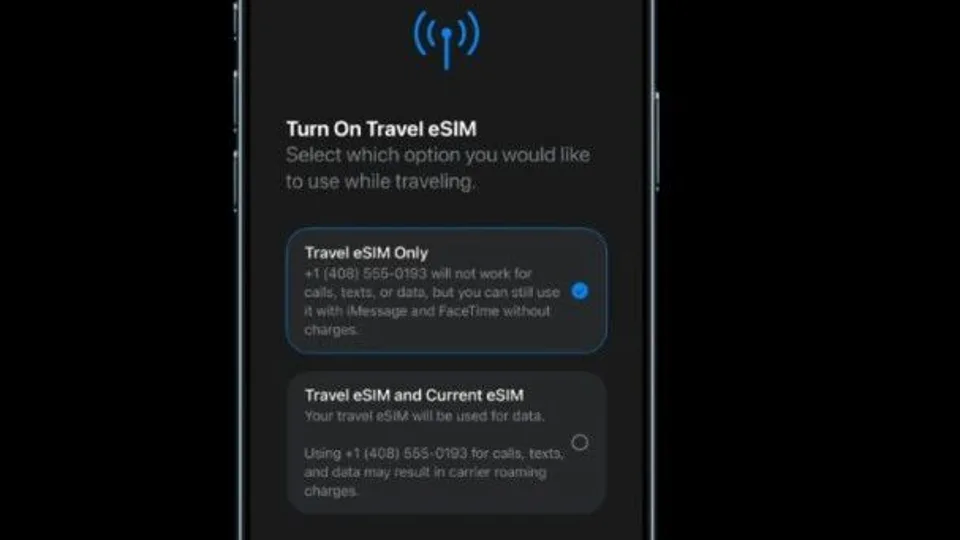
The iPhone Air eliminates the physical SIM slot in favor of eSIM, prompting Chinese carriers to prepare support while highlighting which device models can use eSIM domestically and abroad, and explaining the trade‑offs for travelers.
This article details a deep engineering effort that transforms Kotlin Multiplatform on iOS into a first‑class development environment, covering the current pain points, root causes, a redesigned Bazel‑based build pipeline, parallel compilation techniques, performance gains, and future roadmap for mobile developers.
This article walks through Wear OS’s evolution, core advantages, competitor comparison, essential development principles, and provides hands‑on Compose code examples—including a food‑selector app and a ScalingLazyColumn todo list—to help developers build efficient, battery‑friendly smartwatch applications.
Geekbench scores show the iPhone 17 Pro and Pro Max delivering a 15% single‑core and 22% multi‑core CPU boost plus a 41% GPU performance jump compared with the iPhone 16 Pro, while the new models also feature up to 12 GB of RAM and improved thermal design.
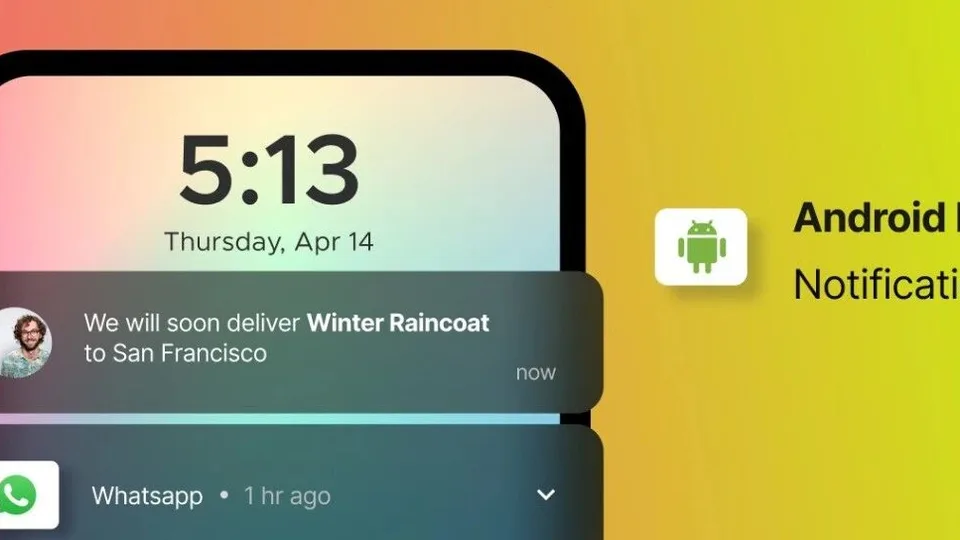
This article dissects the complete Android notification pipeline, explaining how a call to NotificationManager.notify() travels through Binder, system services, and SystemUI to finally render icons, notification rows, or heads‑up banners, while covering channels, permissions, and special edge cases.
This article provides a comprehensive guide to using CAEmitterLayer in iOS, covering its core concepts, key properties of both the layer and its cells, practical Swift code examples for effects like snow, rain and fireworks, performance considerations, and advanced techniques for integrating with UIKit and physics engines.
Google’s latest updates—including the Compose Adaptive Layouts 1.2 beta, the AI‑powered Androidify app, and the Android Studio Narwhal Feature Drop—introduce advanced adaptive UI tools, Gemini‑driven image generation, and monthly IDE enhancements that empower Android developers to build responsive, multi‑device experiences faster.
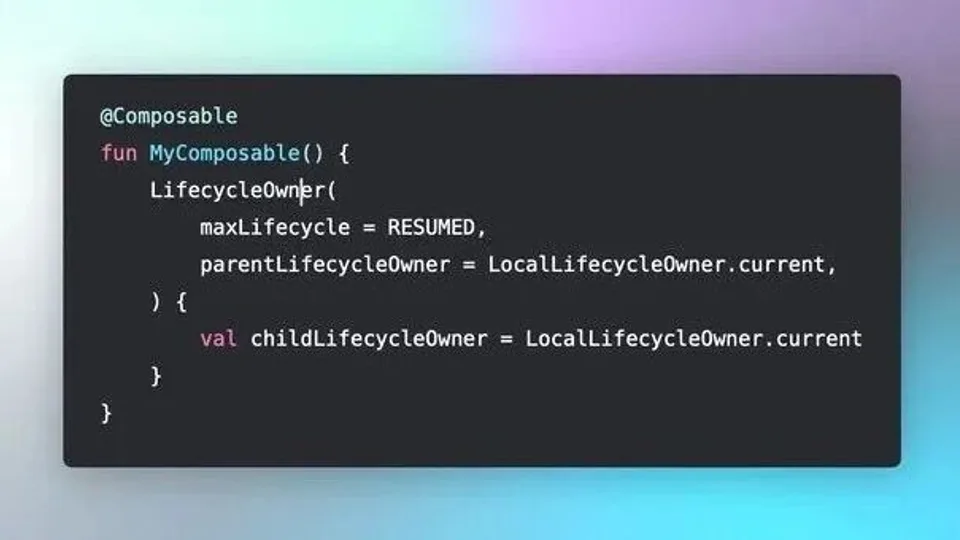
AndroidX Lifecycle 2.10.0‑alpha01 adds a composable LifecycleOwner, explaining how the existing LocalLifecycleOwner derives from view tree owners, when separate owners are needed during screen transitions, and provides code examples for implementing and integrating this new composable into navigation and other components.
This article explains why foldable‑screen support has become a must‑have for internet apps, outlines the various screen states and their layout implications, and provides concrete techniques for handling width calibration, multi‑window split‑screen, and landscape challenges across different manufacturers, while offering practical guidelines to avoid common pitfalls.