HarmonyOS 7 launches as a fully self-developed OS removing Android compatibility, delivering 40% faster system response, 35% quicker app cold starts, 30% less memory use, on-device AI with 98% offline voice accuracy, and distributed collaboration across 16 devices at 8ms latency.
This article explains how to prioritize UniApp's built‑in APIs (uni.chooseMedia and uni.scanCode) for media selection, photo capture, video recording, and QR/barcode scanning, provides copy‑paste‑ready code snippets, permission configurations, fallback native plugins, installation steps, and common pitfalls.
Meta has spent four and a half years building a custom, six‑stage Kotlinator pipeline to automatically translate its massive Android Java codebase to Kotlin, tackling null‑safety, build‑time, and headless J2K challenges, and now reports that only half the work is complete while the hardest problems remain.
This article dissects Android's rendering pipeline, quantitatively compares Native, Lottie, PAG, SurfaceView and TextureView animation implementations, and presents a step‑by‑step selection guide with practical code examples to help developers achieve high‑performance, low‑lag UI effects.
The article outlines Kuaishou's seven technical sessions at HDC 2026, detailing solutions for HarmonyOS large‑scale deployment such as startup performance, HD streaming, memory‑leak mitigation, cross‑platform framework adaptation, KMP integration, ArkUI optimization, and AI‑native enhancements.
This article details a HarmonyOS network request library encapsulation featuring global configuration, chainable API, request/response interceptors, and support for JSON, form, binary, and multipart file uploads, with complete implementation code, usage examples, and pitfalls like ArkTS type constraints and large-file memory limits.
The article analyzes severe scroll jank on low‑end HarmonyOS devices caused by Taro Native's heavyweight card page, identifies main‑thread overload in layout phases 1, 4 and 5, proposes static node‑tree layout with custom measurement interception and font‑measurement caching, and reports a frame‑rate boost from 43 fps to 57 fps (~32.5% improvement).
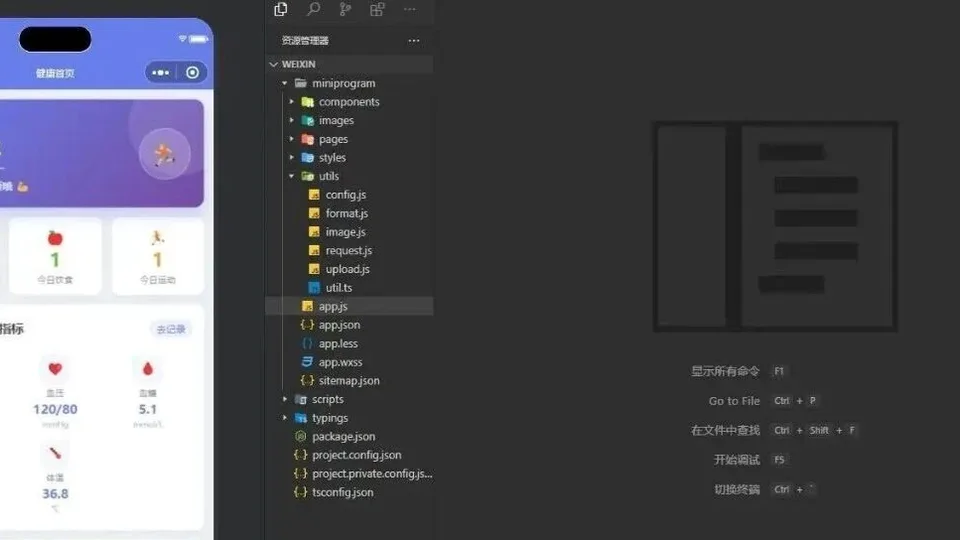
Using Cursor AI and Composer, the author demonstrates how to create a full‑stack personal health‑management system—including a Vue 3 admin panel, a Spring Boot 4 backend, and an AI‑powered chatbot—for a WeChat mini‑program in just twenty minutes, while detailing architecture, database design, and deployment steps.
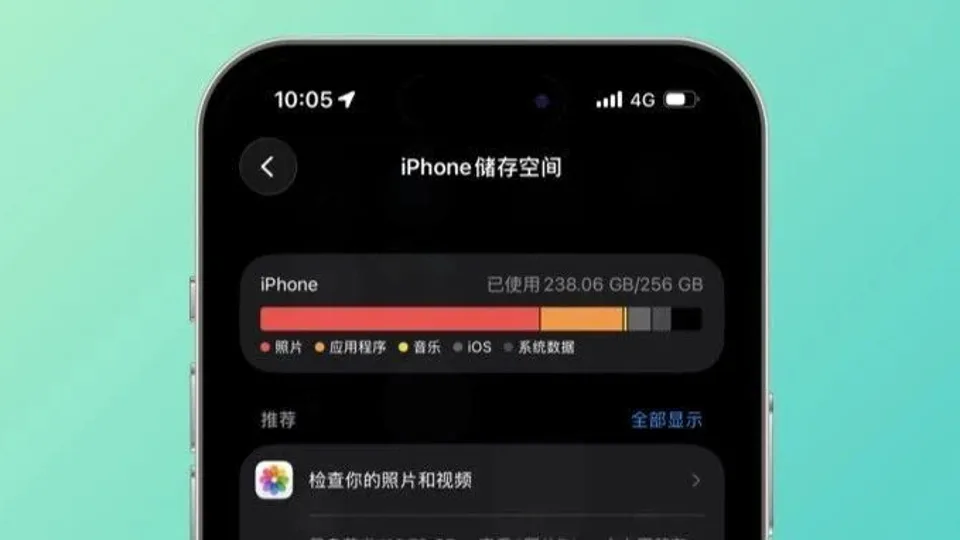
The article explains that setting an iPhone’s system date a year ahead while in airplane mode forces iOS to purge old cache files, temporarily freeing up to 20 GB of storage, but the space quickly returns and the trick can cause app crashes, message glitches, calendar errors, watch health data issues, and corrupted Screen Time data that may require a full restore.
This tutorial demonstrates building a skateboard trick tracking app on HarmonyOS, covering trick library design, practice session storage using the Preferences API, combo management, statistical analytics, and key implementation pitfalls like data migration and async handling.
The article details the design and implementation of “Starship,” an internal iOS tool that automates proxy configuration for shared test devices, eliminating manual Wi‑Fi settings, providing real‑time status, domain‑based routing, and health checks, while comparing existing solutions and sharing practical lessons.
This guide demonstrates seven bytecode instrumentation scenarios using HarmonyOS AbcKitTS, including lifecycle tracking, function timing, privacy API monitoring, method replacement, attribute modification, click tracking, and parameter validation, with code examples and Hvigor plugin integration.
This article details building a dynamic HarmonyOS service card that shows real-time cooking progress on the desktop, using FormExtensionAbility in API 23 with a main-process push architecture and Preferences-based cross-process data bridge to overcome process isolation.
Honor's MUSCHED introduces a VIP scheduling class between real-time and CFS via eBPF's sched-ext, using scenario-aware thread annotation and cross-process priority propagation to reduce touch-to-display latency by 31% and eliminate 92% of frame drops on 120Hz mobile devices.
This article details a three-tier information architecture (full, compact, minimal) for adapting HarmonyOS native apps to floating windows on foldable devices like the Pura X Max, showing how to preserve only essential UI elements — title, status, and primary action — in minimal mode while progressively restoring context as window width increases.
Huawei's HarmonyOS team open-sources SimpleGPULayer (SGL), a Vulkan-based GPU acceleration framework providing 52 image filters, 28 compute operators for AI inference, 2D/3D rendering with glTF/PBR support, and GPU Bezier line generation — all accessible via minimal C/NAPI APIs for native HarmonyOS apps.
This article dissects a pure on‑device Android automation engine, detailing its four‑layer architecture, gesture injection techniques, visual perception handling, robustness mechanisms, current technical and regulatory roadblocks, and how AI‑driven vision and LLM agents could shape its next evolution.
This guide warns mobile developers that while VibeCoding can quickly generate SwiftUI, Compose, or Flutter code, they must still address security boundaries, cost implications, compliance rules, performance constraints, data‑schema design, testing, and incident‑response practices before releasing an app to real users.
This tutorial walks through implementing the Discover page for a HarmonyOS audiobook app, covering title bar setup with HdsNavDestination, hot tags layout using Flex wrap, featured playlists with Row and ForEach, and a bottom audio info bar with space-between alignment.
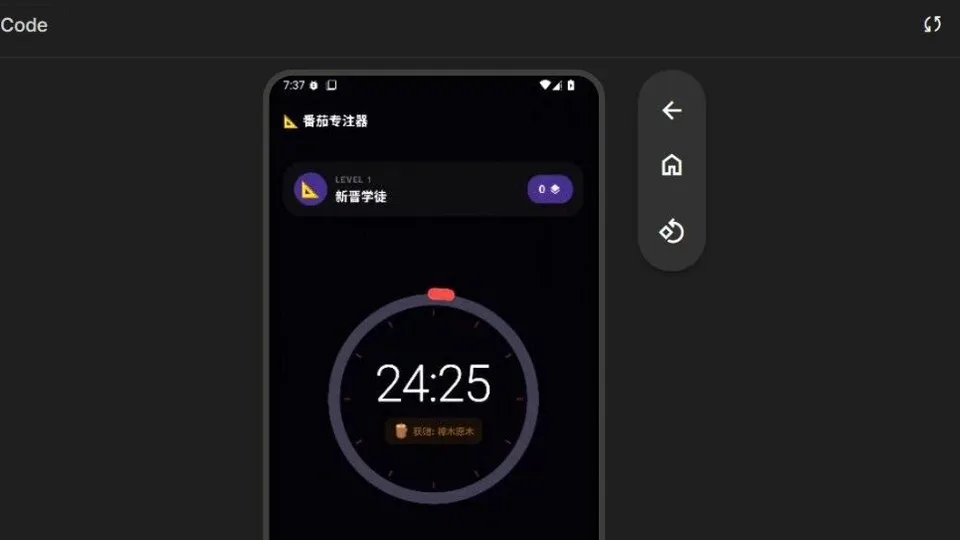
Google AI Studio’s new free feature lets anyone create native Android apps without code, producing over 250,000 apps in its first week; the article walks through hands‑on tests—including a pomodoro‑building game, a camera‑based translator, and a “karma‑wooden fish” app—detailing prompts, build times, file counts and remix capabilities.