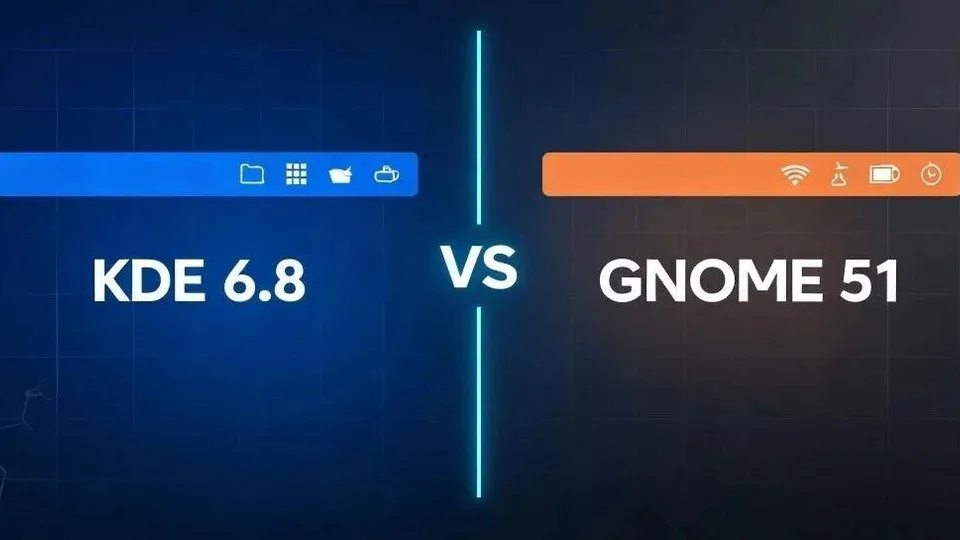
This article compares GNOME 51 and KDE Plasma 6.8 Beta across eight dimensions including window management, visual effects, performance benchmarks, file managers, Wayland maturity, and customization philosophy, providing concrete data and design insights to help users choose between the two leading Linux desktop environments.
This article systematically explains AIOps (Artificial Intelligence for IT Operations), covering its definition as a capability combining big data, ML, and NLP; core value in reducing alert noise and cognitive load; four key components; complementary relationship with DevOps; domain-agnostic vs domain-centric implementation strategies; and the future of predictive operations with human-in-the-loop oversight.
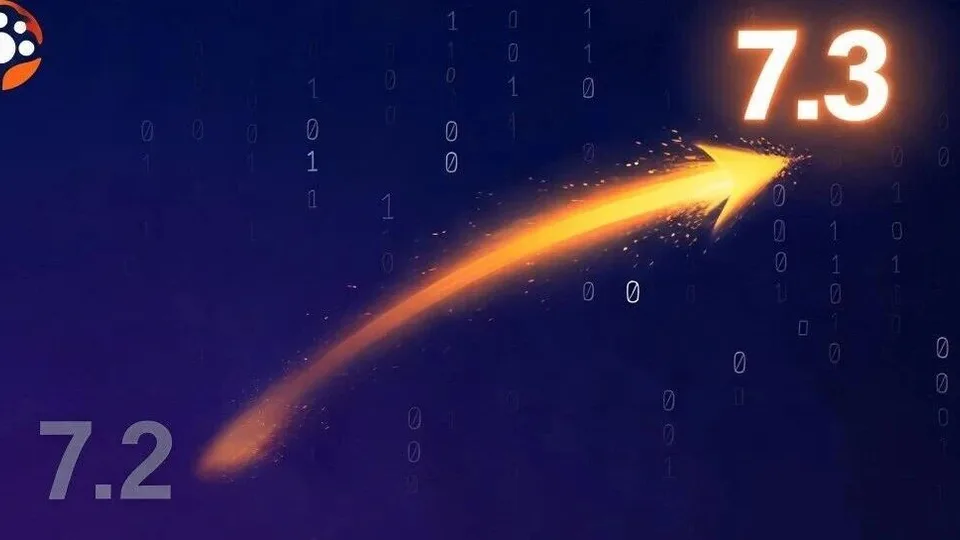
Ubuntu 26.10 may skip Linux kernel 7.2 and adopt 7.3 despite a tight release window, driven by major features like ByteDance's scheduler optimization cutting latency 90%, 7x gaming FPS gains on decade-old CPUs, and expanded Rust drivers, though early adopters should expect initial instability.
This guide details five essential Linux commands—top, free, df, netstat, and tcpdump—for diagnosing server-level CPU, memory, disk, and network bottlenecks that cause Java application failures, providing field interpretations, anomaly thresholds, and a step-by-step troubleshooting workflow.
A comprehensive guide to Linux network fault diagnosis using tcpdump, netstat, and ss, covering TCP state analysis, packet capture filters, kernel parameter tuning, and real-world case studies for TIME_WAIT, SYN_RECV, CLOSE_WAIT, and latency issues.
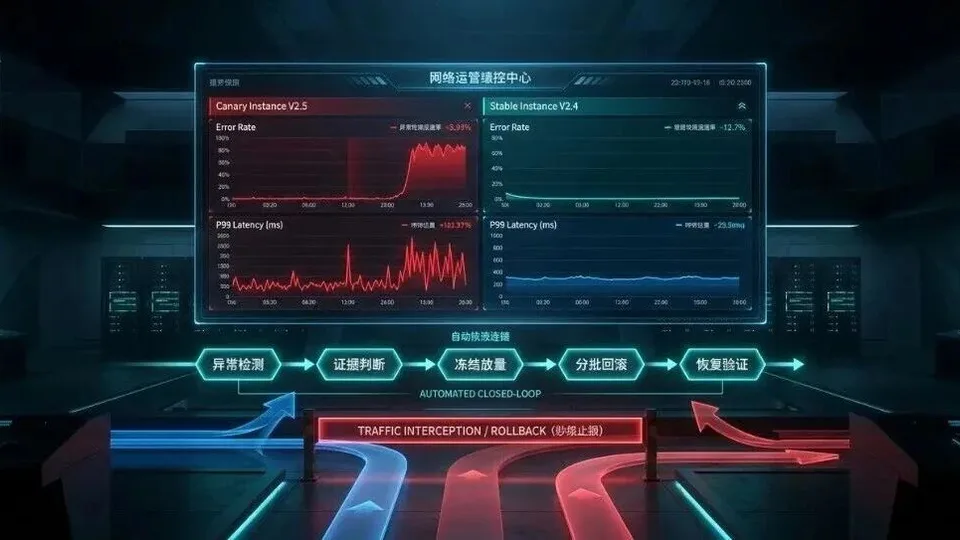
This article dissects why manual rollback breaks at 10M QPS and details a five-phase automatic rollback loop—context collection, health evaluation, traffic freeze, phased execution, and layered verification—emphasizing multi-signal decision rules, rollback-object dependency graphs, blast-radius control via canary, idempotent execution, and circuit-breaker governance to prevent automation-induced failures.
This step-by-step tutorial covers importing a CentOS 7 VM in VMware, configuring dynamic and static IP addresses, troubleshooting network issues, installing JDK 1.8 and MySQL 5.7, and setting up Spring Boot and Tomcat 8.5 services for auto-start on boot using systemd.
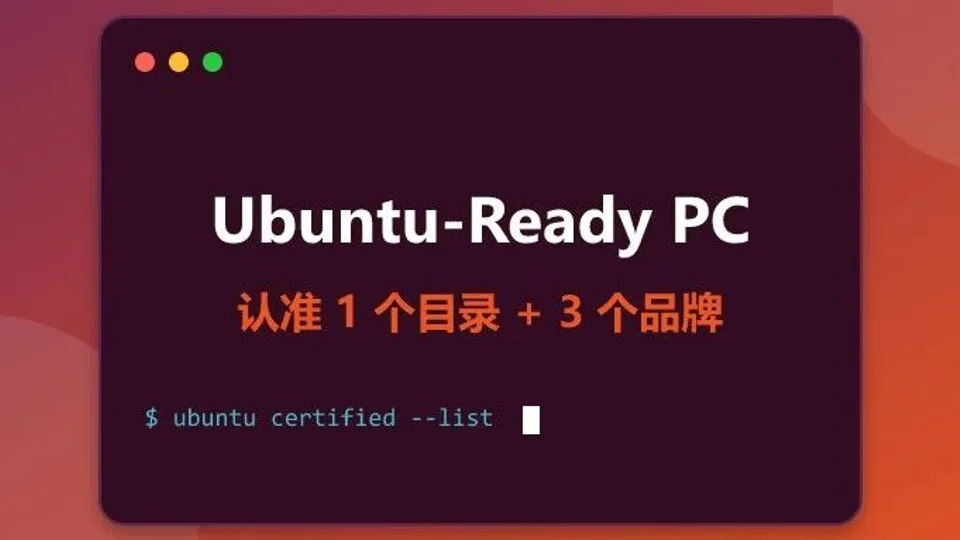
This guide explains how to select a computer that runs Ubuntu smoothly by using Canonical's official hardware certification directory and recommends three reliable brands — Lenovo ThinkPad, Dell XPS/Latitude, and HP EliteBook/Z series — while warning against Chinese Linux distributions and ARM-based devices that aren't standard x86 Ubuntu machines.
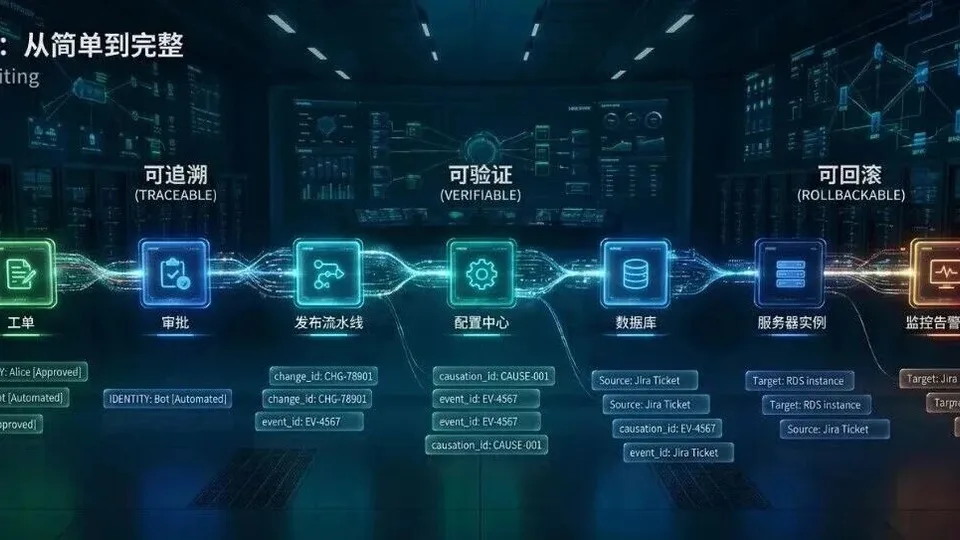
This article details how to evolve from basic operation logs to a complete change audit system for large-scale architectures by using unified change identifiers, identity chains, immutable evidence, and observability correlation to connect intent, authorization, execution, and impact for real-time risk control and incident reconstruction.
This article presents a lightweight ontology-based approach for building AI agents that enable natural language-driven fault diagnosis, root cause analysis, and metric querying in big data platforms, detailing six core skills, a Hive case study, and comparisons with RAG, graph databases, and SQL agents.
This article presents eight Zabbix interview questions with detailed answers covering active vs passive modes, Agent vs Agent2 differences, data model comparison with Prometheus, trigger expressions, LLD vs service discovery, Proxy vs Server HA, Zabbix-Prometheus selection criteria, and SNMP timeout troubleshooting.
The article argues that CI/CD remains essential infrastructure but must be redesigned for AI agents by exposing platform context via protocols like MCP, preserving failure scenes for root-cause analysis, and enabling self-healing pipelines, starting with the most painful pipeline as a pilot.
A comprehensive guide to recovering from accidental rm -rf deletions on Linux, covering immediate response, file system internals (ext4/xfs/btrfs/zfs), multiple recovery tools (extundelete, debugfs, lsof, snapshots), a real incident timeline, risk assessment, and prevention strategies including code review, monitoring, and backup practices.
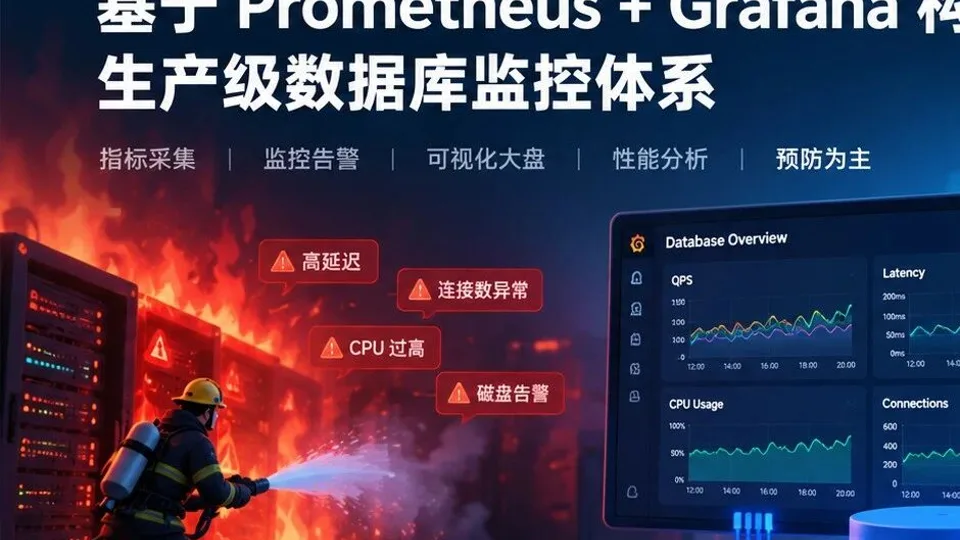
This comprehensive guide details building a production-grade database monitoring system using Prometheus and Grafana, covering SLI/SLO design, alerting strategies, architecture, metric selection, security, Prometheus configuration, Alertmanager routing, Grafana dashboards, scaling, incident response runbooks, anti-patterns, and operational processes to shift from reactive firefighting to proactive prevention.
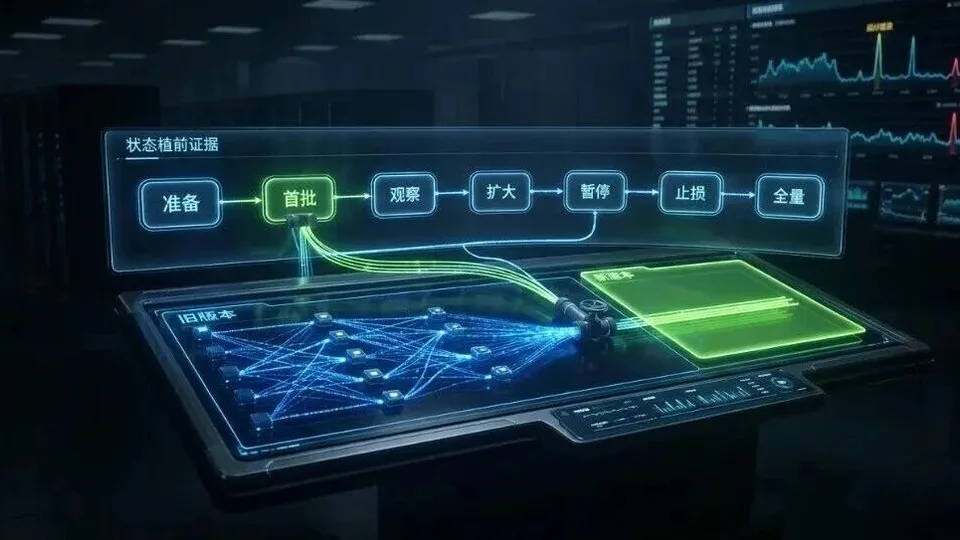
This article explains why canary releases become essential at 10M QPS, detailing how to define canary units by identity, failure domain, and business scenario; set absolute traffic limits; use evidence-driven state machines with four metric layers; ensure version compatibility; choose rollback, feature-flag, or forward-fix strategies; build platform capabilities; avoid common pitfalls; and make canary the default deployment path.
This article presents 17 practical Linux command-line techniques for system administrators, covering file search and manipulation with find and sed, log analysis using awk and sort, disk space monitoring with automated alerts, network packet capture via tcpdump, firewall configuration with iptables, and shell scripting for routine maintenance tasks.
The article details a tiered intelligent fault self-healing platform for life insurance core systems, covering architecture across heterogeneous tech stacks, compliance-constrained auto-remediation, MTTR reduction targets, build-vs-buy analysis, and risk mitigation strategies for AI-driven operations.
This guide walks through deploying a three-node Kafka 3.8.1 cluster using KRaft mode and Docker Compose, covering machine preparation, kernel tuning, cluster ID generation, node-specific configuration, startup, and verification steps including topic creation and message production/consumption.
This comprehensive guide dissects the Linux logging stack — kernel ring buffer, journald, rsyslog, logrotate, and service logs — with configuration details, command references, and five step-by-step troubleshooting cases covering SSH brute force, disk exhaustion, OOM kills, network packet loss, and systemd service failures.