This glossary defines 500 fundamental operations engineering terms across Kubernetes core concepts, cluster components, networking plugins, and Docker container basics, providing concise explanations for each term.
This article explains why anytime deployment fails at 10M QPS scale and details a comprehensive change window mechanism that controls change quantity, risk exposure rhythm, personnel availability, and recovery resources, including layered windows, admission criteria, controlled rollout phases, freeze periods with emergency lanes, automated gates, and effectiveness metrics.
The article argues that building processes is only the first step; the real challenge is ongoing operations through seven disciplines—asset management, performance measurement, health monitoring, continuous improvement, compliance checks, user satisfaction, and maturity assessment—to ensure processes are usable, adopted, and effective in manufacturing enterprises.
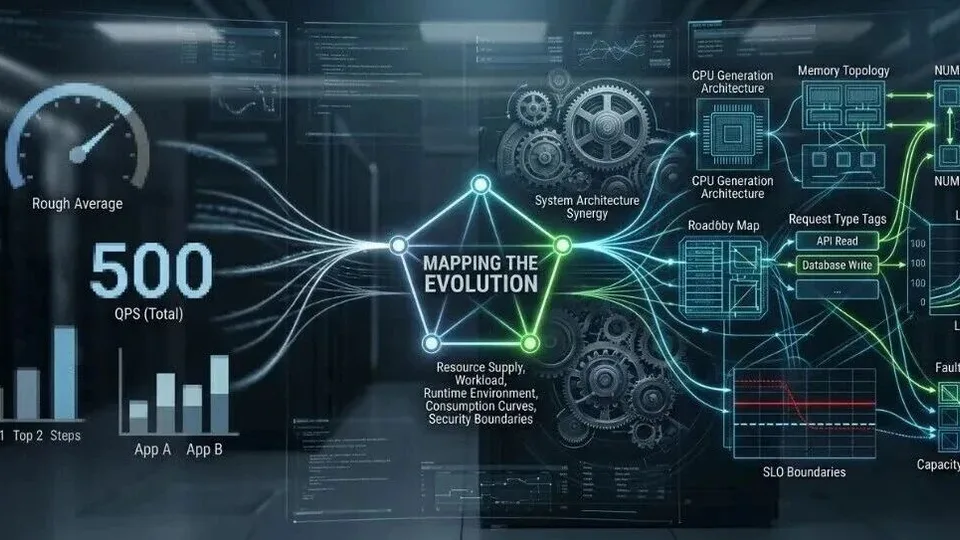
This article details how to evolve resource profiling from misleading averages to fine-grained, SLO-aware capacity models that incorporate instance heterogeneity, workload fingerprints, multi-resource bottlenecks, failure domains, and online calibration to drive trustworthy scheduling, autoscaling, release gating, and degradation decisions at ten-million-QPS scale.
This article details a real-world incident response and recovery process after an accidental rm -rf deletion on Linux, covering filesystem internals, immediate containment steps, recovery tools like extundelete and debugfs, LVM snapshots, and preventive measures to avoid future data loss.
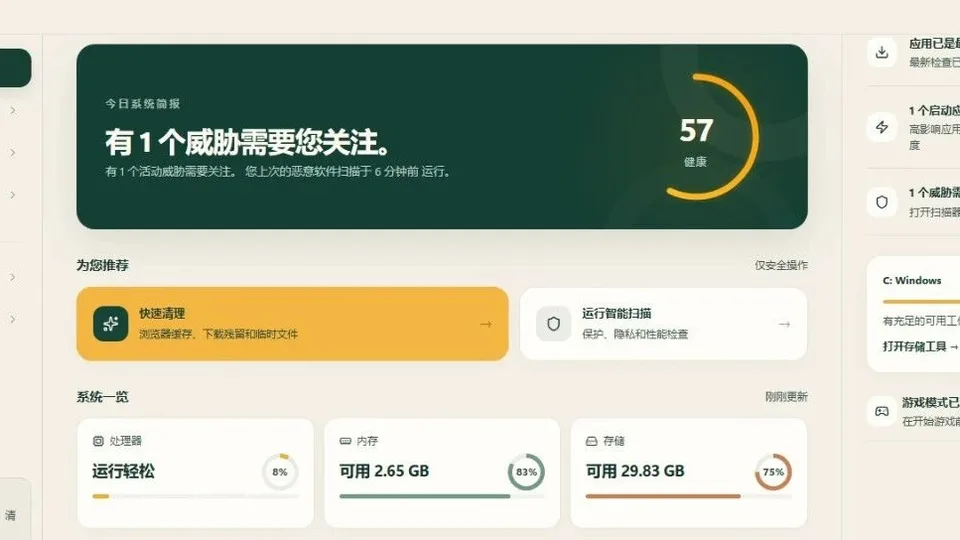
Kudu is an MIT-licensed open-source desktop toolkit that combines system cleaning, security scanning, and performance monitoring for Windows, macOS, and Linux, featuring local-only operation, no ads, JSON-defined cleaning rules, CLI and GUI modes, and privacy-focused design.
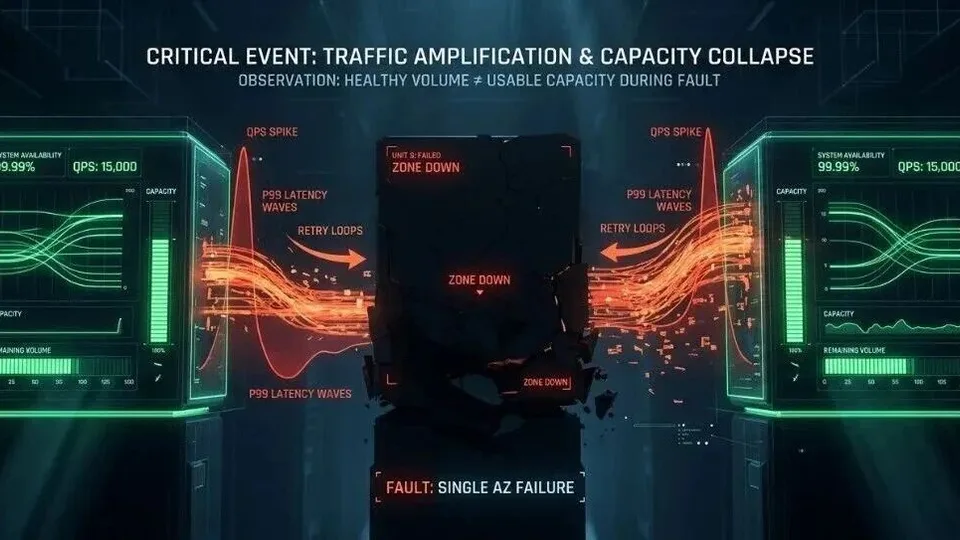
This article explains why traditional capacity planning fails under real faults, detailing how to build continuous fault injection practices with hypothesis-driven experiments, blast radius control, automated stop conditions, and fault capacity maps to transform theoretical headroom into verified effective throughput at 10M QPS scale.
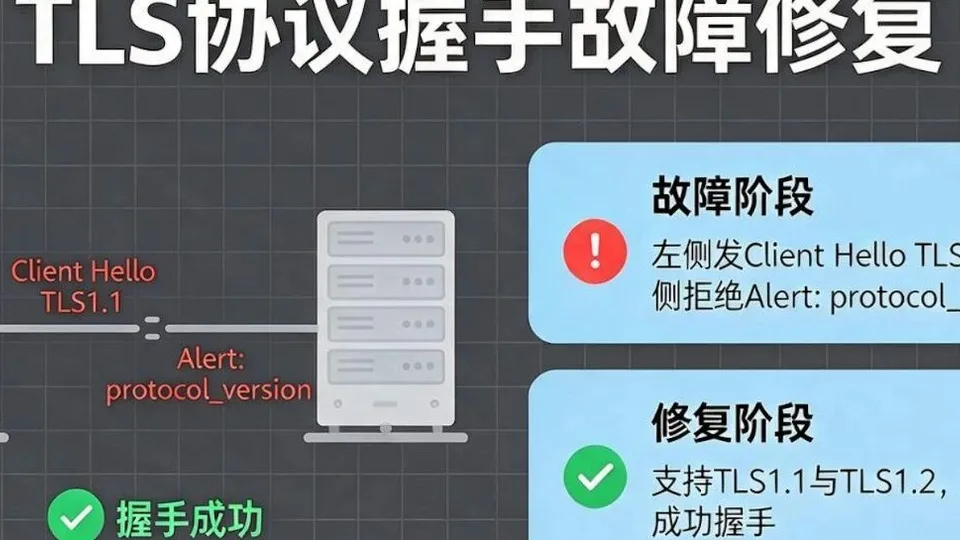
A troubleshooting guide for intermittent TLS handshake failures across carriers, revealing how JDK default version differences cause protocol_version alerts and providing verification steps and fixes using -Dhttps.protocols=TLSv1.1,TLSv1.2 for Java, curl --tlsv1.2 for scripts, and Nginx ssl_protocols adjustments.
A complete log troubleshooting methodology using grep, awk, sed, tail, less, and journalctl organized as a six-step pipeline — locate errors, examine context, extract fields, quantify patterns, track in real time, and check system logs — with command examples, output interpretation, common pitfalls, and ten hands-on exercises with answers.
This article explains why ad-hoc load testing fails at scale and details a four-stage evolution toward continuous load testing, covering baseline regression, release gates, failure capacity verification, production safety boundaries, and organizational ownership to keep capacity evidence current with system changes.
This comprehensive guide covers 20 essential Linux commands for system administrators, including file management, process monitoring, network diagnostics, and text processing, with practical examples, common parameters, and safety tips for production environments.
This article explores how highly automated workflows isolate exceptions, stripping context needed for human judgment, and argues for designing exception handoffs as structured re-judgment tasks with complete context packages, proper human placement at decision forks, and metrics focused on recovery quality rather than failure rates.
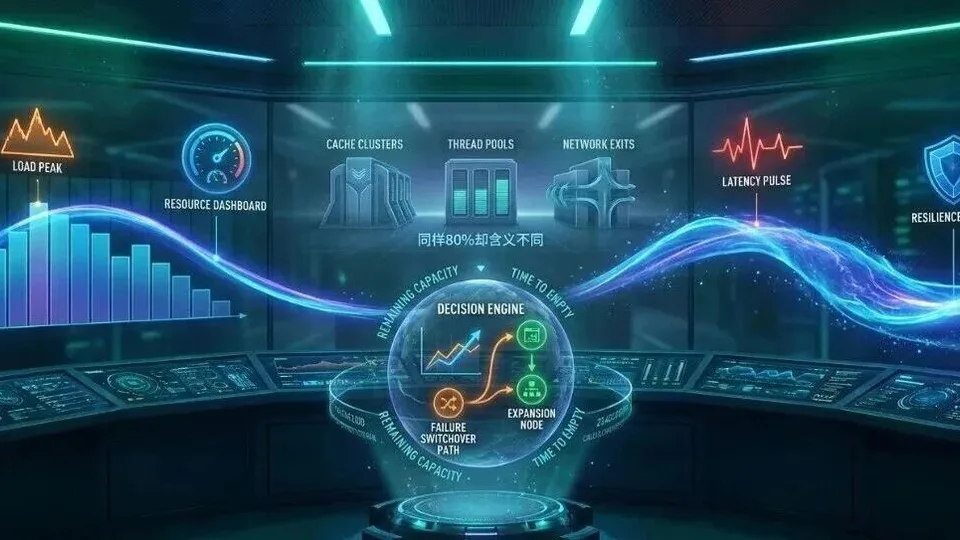
The article explains why fixed thresholds like 80% CPU are inadequate for large-scale systems, and introduces dynamic water level management that combines load, resource, service, and resilience signals with capacity profiling, trend prediction, and action latency to drive automated scaling, scheduling, rate limiting, and degradation in a closed loop.
Comprehensive guide covering Linux time concepts, NTP protocol, chrony vs ntpd, clock source selection, leap second handling, configuration templates for cloud, containers, Kubernetes, and isolated networks, plus verification, monitoring, troubleshooting, compliance automation, and rollback strategies.
This comprehensive guide details a systematic approach to diagnosing and resolving high Redis client connection counts, covering connection models, configuration tuning, CLI analysis commands, application-level connection pool fixes, temporary mitigation tactics, and long-term monitoring best practices with real-world case examples.
This guide demonstrates using wildcard SSL certificates with acme.sh to automate issuance, renewal, and deployment across multiple subdomains via DNS API validation and fixed Nginx certificate paths.
The article introduces trzsz, a Python-based file transfer tool compatible with TMUX that improves upon rz/sz by adding progress bars, directory transfers, drag-and-drop uploads, and support for modern terminals like iTerm2 and Electerm, with installation guides for multiple platforms and usage examples.
This article provides a step-by-step guide to troubleshooting CPU 100% incidents in production, covering Linux CPU metrics, Java GC and thread analysis with jstat/jstack/Arthas, system-level tools like perf and flame graphs, and a detailed case study where MySQL backup-induced replica lag triggered cascading Full GCs and CPU saturation.
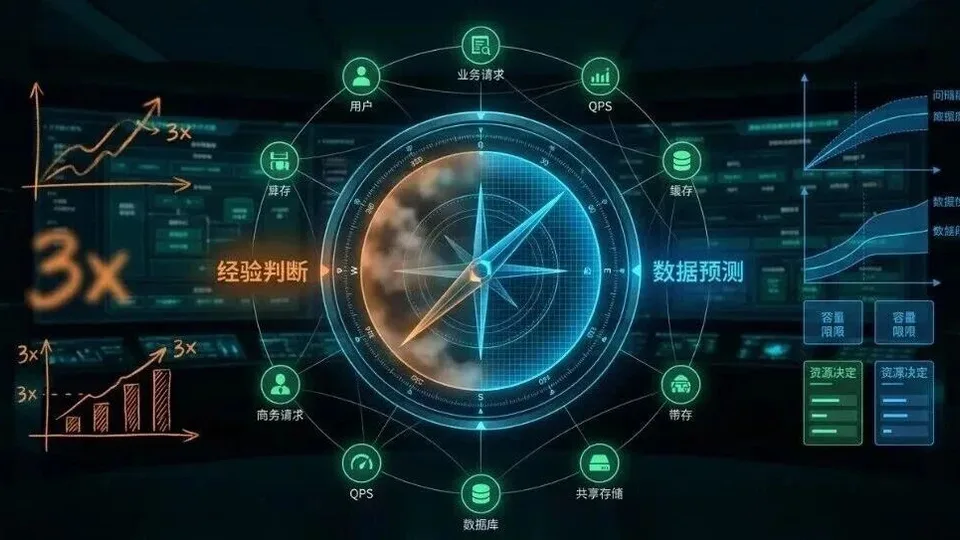
This article explains why experience-based capacity planning fails at 10M QPS scale and presents a data-driven framework separating business demand, system load, and resource capacity, using prediction intervals, error feedback loops, and incremental model building to turn vague traffic estimates into verifiable resource decisions.
This comprehensive guide covers Docker core concepts, common operations for images, containers, volumes, and networks, Dockerfile best practices, Docker Compose, production hardening with security and resource limits, logging, health checks, troubleshooting techniques, and solutions for common issues like slow pulls, data loss, time zones, DNS, and disk space.